How to Create the Ultimate Home Cinema 

create home cinema 

Creating a home cinema has become an affordable luxury. With cinema prices rising and the COVID-19 pandemic making everyone reconsider how much time they spend in public places, people have become more inclined to relax at home.

However, watching a film in your living room doesn’t tend to have the wow factor that a cinema does. So, why not create your own cinematic experience at home? We’ve put together a comprehensive guide to creating the ultimate home cinema.

Is the room suitable?   

One of the best things about visiting the cinema is the uninterrupted viewing – the room gets soundproofed, so you don’t hear a peep from the outside world. With this in mind, consider the room you choose for your home cinema. Avoid one that is next to noisy utilities like washing machines and dishwashers, as this could disturb your experience. 

If you want to go the extra mile, soundproof your room so you can be guaranteed to have the best viewing experience possible. However, it is a process that can be expensive, so check your finances to ensure you have the means for such a costly project.

The seating 

We’ve all been there – sat in a cinema with your body going numb from the uncomfortable seats. Choosing the best seats for your home cinema will help everyone stay comfy for the duration of the film. 

Consider how much space there is in your cinema room as this will determine what you can fit in. Would you rather have individual reclining chairs or a large sofa? Do you want them to match or would you prefer an assortment of options? Once you have addressed these questions, you must try them before you buy. 

Projector vs Large TV 

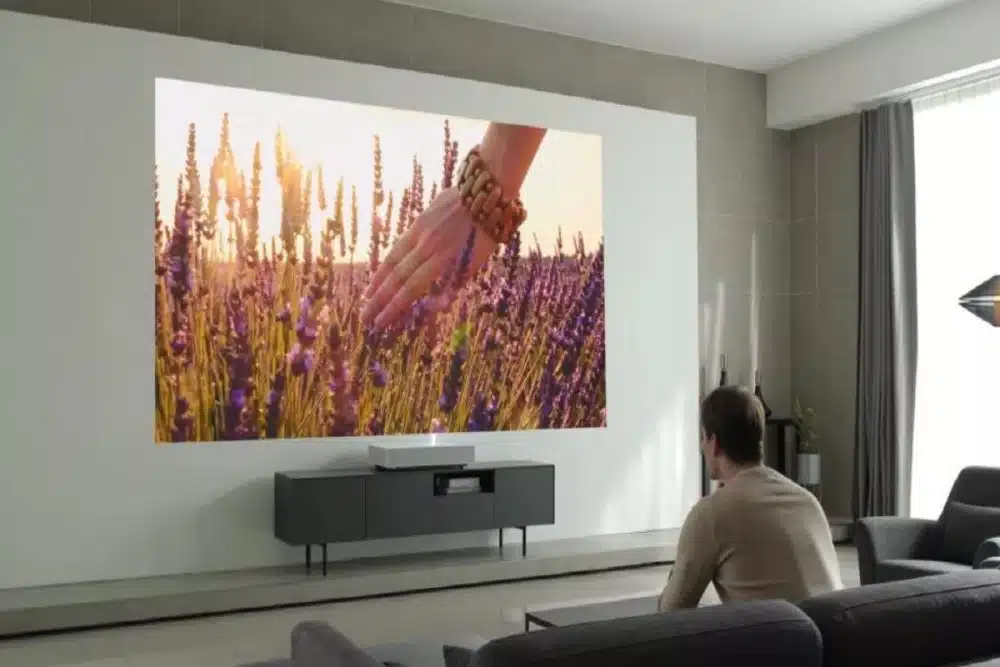
This is all about personal preference because there are pros and cons to both. Projectors are great in that they can often cover a larger surface area than a TV. However, to ensure the picture quality is sufficient, you should invest in a high-quality screen. 

If you choose a large TV for your cinema room, the picture quality should be great. TVs are available in so many different sizes that you’re bound to find one that fits your space perfectly.

Lighting 

Dark, intimate cinema lighting always gets us in the mood for a film, so consider your lighting choices when designing your cinema room. Avoid stark lighting and opt for a soft hue. A dimmer switch is ideal – this way you can get everyone in the mood for a film but still get full brightness if necessary.




Subscribe to Our Newsletter

Related Articles

Top Trending

How to Teach Letters to Kids
8 Ways to Teach Letters to Kids Who Hate Sitting Still
Alphabet Magic vs 123 Magic Number Fun
Alphabet Magic vs 123 Magic Number Fun: Which Skill Does Each App Actually Target?
How to Promote a Blog Post After Publish
10 Best Ways to Promote a Blog Post After Hitting Publish
How to Help a Child Who Refuses to Count Aloud
Articleify 7th anniversary
Happy 7th Anniversary of ArticleIFY: The Journey from a Small Room to Global Horizons

Technology & AI

SEO Agency vs In-House SEO vs Freelancer
SEO Agency vs In-House SEO vs Freelancer: A Decision Framework for Small Teams
ImagineLab Voice Lab vs Murf AI
ImagineLab Voice Lab vs Murf AI: I Tried Multilingual Narration from the Same Script
Best Document Collaboration Tools
10 Best Online Document Collaboration Tools for Teams
Important Signs When Should Raise Prices on Your SaaS
10 Signs It's Time to Raise Prices on Your SaaS
Nostalgia economy
The Nostalgia Economy Is Selling Us a Past We Never Lived

GAMING

Intentional Screen Time
How to Spend Your Screen Time More Intentionally
Complete Guide on Game Programgeeks
Game Programgeeks: A Complete Guide on PC, Game Dev, and Tech
Online Color Game Philippines
Online Color Game Philippines: What Every Beginner Should Know Before Playing
Ways to Reduce Game Development Costs
12 Ways Studios Cut Game Development Costs
NFT game development cost
How Much Does NFT Game Development Cost? A Realistic Budget Breakdown

Business & Marketing

Email Marketing Agency vs DIY Platform
Email Marketing Agency vs DIY Platform: When Outside Help Adds Value
Critical Path Method
The Critical Path Method Explained in Plain English
Time to Value: How SaaS Teams Can Reach Results Faster
How to Onboard New Team Members With a Self-Serve Wiki
How to Document Team Processes for Better Teamwork

EdTech & E-Learning

How to Teach Letters to Kids
8 Ways to Teach Letters to Kids Who Hate Sitting Still
Alphabet Magic vs 123 Magic Number Fun
Alphabet Magic vs 123 Magic Number Fun: Which Skill Does Each App Actually Target?
Alphabet Magic vs ABC Kids: Which Offers Clearer Letter Practice
Alphabet Magic vs ABC Kids: Which Gives Clearer Uppercase and Lowercase Practice?
Alphabet Magic vs LetterSchool comparison review
Alphabet Magic vs LetterSchool: Letter-Tracing Accuracy on the Same Letters [A Hands-on Review]
Alphabet Magic Trace and Phonics vs Teach Your Monster to Read
Alphabet Magic Trace and Phonics vs Teach Your Monster to Read: Which Is Best?

Software & Apps

Best Document Collaboration Tools
10 Best Online Document Collaboration Tools for Teams
Important Signs When Should Raise Prices on Your SaaS
10 Signs It's Time to Raise Prices on Your SaaS
Best CRM Tools for Small Marketing Teams
10 CRM Tools for Small Marketing Teams Worth Using
SaaS partnership tools
10 Best Tools for Managing SaaS Partnerships and Integrations
White-Label SaaS Platform to Resell
8 Best White-Label SaaS Platforms to Resell