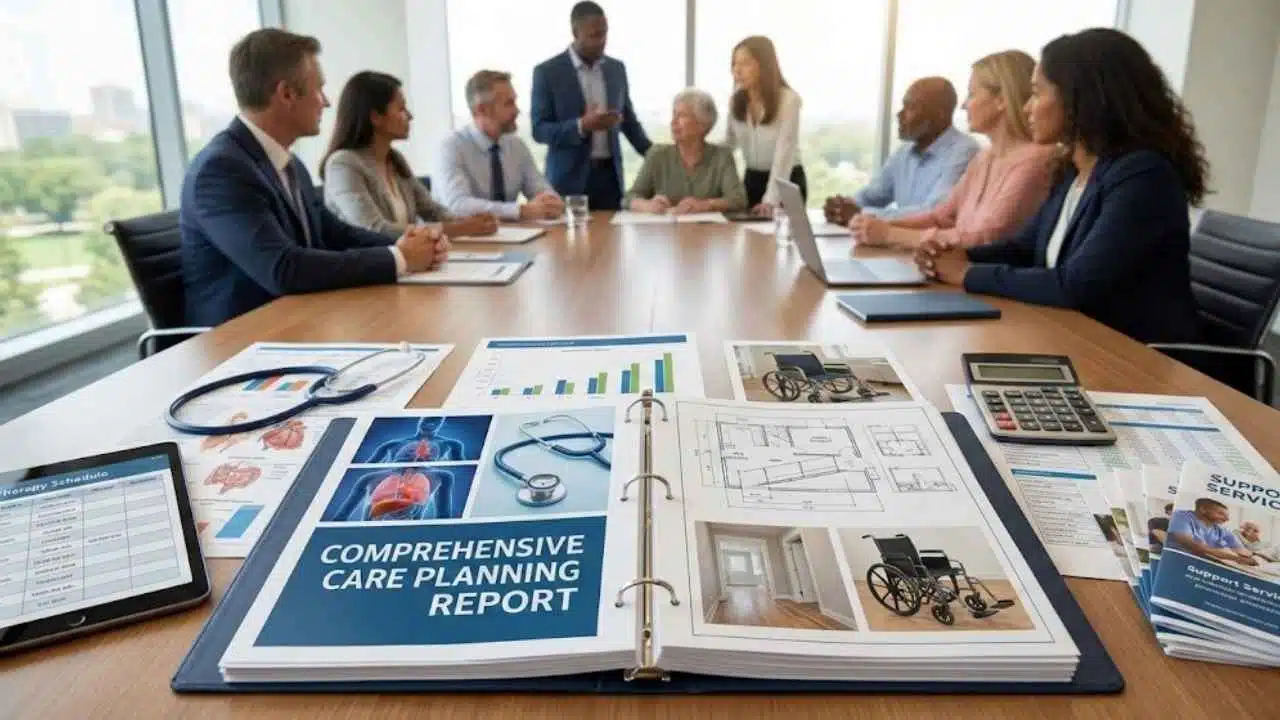
A comprehensive life care planning report is built like a roadmap. It pulls together the medical record, current symptoms, treatment history, and how the injury or condition affects daily tasks, work, and independence. The best reports also look ahead with a practical lens, outlining what care may be needed next month, next year, and beyond. That often includes projected therapies, follow-up appointments, medications, possible procedures, home support, and equipment, along with clear reasoning for why each item matters.
A life care planner in New York ties these pieces of information into a single, well-organized document that is easy to follow and hard to poke holes in. The goal is to show a complete picture of future needs, with timelines and cost projections that match real-world care patterns. This usually means speaking with care providers, reviewing diagnostic findings, and considering the client’s living situation, goals, and limitations. When the report is thorough and specific, it becomes a reliable tool for planning, negotiation, and long-term decision-making.
Initial Assessment and Evaluation
Physicians conduct a comprehensive assessment of the prospective patient’s health. A baseline is established based on medical records, clinical assessments, and diagnostic findings. Physical, cognitive, and emotional disabilities are taken into consideration. This evaluation helps ensure that the report is tailored to individual needs. This information, when laid out in the form of a systematic report, lays a solid foundation for subsequent suggestions.
Medical and Therapeutic Needs
The largest section of such reports details current and future medical needs. This section includes doctor visits, hospitalizations, medicine, and medical procedures. Information about therapy, such as physical, occupational, or speech therapy, is also included. It outlines the frequency and length of each therapy indicated in the report. Knowing these requirements allows care providers to plan for the best possible outcomes in specific situations.
Assistive Devices and Equipment
Some people need support with daily living, which means they require an assistive device or specific equipment. Assistive devices include wheelchairs, prosthetics, communication aids, and mobility aids. The report specifies all required devices, their life expectancy, maintenance, and replacement schedules. The recommendations also consider existing and expected trends in technology. This helps maintain independence and safety in the long run.
Personal Care and Support Services
Support with daily tasks goes beyond just healthcare. It includes personal support, such as assistance with bathing, dressing, grooming, and feeding. It specifies the degree of supervision required, whether intermittent or continuous. You may be advised to hire away-from-home care providers, aides, or nursing staff. These recommendations are given based on the individual in question.
Educational and Vocational Support
Educational and vocational planning are critical for children and working-age adults. The report takes into account academic accommodations, specialized instruction, and tutoring. Vocational assessments and job training are also included here. They promote independence and progress, helping maximize individual potential. Continued reviews make sure assistance remains relevant and suitable.
Home and Transportation Modifications
The need for safety and accessibility increases with environmental changes. Home modifications, often including wheelchair ramps, widened doorways, and accessible bathrooms, are outlined in the report. The report also addresses transportation needs, both adaptations to existing vehicles or the need for a special transit service. This is included with a view to increasing mobility and ensuring community inclusion.
Recreational and Social Participation
Comprehensive planning involves much more than medical and practical issues. A major part of quality of life comes from engaging socially and enjoying recreational activities. The report identifies opportunities for community participation, adapted sports, or therapeutic recreation. Such recommendations or ideas for recreation include memberships, club participation, or kits for hobbies. By promoting interaction, it is possible to reduce isolation and improve mental health.
Projected Costs and Financial Planning
A significant component of the report is estimating future costs. For this, expenses associated with medical care, rehabilitation, assistive devices, additional assistance, and modifications are taken into account. The current and future costs are spread over the individual’s expected life span in this section. It is believed that reliable financial projections help families, insurers, and courts with planning and budgeting for long-term care.
Coordination With Healthcare Professionals
To implement a plan effectively, you need to collaborate with various members in the care field. The report recommends that physicians, therapists, care coordinators, and family members communicate regularly. This way, everyone involved is aware of both changes and progress. This collaborative strategy minimizes gaps or problems in care and promotes continuity.
Legal and Ethical Considerations
Ethical principles and relevant legal standards guide the development of a life care plan. Moreover, confidentiality, informed consent, and autonomy must also be respected at all times. Reports comply with the expected standards of professionalism, which require that recommendations be impartial and evidence-based. Attorneys can use such documents as proof for personal injury or disability claims and settlements.
Takeaways
A full life care planning report is a roadmap that shows an individual’s long-term care needs. This structured document incorporates health, social, and financial aspects. This comprehensive framework facilitates decision-making, resource allocation, and advocacy. With this knowledge, families and professionals can be well-prepared for the future, ensuring it is safe, stable, and rewarding.