
Comparative negligence laws in Washington State can be complex, but understanding them is crucial if you’re involved in an accident. In Washington, fault isn’t always clear-cut. Instead, responsibility for an accident is often shared between parties. You may still receive compensation even if you’re partly at fault. But your compensation will decrease according to your share of fault. This aspect of Washington law can impact your case significantly. If you’re dealing with a car accident, you need expert help. The Everett Car Accident Attorney: Voted #1 Murphy Trial Law can guide you through these laws. They will ensure you understand how your fault percentage impacts your claim. Knowledge is power, and knowing these laws helps you navigate your rights in an accident situation. You deserve fair treatment, and understanding these rules is your first step. Stay informed, and be prepared to protect your interests in the aftermath of an accident.
What is Comparative Negligence?
Comparative negligence means that more than one party can be at fault in an accident. Washington follows the rule of pure comparative negligence. You can recover damages even if you’re 99% at fault. Your settlement decreases by your percentage of fault. This rule encourages accountability. Each party must act carefully to avoid harm.
How Comparative Negligence Works
Consider a scenario where you’re found 30% at fault in an accident. If the total damages are $10,000, you receive $7,000. Your fault percentage directly reduces your compensation. This approach promotes fairness. It ensures all parties bear responsibility according to their actions.
Comparison Table: Fault Percentage and Compensation
| Fault Percentage | Compensation Reduction | Potential Compensation (Based on $10,000 total) |
| 0% | 0% | $10,000 |
| 10% | 10% | $9,000 |
| 30% | 30% | $7,000 |
| 50% | 50% | $5,000 |
| 70% | 70% | $3,000 |
| 90% | 90% | $1,000 |
Legal Support and Resources
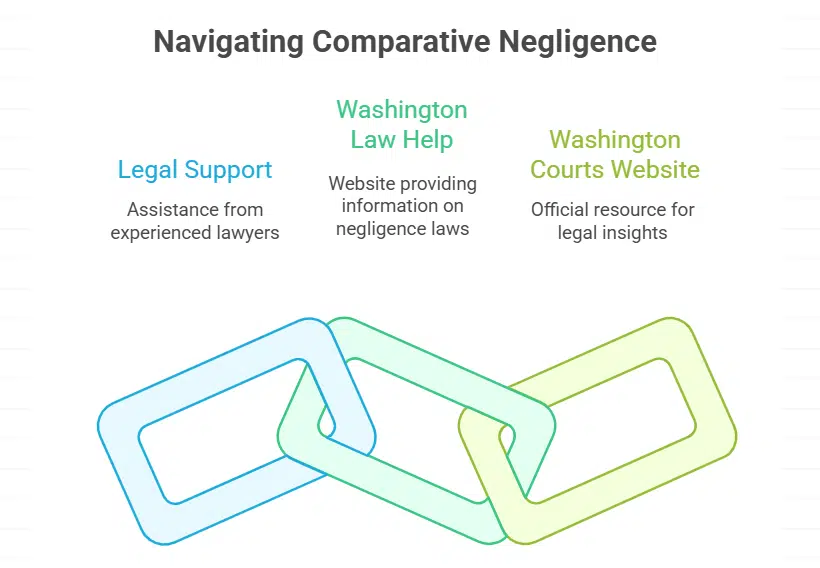
When dealing with comparative negligence, legal support is essential. Experienced lawyers can help. They understand these laws and can represent your interests. For more information on Washington’s negligence laws, visit the Washington Law Help website or the official Washington Courts website. These resources provide valuable insights.
Steps to Take After an Accident
- Document the Scene. Take photos and note details.
- Get Contact Details. Exchange information with all parties involved.
- Seek Medical Attention. Prioritize health and document injuries.
- Contact Authorities. File a report with the police.
- Consult Legal Help. Understand your rights and options.
Conclusion
Understanding comparative negligence laws in Washington State empowers you. It helps you manage your case after an accident. Knowing your rights and responsibilities ensures fair treatment and compensation. Seek help from professionals, like the Everett Car Accident Attorney: Voted #1 Murphy Trial Law. They provide guidance and experience. Your journey to justice begins with informed choices. Be proactive and informed. Protect your rights and interests effectively.