Your shoes do more than just complete your outfit. They serve as the foundation of your body, influencing everything from your posture to your comfort levels during daily activities.
Making the right choice when it comes to footwear isn’t just about style. It’s about protecting your health and ensuring you stay on your feet for the long haul. This post takes you through six essential steps to picking the perfect shoes for your body and lifestyle.
Know Your Arch Type
Your arch type lays the groundwork for choosing the right shoes. There are three main arch types, and each plays a key role in determining how your foot distributes weight:
- Neutral Arch: Your foot strikes a balance, with even weight distribution across the sole. Neutral arches are compatible with most shoes but benefit from moderate support and cushioning.
- High Arch: A pronounced curve in the middle of the foot means additional arch support and softer cushioning can provide relief.
- Flat Arch: Low arches often require motion-control footwear to stabilize the foot and prevent overpronation. When choosing footwear, look for options that provide ample support and structure.
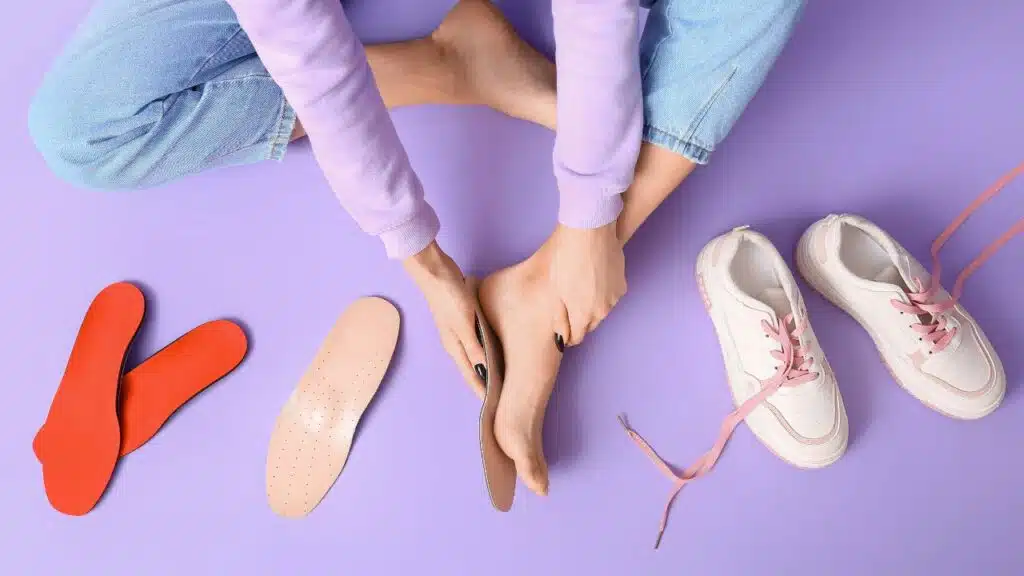
For everyday wear, flat shoes for women can be a practical choice, but ensure they include arch support or consider adding orthotic inserts to maintain proper alignment and comfort.
To determine your arch type, try the wet footprint test. Step on a piece of paper with wet feet and observe the shape of the imprint. Once you know your arch type, you’ll have a solid starting point for picking the right footwear.
Shoe Size and Width

Wearing ill-fitting shoes is more common than you’d think, and it can cause issues such as blisters, bunions, or long-term joint pain. Proper sizing is critical to your overall comfort and health. Here’s how to ensure a perfect fit:
- Measure your feet at the end of the day when they tend to swell slightly. This ensures your shoes will feel comfortable even during long hours of standing or walking.
- Pay attention to both length and width. A snug fit along the sides of your feet can prevent wobbling, but avoid anything that feels tight or restrictive.
- Always try both shoes on, as one foot can be slightly larger than the other. Comfort should be your guide. If they don’t feel right in the shop, they won’t feel better at home.
Choose for Activity
Shoes exist for every purpose, but not all footwear is created equal. The type of shoe you choose should complement the specific activity you’ll be engaging in. Here’s how to align your footwear with your routines:
- Running Shoes: Excellent for absorbing shock and guarding against repetitive impact.
- Walking Shoes: Typically more flexible, with softer midsoles to reduce discomfort in low-impact activities.
- Standing or Working All Day: Shoes with exceptional arch support and cushioning prevent foot and back fatigue over long stretches.
Think about how you’ll use your shoes, and don’t be tempted to buy “one-size-fits-all” options. Shoes suited to your lifestyle will keep you feeling energized and pain-free.
Shoe Weight and Flexibility
It may not seem obvious, but the weight and flexibility of your shoes can make a significant difference, particularly for those who move a lot throughout the day. Heavy, stiff shoes create unnecessary fatigue and can disrupt your natural gait.
Make sure your shoes:
- Feel lightweight to reduce energy expenditure during activity.
- Flex naturally with the movement of your foot, particularly around the ball of the sole.
These aspects promote efficient movement, minimizing strain and helping you stay active for longer.
Durability and Materials
Longevity and breathability are two factors that should not be overlooked. Durable shoes made from high-quality materials will save you money in the long term, while breathable fabrics prevent discomfort from heat and moisture buildup.
When it comes to materials:
- Opt for leather or synthetic uppers for durability.
- Look for breathable fabrics like mesh if you’re prone to sweaty feet.
- Check the sole for a sturdy grip to reduce risks of slips and falls.
Trust Your Body and Test Your Shoes
No matter how good a pair of shoes looks or how highly rated they are, your comfort comes first. Your feet are the best judge, and testing your shoes before making a purchase can save you from regret later.
Here’s how to give shoes a proper trial:
- Walk around the store and observe how the shoes feel at every step. Look out for tightness or pinching.
- Test their flexibility by pressing down on the sole to see how easily it bends.
- Don’t worry too much about trends. Focus on finding a pair that feels like a natural fit for your feet.
Your body often provides instant feedback, so listen to it and prioritize what feels right for you.