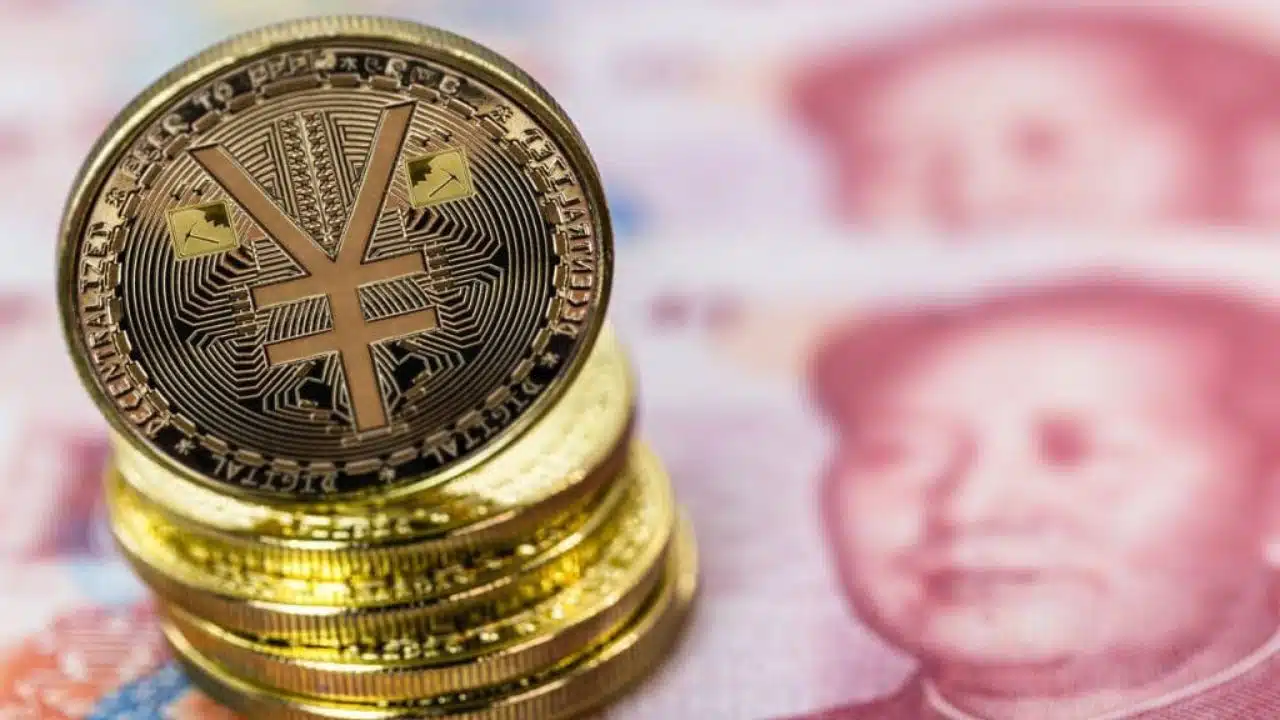
Brazil and China are at the forefront of a bold financial initiative to reduce reliance on the US dollar in BRICS trade, pushing the Chinese yuan as a key alternative for cross-border transactions. This move is part of a broader BRICS strategy to challenge the dominance of the dollar in global commerce and to foster a multipolar financial system, with significant implications for international trade, finance, and geopolitics.
The BRICS Currency Push
The BRICS group—Brazil, Russia, India, China, and South Africa—has long discussed the creation of a new currency or payment system to rival the US dollar, but tangible progress has remained elusive until recently. In 2025, under Brazil’s rotating presidency, the bloc has accelerated its efforts, focusing on practical steps to facilitate trade in local currencies rather than relying on the dollar as an intermediary. The latest development is the adoption of the Chinese yuan as a primary settlement currency for trade between Brazil and China, a move that has been extended to other BRICS members as well.
Brazil-China Yuan Settlement Agreement
Brazil and China formalized their commitment to local currency trade settlements in 2023, with the agreement now fully operational in 2025. Payments for bilateral trade—including major commodity exports like soybeans, iron ore, and oil—are increasingly settled in yuan and Brazilian real, bypassing the US dollar entirely. This shift is expected to lower transaction costs, reduce exposure to dollar volatility, and strengthen economic ties between the two nations.
Brazil’s Secretary of the Ministry of Finance, Tatiana Rosito, emphasized that the new payment mechanism will facilitate higher volumes of trade and reduce US influence in commercial transactions. The move also aligns with Brazil’s broader strategy to diversify its international partnerships and reduce dependence on Western-dominated financial systems.
Expansion of Yuan Usage Across BRICS
The use of the yuan is not limited to Brazil-China trade. China and Russia now conduct nearly all their bilateral trade in yuan and rubles, completely bypassing the dollar. India has begun purchasing Russian oil in rupees, and there are ongoing discussions about using yuan-denominated bonds and other financial instruments to further diversify payment options within the bloc. Indonesia, a recent BRICS member, has announced plans to launch foreign exchange operations centered on the yuan and the Japanese yen, signaling a wider regional shift toward de-dollarization.
BRICS Pay and Alternative Payment Systems
To support these new currency arrangements, BRICS has developed BRICS Pay—a decentralized payment messaging system designed to facilitate transactions in local currencies and bypass traditional Western-dominated networks like SWIFT. The system is currently in pilot stages and is expected to see broader deployment by late 2025, with the potential for expansion into digital currencies and blockchain-based solutions in the future.
BRICS Pay and similar initiatives are seen as crucial for enabling smoother trade and investment flows within the bloc, reducing the need for costly currency conversions and mitigating the risks associated with US financial sanctions.
Implications for Global Trade and Finance
The BRICS push for yuan-based trade and alternative payment systems marks a significant challenge to the US dollar’s role as the world’s primary reserve currency. While the dollar remains dominant—accounting for over 80% of global trade settlements—the yuan’s share in international payments has grown steadily, reaching 3.17% in September 2025, up from 2.93% the previous month. In intra-BRICS trade, the yuan is reportedly used in around 50% of transactions, a dramatic increase from just 2% a few years ago.
This shift is reshaping global trade dynamics, particularly in commodity markets. China’s yuan-denominated soybean transactions with Brazil alone are valued at $80 billion, and the use of local currencies for energy, minerals, and agricultural products is becoming more common across the bloc. The inclusion of new members like Saudi Arabia and Indonesia further strengthens BRICS’ position in global energy and financial markets.
Challenges and Limitations
Despite these advances, the BRICS currency initiative faces several challenges. The dollar’s entrenched position in global finance, the bloc’s internal divisions, and the lack of a unified regulatory framework for cross-border payments remain significant obstacles. The creation of a single BRICS currency or a fully integrated payment system is still a distant prospect, with most efforts focused on bilateral agreements and incremental progress rather than a sweeping overhaul of the international monetary system.
Additionally, the yuan’s rise as a global currency is constrained by China’s capital controls and the limited convertibility of the renminbi. While the yuan is increasingly used in BRICS trade, it remains a minor player in global payments compared to the dollar and euro.
Geopolitical and Economic Impact
The BRICS push for yuan-based trade and alternative payment systems is not just an economic issue—it has profound geopolitical implications. By reducing their dependence on the US dollar, BRICS nations are seeking greater autonomy in international affairs and challenging the dominance of Western financial institutions. This shift could accelerate the emergence of a multipolar world order, where multiple currencies and financial systems coexist and compete for influence.
For the United States, the BRICS initiative represents a potential threat to its economic leverage and the effectiveness of financial sanctions. The expansion of yuan-denominated trade and alternative payment networks could undermine the reach of US monetary policy and reduce the global demand for dollars.
The Future of BRICS Trade
Looking ahead, the BRICS bloc is expected to continue expanding its influence through new trade agreements, economic partnerships, and technological innovations in cross-border payments. The development of BRICS Pay and similar systems could pave the way for a more resilient and diversified global financial system, but the pace and scope of these changes will depend on the bloc’s ability to overcome internal challenges and coordinate its efforts effectively.
The rise of the yuan as a major trade currency within BRICS is a clear sign that the global financial landscape is evolving, with far-reaching consequences for businesses, investors, and policymakers around the world.
This detailed analysis highlights the strategic, economic, and geopolitical dimensions of Brazil and China’s push for the yuan as an alternative to the dollar in BRICS trade, offering a comprehensive overview of the current developments and future prospects for the bloc’s financial ambitions.