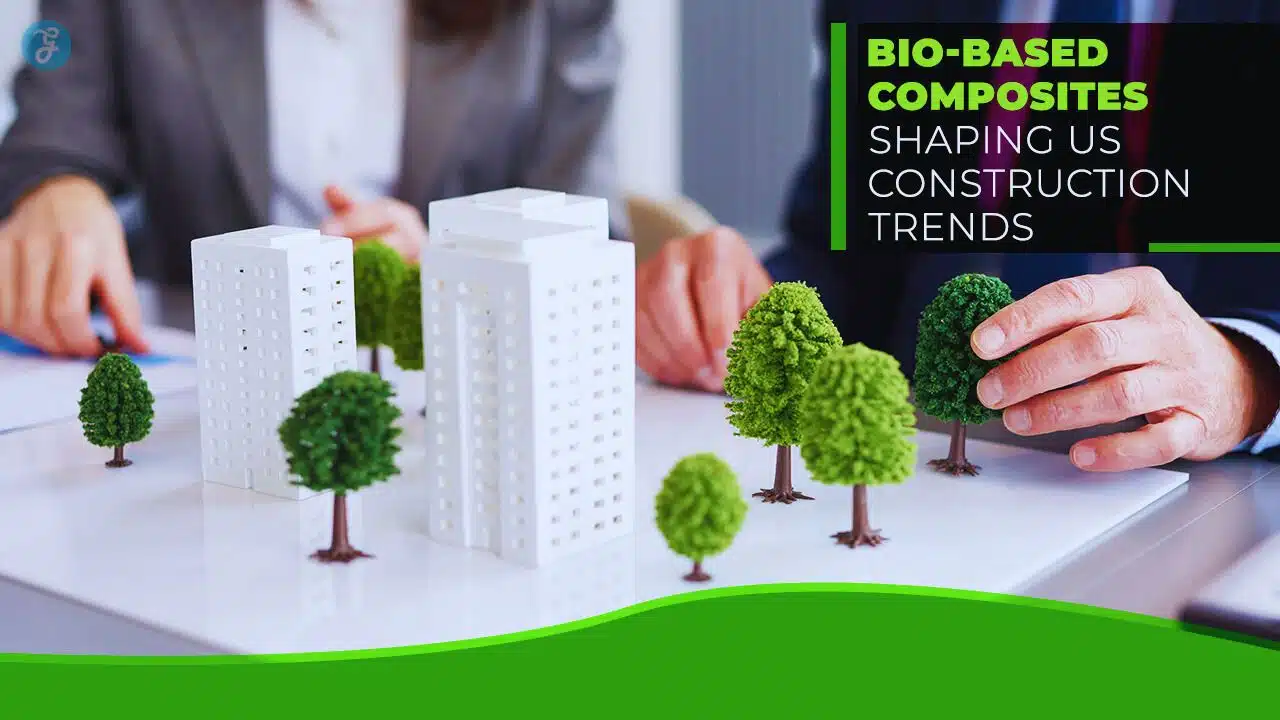
The construction industry faces a big problem. Traditional building materials harm our planet and cost too much money. Builders want better options that work well and protect the environment.
Many companies struggle to find materials that are both strong and green.
Bio-based composites are changing everything. These smart materials come from plants and natural sources. They perform as well as old materials but cause less damage to Earth. The global market for these eco-friendly materials grows by 16.40% each year.
This shows how fast builders are switching to greener options.
This guide shows you ten bio-based composites that are reshaping American construction. You’ll learn how hemp fibers make buildings stronger. We’ll explore how bamboo creates beautiful floors.
You’ll discover how mushroom materials can insulate your home. Each material offers real benefits for your next project.
Get ready to see the future of building.
Key Takeaways
- Bio-based composites market grows 16.40% yearly, reaching $523.75 billion by 2034 as builders switch to sustainable materials.
- Hemp, flax, bamboo, and wood-plastic composites offer lightweight strength while reducing carbon footprints in construction projects.
- Companies like Biohm, Trex, and PaperShell lead innovation in sustainable building materials across America’s construction industry.
- Mycelium and algae-based composites provide natural insulation and carbon-negative facades for eco-friendly building designs nationwide.
- Federal EPA incentives and EU Green Deal regulations drive adoption of biodegradable composites in temporary and permanent structures.
Why choose hemp-based composites for sustainable construction?
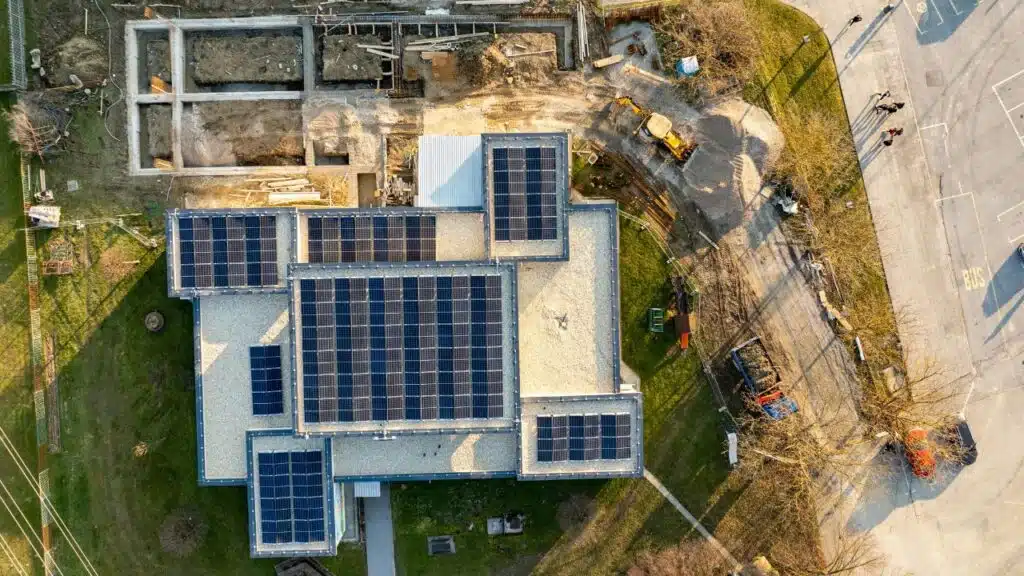
Hemp-based composites are changing how builders think about green construction. These natural fiber materials cut carbon footprints while delivering strong performance. Biohm develops hemp-based insulation and panels that prove sustainability works in real projects.
Companies choose hemp because it grows fast, needs little water, and absorbs carbon dioxide from the air. This creates a circular economy where materials come from renewable resources instead of fossil fuels.
The biomaterials market will reach $523.75 billion by 2034, growing at 11.82% each year.
Hemp composites offer lightweight strength that makes construction easier and faster. Workers can handle these materials without heavy equipment, saving time and money. The EPA supports bio-based composites through federal incentives that help builders choose eco-friendly options.
Raw material costs stay high, and supply chains face limits that slow adoption. Still, hemp-based materials help projects meet green building standards while reducing environmental impact.
These biodegradable composites break down safely at the end of their life, unlike traditional materials that sit in landfills for decades.
How do flax fiber composites benefit lightweight building designs?
Flax fiber composites are changing how builders think about lightweight construction materials. These natural fiber composites weigh much less than traditional materials like steel or concrete.
Porsche proved this works in their 2020 718 Cayman GT4 Clubsport, using flax fibers to cut weight without losing strength. Kia partnered with Bcomp in 2024 to bring this same technology to cars.
Builders now use these biocomposites in walls, panels, and structural parts. The EU Green Deal pushes for these sustainable building practices through EcoDesign rules. Flax composites offer excellent thermal insulation while staying light.
This fiber reinforcement creates strong building materials that resist corrosion and UV damage. Construction teams love how easy these materials are to handle and install.
Strong by Form, a Chilean company, uses Woodflow technology to make lightweight wood-based biocomposites perfect for building design. Their composite technology combines renewable resources with modern engineering.
Flax fiber composites provide flame retardancy and thermal stability that builders need. These ecofriendly construction materials boost building efficiency by reducing the load on foundations.
Datum, an Indian startup, adds nano-additives to their FRP composite systems for better structural performance. Lightweight materials like flax composites cost less to transport and install than heavy alternatives.
Builders can create taller structures with lighter foundations. The building efficiency gains help projects stay on budget while meeting green building standards.
What are the advantages of wood-plastic composites in decking and fencing?
Wood-plastic composites pack a serious punch in the decking and fencing world. These building materials combine the best of both worlds, giving you wood’s natural look with plastic’s tough performance.
Major companies like AZEK Building Products, Fiberon, and Trex have made their mark in this growing market. The U.S. bio-based composites market is set to grow at 8.3% from 2026 to 2033, with outdoor products driving much of this expansion.
Durability stands as the crown jewel of wood-plastic composite advantages. These materials laugh in the face of corrosion, UV rays, and daily wear and tear. Moisture resistance keeps your deck looking fresh year after year, while flame retardancy and thermal stability add extra peace of mind.
Advanced polymer technology has pushed the envelope even further, improving bonding strength and cutting down moisture absorption. The advanced polymer composites market will hit $12,478 million by 2025, growing at 5.9% through 2035.
States like California, Texas, and New York are leading the charge in adopting these innovative materials for their outdoor spaces.
How can recycled paper composites be used in interior design?
Recycled paper composites are making waves in interior design applications. These sustainable materials transform waste paper into strong, lightweight building components. Interior wall panels made from recycled paper composites offer excellent strength while keeping rooms looking fresh.
Decorative features crafted from these eco-friendly materials add visual appeal without harming the environment. Companies like Deakin Bio-Hybrid Materials create innovative tiles such as Fabalith and Cyalith from CO2 and waste materials.
Their compressive strength beats high-strength concrete, making them perfect for interior spaces.
Green building trends push designers toward these recyclable products. Low VOC emissions from paper composites keep indoor air clean and healthy. The circular economy benefits as these materials support disassembly and closed-loop reuse.
Urbanization drives demand for innovative interior materials that meet sustainability goals. Market innovations in eco-packaging and consumer electronics show crossover potential for design applications.
Interior designers now choose these composites to align with ESG trends while creating beautiful, functional spaces.
What makes bamboo-based composites ideal for flooring and paneling?
Bamboo-based composites deliver a high strength-to-weight ratio that makes them perfect for modern flooring and paneling needs. These sustainable materials outperform many traditional options while keeping weight down, which builders love.
Thermal insulation properties help regulate indoor temperatures year-round, cutting energy costs for homeowners. Corrosion resistance means these biocomposites won’t break down from moisture or daily wear.
UV resistance protects surfaces from sun damage, keeping colors bright and materials strong. Companies like PaperShell in Sweden produce natural fiber composites using bamboo as smart alternatives to wood and plastic.
Strong by Form in Chile takes things further with digital fabrication and additive manufacturing to create optimized, lightweight bamboo products.
Flame retardancy and thermal stability make bamboo composites safer choices for interior applications. The global biomaterial composites market shows serious growth potential, projected to hit USD 523.75 billion by 2034.
Advanced manufacturing techniques using automated Industry 4.0 methods boost production efficiency and quality control. Circular composites design allows for smart end-of-life management, making bamboo materials truly eco-friendly from start to finish.
Durability improvements through modern composite manufacturing create flooring that stands up to heavy foot traffic. Environmental impact stays minimal compared to traditional materials, giving builders renewable resources that perform well.
Structural performance meets or beats conventional options while supporting green building goals.
How are soy-based resins applied in structural construction?
Soy-based resins serve as a powerful alternative to traditional petrochemical resins in structural construction. These bio-based materials bring sustainability to the forefront while maintaining the strength builders need.
Trimer Technologies in the US develops low viscosity thermosetting resins that work perfectly for high-volume manufacturing. Their rapid curing variants can handle structural loads with ease.
The global resins and adhesives market grows at an impressive 16.40% CAGR, showing strong demand for these innovative materials.
Structural engineers apply these resins through automated manufacturing processes like robotic fiber placement and resin transfer molding. SpeedPox technology from Austria shows what’s possible with ultra-fast curing systems.
Their resins cure at 120°C in seconds, have over six months shelf life, and remain completely nontoxic. Adjustable cure rates allow cycle times under 60 seconds for structural applications.
These adhesives prevent delamination and degradation in composite materials. Manufacturing processes become more productive and deliver higher quality results. Durability improvements make soy-based resins a smart choice for modern construction projects.
What durability improvements do cellulose nanofiber composites offer?
Cellulose nanofiber composites pack a serious punch in the durability department. These materials incorporate nanoparticles that boost thermal resistance, create self-healing properties, and improve barrier protection.
Companies like CelluXtreme in Sweden produce polymer matrix composites using cellulose-based fibers through microfluidic flow-focusing technology. Their products show remarkable mechanical strength and last much longer than traditional materials.
Advanced polymer composites focus on reducing moisture absorption while increasing impact resistance. This combination extends the lifespan of cellulose nanofiber composites significantly.
Datum in India adds nano-additives to FRP composites for better performance and improved durability. Graphene and other nano-additives further enhance mechanical properties, making these composites tough as nails.
Moisture stays out, impacts bounce off, and the materials keep performing year after year.
How do mycelium composites enhance insulation and soundproofing?
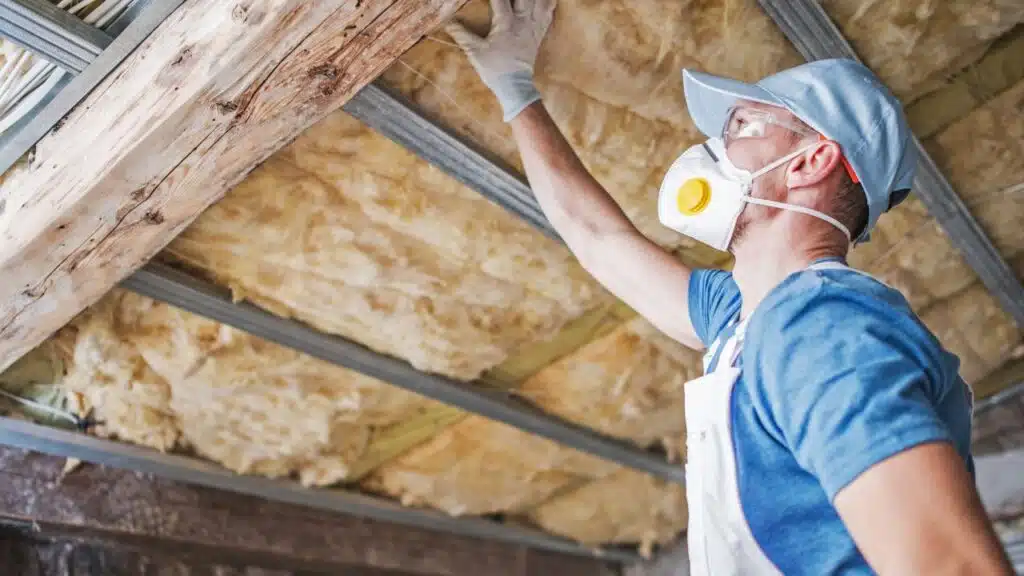
Mycelium composites work like nature’s own building blocks, growing from fungal roots to create powerful insulation materials. These fungal biocomposites harness natural growth patterns to trap air pockets, which makes them excellent at stopping heat transfer.
Buildings stay warmer in winter and cooler in summer with mycelium panels. The EPA supports these sustainable materials through federal incentives because they improve indoor air quality while cutting energy costs.
Digital fabrication and additive manufacturing now make production faster and cheaper than ever before. Flame retardancy comes built into these biodegradable materials, so they meet strict building codes without toxic chemicals.
Sound absorption happens naturally with mycelium’s fibrous structure, which catches sound waves like a soft net. These renewable resources create thick barriers that block noise from traveling between rooms or floors.
Thermal insulation works hand-in-hand with sound dampening to create quiet, comfortable spaces. Green building materials like mycelium fit perfectly into the circular economy because they break down safely after use.
The EU Green Deal and EcoDesign programs promote these eco-friendly insulation options across construction markets. Mycelium-based panels offer builders a smart choice that protects both people and planet while delivering top performance for insulation and soundproofing needs.
What are the uses of biodegradable PLA composites in temporary buildings?
PLA composites are changing how builders create temporary structures. These bio-based materials break down naturally, making them perfect for short-term buildings. Event pavilions use PLA composites because they can be built fast and torn down easily.
Exhibition structures benefit from the lightweight nature of these materials. Modular shelters made from PLA composites help during disasters or emergencies. The EU Green Deal supports these biodegradable materials for sustainable construction projects.
Additive manufacturing makes PLA composite parts quickly and cheaply. Builders can customize each piece for specific needs. Chemical recycling turns old PLA composites into new materials through thermolysis.
This creates a closed-loop system that cuts waste. Federal grants and tax incentives help American builders choose these eco-friendly options. Landfill regulations push construction companies toward biodegradable solutions.
Smart bio-based innovations add strength to PLA composites while keeping their green benefits. These materials slash carbon footprints compared to traditional building supplies.
How do algae-based composites contribute to eco-friendly facades?
Algae-based composites are changing how builders create green building exteriors. These materials pull carbon dioxide from the air, making them perfect for eco-friendly facades. Eve Reverse in the Netherlands makes carbon-negative composites from natural fibers and plant-based polymers.
Their products store more CO2 than they release during production. This process helps fight climate change while creating strong building materials. The biomaterial-based composites market will reach USD 523.75 billion by 2034, showing huge growth in this field.
These algae materials work well in the circular economy model. Companies can recycle them and use closed-loop manufacturing processes. Algae composites resist heat and UV rays, which makes them great for outdoor use on building walls.
Environmental regulations and ESG trends push more builders to choose these sustainable options. The U.S. government supports bio-based facade materials through EPA programs and Biden administration policies.
Smart companies align with these new rules to gain an edge in the facade market. This shift creates better buildings while protecting our planet.
What benefits do cork composites provide for flooring and insulation?
Cork composites deliver lightweight strength and resilience for modern flooring applications. These biodegradable materials offer natural thermal properties that keep homes comfortable year-round.
Acoustic properties in cork-based flooring reduce noise between floors and rooms. Homeowners love how these renewable resources create quiet, warm living spaces. PaperShell from Sweden produces durable, hydrophobic natural fiber composites that include cork alternatives for residential and commercial projects.
Advanced manufacturing techniques use automated Industry 4.0 methods to make cork composite production more efficient and cost-effective.
Sustainability drives the growing demand for cork composite materials in construction projects. The U.S. bio-based composites market grows at 8.3% yearly from 2026 to 2033, with flooring and insulation leading this expansion.
Cork composites align perfectly with eco-friendly flooring trends that builders and architects want. These composite materials provide health and safety benefits in interior environments where families spend most of their time.
Lightweight construction becomes easier with cork’s natural strength-to-weight ratio. Builders can install these renewable building products faster than traditional materials, saving time and labor costs on job sites.
Takeaways
Bio-based composites are changing how America builds. These sustainable materials offer builders new ways to create strong, eco-friendly structures. From hemp fibers to mushroom insulation, nature provides amazing building solutions.
Construction companies now have green options that work just as well as traditional materials. Smart builders who adopt these biocomposites today will lead tomorrow’s construction trends.
FAQs
1. What are bio-based composites in construction?
Bio-based composites are building materials made from natural fibers and plant-based resins. They’re like nature’s answer to traditional construction materials, combining strength with sustainability.
2. Why are these materials gaining traction in US construction?
Builders are jumping on the green bandwagon because these composites cut carbon footprints while delivering solid performance. They’re also lighter than steel and concrete, making construction faster and cheaper.
3. How do bio-based composites compare to traditional building materials?
These green alternatives often match or beat conventional materials in strength and durability. Plus, they’re renewable, which means we’re not depleting the earth’s resources every time we build something new.
4. What construction applications work best with bio-based composites?
You’ll find them in decking, siding, insulation panels, and structural beams. Smart contractors are using them for everything from residential homes to commercial buildings, and the results speak for themselves.