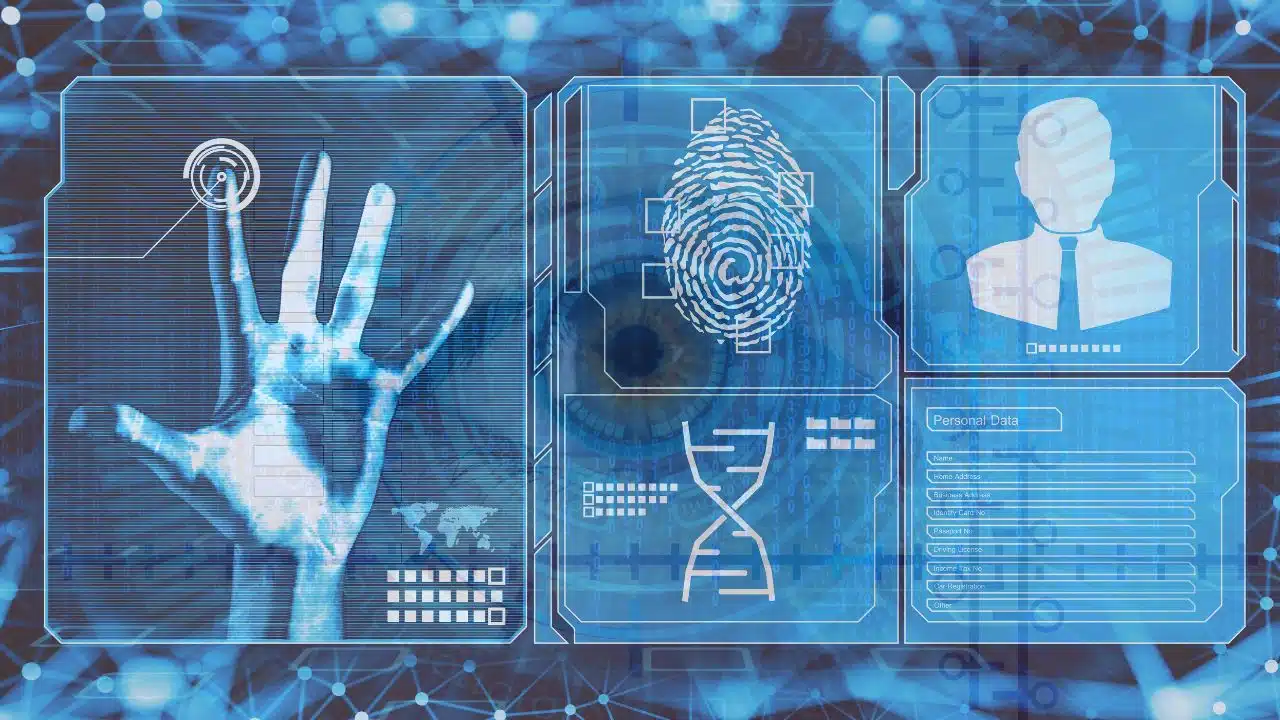
In today’s digital-first economy, fraud is evolving faster than ever. Traditional defenses like passwords, PINs, and even physical biometrics (fingerprints or facial recognition) are no longer enough to stay ahead of increasingly sophisticated attacks. As cybercriminals exploit stolen credentials, social engineering, and automated bot networks, businesses need stronger, more adaptive defenses that don’t frustrate genuine customers.
That’s where behavioral biometrics comes in.
What Makes Behavioral Biometrics Different?

Unlike static identifiers, behavioral biometrics analyzes how users interact with devices and systems from keystroke dynamics and swipe patterns to mouse movements and even walking gait. These unique behavioral signatures are nearly impossible to replicate, providing an invisible layer of protection that continuously verifies identity throughout a digital session.
Instead of waiting until fraud happens, behavioral biometrics proactively detects anomalies in real time. This means businesses can distinguish a legitimate customer from a fraudster, even if stolen login credentials are used.
To better understand the concept, here’s a detailed guide on what is behavioral biometrics and how it transforms fraud prevention strategies.
Why It Matters for Financial Services and Beyond
Financial institutions, fintech companies, and digital marketplaces face mounting pressure:
- Rising Account Takeover (ATO) Attacks – Fraudsters increasingly rely on phishing and malware to bypass traditional authentication.
- First-Party Fraud – Customers themselves may commit fraud by disputing legitimate charges or exploiting refund policies.
- High Customer Expectations – Too much friction in authentication leads to cart abandonment and churn.
Behavioral biometrics addresses all three challenges by enabling passive, continuous authentication. Legitimate customers enjoy a seamless experience, while suspicious activity triggers additional safeguards only when needed.
How Businesses Benefit
- Fewer False Positives – Reducing costly manual reviews and unnecessary customer friction.
- Adaptive Security – Adjusting authentication based on risk level, not one-size-fits-all rules.
- Cross-Industry Use Cases – From healthcare patient portals to e-commerce marketplaces, behavioral biometrics strengthens trust wherever sensitive transactions occur.
A Silent Superpower in Fraud Prevention
The real beauty of behavioral biometrics is that it works silently in the background. Customers don’t need to do anything extra; their natural device interactions authenticate them. This frictionless approach builds trust, cuts fraud losses, and ensures compliance with evolving global security standards.
As fraud evolves, leaders in the space are turning to Sardine to better understand what is behavioral biometrics and how this silent superpower can protect digital ecosystems from advanced threats.