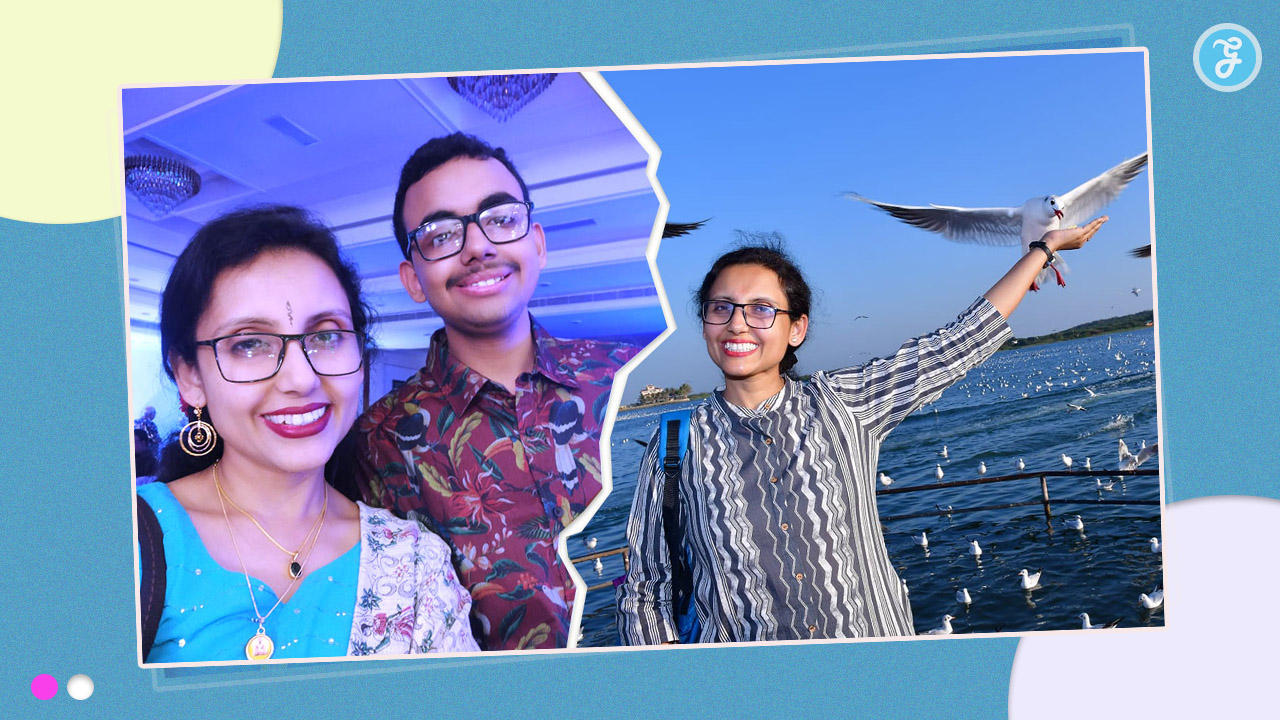
The story of Dr Aditi Bandyopadhyay is, at its heart, a dual narrative of a mother and her son, Ishan. This Autism Success Story began long before it became a personal reality, yet every professional milestone Aditi achieved was eventually redirected to serve one purpose: understanding the world Ishan inhabits.
While Aditi began as a student of science, it was her son Ishan who transformed her into a student of the human spirit. Today, as a renowned physician and the founder of the SAMYA Foundation, her work is a testament to the lessons she learned from her son, who remains her chief mentor and the silent force behind her global advocacy for neurodiversity.
The year 2003 served as a defining chapter for Aditi. She was then a final year MBBS student at Calcutta National Medical College. Her days were a blur of clinical rotations and dense medical textbooks. At that stage of her career, autism was merely a term in a psychiatry manual. It was a clinical definition devoid of a human face. Life had a unique way of introducing her to this complex condition through her professor, whose son had classical autism. This professor had established a parent support group named Atma Pratyay. Through this connection, Aditi saw the reality of the disorder for the first time.
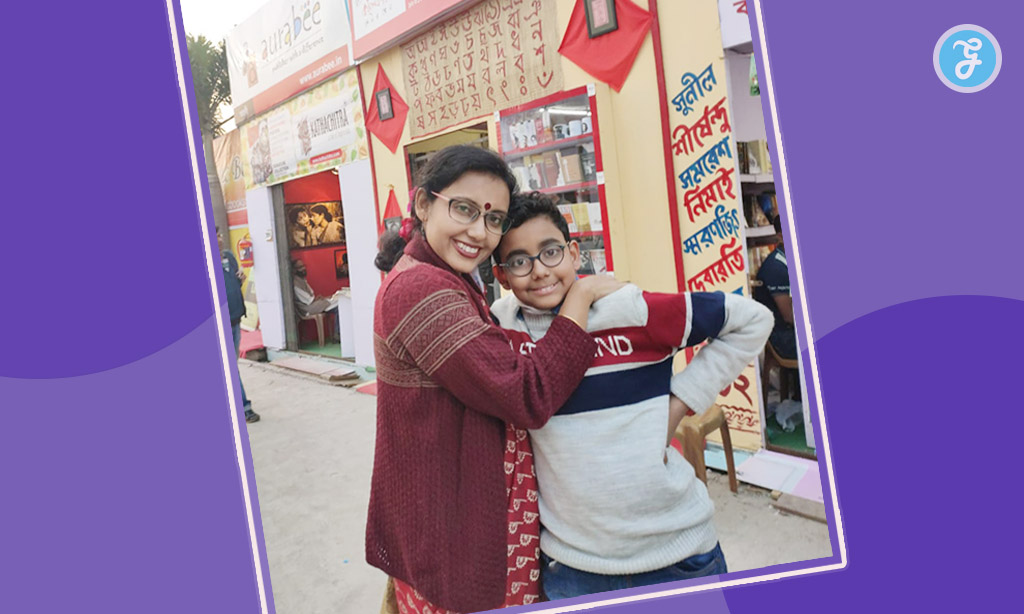
Aditi was not just a medical student. She was also a dedicated Odissi dancer. She possessed a deep passion for the rhythmic grace of Indian classical arts. She believed that movement could reach the soul where words often failed. During this period, she decided to merge her two worlds. She planned a stage production featuring neurodivergent children. She worked tirelessly with her young performers. Among them were children with Down syndrome and microcephaly. The results were heartening as they responded to the music and moved with the rhythm.
But there was a glaring silence in her production. Aditi could not reach a single child on the autism spectrum. Despite her medical knowledge and her creative efforts, the barrier remained firm. The children with autism stayed in their own worlds. They did not respond to the traditional dance cues. For a young woman used to solving problems through study, this was a significant blow. It was her first real stumble. She had the science of medicine and the art of dance, yet she lacked the key to this particular door.
She did not know then that she was destined to live this mystery. She was unaware that she would one day move to Missouri to train at the Thompson Center for Autism. She could not foresee that she would return to India to found the SAMYA Foundation. In 2003, she was simply a student facing a mystery. She was standing at the threshold of a life that would eventually be reshaped by Ishan and the rhythm of resilience.
Transitions of the Heart and Science
The journey of a mother often begins with a dream for her child. For Aditi, it began with a profound shift in geography and destiny. Between 2007 and 2011, her life in Missouri became a masterclass in observation. This period would eventually define her as a pioneer in her field and remains a central pillar of this Autism Success Story.
Clinical Shadows in Missouri
Aditi moved to the United States in 2007 through marriage. She spent her days in Columbia, Missouri, as an observer at the Thompson Center for Autism. Under the guidance of expert developmental pediatricians, she received hands-on training in identifying the subtle markers of neurodivergence. She did not realise that these clinical observations were about to hit home with a force she never expected.
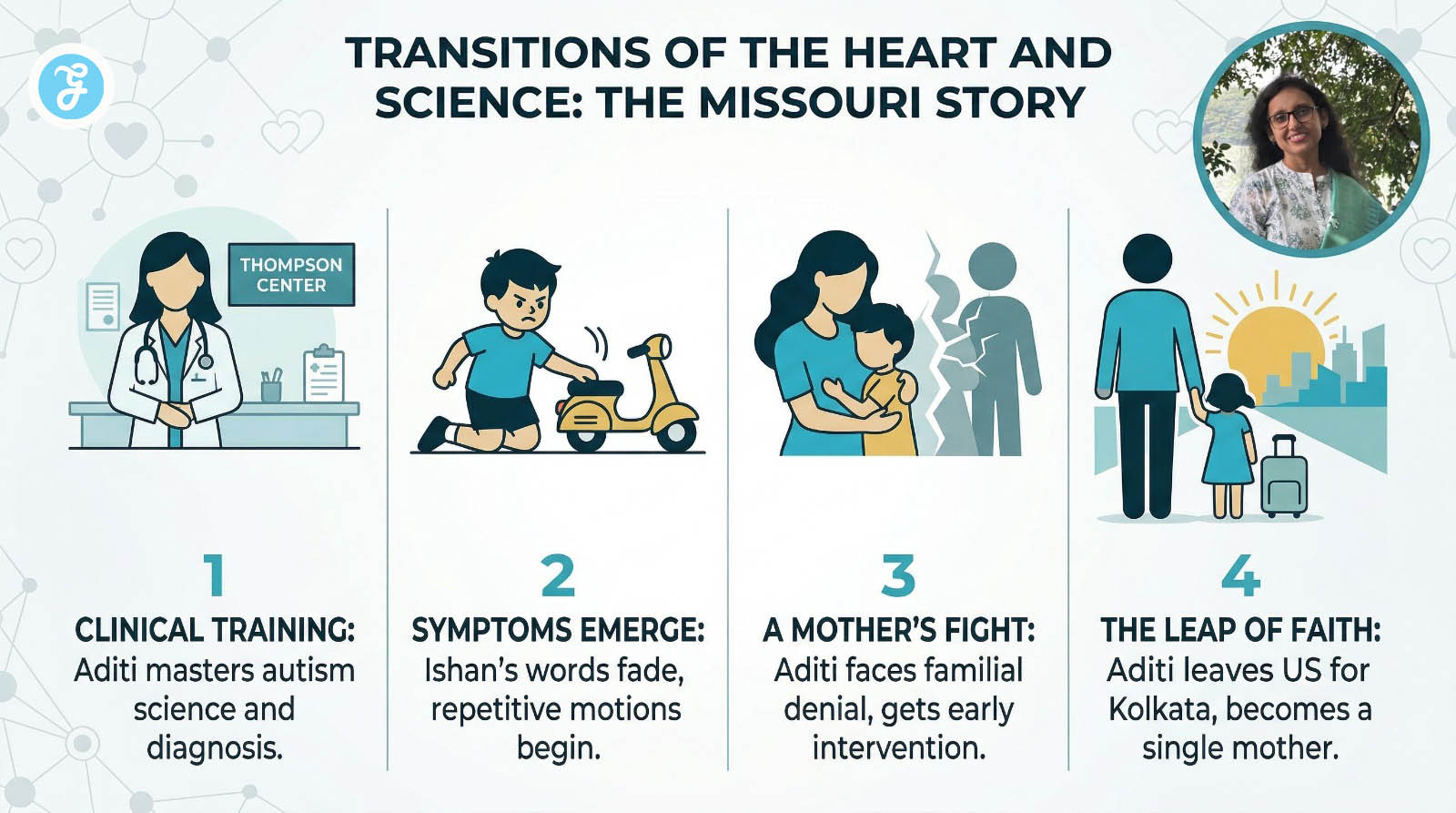
Ishan was born in 2008. Initially, he seemed to be meeting his milestones. He even started speaking early. However, a quiet shift occurred when he reached 14 months. The words began to fade away. Aditi would return from her research at the Thompson Center and pick up Ishan from day care. The contrast was startling. The symptoms she documented in patients by day were appearing in her son by night.
Ishan became oblivious to his surroundings. He lived in his own world of repetitive motions. A toy scooter was no longer for riding. Instead, he would turn it upside down to roll the wheels with his hands, watching their motion with intense focus. Even physical affection felt different. When held, Ishan would struggle like a wiggly worm, fighting against the clutches of loving hands. Aditi began to question if her professional immersion was making her oversensitive, but the mother in her knew the truth.
A Choice for Survival
The clinical mirror was impossible to ignore. Aditi sought help from the First Steps Programme in Missouri. Experts confirmed the diagnosis of speech and developmental delay. However, the domestic front was fracturing. Aditi faced deep denial regarding Ishan from his father and paternal grandmother.
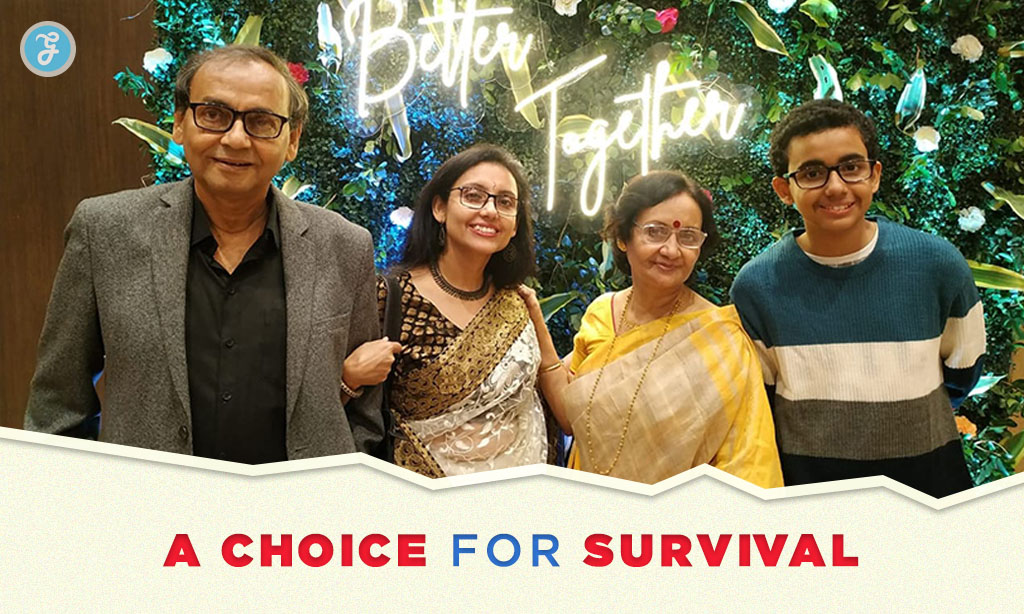
The family structure began to collapse under the weight of this denial. Aditi was a physician who understood the science of early intervention and a mother who needed a supportive environment to help her son thrive. In 2011, Aditi made a life altering decision. She left her life in the US behind and returned to Kolkata to live with her parents Indrani & Asok. She chose the path of a single mother to ensure her son had a fighting chance at a meaningful life. It was a leap of faith that would eventually change the lives of hundreds of other families.
Where Science Meets Soul
Returning to Kolkata in 2011 was a homecoming born of necessity. Aditi arrived with Ishan and a suitcase full of clinical notes. She had no job and no clear roadmap. But she had the unwavering support of her parents. They became the silent pillars of this Autism Success Story. Together, they created a cocoon of stability for Ishan. They attended every workshop and training session alongside Aditi. Their home became a laboratory of love and learning.
The Pursuit of Neurophysiology
Aditi knew that intuition was not enough. She needed to back her maternal instincts with rigorous clinical data. She returned to her academic roots at the West Bengal University of Health Sciences. There, she pursued her MD in Physiology. Her research focused on the neurophysiology of autism. She wanted to understand the biological hardware behind the behavioural software.
She spent her nights studying the brain’s electrical pathways. She looked for the scientific reasons why neurodivergent children processed sensory input differently. This was not just an academic exercise. Every paper she read and every experiment she conducted was a search for a key. She was looking for a way to unlock the world for Ishan and others like him. Her work at this stage established her as a voice of authority in medical physiology.
Cracking the Enigma of 2003
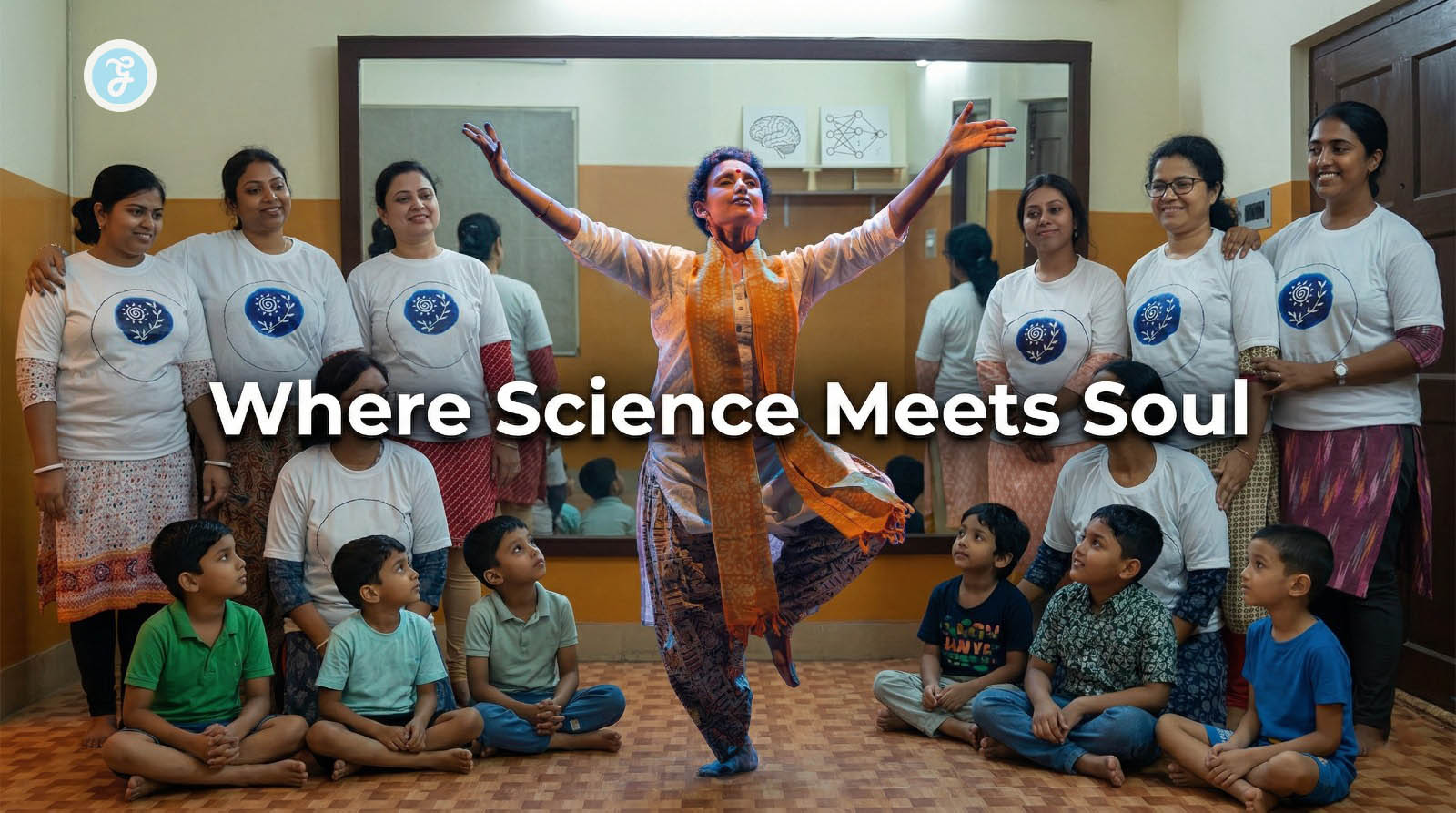
The “Question Mark” from her student days still haunted her. She remembered the children who would not dance. She realised that traditional dance was too rigid for the autistic mind. It demanded a level of imitation that was often a barrier. Aditi began to refine her approach, drawing on her initial autism intervention training at the Thompson Center for Autism in Missouri. She merged this foundation with her deep knowledge of clinical physiology, expertise that led her to become a Medical Faculty member for the collaborative Dance and Movement Therapy programme at the Tata Institute of Social Sciences (TISS), where the SAMYA model is now taught as a core module.
The result was the SAMYA model of Dance and Movement Therapy. This was the breakthrough she had sought for nearly a decade. Unlike traditional dance, this model used rhythm to stimulate the nervous system directly. It bypassed the need for complex verbal instructions by focusing on the primitive power of movement. For the first time, she saw children on the spectrum engage with the music. They were no longer just observers. They were participants.
The Birth of SAMYA Foundation
In 2017, Aditi took a giant leap. She established the SAMYA Foundation as a non-profit charitable trust. She wanted to ensure that these interventions were accessible to everyone. The foundation started as a small initiative to provide clinical services. It quickly grew into a community hub. Today, it caters to over 250 children with various developmental challenges.
SAMYA is more than a clinic. It is a space where families find the support Aditi once lacked in Missouri. The foundation runs free community health clinics and parent training programmes. It has even collaborated with Jadavpur University to offer a Six-Month Certificate Course in this field. Aditi has successfully turned her personal struggle into a public service. She proved that when science meets soul, the impossible becomes achievable. This resurrection in Kolkata laid the groundwork for a movement that continues to grow.
Beyond the Savant: Challenging the Genius Myth
Popular media often paints a glittering picture of neurodiversity. Shows like The Good Doctor or Atypical suggest that every person on the spectrum possesses a hidden, superhuman talent. This narrative suggests that autism is synonymous with being a mathematical savant or a coding prodigy. Dr Aditi Bandyopadhyay views this trend with a critical, clinical eye. As a medical faculty member, she understands that these “larger than life” portrayals can be damaging. They set impossible standards for families already navigating significant daily hurdles. This part of our Autism Success Story is about reclaiming the right to be ordinary.
The Lecture Theatre Incident
One afternoon, Aditi had to take Ishan to the medical college where she teaches. His school was closed. He sat quietly among her first-year medical students while she delivered her lecture. During a brief break, Ishan struck up a conversation with the students. He began talking about numbers. He has a deep, natural affinity for them. When Aditi returned, the students were visibly impressed. They asked if Ishan was a genius because of his focus on numerical patterns.
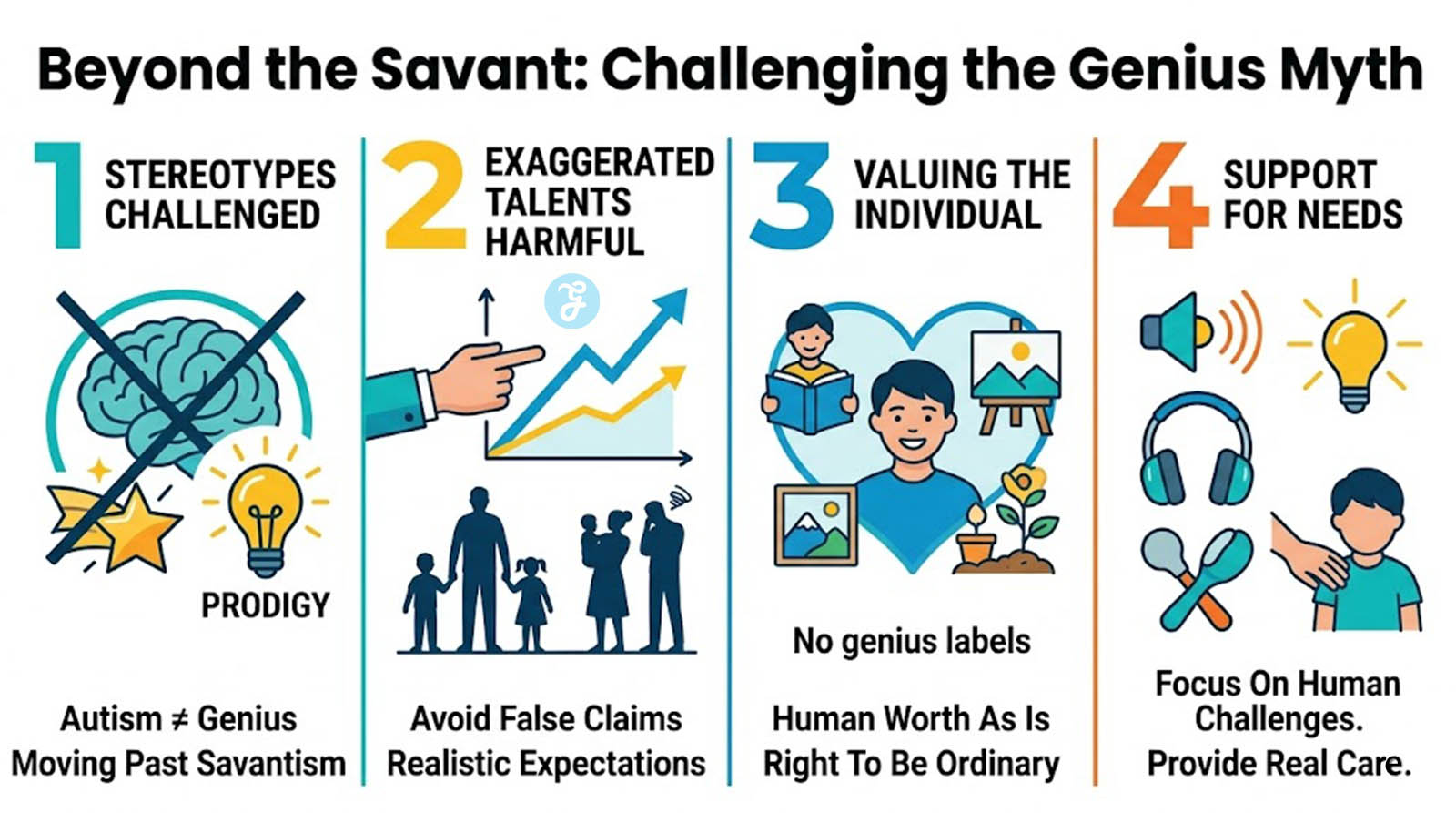
Aditi responded with characteristic candour. She explained that Ishan was on the spectrum. She told them that his love for numbers was a personal passion, not necessarily a sign of being a savant. The students were surprised. Despite their medical curriculum, they had fallen into the trap of Hollywood stereotypes. They assumed that an autistic individual must be a genius to be noteworthy. Aditi corrected this misconception immediately. She reminded them that being on the spectrum does not mandate being a prodigy.
The Danger of Miracles
Aditi often sees parents on social media projecting their children as overnight miracles. Some claims suggest children have suddenly started writing complex novels or poetry without prior support. She treats these stories with a healthy dose of professional doubt. She knows many of these children closely. She observes that some parents use “flowery words” to interpret random strings of text. They join lines to create abstract poems that may not reflect the child’s true intent.
She believes this is often a psychological coping mechanism for parents. It stems from internal grief or a desire to see their child “bloom” in a way society values. However, these soaring expectations can frustrate other families. They might wonder why their own child hasn’t experienced a similar “miracle” despite receiving the same interventions. Aditi argues that every individual is unique. A person does not need to be a genius to be respected. Focusing only on “weird talents” ignores the underlying challenges that require medical and social support.
Respecting Atypicality
The real message Aditi champions is the respect for atypicality. She notes that neurotypical people are not all geniuses. Therefore, we should not expect every neurodivergent person to be one either. Autistic individuals may have specific skills. But they also face anxieties and sensory challenges that can be overwhelming. A child might love numbers but scream in pain when a cracker bursts nearby.
True acceptance means respecting the person behind the diagnosis. It means providing a secured environment for those prone to seizures or sensory overload. We must move away from the “genius” trope to see the human being. Ishan is a successful young man because he has been allowed to be himself. He is not a Netflix character. He is a person who lives in a world of logical interpretations and electrical circuits. By debunking the myth, Aditi paves the way for a society that values neurodiversity for its humanity, not its entertainment value.
Ishan: The Chief Mentor
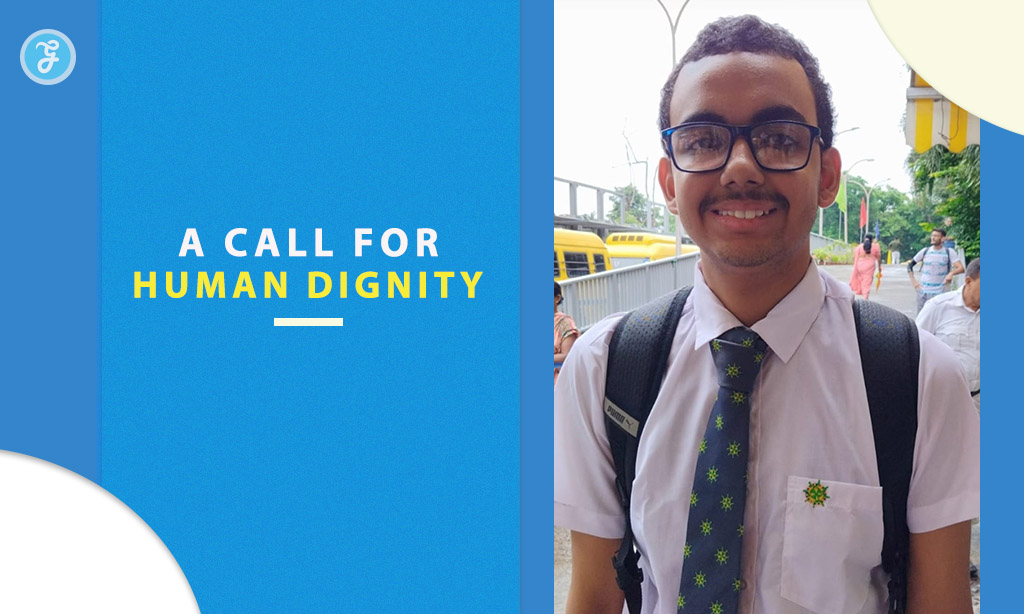
The true measure of an Autism Success Story is not found in clinical papers or medical degrees. It is found in the daily life of the individual at the centre of the journey. For Aditi, her son Ishan has always been more than a child requiring care. He is her chief mentor. Now 18 years old, Ishan stands as a symbol of what is possible when support meets perseverance. His life in 2026 is a quiet victory over the silence that once threatened to define his early years.
Milestones of Courage
Ishan’s academic journey has been nothing short of remarkable. He successfully completed his CBSE secondary level examinations with a commendable 74.4 percent. This was not merely a number on a marksheet. He was awarded the The Telegraph In School Courage Certificate for his tenacity. He secured more than 80 percent in three subjects, proving that neurodivergent students can excel in mainstream academic structures. Today, he continues his education by studying Humanities in Class XI at South City International School in Kolkata.
His talents extend far beyond the classroom. Ishan is a gifted artist whose work has gained professional recognition. His paintings have been exhibited and sold at prestigious venues. These include the India Habitat Centre, Victoria Memorial Hall, and Gallery Gold. Through his art, he communicates a depth of perspective that often leaves viewers moved. Music has also become a sanctuary for him. He plays the Tabla with skill and has recently discovered a natural talent for the keyboard. In fact, he secured the highest marks in his school for music as a subject in the CBSE board.
A World of Logical Wonder
Ishan inhabits a world of deep thought and logical inquiry. He is a young man who asks profound questions about existence and faith. He often wonders aloud if God has a personal close circuit television system to observe everyone. He questions why he cannot hear God’s voice when he knows his prayers are being answered. He is channelling his anxieties and interests into complex structures. He uses the logic of electrical circuits to understand how a house is built.
His advocacy is as authentic as his art. He was the youngest self-advocate at a conference in TISS, Mumbai, titled Rethinking Autism. His statements there created a wave of enthusiasm among the audience. Ishan does not perform for the world. He simply exists with a unique, honest clarity. He does not like the noise of eating out in crowded restaurants. Instead, he finds joy in the familiar and the tranquil.
The bond between Aditi and Ishan is built on simple, quiet moments. One of his greatest joys is playing melodious tunes on his keyboard. He does not ask for much. He simply wants his mother to sit next to him while he plays. This request for presence over praise is a hallmark of their relationship. They share a love for long walks together through the streets of Kolkata. These walks are a time of connection and mutual peace.
Ishan has transformed Aditi’s life from a career in medicine to a mission of the heart. He taught her that communication is not always about spoken words. It is about being seen and understood. He remains the guiding force behind every initiative at the SAMYA Foundation. In the quiet space where he plays his music and she sits by his side, the true essence of resilience is found. Their shared rhythm is the most beautiful part of this journey.
A Global Rhythm of Acceptance
Every year on 2 April, the world turns its attention to the neurodivergent community. World Autism Awareness Day is an official United Nations observance. It serves as a global call to improve the quality of life for those on the spectrum. This initiative fosters a society where individuals can lead full and meaningful lives. It moves beyond simple awareness toward genuine support and integration. For Aditi and Ishan, this day is not just a date on a calendar. It is a reflection of a journey that has spanned over two decades. It is a moment to celebrate the progress made and the work that remains.
From Individual Care to Academic Legacy
The impact of the SAMYA Foundation has reached a significant milestone in 2026. What began as a mother’s search for answers has transformed into a formal academic discipline. The SAMYA model of Dance and Movement Therapy is now more than a local intervention. It has been upgraded to a Postgraduate Diploma programme. This course is offered in collaboration with the Department of Education at Jadavpur University.
This academic evolution is a game changer for the field of special needs. It provides empowerment and employment opportunities to those interested in neurodiversity. It ensures that the rhythmic interventions Aditi developed are backed by scholarly rigour. This legacy means that future generations of therapists will have the tools to reach children who were once considered unreachable. The foundation also continues its PEERS programme for social communication. This helps teenagers like Ishan prepare for the complexities of adulthood and the workplace.
A Call for Human Dignity
As we observe World Autism Day 2026, the narrative must shift. Society should stop searching for the next savant or the hidden genius. We must move away from the pressure of “miracles” that only serve to frustrate families. Every neurodivergent individual deserves respect for their humanity alone. They do not need to possess a superhuman skill to be worthy of a place in our communities. Acceptance means understanding that a person can be both talented and challenged simultaneously.
Ishan’s life is a testament to this balanced reality. He is an artist, a musician, and a high achieving student. He is also a young man who struggles with sensory overload and social abstractness. One aspect does not invalidate the other. By respecting this atypicality, we create a world that is truly inclusive. We stop looking for exceptions and start valuing the person.
The rhythm of resilience is a shared melody. It is found in the clinical halls of medical colleges and the quiet living rooms where a son plays the keyboard for his mother. It is found in the academic corridors of Jadavpur University and the long walks through Kolkata. Dr Aditi Bandyopadhyay and Ishan have reimagined what it means to live with autism. They have shown that a diagnosis is not an end. It is the beginning of a different, beautiful, and deeply human story. This Autism Success Story belongs to everyone who chooses empathy over stereotypes and acceptance over mere awareness.
Frequently Asked Questions
What are the legal rights for autistic students in Indian higher education? Under the RPwD Act 2016 and National Trust Act 1999, students receive a 5% reservation in government aided institutions. They are also entitled to “scribes,” extra examination time, and an “Individualised Support Plan” to ensure equal campus access.
Can Dance and Movement Therapy (DMT) replace traditional Occupational Therapy? DMT is a complementary intervention. While Occupational Therapy builds fine motor and daily living skills, the SAMYA model of DMT targets emotional expression and sensory integration. Using both together provides a more holistic support system.
What is the “Double Empathy Problem” in autism advocacy? This concept argues that communication breakdowns are a “two way street.” It suggests that neurotypical society has as much responsibility to adapt as the autistic individual. 2026 advocacy focuses on mutual understanding rather than fixing a “deficit.”
How does the SAMYA model use “Sensory Co-regulation” for parents? The foundation trains caregivers to manage their own nervous systems through rhythmic breathing. A calm, regulated parent acts as a biological anchor, which naturally helps reduce anxiety and meltdowns in the child.
Are there specific dietary protocols recommended for autism in 2026? While secondary to therapy, medical trends emphasize the gut brain axis. A diet low in ultra processed foods and high in anti inflammatory nutrients is often recommended to support better focus and neurological health.
What is the “Age Out” transition plan for young adults in India? The “Age Out” is the shift from school to adulthood. The SAMYA Foundation bridges this gap through Academic Livelihood Programmes in collaboration with the Ramakrishna Mission, focusing on computer literacy and workplace readiness.
Disclaimer: All images of Ishan are used with the gracious permission of Dr Aditi Bandyopadhyay and are protected by copyright.