
Turning raw research into something people will read and enjoy is a skill worth learning. It’s like bringing all your ideas, findings, and sources together in a clear and meaningful way.
Many people have researched, but it’s how you shape and write it that makes a real difference. With the help of the right tools and mindset, writing an academic paper can feel less stressful and more productive.
Let’s take a simple approach to understand how to go from research notes to a proper paper that’s well-written, clear, and useful for your readers.
Start With a Solid Base
Every strong academic paper begins with a solid structure. Before writing, take a few minutes to figure out what your paper needs to say. What is your main point? What do you want the reader to understand or learn by the end of it?
If you’re working on a college essay, thesis, literature review, or even a simple research report, this early step is what makes everything easier later. Write down your key points, divide them into sections, and try to keep a balance between facts and explanation.
That’s how readers will stay with you from start to finish.
Let AI Tools Do the Heavy Lifting
These days, you don’t have to do every single thing by hand. Smart tools are available that help you save time and stay on track. One of the helpful features students now enjoy is an essay generator that can assist in turning their raw notes or research inputs into structured drafts.
These tools don’t just write for you; they help you plan the layout, organize your thoughts, fix grammar issues, and even check your citations. Some of them come with built-in support for referencing formats like APA, MLA, and Chicago. That saves you from searching manually for every tiny formatting detail.
Plus, some systems now let you access real academic sources. That means you’re not just adding random links or fake citations, you’re backing up your ideas with trusted material. That’s a big win for students who want their papers to be meaningful and trustworthy.
Break Down Your Ideas Into Clear Sections
Now, let’s talk about how to write the thing. After you’ve decided on your main idea and used the right tool to help you sketch out a structure, the next step is to break your content into simple sections.
Title and Introduction
Start with a headline that gives a clear idea about the topic. Avoid long or confusing titles. Then, in the introduction, don’t worry about trying to sound too smart. Just explain your purpose. Use everyday words and imagine you’re talking to a friend who has no idea what your topic is. Keep it real, short, and clear.
Main Body of the Paper
Split the content into 2–4 sections depending on the length. Use subheadings and explain one point at a time. Add real examples or reference data to support your points. If your tool already provided verified sources, that’s even better. No need to make things complicated—just stick to what matters and keep your sentences short.
Citations and Reference List
Don’t forget to add references. This step is very important in academic work. If you used a writing tool, it probably helped you generate them automatically. Just double-check the formatting style you’re using (APA, MLA, etc.) and make sure everything matches.
Use Grammar and Originality Checkers
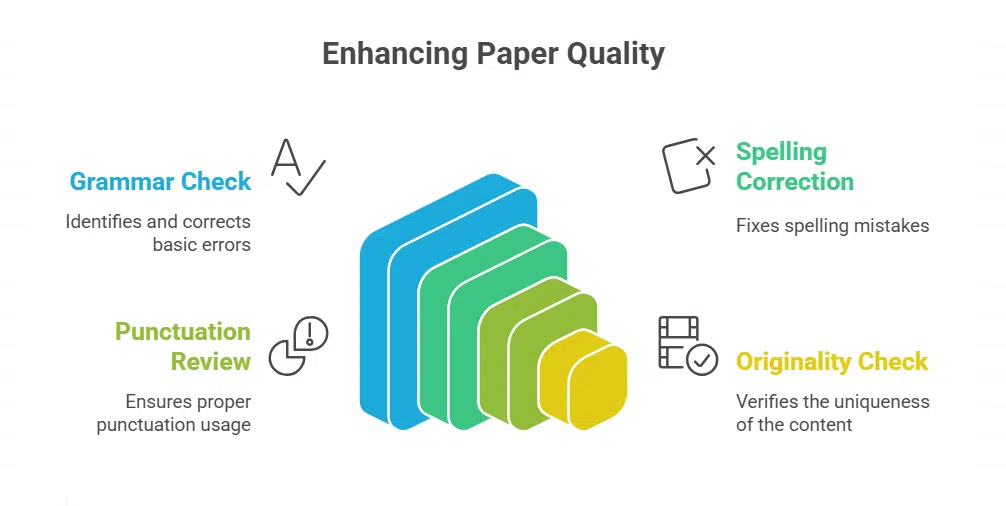
One of the easiest ways to improve your paper is by running a grammar check. It can catch basic spelling errors, small sentence issues, and punctuation mistakes. Many smart platforms today also give you originality reports so you can be sure your work is fully yours.
Organise Better With AI Agents
If you ever feel like managing tasks, reminders, or keeping track of your writing schedule is getting tough, some platforms now offer AI agents that act like assistants. They can help you plan your writing routine, remind you about deadlines, and even summarise PDFs or break down topics in simple terms.
Structure Is Everything
It’s not just about writing, it’s about writing in the right format. A proper academic paper should have a title, an intro, body paragraphs, and a conclusion. Adding quotes, numbers, and examples helps make it more valuable. When everything is placed in the right section, your paper becomes easy to follow.
Wrap-Up:
At the end of the day, academic writing doesn’t have to be complicated. With some planning, smart tools, and your personal touch, turning research into a clear and useful paper is possible.
You don’t need to stress or spend hours fixing things manually. Just stay focused, use the right help where needed, and keep your writing clean and honest. That’s how you write papers that make sense and leave a strong impression.