Apple is internally testing a sophisticated, ChatGPT-like chatbot codenamed ‘Veritas’ as a crucial tool for the development and refinement of its next-generation Siri, according to multiple reports that have surfaced.
This employee-only application is not slated for public release but serves as the primary testing platform for ambitious new artificial intelligence capabilities destined for the company’s iconic virtual assistant, representing a critical phase in Apple’s high-stakes race to catch up in the generative AI space.
The Apple’s ‘Veritas’ chatbot is being utilized by the company’s AI division to fast-track the evaluation of a deeply integrated and more intelligent Siri. This overhaul is part of a broader initiative known as Apple Intelligence, which was previewed at the company’s Worldwide Developers Conference. The goal is to transform Siri from a simple command-and-response assistant into a proactive and context-aware companion capable of performing complex, multi-step tasks within and across applications.
Key Facts & Quick Takes
- Internal Tool, Not a Public Product: ‘Veritas’ (Latin for “truth”) is a confidential application for Apple employees to test and provide feedback on upcoming Siri features. Apple has no current plans to release it as a standalone consumer-facing chatbot.
- Core Testing Functions: Employees are using Veritas to test advanced functionalities, including searching through personal data on a device (like emails, photos, and messages) and executing in-app actions, such as editing a photo with a verbal command.
- Underlying Technology: The technology powering these new Siri features is reportedly codenamed “Linwood.” This system is said to be a hybrid, leveraging Apple’s own proprietary large language models (LLMs) combined with technology from a third-party, with Google’s Gemini being a likely candidate.
- Delayed Timeline: The significantly upgraded version of Siri, honed through Veritas testing, has faced multiple internal delays. Current reports now point to a potential debut as early as March 2026, a significant pushback from earlier expectations.
- Strategic Importance: The success of the Siri revamp is seen as a crucial test of Apple’s ability to compete with AI leaders like OpenAI, Google, and Microsoft, whose generative AI tools have captured public and developer attention.
The Race to a Smarter Siri
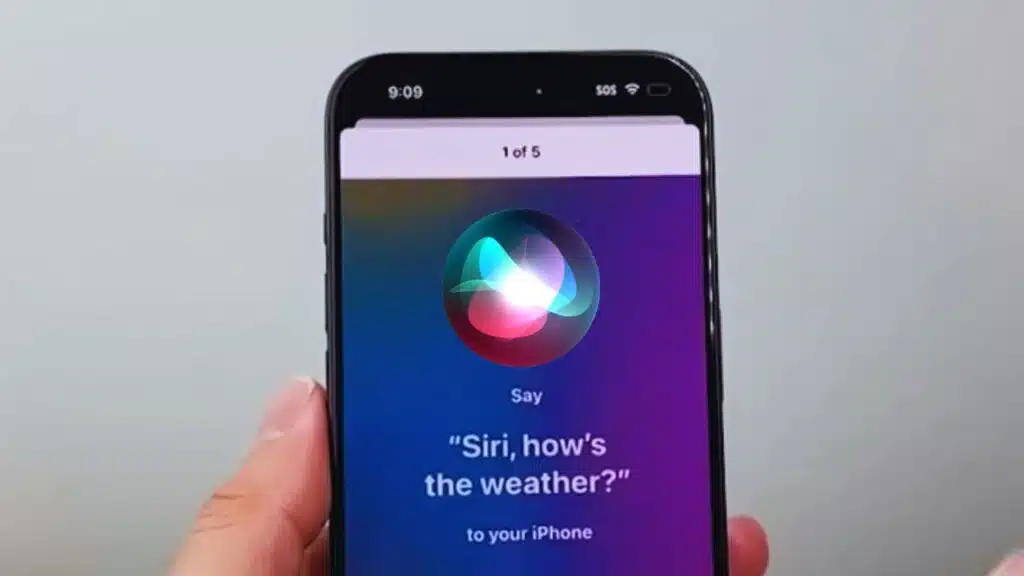
For years, Siri has been criticized for lagging behind competitors like Google Assistant and Amazon’s Alexa in conversational ability and functional depth. The advent of powerful generative AI, exemplified by ChatGPT, has widened that gap and intensified pressure on Apple to deliver a revolutionary upgrade.
The Veritas chatbot allows Apple engineers to simulate complex user interactions in a controlled environment. According to a detailed report from Bloomberg‘s Mark Gurman, the app functions much like existing chatbots, allowing employees to hold extended, back-and-forth conversations, save chat histories, and test the AI’s ability to maintain context. This methodical, internal approach contrasts sharply with competitors who have opted to beta-test their AI products publicly, gathering vast amounts of real-world user data.
Apple’s strategy underscores its long-standing emphasis on user privacy. By keeping the testing in-house, the company can refine features that interact with sensitive personal data without transmitting it to the cloud, a core tenet of its Apple Intelligence framework.
Latest Data and Statistics
- Projected Launch Date: The revamped Siri, developed using insights from Veritas, is now slated for a potential release in March 2026. This represents a significant delay from initial timelines, which had anticipated a launch closer to the release of iOS 18.
- Internal Failure Rate: Earlier in its development, the new Siri’s features were reportedly failing in as many as one-third of internal tests, contributing to the delays and a subsequent overhaul of the project’s leadership and strategy.
- Hybrid AI Model: The “Linwood” system combines Apple’s on-device models with a more powerful, server-based third-party model. This dual approach is designed to handle simple, private tasks locally while offloading more complex queries, a strategy that balances privacy with performance.
Official Responses & Expert Analysis
Apple has not officially commented on the existence of the Veritas chatbot. However, at its recent keynotes, company executives have consistently framed their AI approach as one that is deeply integrated, personal, and private.
In a statement during the Apple Intelligence announcement, Craig Federighi, Apple’s senior vice president of Software Engineering, emphasized that the company’s goal was not to create “a bolt-on chatbot on the side,” but to weave AI intelligence seamlessly into the user experience. (Paraphrased from.
Experts suggest that while the internal-only strategy of Veritas protects user privacy, it could be a strategic misstep. Mark Gurman noted that not releasing a public chatbot could be a “lost chance” for Apple to gather crucial real-world data that could accelerate its AI development and strengthen its credentials in the field. This cautious approach may cede ground to rivals who are setting consumer expectations for what AI assistants can and should do.
Impact and What to Watch Next
For the average iPhone user, the immediate impact is a longer wait for a significantly smarter Siri. The features being honed within Veritas—such as asking Siri to “find the photos I took at the beach last Tuesday and brighten them”—promise to fundamentally change how users interact with their devices.
The key developments to watch are:
- Partnership Announcements: Confirmation of a deal with an AI provider like Google or Anthropic will be a major indicator of the final capabilities of the new Siri.
- iOS Beta Releases: Future beta versions of iOS leading up to early 2026 will likely contain the first public glimpses of the “Linwood” system’s capabilities.
- Leadership and Team Stability: After a reported shake-up in the AI and Siri leadership, continued stability will be crucial for meeting the new 2026 target.
The revelation of the Apple’s ‘Veritas’ chatbot pulls back the curtain on a company playing a careful but urgent game of catch-up. While it may never be used by the public, its success or failure will directly shape the intelligence of the next generation of Apple products and determine if Siri can finally live up to its long-unfulfilled potential.
The Information is Collected from The Verge and Mashable.