

Apple’s Matte Black Finish Patent Could Make iPhones, iPads, and MacBooks Look More Premium

Apple Matte Black Finish Patent

Reports indicate that Apple has secured a patent that could potentially pave the way for matte black versions of its popular products, including iPhones, smartwatches, tablets, and laptops.

What’s intriguing about this patent is the method it outlines for achieving this matte black finish on anodized surfaces. Apple appears to be aiming for a true black shade, rather than a dark gray or blue. The patent reveals a unique approach involving light-absorbing characteristics and color particles infusion.

It’s important to note that the granting of a patent doesn’t guarantee that these matte black devices will hit the market. However, it does highlight Apple’s ongoing exploration of innovative design possibilities.

This development comes as Apple recently obtained a patent from the US Patent and Trademark Office (USPTO) for technology described as “Anodised part having a matte black appearance,” as originally reported by PatentlyApple.

The patent in question, numbered 11751349-B2, had its origins in a filing back in May 2020 and is credited to James Curran, Aaron Paterson, and Sonja Postak as its inventors. This patented technology revolves around the process of applying an anodized layer to a metal substrate, with a unique twist to achieve a matte black finish.

Here’s how it works: The anodized layer comprises two key elements. Firstly, it boasts an external surface with randomly scattered light-absorbing features designed to absorb visible light that hits the surface. Secondly, it contains pores, complete with pore walls, within which color particles are infused. The end result is a matte black finish.

According to the patent description, this anodized layer is characterized by its color, which registers with an value of less than 10 when using the CIE Lab color space. This technical approach promises a true matte black appearance with excellent light-absorbing properties.

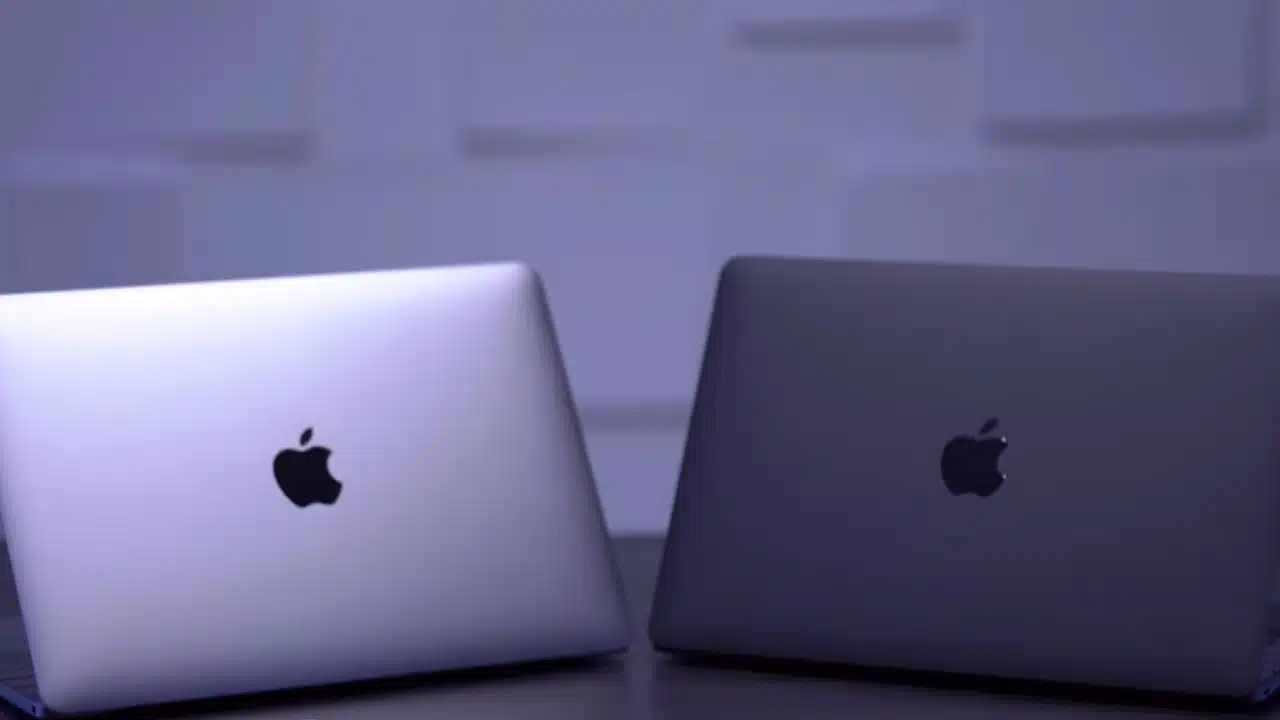
In addition, the patent also presents a range of device concepts that Apple might consider offering with a sleek matte black color option. These concepts encompass a variety of Apple’s signature products, such as smartphones, smartwatches, tablets, and laptops. While Apple has previously introduced a matte black iPhone and a black MacBook, this patent hints at the possibility of seeing a matte black smartwatch and iPad joining their product lineup in the future.

What sets Apple’s approach apart is its pursuit of a genuine black color, rather than settling for the usual dark gray or blue tones often seen in their dark-colored devices. This development certainly adds an intriguing dimension to Apple’s potential offerings in the years ahead.



Subscribe to Our Newsletter

Related Articles

Top Trending

Machine Learning vs Deep Learning comparison showing decision-tree models beside a multilayer neural network processing images, audio, and text data.
Machine Learning vs Deep Learning: What's the Difference?
Ways to Reduce Game Development Costs
12 Ways Studios Cut Game Development Costs
AI Search Visibility Metrics KPIs
AI Search Visibility Metrics KPIs: How to Measure It [Step-By-Step Guide]
Learning Management System
What Is A Learning Management System And How To Choose One
NFT game development cost
How Much Does NFT Game Development Cost? A Realistic Budget Breakdown

Technology & AI

Machine Learning vs Deep Learning comparison showing decision-tree models beside a multilayer neural network processing images, audio, and text data.
Machine Learning vs Deep Learning: What's the Difference?
SaaS vs MaaS
SaaS vs MaaS: What Model as a Service Means for Software Buyers
Google Home control multiple devices at once
Can Google Home Turn On Two Smart Devices at Once?
ai tools for personal productivity
12 Best AI Tools for Personal Productivity in 2026
How Does NLP Work Tokens, Embeddings and Transformers Explained
How Does NLP Work: Tokens, Embeddings and Transformers Explained

GAMING

Ways to Reduce Game Development Costs
12 Ways Studios Cut Game Development Costs
NFT game development cost
How Much Does NFT Game Development Cost? A Realistic Budget Breakdown
Reasons Why You No Longer Need the Best Roblox AI Scripter
Forget Best Roblox AI Scripter: 10 Reasons Why You No Longer Need It
Blockchain Platforms for Game Development
The 9 Best Blockchain Platforms for Game Development
Free Game Engines for Beginners
Top 10 Best Free Game Engines for Beginners

Business & Marketing

How To Start A Digital Marketing Consultancy From Scratch
Ecommerce Data Analysis with Claude
The Complete Guide to Ecommerce Data Analysis with Claude
SaaS valuation decline
Why $50B SaaS Valuations Won't Survive: 10 Top Reasons Explained
Enterprise AI Agent Strategy
The Age of AI Agents: How to Build an Enterprise AI Agent Strategy
Side Hustle Projects
Top 10 Side Hustle Projects That Will Generate MRR In 2027

EdTech & E-Learning

Learning Management System
What Is A Learning Management System And How To Choose One
How Student Data Privacy Works in EdTech
How Student Data Privacy Works in EdTech: FERPA, COPPA, and GDPR
Should Schools Ban AI
Should Schools Ban AI? What The Evidence Actually Suggests
How Schools Detect AI-Written Homework
How Schools Detect AI-Written Homework: The Shocking Truth!
How Teachers Use AI To Cut Planning Time In Half

Software & Apps

SaaS vs MaaS
SaaS vs MaaS: What Model as a Service Means for Software Buyers
ai tools for personal productivity
12 Best AI Tools for Personal Productivity in 2026
SaaS Development Process
How to Design a SaaS Development Process in 8 Steps
Are productivity apps like Notion useful
Are Productivity Apps Like Notion Useful or a Time Sink?
Why OpenTGC is Gaining Popularity Among the Developers
OpenTGC: Why It is Gaining Popularity Among Developers



















