

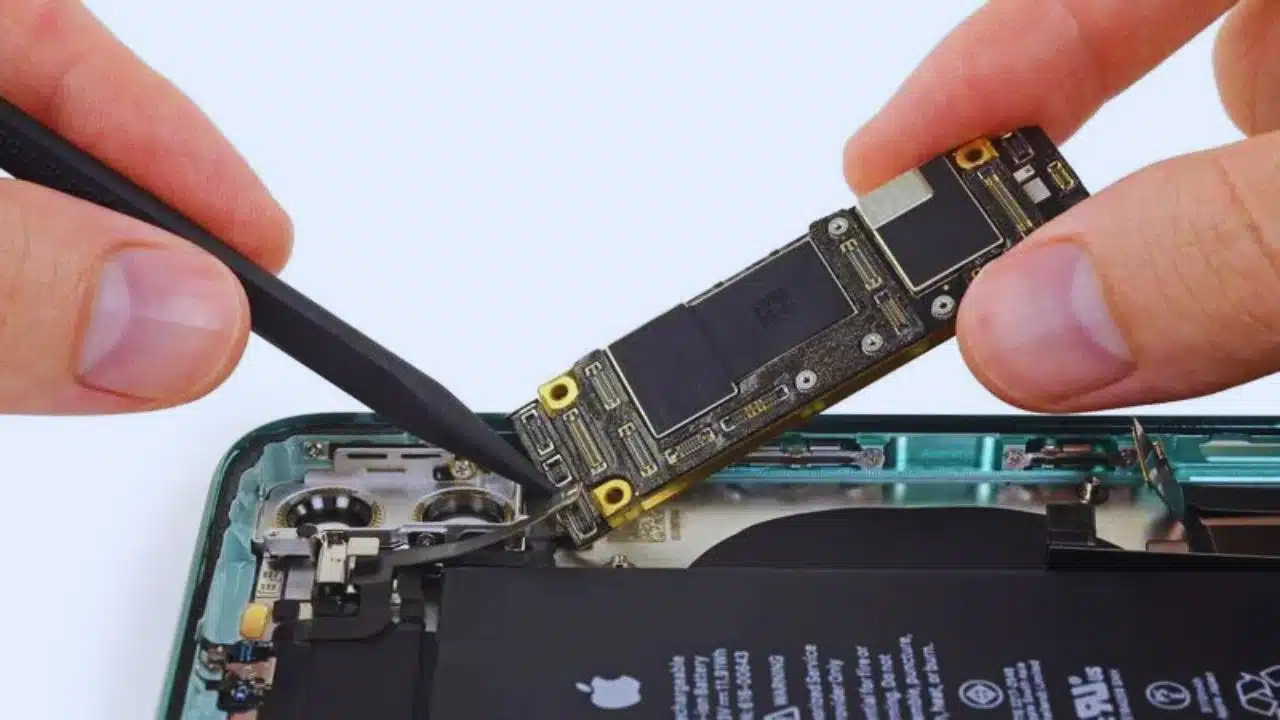
Apple is reportedly paying about 230% more for 12GB LPDDR5X iPhone RAM, as a widening DRAM shortage—driven in part by AI-related memory demand—pushes prices up and complicates 2026 iPhone cost planning.
What’s happening to iPhone RAM prices
Apple’s premium iPhone models are being hit by sharply higher mobile memory costs, with reports describing a roughly 230% premium on 12GB LPDDR5X RAM used in higher-end iPhone 17 variants.
One widely cited benchmark in those reports says a 12GB LPDDR5X chip that cost about $25–$29 earlier in 2025 has risen to around $70, highlighting how quickly the pricing shock has spread through the smartphone bill of materials.
This matters because RAM is not an optional spec: Apple’s newest on-device AI features and heavier multitasking workloads increase the pressure to keep memory capacity and bandwidth high, even when component prices rise.
iPhone RAM cost snapshot (reported)
| Item | Earlier 2025 | Late 2025 (reported) | Change (approx.) |
| 12GB LPDDR5X RAM chip | $25–$29 | ~$70 | ~+230% |
Why the DRAM crisis is worsening
The broader DRAM market has been tightening through 2025, with reporting pointing to steep year-over-year increases in DRAM contract pricing as demand outpaces available supply.
Industry coverage has tied the squeeze to capacity being pulled toward AI infrastructure—especially high-bandwidth memory (HBM) for accelerators—reducing flexibility for “standard” DRAM categories used in phones and PCs.
Separate industry reporting also describes manufacturers raising contract prices sharply compared with earlier 2025 levels, reinforcing that the price pressure is not limited to a single buyer or device category.
Plain-English terms (what they mean)
- DRAM: The “working memory” used by phones, PCs, and servers for active tasks; higher prices raise device build costs.
- LPDDR5X: Low-power DRAM commonly used in premium smartphones; it balances performance and battery efficiency.
- HBM: A stacked, ultra-high-speed memory type heavily used with AI accelerators; prioritizing it can reduce supply for other DRAM products.
Supply-chain shifts: Samsung’s bigger role
Reports indicate Samsung has captured an estimated 60%–70% share of memory orders for Apple’s iPhone 17 lineup, a shift attributed to competitors focusing more capacity on HBM for AI systems.
In this telling, Apple’s need for large, predictable volumes favors suppliers that can allocate enough LPDDR5X output even when the broader market is constrained.
The same reporting cycle suggests Apple is also trying to reduce near-term exposure by having bought significant memory volume before the latest price spikes accelerated.
Reported supplier mix (iPhone 17 memory)
| Reported point | What it implies for Apple |
| Samsung estimated at ~60%–70% of iPhone 17 memory supply | More dependence on a single supplier during tight DRAM conditions. |
| Rivals prioritize HBM for AI | Less mobile DRAM capacity available, strengthening sellers’ pricing power. |
What it could mean for iPhone pricing and 2026 planning
The immediate risk is margin pressure: if RAM costs rise faster than Apple can offset elsewhere, the company must choose between absorbing costs, changing configurations, or raising prices in a future cycle.
Another planning challenge flagged in reports is timing, with Apple’s long-term supply agreements with key memory suppliers reportedly expiring in early 2026, which could force renegotiations during a tight market.
Looking further out, analysts cited in industry coverage expect meaningful relief only later in the decade, with one report suggesting the shortage may not ease substantially until toward the end of 2027.
Key timeline (reported/industry)
| Timeframe | What’s reported to be happening |
| Early 2025 | 12GB LPDDR5X cited at ~$25–$29 in some supply-chain reporting. |
| Late 2025 | Same class of chip cited at ~$70, framed as ~230% premium. |
| Early 2026 | Apple’s long-term agreements with major memory suppliers reported as nearing expiry. |
| Through 2027 (outlook) | Shortage expected by some analysts to persist for years. |
Final thoughts
Apple paying a reported 230% premium for iPhone RAM is best understood as a symptom of a wider DRAM market reset, where AI-driven memory priorities and constrained supply are pushing up costs across device categories.
If these conditions hold into early 2026 contract talks, the pressure could show up in iPhone pricing, storage/RAM tiering decisions, or tighter margins—especially for models positioned around higher on-device AI performance.
The next signals to watch are supplier contract renewals, any confirmed shifts in iPhone memory configurations, and whether DRAM pricing momentum cools or continues into 2026.




























