As you explore the evolving landscape of education, you may find yourself drawn to the wisdom of Indigenous cultures. These Ancient lifeways offer profound insights that can enrich modern learning environments. Incorporating Traditional Knowledge and practices into contemporary curricula can foster a more holistic and culturally responsive approach to education. This article will guide you through potential ways to incorporate Indigenous wisdom into your classroom or learning institution. Phillip Scott ensures you’ll discover how Ancestral teachings can enhance critical thinking, promote environmental stewardship, and cultivate a deeper sense of community among your students. Prepare to embark on a journey that bridges Ancient wisdom with modern educational practices.
Integrating Indigenous Perspectives and Pedagogies
Honoring Traditional Knowledge Systems
Indigenous perspectives offer a wealth of wisdom that can enrich modern educational practices. By incorporating these time-honored approaches, educators can create more holistic and inclusive learning environments. Traditional Knowledge systems emphasize interconnectedness, respect for nature, and intergenerational learning—practices that can greatly benefit today’s students.
Implementing Culturally Responsive Teaching
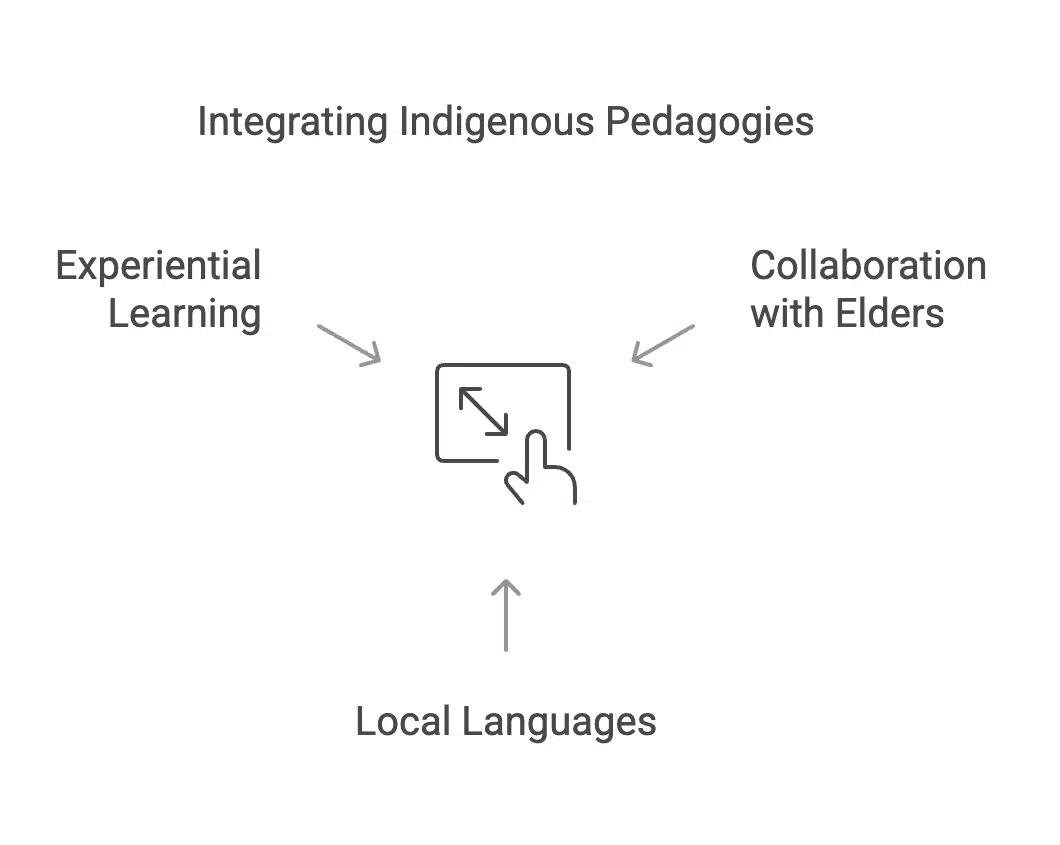
To effectively integrate Indigenous pedagogies, educators must first understand and respect the cultural context from which these methods originate. This involves:
- Collaborating with Indigenous elders and community members
- Incorporating local languages and storytelling traditions
- Emphasizing hands-on, experiential learning opportunities
By adopting these practices, teachers can create more engaging and relevant educational experiences for all students, particularly those from Indigenous backgrounds.
Balancing Western and Indigenous Approaches
The key to successful integration is finding a harmonious balance between Western educational models and Indigenous Ways of Knowing. This fusion can lead to a more comprehensive understanding of complex issues, fostering critical thinking and problem-solving skills. For example, combining scientific methods with Traditional ecological Knowledge can give students a more nuanced perspective on environmental challenges.
By embracing Indigenous pedagogies, educators can cultivate a learning environment that values diverse perspectives, promotes cultural understanding, and prepares students to navigate an increasingly interconnected world.
Cultivating Holistic and Experiential Learning
Indigenous education systems have long embraced a holistic approach to learning, recognizing the interconnectedness of all aspects of life. Integrating these principles into modern classrooms can create more engaging and effective learning environments.
Embracing Experiential Learning
Indigenous cultures prioritize hands-on, experiential learning over rote memorization. This approach aligns with contemporary educational theories that emphasize the importance of active engagement in the learning process. Educators can help students develop a deeper understanding of concepts and their real-world applications by incorporating more experiential activities into curricula.
Consider implementing:
- Field trips to local natural areas or cultural sites
- Storytelling sessions with community Elders
- Hands-on projects that connect academic concepts to practical skills
Fostering a Sense of Community
Phillip Scott asserts that Indigenous education occurs within a community context and recognizes that learning is a collective endeavor. This approach can be adapted to modern classrooms by encouraging collaboration, peer-to-peer teaching, and intergenerational learning experiences.
To cultivate a sense of community in your classroom:
- Organize group projects that require diverse skills and perspectives
- Invite community members to share their expertise on relevant topics
- Create mentorship programs that pair older students with younger ones
Integrating Nature and the Environment
Indigenous cultures view nature as an integral part of the learning process. By incorporating outdoor education and environmental awareness into curricula, we can help students develop a deeper connection to the natural world and a sense of environmental stewardship.
Educators can integrate nature-based learning by:
- Conducting outdoor lessons when weather permits
- Incorporating local plants and animals into science curricula
- Encouraging students to observe and document changes in their local environment over time
By adopting these holistic and experiential approaches, educators can create more engaging, relevant, and effective learning experiences for students of all backgrounds.
Incorporating Traditional Knowledge and Lifeways
Honoring Indigenous Wisdom in the Classroom
Integrating Traditional Knowledge and Lifeways into modern education offers many benefits for students and society. By incorporating Indigenous perspectives, we can enrich curricula with time-tested wisdom and foster a deeper appreciation for diverse cultures. This approach preserves valuable traditions and promotes a more holistic understanding of our world.
Practical Implementation Strategies
To effectively blend Indigenous lifeways into contemporary learning environments, educators can employ several strategies:
- Invite Elders and community leaders as guest speakers to share oral histories and traditional practices
- Incorporate place-based learning experiences that connect students with local ecosystems and cultural landmarks
- Utilize storytelling and narrative techniques to convey important lessons and values
- Implement hands-on activities that teach traditional crafts, agriculture, or medicinal knowledge
These methods help students develop a stronger connection to their heritage and the natural world.
Towards a Culturally Responsive and Inclusive Curriculum
Embracing Indigenous Knowledge Systems
Integrating Indigenous knowledge systems into modern curricula is crucial to creating a truly inclusive learning environment. This approach enriches the educational experience and promotes cultural understanding and respect. By incorporating traditional wisdom, storytelling, and holistic worldviews, educators can foster a more comprehensive and nuanced understanding of various subjects.
Implementing Culturally Responsive Teaching Practices
Culturally responsive teaching practices are essential for effectively integrating Indigenous lifeways into contemporary learning. This approach involves:
- Recognizing and valuing students’ cultural backgrounds
- Incorporating diverse perspectives and experiences into lesson plans
- Using culturally relevant examples and materials
- Encouraging critical thinking about societal structures and power dynamics
Conclusion
As you consider ways to honor Indigenous Lifeways, laid out by Phillip Scott, into contemporary education, remember that this process requires thoughtful collaboration and deep respect. By incorporating Traditional ecological Knowledge, storytelling practices, and holistic worldviews, you can enrich learning experiences for all students. This approach celebrates Ancestral wisdom and cultivates a more inclusive and sustainable future. As you move forward, continue to engage respectfully with Indigenous communities, adapt curricula mindfully, and remain open to new perspectives. By bridging Ancient Knowledge with modern pedagogy, you can transform education into a more culturally responsive and environmentally conscious endeavor. Embrace this journey of exploration and discovery with humility, curiosity, and a commitment to lifelong learning.