
Moving to a new country for school can feel like jumping into a pool without knowing how to swim. You pack your bags, say goodbye to home, and land in a place where everything seems different. The food tastes odd, people talk in ways you don’t get, and school rules confuse you. This hits many international students hard, leaving them homesick and lost. Adjusting to a new culture turns into a big challenge, like trying to fit a square peg into a round hole.
Over 1 million students study abroad each year, and most face culture shock at some point. This blog shares tips to make that shift easier. You will learn about stages of adjustment, ways to beat language barriers, and spots to find support.
Keep reading for real help.
Understanding Cultural Adjustment
You step off the plane, eyes wide with excitement, but soon that thrill fades into confusion, like a fish out of water in this new pond. Culture shock hits hard, yet knowing its stages, from that initial honeymoon glow to rejection, then recovery, and finally adaptation, turns the chaos into a roadmap for your journey ahead.
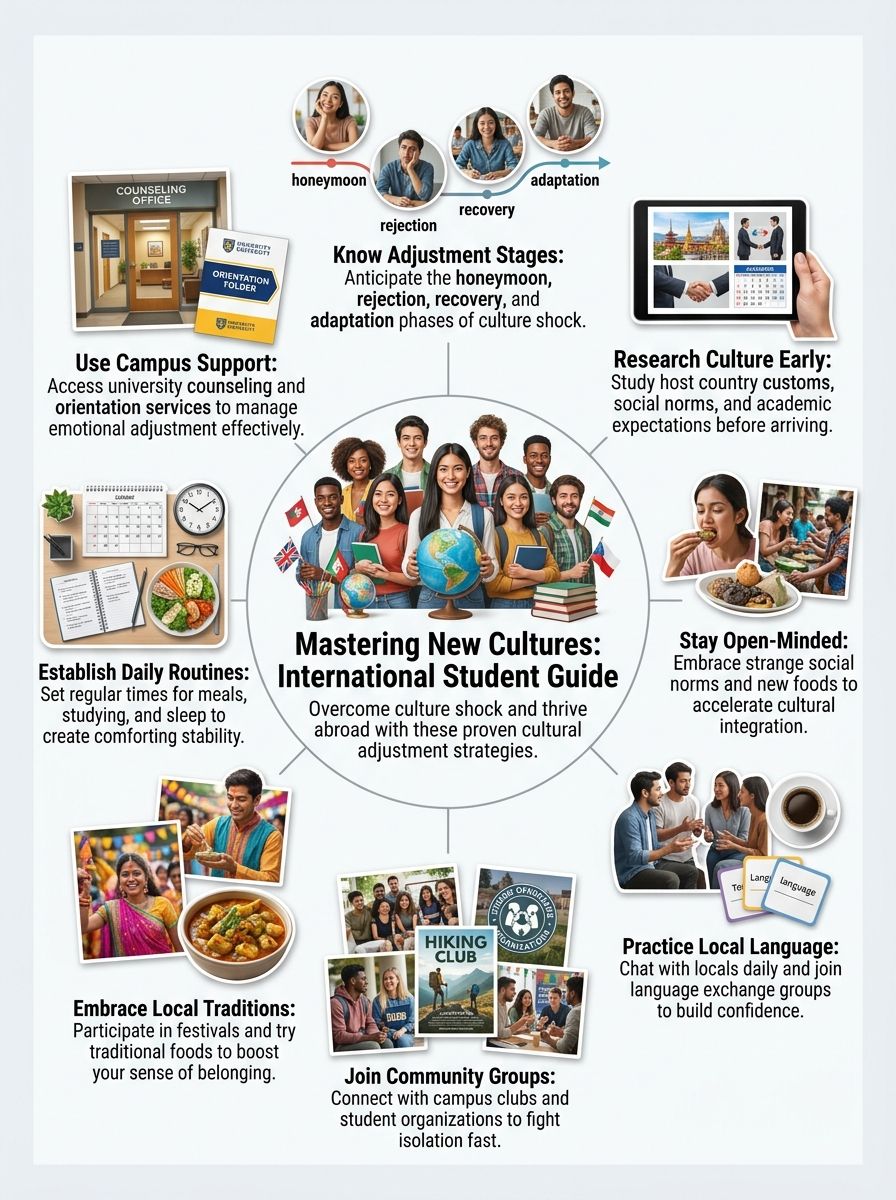
The concept of culture shock
Culture shock hits international students hard when they land in a new country. Consider this: you arrive excited, but soon, everyday things feel strange and overwhelming. This emotional rollercoaster stems from unfamiliar social norms, customs, and traditions that clash with what you know.
Many face isolation as they manage this transition, feeling confused or frustrated at first. Experts describe it as a natural part of cultural adjustment, like a bump in the road during your study abroad adventure.
Students often experience culture shock in waves, starting with awe, then dipping into rejection. Take Sarah, an exchange student from Brazil who laughed about mistaking a casual nod for rudeness in her American dorm.
She learned that adaptation takes time, building resilience through small steps like joining orientation sessions. Embrace this phase; it leads to deeper cultural immersion and a stronger sense of global citizenship.
Stages of cultural adjustment: Honeymoon, Rejection, Recovery, and Adaptation
International students often feel thrilled at first in a new place. They go through clear stages of cultural adjustment, like honeymoon, rejection, recovery, and adaptation.
- Honeymoon phase hits right away, full of excitement and wonder as you explore fresh sights, sounds, and tastes in this cultural exchange. Everything seems like a grand adventure, from trying local customs to chatting with new friends, but this high can fade fast, leaving you eager for more immersion. Think of it as that initial spark in a budding romance, where the differences feel magical and boost your global perspective.
- The rejection stage creeps in next, when frustration builds from language barriers and odd social norms that make you miss home badly. You might feel isolation or even anger toward the host culture, like hitting a wall in your acculturation process. Like a traveler lost in a maze of unfamiliar traditions, empathy from student groups can help, but it’s normal to question your study abroad choice during this emotional adjustment.
- The recovery phase brings some relief as you start to understand and integrate into the new environment, picking up bits of the local language and joining orientation events. Challenges like academic expectations ease up, and you build resilience through small wins, such as making a friend or mastering a daily routine. It’s like finding your footing after a stumble, turning integration challenges into steps toward multiculturalism.
- Adaptation stage seals the deal, where you feel at home in the cultural diversity, blending your background with the host’s ways for true cultural assimilation. Daily life flows smoothly, with enhanced empathy and a wider worldview that enriches your international education. You evolve into a global citizen who thrives in cross-cultural experiences, no longer fazed by the initial transition.
Challenges Faced by International Students
See yourself landing in a bustling new city, where every chat feels like decoding a secret message, and classroom rules flip everything you know upside down. These bumps in the road, from quirky social cues that leave you scratching your head to academic pressures that hit like a surprise quiz, test your grit, but they also spark the adventure.
Language barriers
Language barriers hit international students hard, like trying to order coffee in a foreign cafe without knowing the lingo. You might mix up words, leading to funny mix-ups or total confusion in class discussions.
Think about it: a simple chat with locals turns into a game of charades. These hurdles spark isolation, making cultural adaptation tougher during your study abroad adventure.
Students often face misunderstandings in social norms due to limited language skills, which slows integration into campus life. Practice daily chats to build confidence, and join language exchange groups for real progress.
Empathy from peers helps too; share a laugh over slip-ups to ease the emotional adjustment. This step boosts your global citizenship and turns barriers into bridges for cultural immersion.
Social norms can trip you up as an international student. Consider shaking hands back home, but people here prefer hugs or bows. That simple act sparks confusion and isolation. Eye contact means respect in one culture, yet signals rudeness in another.
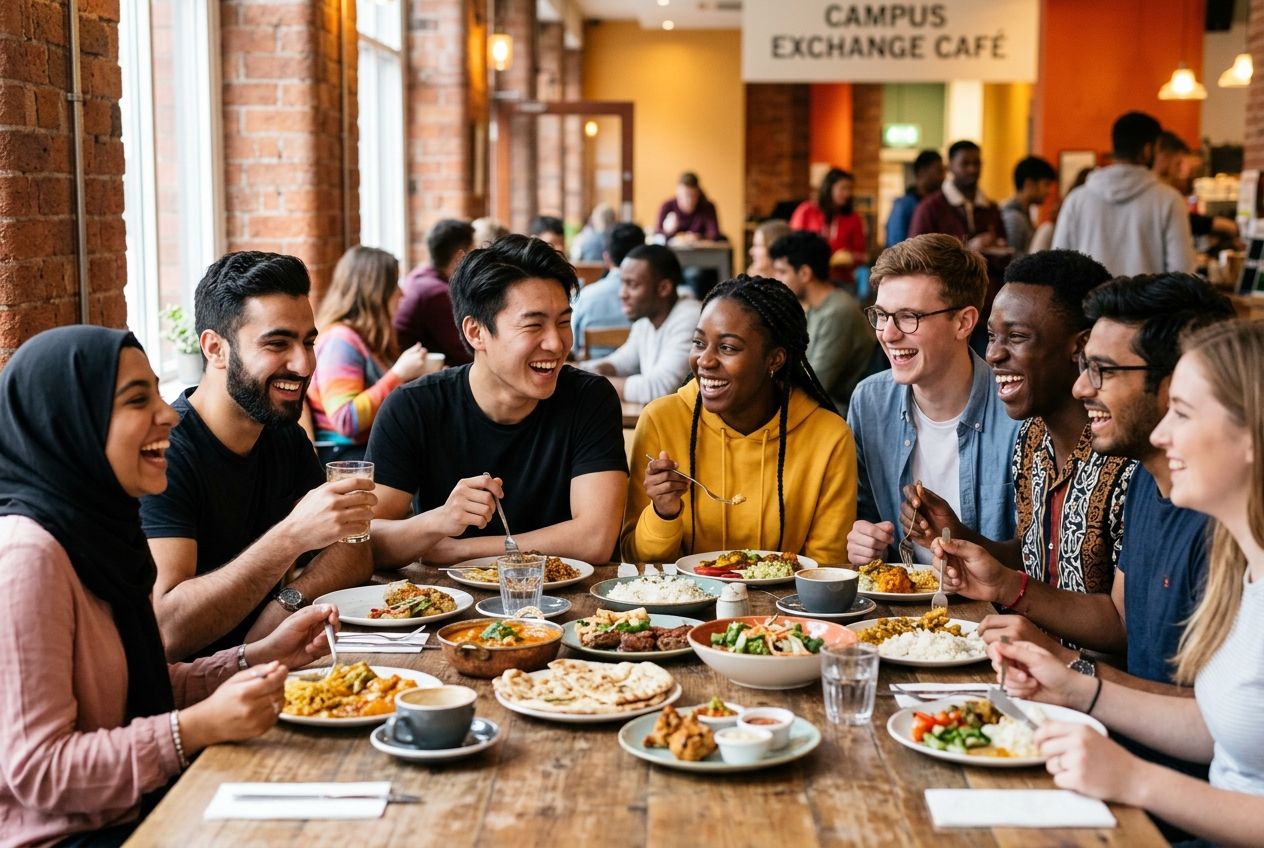
Students often face these integration challenges during their transition. Small behaviors, like queuing in lines or chatting with strangers, shift wildly. Embrace cultural exchange to ease the emotional adjustment. Laugh off the awkward moments; they build your adaptation skills.
Culture is the widening of the mind and of the spirit. – Jawaharlal Nehru
Customs around meals differ, too. Some places eat with their hands, while others demand forks and knives. These traditions affect daily immersion in a new spot. International students tackle such social norms by joining orientation events.
Build bonds through student exchange groups to fight isolation. Active participation speeds acculturation and boosts your global citizenship.
Academic expectations in a new system
International students often face big shifts in academic expectations when they enter a new education system. Professors might want more class participation than you’re used to back home.
It’s like entering a game with different rules; you need to speak up in discussions to show what you know. Grading could focus on essays and projects instead of just exams. Deadlines hit hard, so stay on top of them to avoid surprises.
These changes push for quick adaptation and better time management. Take the chance for cultural immersion in your studies. Join study groups to learn social norms around teamwork and sharing ideas. A student from Asia felt lost at first with all the debates, but it built their confidence.
Resources like orientation sessions help with this transition. They explain the academic side of integration. Keep an open mind, and you’ll turn challenges into growth.
Tips for Adjusting to a New Culture
You’ve landed in a new country, and everything feels like a plot twist in your favorite adventure story, right? Dive right in by chatting with locals over coffee, or join that quirky festival downtown, and watch how those small steps turn culture shock into your superpower.
Research the culture beforehand
You step into a new country as an international student. Researching the culture beforehand eases your transition and cuts down on culture shock.
- Explore books, websites, and videos about the host country’s customs and social norms to build a solid foundation before you arrive; for example, learn that in Japan, people bow instead of shaking hands, which helps you avoid awkward moments during your cultural immersion.
- Talk to former international students or join online forums for real stories on adjustment challenges, like how one student from India faced isolation in the U.S. until she understood casual chit-chat at parties as a key to integration.
- Watch documentaries or follow social media accounts that highlight traditions and cultural diversity, so you grasp why festivals like Thanksgiving in America foster community bonds and aid your emotional adjustment.
- Study maps and local history to get a feel for the place’s multicultural vibe; consider a student from Brazil exploring Canada’s indigenous heritage, which sparked her global citizenship and smoothed her acculturation process.
- Check out apps or podcasts on language basics and everyday phrases, turning potential language barriers into fun learning adventures that boost your confidence for a study abroad life.
- Read up on academic expectations, such as group work styles in European universities, to prep for cross-cultural experiences and dodge the rejection stage of cultural adjustment.
- Connect with orientation programs offered by your school, which often share tips on cultural exchange and help you avoid feeling lost in the early days of your transition.
- Explore blogs by student exchange participants for anecdotes on managing integration challenges, like adapting to punctuality in Germany, which enhances your cultural adaptation and reduces feelings of isolation.
Be open-minded and willing to adapt
Stay open to new ideas as an international student. Think of your mind like a sponge, soaking up fresh customs and traditions. You face social norms that feel strange at first. Embrace them instead of pushing back.
This attitude speeds up your cultural adaptation. It turns culture shock into a fun adventure. One student I know tried local food, which she thought was odd. She ended up loving it and made friends fast.
Willingness to adapt eases the transition. Join in cultural immersion activities on campus. Say yes to invitations to festivals or games. These steps fight isolation and build integration.
Practice emotional adjustment by stepping out of your comfort zone. Talk to locals, share stories from home. This creates a cultural exchange that enriches everyone. Your global citizenship grows stronger each day.
Learn and practice the local language
Once you’ve opened your mind to adapt, picking up the local language boosts that process, making daily interactions smoother and more fun. Language acts as the key to achieving deeper cultural immersion. It helps you connect with locals on a real level.
- Start with basics like greetings and common phrases; apps like Duolingo make this easy and turn learning into a game, reducing isolation during your adjustment as an international student.
- Practice daily by chatting with classmates or shopkeepers, which builds confidence and speeds up your acculturation in this new environment.
- Join language exchange groups on campus; these sessions foster cultural exchange and help you grasp social norms through fun conversations.
- Watch local TV shows or listen to podcasts; this immerses you in accents and idioms, easing the transition and fighting off culture shock.
- Use flashcards for vocabulary; carry them around to quiz yourself, turning downtime into productive moments that enhance your integration.
- Attend orientation workshops focused on language skills; they offer tips on customs and traditions, supporting your emotional adjustment abroad.
- Pair up with a language buddy from student organizations; sharing stories leads to friendships and a broader global perspective.
- Read simple books or news in the local tongue; this sharpens comprehension and exposes you to cultural diversity in everyday contexts.
- Record yourself speaking and compare to natives; this method refines pronunciation, making studying abroad feel less like a challenge and more like an adventure.
Find community support or student groups
Finding community support helps you feel less alone in a new place. Student groups offer a chance to connect with others who understand your journey.
- Join campus clubs that focus on international students, like those for cultural exchange or study abroad groups, where you can share stories of adjustment and build friendships that ease isolation during your transition.
- Seek out orientation sessions designed for newcomers, which often introduce you to resources for emotional adjustment and help you integrate into the local social norms right from the start.
- Connect with student organizations tied to your home country or interests, such as a multicultural club, to foster a sense of belonging and promote cultural diversity through events that celebrate traditions from around the world.
- Participate in peer mentoring programs on campus, where experienced international students guide you through integration challenges and offer tips on acclimation, turning strangers into a supportive network.
- Attend workshops on cultural adaptation hosted by university services, which provide tools for managing culture shock and encourage immersion in cross-cultural experiences with fellow students.
- Explore online forums or apps for international education communities, linking you with others facing similar customs and behaviors, and sparking conversations that lead to real-life meetups for better acculturation.
Now that you’ve built some connections, try jumping into local customs and traditions to deepen your adaptation.
Participate in local customs and traditions
Participating in local customs and traditions speeds up your cultural adaptation as an international student. This step turns strangers into friends and makes the new place feel like home.
- Join festivals to immerse yourself in cultural experiences; for example, if you’re in the U.S., celebrate Thanksgiving with a host family, share a big meal, and chat about what people are grateful for, which boosts your sense of belonging and fights isolation during your transition.
- Try traditional foods at local events, like sampling street tacos in Mexico or joining a tea ceremony in Japan; this simple act sparks conversations, helps you understand social norms, and adds fun to your acculturation process.
- Wear local attire for special occasions, such as donning a kimono at a Japanese festival or a cowboy hat at an American rodeo; you might feel awkward at first, but it shows respect, eases emotional adjustment, and invites warm welcomes from the community.
- Learn dances or games tied to traditions, think salsa in Latin America or cricket matches in the UK; practicing these with student groups builds your global citizenship, reduces feelings of rejection in the adjustment stages, and creates lasting memories.
- Volunteer at cultural exchanges on campus, where you swap stories about your home customs with locals; this fosters integration, enhances your cross-cultural experience, and turns potential culture shock into exciting discoveries.
- Observe and mimic everyday rituals, like greeting styles or holiday decorations; in India, for instance, try the namaste gesture during Diwali, which promotes cultural diversity awareness and helps you manage integration challenges with empathy.
- Attend orientation sessions focused on traditions to grasp the basics quickly; these often include hands-on activities that support your study abroad journey, build resilience, and connect you with other international students facing similar acclimation hurdles.
- Share your own culture in return, perhaps by hosting a small event with food from home; this reciprocal approach strengthens multicultural ties, encourages adaptation, and transforms your international education into a true cultural exchange.
Managing Culture Shock
Ever feel like you’re lost in a fog of new sights, sounds, and smells that just don’t make sense? That’s culture shock hitting hard, but you can tackle it head-on by spotting those wild emotions early and giving yourself a break, like chatting with a friend over coffee to shake off the blues.
Recognize and accept your feelings
Feelings hit hard during culture shock, and that’s normal for international students in a new place. You might feel lost or frustrated, like a fish out of water in this cultural immersion.
Accept those emotions, don’t push them away. One student I know arrived in the US and cried over missing home-cooked meals, but owning that sadness helped her move forward. Talk about it with friends, or jot it down in a journal; this emotional adjustment builds your resilience. You know, it’s like riding a wave, you gotta feel it to surf through.
Spot those ups and downs early to ease your transition. Acknowledge the isolation that creeps in, and remind yourself it’s part of the adaptation process. Share stories with other students facing similar integration challenges; laughter over shared mishaps can lighten the load.
This step strengthens your global citizenship. Now, let’s build on that by establishing a routine to steady your days.
Establish a routine
A daily routine acts as your anchor during cultural adjustment, helping you fight off that nagging culture shock. It builds stability, making the transition to life as an international student feel less like a wild ride.
- Set regular times for meals, study sessions, and sleep to mimic the comforts of home and ease isolation in this new cultural immersion.
- Include exercise or walks in your schedule, like a quick jog around campus, to boost your mood and support emotional adjustment amid social norms that feel foreign.
- Plan social activities, such as joining student groups for cultural exchange, which fosters integration and turns acclimation into an exciting adventure.
- Track your progress in a simple journal, noting small wins in adaptation, to build resilience and celebrate your growing global citizenship.
- Adjust your routine flexibly for local customs and traditions, perhaps by adding time for community events, which aids acculturation without overwhelming you.
- Seek orientation resources on campus to refine your daily habits, ensuring they align with academic expectations in this cross-cultural experience.
- Connect with fellow international students through clubs, sharing laughs over shared challenges, which combats feelings of isolation during study abroad.
Practice self-care and mindfulness
Self-care acts as your anchor during culture shock. Mindfulness helps you stay grounded amid the whirlwind of adjustment.
- Eat healthy meals and get enough sleep to keep your energy up, because when you’re adjusting to new social norms, your body needs fuel to handle the emotional ups and downs, like that time I skipped breakfast and turned a simple class discussion into a total meltdown.
- Take short walks in a park or around campus to clear your head, as this simple act boosts your mood and aids in cultural immersion, turning feelings of isolation into moments of quiet reflection.
- Practice deep breathing exercises for a few minutes each day, which calms racing thoughts during the rejection stage of cultural adjustment, much like hitting pause on a chaotic movie scene in your mind.
- Journal your experiences to process emotions, helping you recognize patterns in your acculturation journey, and it might even spark some humorous anecdotes about those awkward cultural exchange mishaps.
- Connect with friends back home through video calls, but balance it with local interactions to fight isolation, fostering a sense of global citizenship while you manage this cross-cultural experience.
- Try yoga or meditation apps created for beginners, as they promote mindfulness and build resilience against integration challenges, and visualize yourself unwinding after a day of puzzling over new traditions.
- Set small, achievable goals like trying one local custom per week, which encourages adaptation and turns overwhelming transitions into fun, bite-sized adventures in multiculturalism.
- Seek out campus orientation sessions for self-care tips, as they often include resources on emotional adjustment, making your study abroad feel less like a solo trek and more like a supported expedition.
These practices pave the way for reaping the rewards of your cultural immersion, like personal growth and a broader worldview.
Benefits of Adapting to a New Culture
Adapting to a new culture shapes you into a tougher, more empathetic person with a broader view of the world, like turning culture shock into your secret superpower.
Personal growth and resilience
You step into a new culture as an international student, and it builds your personal growth right away. Think of it like a workout for your mind and spirit. Challenges from culture shock push you to adapt, making you tougher.
International students often gain resilience by facing isolation and social norms head-on. One student from Asia shared, “I felt lost at first, but solving problems alone taught me strength.” This adjustment fosters emotional adjustment and self-reliance.
You learn to bounce back from setbacks, like missing home traditions during holidays. Resilience grows through cultural immersion and integration. You join student exchange programs and embrace multiculturalism. Think of turning confusion into confidence; that’s the magic.
Global citizenship emerges as you handle transition with empathy. Studies show 70% of international students report stronger problem-solving skills after a year abroad. This cross-cultural experience expands your worldview.
You build lasting bonds in diverse groups, boosting your adaptation. Personal growth shines when you celebrate small wins, like mastering local customs.
Enhanced cultural awareness and empathy
Adapting to a new culture boosts your cultural awareness in big ways. You start seeing the world through fresh eyes, like slipping on a pair of glasses that sharpen every detail. Empathy grows, too, as you connect with people from different backgrounds, feeling their joys and struggles directly.
This shift turns you into a bridge builder, fostering deeper understanding across borders. Consider a student from Asia joining a lively American campus debate; at first, it feels awkward, but soon, that exchange sparks real compassion for diverse viewpoints. Such moments enhance your global citizenship, making you more open to cultural diversity.
You gain resilience, turning integration challenges into chances for growth. This process enriches your cross-cultural experience, helping you thrive in multicultural settings.
Expanded global perspective
This empathy you gain from cultural awareness opens doors to an expanded global perspective, a true gem in your international student journey. You start seeing the world through many lenses, not just your own.
Think of it like adding colors to a once black-and-white picture; suddenly, everything pops with new meaning. International students often report how this shift boosts their cultural diversity skills, making them pros at cross-cultural experiences.
You connect dots between traditions and social norms from home and abroad, turning study abroad into a real cultural exchange. Consider chatting with locals about their customs, and bam, your view on global citizenship grows. This adaptation helps you tackle integration challenges with ease, fostering a sense of belonging in multiculturalism.
International education like this builds resilience, as you manage emotional adjustment and cultural immersion. Students who embrace this often find their worldview widens, sparking ideas for future travels or careers.
It turns isolation into opportunity, enriching your transition with fresh insights.
Resources for International Students
Feeling lost in a new place can hit hard, like trying to dance to an unfamiliar rhythm, but schools pack a punch with support that eases the slide into campus life. Tap into those groups and services, share a laugh with fellow travelers over coffee, and watch how they turn strangers into your new squad, sparking adventures worth chasing.
Campus support services
Campus support services help international students with cultural adaptation. Universities offer orientation programs that explain social norms and customs. These sessions build connections and reduce isolation.
Staff guides you through academic expectations and daily life. Join workshops on emotional adjustment and cultural immersion. They make the transition smoother, like a friendly map in a new city.
Seek out advisors who understand integration challenges. Many schools provide free counseling for culture shock. Student organizations host events for cultural exchange and global citizenship.
Participate in clubs that celebrate multiculturalism and study abroad experiences. These resources foster acculturation and build lasting friendships. You gain tools for a successful cross-cultural experience.
Counseling and mental health resources
Many international students face emotional adjustment during their transition, and that’s where counseling services shine. Schools often offer free sessions with trained counselors who understand culture shock and isolation.
These pros help you talk through feelings of rejection or homesickness, using simple tools like journaling or group chats. Think of a quick chat that turns your tough day around, right? They focus on acculturation and building resilience, so you feel supported in your cross-cultural experience.
Seek out mental health resources early to ease the integration challenges of study abroad. Apps and hotlines provide 24/7 tips on mindfulness for those midnight worries. Your university might host workshops on cultural diversity, blending fun activities with real advice.
One student shared, “That first counseling visit felt like finding a lifeline in a new sea.” These options promote global citizenship by addressing emotional hurdles head-on. Student organizations and clubs offer another great way to connect and thrive.
Student organizations and clubs
Student organizations and clubs offer a lifeline for international students facing isolation during their transition. Join these groups to engage in cultural exchange and build quick friendships.
You can chat with locals over coffee at a campus club meeting, which breaks down social norms barriers fast. These spots foster integration and help with acclimation to new customs and traditions. Clubs often host events that mix fun with learning, like international potlucks or game nights.
Seek out student organizations focused on your home country or global themes for that sense of community. They provide orientation sessions and resources to ease emotional adjustment.
Engage in activities that promote cultural immersion, such as language swaps or festival celebrations. This approach boosts adaptation and turns study abroad into a vibrant cross-cultural experience. Connect with peers who understand the ups and downs of international education.
Final Thoughts
You’ve tackled culture shock head-on, from those early honeymoon vibes to full adaptation, and faced down language hurdles, social quirks, and academic shifts with grit. These tips, like exploring local traditions or joining student groups, fit right into your busy life and pack a real punch for smoother sailing.
Embrace this journey, and watch it build your resilience, spark empathy, and widen your worldview in ways that last a lifetime. Check out campus counseling or international clubs for extra support when you need it.
Go ahead, step out with confidence, because every new custom you try turns you into a true global citizen.
Frequently Asked Questions (FAQs) on Adjusting To A New Culture
1. What is culture shock, and how can I beat it as an international student?
Culture shock hits like a wave when everything feels off in your new spot; it’s that mix of excitement and confusion from different customs and vibes. Think of it as your brain’s way of saying, “Whoa, this isn’t home.” To tackle it, dive into local events, chat with folks, and give yourself time, like easing into a cold pool one toe at a time.
2. How do I make friends while adjusting to a new culture?
Join clubs or sports teams at school; they’re goldmines for meeting people who share your interests.
3. What if homesickness creeps in during my time abroad?
Homesickness can feel like a heavy backpack, weighing you down with thoughts of family and familiar foods. Call home often, but not too much, to keep that connection alive without getting stuck. Share stories with new pals about your hometown; it turns the ache into fun tales, like swapping recipes over coffee.
4. How can I handle language barriers in a new country?
Practice daily with apps or locals; soon, those barriers crumble like old walls.