Breakthrough Discovery: Microbes Found That Can Digest Plastics at Low Temperatures

Scientists Discover Microbes that Can Digest Plastics

Listen to the Podcast:

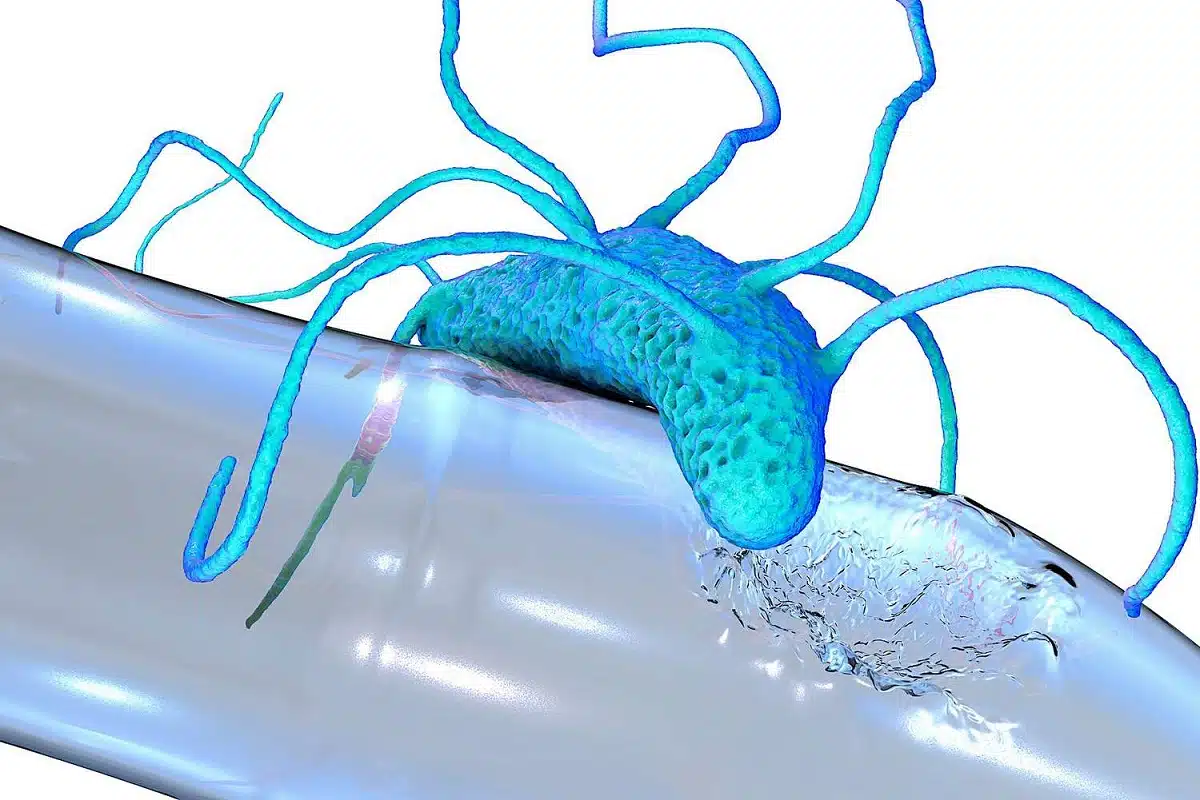
Recycling now has a very useful new tool found. Scientists discover microbes that can digest and eat plastics at low temperatures. Several microbes have already been found that can do this, but they usually only work at temperatures above 30 degrees Celsius. This means that using them in the industry would be expensive because of the extra cost of heating, as reported by the Guardian.

Scientists at the Swiss Federal Institute WSL have found microbes that can break down plastic at 15 degrees Celsius. This could be a big step forward in the science of recycling by microbes. The magazine Frontiers in Microbiology has written about what they found.

Tackling Plastic Pollution with Microbes
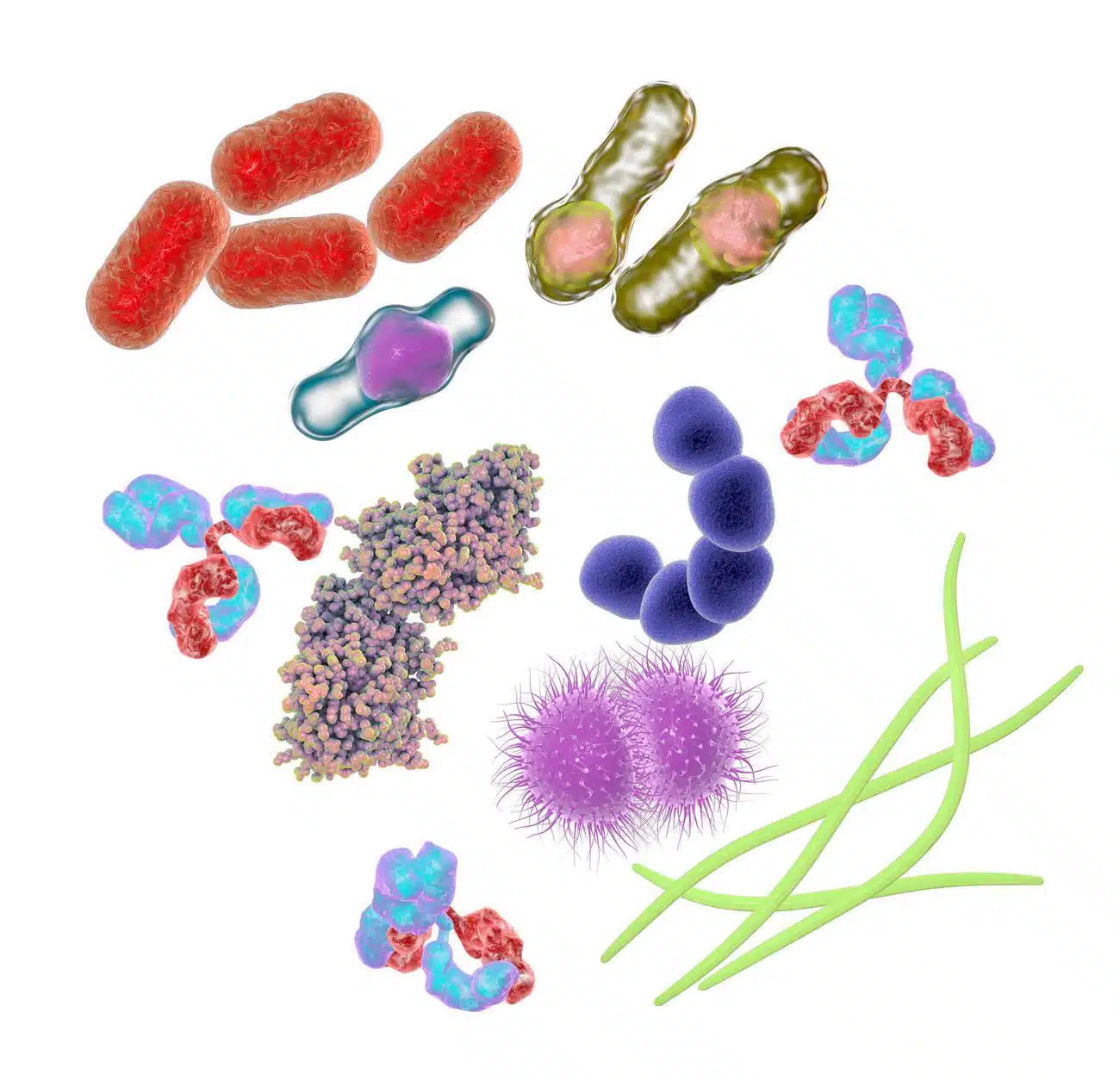
Microbes and molecules of different shapes and sizes

According to the Guardian, Dr. Joel Rüthi from WSL and his colleagues took samples of 19 strains of bacteria and 15 types of fungi grown on plastic that had been left on the ground for a year in Greenland, Svalbard, and Switzerland.

They let the microbes grow in the dark at 15 degrees Celsius as single-strain cultures in the lab and tried them to see if they could break down different kinds of plastic.

The results showed that the bacterial strains belonged to 13 genera in the phylum actinobacteria and proteobacteria, and the fungi to 10 genera in the phylums Ascomycota and mucoromycota.

Surprising Results

The tested plastics included non-biodegradable polyethylene (PE), biodegradable polyester-polyurethane (PUR), and two commercially available biodegradable mixtures of polybutylene adipate terephthalate (PBAT) and polylactic acid (PLA).

Even after 126 days of incubation on this plastic, none of the strains were able to decompose PE. 19 strains (56%) including 11 fungi and eight bacteria were able to decompose PUR at 15 degrees Celsius, whereas 14 fungi and three bacteria were able to digest PBAT and PLA plastic blends.

“Here, we demonstrate that novel microbial taxa isolated from the ‘plastisphere’ of alpine and arctic soils can degrade biodegradable polymers at 15 degrees Celsius. These organisms could aid in reducing the cost and environmental impact of an enzymatic plastic recycling process.” Dr. Rüthi explained to the Guardian. 

A large proportion of the tested isolates were able to degrade at least one of the tested plastics, which astounded him.

Also, one of the study’s authors, Dr. Beat Frey, told the Guardian, “It has been shown that microbes make a wide range of polymer-degrading enzymes that help break down plant cell walls. People often say that plant-pathogenic fungi can biodegrade polyesters because they can make cutinases, which attack plastic polymers because they look like the plant polymer cutin.”



Subscribe to Our Newsletter

Related Articles

Top Trending

sustainable energy transition
The Future of Power: A Comprehensive Guide to the Sustainable Energy Transition [2025-2030]
Next-Generation Geothermal Energy
Next-Generation Geothermal 2.0: Why Drilling Deep is the New Drilling for Oil
Future of Electric Aviation
Electric Aviation: When Will We See the First Carbon-Neutral Commercial Flights?
Blockchain in Energy Sector
The "Energy Internet": How Blockchain in Energy Sector is Decentralizing Power Grids
Largest Subway System Around the World
Exploring the World's Largest Subway System: Top 10 Metro Networks You Need to See

LIFESTYLE

Valentine’s gifts that signal permanence
The Valentine’s Gifts That Signal Permanence Without Saying a Word
Microplastics in 2026: How to Reduce Your Exposure at Home
Recycled Couture Golden Globes 2026
Golden Globes 2026 Fashion: The Return of "Recycled Couture" on the Red Carpet
Zero-Waste Kitchen For Families: A Realistic 2026 Guide
The Zero-Waste Kitchen: A Realistic Guide for 2026 Families
Why Table Reservations Are Becoming the New Norm
India’s Dining Shift Uncovered: Why Table Reservations Are Becoming the New Norm

Entertainment

shadow erdtree trailer analysis lore
"Elden Ring: Shadow of the Erdtree" Trailer Breakdown & Frame Analysis
Viviane Dièye
The "First Lady" of Football Strategy: Who Is Viviane Dièye?
How TV Series Will Shape the Next Decade
How TV Series Will Shape the Next Decade?
A Thousand Blows Season 2 Analysis
A Thousand Blows Season 2: Reviewing the Disney+ Boxing Hit
Recycled Couture Golden Globes 2026
Golden Globes 2026 Fashion: The Return of "Recycled Couture" on the Red Carpet

GAMING

Web3 gaming
Web3 Gaming 2.0: Moving Beyond “Play-to-Earn” to Narrative Quality
AI NPCs In RPGs
AI NPCs In RPGs: How Generative NPCs Are Breaking The Scripted Mold
shadow erdtree trailer analysis lore
"Elden Ring: Shadow of the Erdtree" Trailer Breakdown & Frame Analysis
Game Evebiohaztech PC Guide
Game Evebiohaztech PC Guide: Survival Horror Gameplay Tips
Tommy Jacobs Gaming Eyexcon
Tommy Jacobs Gaming Eyexcon: Future of Eye-Tracking Consoles

BUSINESS

tidal and wave energy
Tidal and Wave Energy: Is the Ocean the Sleeping Giant of Renewables? [2026 Update]
SaaS 3 0 Navigating the Shift from Subscription Models to Usage-Based AI Billing
SaaS 3.0: Navigating the Shift from Subscription Models to Usage-Based AI Billing
market watch 2026 investing subdued economy
Market Watch 2026: Investing in a "Steady but Subdued" Global Economy
Cognitive Wellness in the Workplace Redefining Employee Engagement for 2026
Cognitive Wellness in the Workplace: Redefining Employee Engagement for 2026
AI Agents In SaaS
The Rise of AI Agents: Reshaping SaaS and Business Operations

TECHNOLOGY

AI in Smart Grids
The Smart Grid: How AI is Balancing Energy Loads
Web3 gaming
Web3 Gaming 2.0: Moving Beyond “Play-to-Earn” to Narrative Quality
SaaS 3 0 Navigating the Shift from Subscription Models to Usage-Based AI Billing
SaaS 3.0: Navigating the Shift from Subscription Models to Usage-Based AI Billing
The Semiconductor Shield
The Semiconductor Shield: Global Tech Decoupling in 2026
WEF Global Risks Report 2026 Analysis
"Geoeconomic War": World Economic Forum Names Trade Conflict Top Risk of 2026

HEALTH

Cognitive Optimization
Brain Health is the New Weight Loss: The Rise of Cognitive Optimization
The Analogue January Trend Why Gen Z is Ditching Screens for 30 Days
The "Analogue January" Trend: Why Gen Z is Ditching Screens for 30 Days
Gut Health Revolution The Smart Probiotic Tech Winning CES
Gut Health Revolution: The "Smart Probiotic" Tech Winning CES
Apple Watch Anxiety Vs Arrhythmia
Anxiety or Arrhythmia? The New Apple Watch X Algorithm Knows the Difference
Polylaminin Breakthrough
Polylaminin Breakthrough: Can This Brazilian Discovery Finally Reverse Spinal Cord Injury?