Have you ever felt stuck in a job hunt, wondering why your skills don’t match what employers want? It’s a common headache for workers around the world, leaving people frustrated and companies short on talent. This mismatch, people, is at the core of the global skills gap, and it hits hard in today’s fast-paced economy.
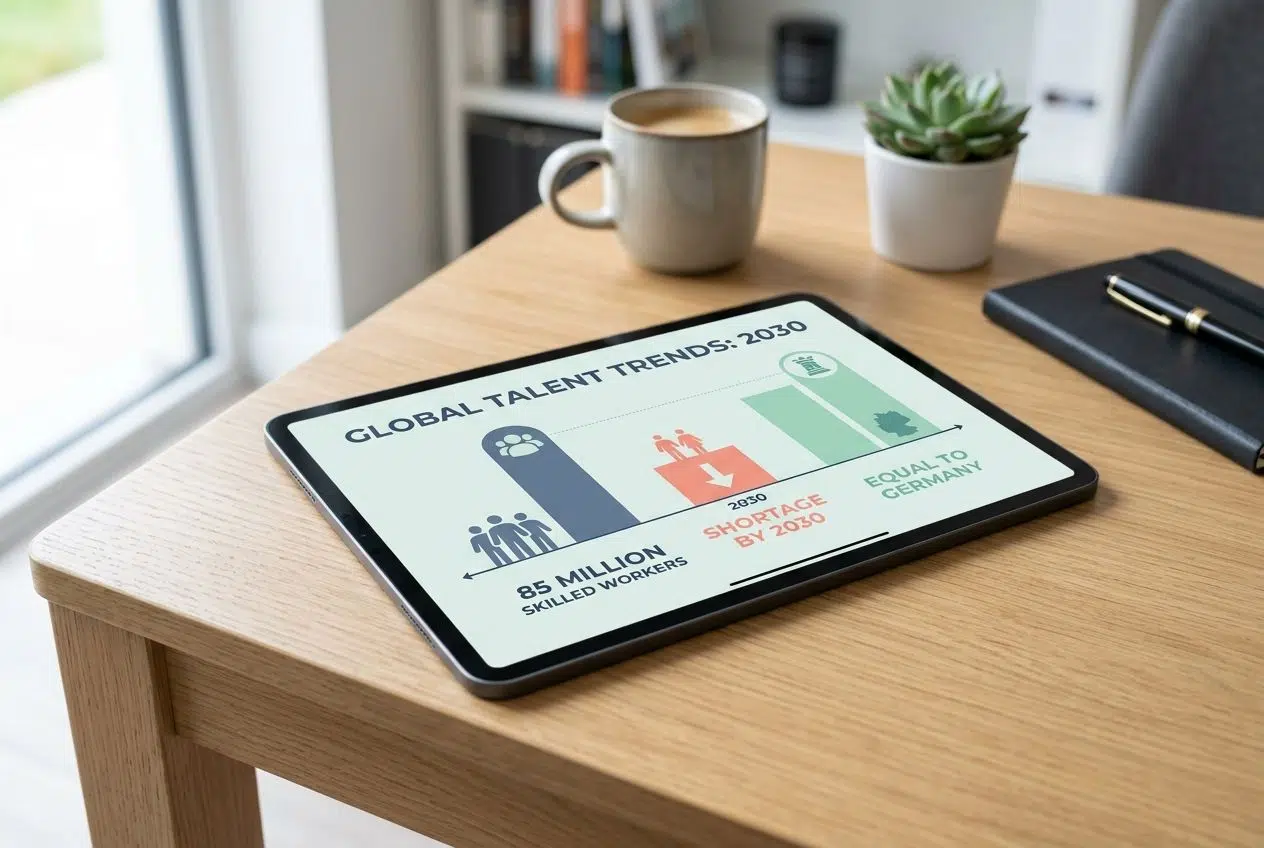
Did you know that by 2030, experts predict a shortage of 85 million skilled workers globally? That’s a massive number, equal to the population of Germany. In this blog, we’ll explore how online education is closing the global skills gap, with tips on access, flexibility, and real-world training that can boost your career.
Stick around.
Understanding the Global Skills Gap
Ever wonder why so many jobs sit empty while people hunt for work? The skills gap hits hard, a mismatch between what employers need and what workers offer, and it slows economies worldwide.
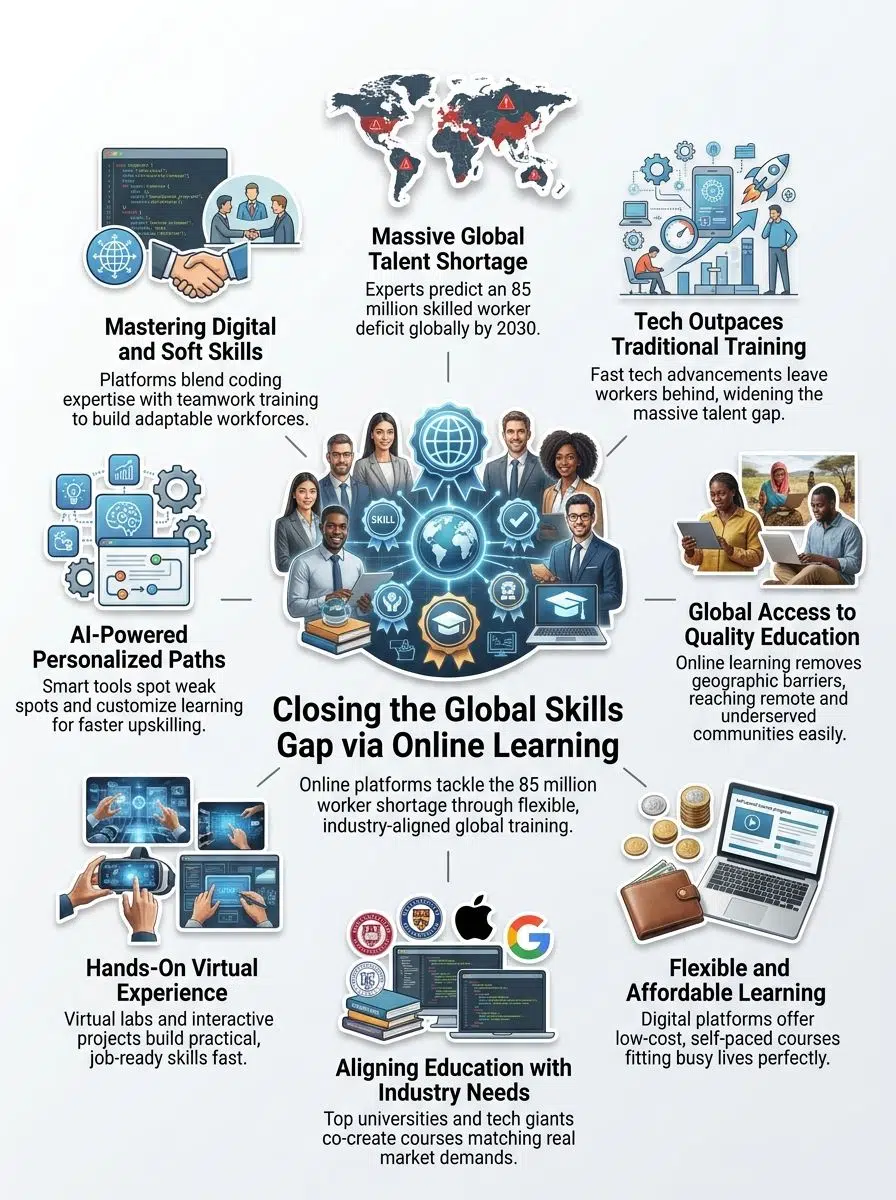
Definition and significance of the skills gap
The skills gap hits hard in today’s job market. It means a big mismatch between what workers can do and what employers need. This gap leaves millions out of work or stuck in low-pay jobs.
Companies struggle to find talent for roles in tech and health care. Think of it like a puzzle with missing pieces, slowing down growth everywhere.
The skills gap is not just a corporate problem; it’s a societal challenge that demands innovative solutions like online education. – World Economic Forum Report
Nations face huge costs from this issue. Lost productivity adds up to trillions in the global economy. Online learning steps in to fix it by boosting workforce development. People gain access to training programs that build key abilities. Digital education makes skills development flexible and inclusive for all.
Current challenges in addressing the skills gap
Companies face big hurdles in fixing the skills gap today. Rapid changes in technology leave workers behind, as new tools pop up faster than training can keep up. Think about it, like trying to catch a speeding train on foot.
Many education systems still teach old skills that don’t match what jobs need now. Access to good training stays limited in rural areas or for low-income people, widening the talent gap even more. Employers struggle to find people ready for the knowledge economy, which hurts growth.
Workers deal with their own tough spots in this mess. Aging populations mean fewer young people enter the workforce, but they often lack key digital skills. Training programs sometimes cost too much or take too long, pushing lifelong learning out of reach.
Consider juggling a job and family while chasing e-learning options that don’t fit your schedule. Flexibility issues make it hard for everyone to upskill, especially in global education setups. Remote learning helps some, but not all spots have strong internet for digital education.
Key Factors Contributing to the Skills Gap
Tech changes fast, leaving workers scrambling to keep up, like chasing a speeding train. The market needs to shift quickly, and old school ways just don’t cut it anymore, so let’s explore what fuels this mess and how we fix it.
Rapid technological advancements
Technology races forward at breakneck speed, everyone. Think about artificial intelligence, automation, and big data. These innovations reshape jobs overnight. Workers often lag behind, creating a massive skills gap.
Online learning steps in here, offering quick access to training programs in these hot areas. People can upskill from home, keeping pace with the digital education wave. This flexibility helps bridge the talent gap in our knowledge economy.

The pace of change has never been this fast, yet it will never be this slow again, says Justin Trudeau, highlighting how swift tech shifts demand lifelong learning.
Market demands shift just as fast, adding another layer to this challenge.
Changing market demands
Markets shift fast these days, people. Jobs that once needed basic skills now demand expertise in digital tools and data analysis. Think about it, companies crave workers who can handle AI and remote collaboration, but many people lack these abilities.
This mismatch widens the skills gap, leaving employers hungry for talent while job seekers scramble to catch up. Online learning steps in here, offering quick workforce training that matches these new demands.
Consider a scenario where the market needs to flip like a coin. One year, green energy jobs boom; the next, cybersecurity takes center stage. Workers feel the pinch, especially in the knowledge economy, where lifelong learning becomes key.
Digital education platforms provide flexibility and access to education, helping bridge this talent gap. E-learning programs focus on skill development, letting people upskill without quitting their day jobs.
Mismatches in education and training
Schools often teach outdated skills that don’t match what jobs need today. Employers hunt for workers who can handle new tech, but many graduates lack those tools. This mismatch creates a big talent gap in the workforce.
Picture a mechanic trained on old cars trying to fix electric vehicles; it just doesn’t click. Online learning steps in here, offering quick updates to bridge that divide. Digital education platforms provide training programs that align with real market demands.
They make access to education easy for everyone, no matter where you live. Aging workforces add to this problem as older employees retire without passing on key knowledge. Young people enter jobs without the right prep, leading to more gaps in skills development.
Think of it like a relay race where the baton drops every time. Remote learning helps by promoting lifelong learning and flexibility. E-learning lets workers reskill on their own time, fitting into busy lives.
Governments and companies team up to boost these efforts, focusing on inclusivity and global education. This way, the knowledge economy grows stronger for all.
Demographic shifts and aging workforces
These mismatches in education and training often tie right into bigger population changes that shake up the job market. Demographic shifts, like aging workforces in many countries, create a tough skills gap.
Think about it, older workers retire, and fewer young people step in to fill those spots. In places like Japan and Europe, populations age fast, leaving companies short on talent for key roles. This forces a rethink on workforce development, where lifelong learning becomes a must.
Online learning steps up here, offering flexible training programs that keep older workers sharp and help younger ones catch up quickly. Digital education makes global education accessible, no matter your age or location.
It promotes inclusivity, letting retirees pivot to new skills or stay in the game longer. With e-learning, people tackle the talent gap head-on, building a knowledge economy that values everyone.
The Role of Online Education in Closing the Skills Gap
The Role of Online Education in Closing the Skills Gap: Online education steps in like a bridge over troubled waters, making quality learning available to people everywhere, providing flexible schedules that fit busy lives, and matching what schools teach with what jobs really need.
Expanding access to quality education globally
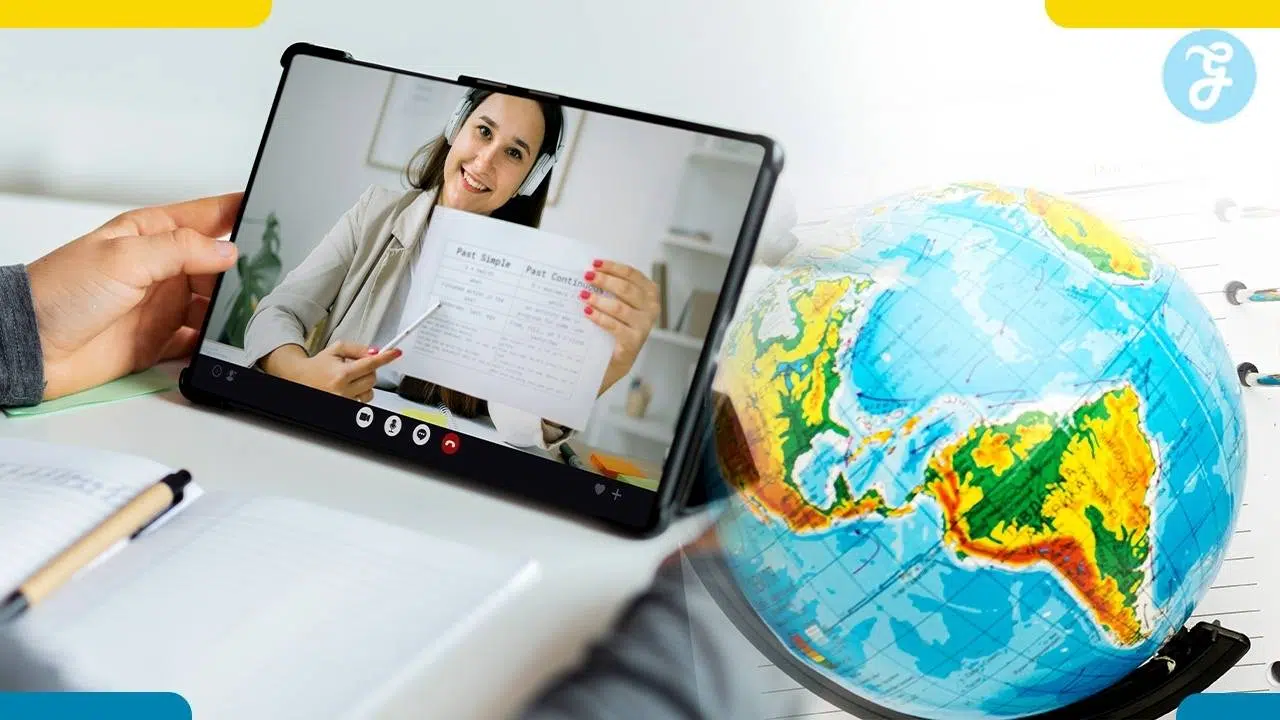
Online learning breaks down barriers to quality education around the world. People in remote villages can now tap into top courses from places like Harvard or MIT, no passport needed.
Think about it, a farmer in Kenya logs on to learn coding skills that boost his business. Digital education makes this possible by reaching people who once faced high costs or long travels. It levels the playing field, you know, giving everyone a shot at workforce training.
Flexibility stands out as a game-changer here. Workers juggle jobs and studies through e-learning platforms like Coursera or Khan Academy. These tools offer access to education anytime, anywhere, fostering lifelong learning in the knowledge economy.
Consider a single mom in Brazil upskilling in digital skills during nap time. Such inclusivity helps close the talent gap, building stronger global teams.
Offering flexible and affordable learning solutions
Beyond just reaching more people with quality education worldwide, online platforms shine by delivering flexible and affordable learning solutions that fit real lives. Consider a busy parent juggling work and family, yet still squeezing in digital education on their phone during lunch breaks.
These setups let learners pick their pace, access workforce training anytime, and avoid the high costs of traditional schools. Flexibility means no rigid schedules; you study when it suits you, making lifelong learning a breeze.
Affordable options, like low-cost e-learning courses from platforms such as Coursera or Khan Academy, slash barriers for people in remote areas chasing skill development. This approach tackles the skills gap head-on, turning education into something inclusive and practical for everyone.
Think about how this affordability sparks real change in the knowledge economy. Training programs online often cost a fraction of in-person classes, with many free resources boosting accessibility for underserved groups.
Workers reskill through remote learning modules suited to market needs, like coding or digital marketing basics. Such tools promote employment readiness without breaking the bank, and they adapt to global education demands.
Envision a factory worker in a small town upping their game via short, bite-sized videos on workforce development. Humor aside, it’s like having a personal tutor in your pocket, ready whenever you are, closing that talent gap one flexible lesson at a time.
Bridging the gap between academia and industry needs
Online education connects schools with real jobs, everyone. Think about it, companies need workers who can jump right in, but grads often lack those hands-on skills. Platforms like Coursera and edX team up with big names, such as Google and IBM, to create courses that match what employers want.
This setup lets students learn coding or data skills straight from industry pros. You get the best of both worlds, blending book smarts with job-ready know-how.
These programs cut the mismatch, making sure your training fits the market. Consider a student in rural India mastering AI through videos from Silicon Valley experts. It builds a bridge that feels solid and exciting.
Strategies Enabled by Online Education
Online education opens doors to smart ways that match skills with real needs, like a puzzle fitting together just so. It sparks hands-on adventures that keep people sharp and ready for tomorrow’s jobs, pulling you in for the full scoop ahead.
Skill benchmarking and personalized learning paths
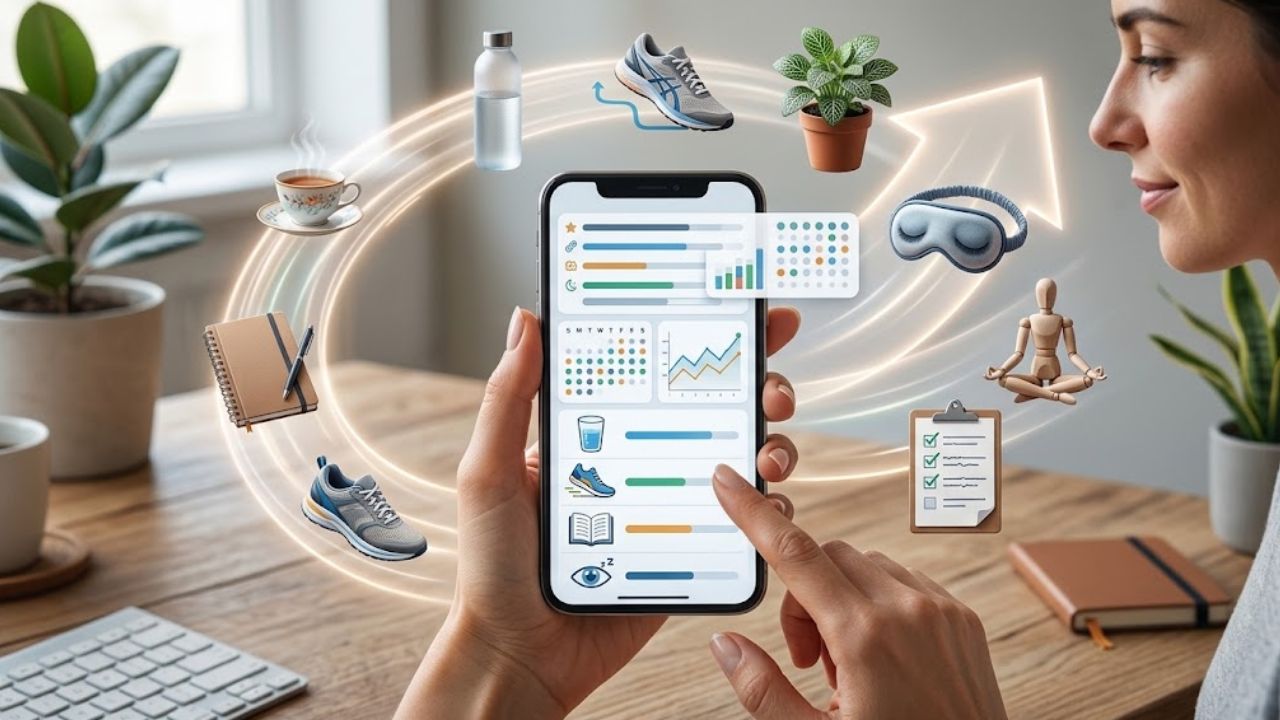
Skill benchmarking lets you measure your current abilities against job demands in the knowledge economy. Platforms like Coursera use data to spot gaps in workforce training. They create personalized learning paths that fit your pace and goals.
Think of it as a roadmap, guiding you through e-learning modules on digital skills. This approach boosts employment readiness for millions worldwide.
Personalized paths make lifelong learning feel less like a chore and more like a custom adventure. Workers in remote learning programs adapt quickly to changing needs. EdTech tools from companies like LinkedIn Learning offer flexible options.
You gain access to education that matches real industry trends. Such strategies promote inclusivity, helping close the talent gap one skill at a time.
Promoting experiential and hands-on learning opportunities
Online education turns theory into practice, people, by letting you jump straight into real-world tasks from your screen. It builds skills that stick, making you ready for the job market in ways traditional classes often miss.
- Online platforms simulate workplace scenarios through virtual labs, where you can experiment with coding or engineering without leaving home, boosting your hands-on skills and closing that nagging skills gap with practical know-how.
- Interactive courses on sites like Coursera pair video lessons with project-based assignments, so you tackle real problems, like designing a marketing campaign, which sharpens your workforce training and makes learning feel alive and relevant.
- Virtual reality tools in digital education let you walk through a factory floor or operate machinery remotely, offering flexibility that traditional setups can’t match, and helping people in rural areas gain global education access.
- Group projects in e-learning connect you with peers worldwide, fostering teamwork and problem-solving, much like a band jamming together to create a hit song, which enhances inclusivity and prepares you for the knowledge economy.
- Mentorship programs via online learning apps link you to industry pros for feedback on your hands-on work, turning abstract ideas into tangible skills development that bridges the talent gap with real guidance.
- Gamified modules in training programs reward you for completing experiential tasks, like building a business plan step by step, adding fun to lifelong learning, and making skill-building as addictive as your favorite app.
These hands-on approaches pave the way for encouraging continuous upskilling and reskilling, keeping you ahead in a dynamic world.
Encouraging continuous upskilling and reskilling
People often feel stuck in their jobs, but online education changes that. Platforms offer quick courses on new skills, like coding or data analysis. Workers reskill without quitting work.
This keeps people sharp in a quick job market. Think of a mechanic learning drone repair online; he boosts his career overnight. Digital education makes lifelong learning easy and fun.
Companies see big wins too. They push staff to upskill through e-learning programs. This cuts the skills gap fast. Training happens anytime, anywhere, with flexible schedules. Remote learning builds a strong workforce ready for tomorrow.
These efforts work best with team-ups between groups.
Collaborative Efforts to Bridge the Gap
Governments team up with schools to roll out online courses that match real job needs, making skills training a team sport. Companies pour money into slick platforms, while EdTech startups spark fresh ideas that turn workers into pros, so keep reading to see how these alliances reshape the workforce.
Partnerships between governments and educational institutions
Partnerships between governments and educational institutions spark real change in online learning. These teams create training programs that boost workforce development. They focus on accessibility, so more people can join digital education from anywhere.
See a bridge linking old school ways to new tech needs, helping close the skills gap fast. Institutions share resources, while officials fund flexible options for lifelong learning. This setup makes global education inclusive, turning talent gaps into opportunities.
Such collaborations often roll out e-learning platforms with industry input. They promote skill development through remote learning, fitting busy lives. Workers gain employment readiness without leaving home.
EdTech tools from these partnerships enhance knowledge economy growth. Flexibility shines here, letting people upskill at their own pace. Inclusivity drives it all, as programs reach underserved spots worldwide.
Industry investments in online training platforms
Companies pour money into online training platforms to help workers keep up with job demands.
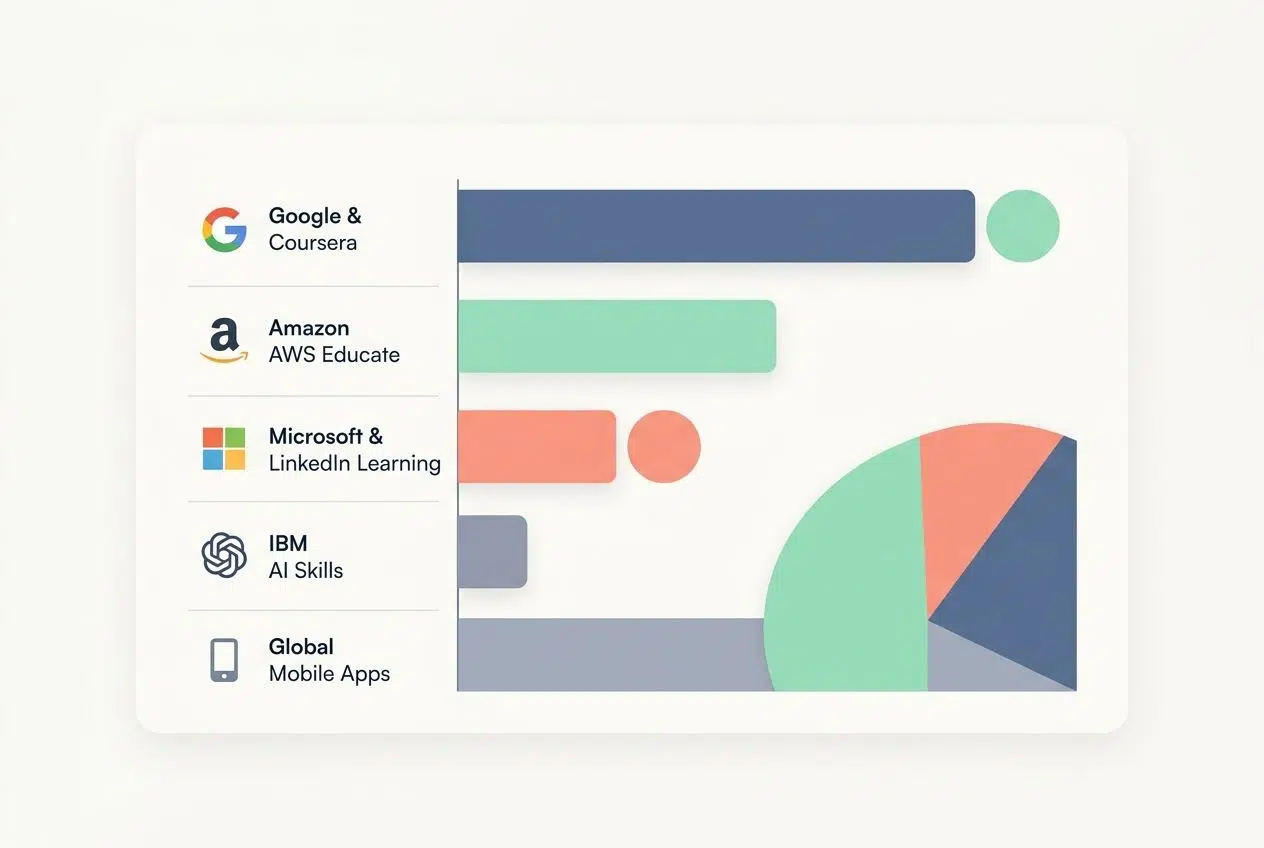
| Investment Area | How It Helps Close the Skills Gap |
|---|---|
| Tech giants like Google | Google invests in Coursera, reaching millions with free courses on data analytics. Workers gain skills fast, no classroom needed. |
| Amazon’s big bets | Amazon funds AWS Educate, training people in cloud computing. This matches what employers want right now. |
| Microsoft’s push | Microsoft backs LinkedIn Learning, offering over 16,000 courses. People upskill at their own pace, staying relevant in tech jobs. |
| Corporate training funds | Companies like IBM spend millions on platforms for AI skills. Employees learn hands-on, fixing real-world mismatches. |
| Global reach efforts | Firms invest in mobile apps for remote areas. Think of rural workers in India accessing job training via phone. |
EdTech startups take this innovation even further with fresh ideas for skill building.
The role of EdTech startups in innovative skill development
These big industry investments pave the way for fresh players. EdTech startups jump in with bold ideas to boost skill development. They create fun apps that make learning feel like a game.
Take Duolingo, for example. This startup turns language skills into daily habits with quick lessons. Workers everywhere gain digital education through remote learning. Such tools fit busy lives and promote lifelong learning.
Startups like Coursera team up with top schools for e-learning courses. They focus on workforce training in hot fields like tech. Picture a factory worker switching to coding, thanks to flexible programs.
EdTech firms spot talent gaps and fill them fast. Their innovative approaches make global education more inclusive. People in remote areas now access training programs that build employment readiness.
Future Trends in Closing the Skills Gap
AI drives learning tools that adapt to your pace, like a smart coach spotting your weak spots and building your strengths. Workers sharpen digital skills to tackle tech waves, and soft skills add that human touch, turning teams into powerhouse crews.
Growth of AI-powered learning tools
AI boosts online learning with smart tools that spot your weak spots fast. Think of a tutor who knows you better than you do, who adjusts lessons on the fly for skills development in digital education.
Tools like adaptive platforms from Duolingo or Coursera use machine learning to match workforce training to real job needs. This growth cuts the talent gap by making lifelong learning easy and fun. Workers in tech fields reskill quickly, staying ahead in the knowledge economy.
EdTech startups push AI for remote learning that feels personal. They build apps with chatbots that guide you through tough topics, like coding or soft skills. Accessibility jumps, letting people in rural areas join global education without leaving home.
Flexibility shines here; you learn at your own pace while closing the skills gap one module at a time. Training programs get smarter, blending fun quizzes with real-world tasks for better employment readiness.
Increased focus on digital and soft skills
Online education ramps up the spotlight on digital skills like coding and data analysis. People everywhere grab these tools through flexible platforms. Think of it as a bridge over the talent gap.
Workers adapt fast in the knowledge economy. Soft skills get a big push too, with courses on teamwork and communication. These build emotional smarts for real jobs. E-learning makes it easy to mix both types of skills. Students from remote spots join in without hassle. This shift powers workforce training for tomorrow’s demands.
Envision a setting where lifelong learning feels like second nature. Digital education stresses problem-solving and adaptability. Employers seek people who handle change with ease.
Online programs offer practical exercises in virtual settings. They foster inclusivity by reaching diverse groups. Global education thrives as tech connects learners. Skill development focuses on what markets crave now. Training programs evolve to include empathy and creativity. Everyone benefits from this accessible approach.
Wrapping Up
Online learning keeps pushing boundaries in workforce development. Picture a world where anyone can acquire skills from home, no matter where they live. Digital education opens doors to lifelong learning, making talent gaps shrink day by day.
Governments team up with platforms for better training programs. Hey, that flexibility means you learn on your time, right? It builds inclusivity and helps with global education needs. E-learning turns dreams into jobs, as simple as that.
Skills development thrives with remote learning tools. Think about how accessibility levels the playing field for all. Workforce training adapts to the knowledge economy, fast. EdTech sparks fresh ideas in employment readiness.
You feel the shift, don’t you? Continuous upskilling becomes a habit, not a chore. This path leads to stronger teams everywhere.
Frequently Asked Questions (FAQs) on Closing The Global Skills Gap
1. What is the global skills gap, and why does it matter?
You know, the global skills gap is like a big hole between what jobs need and what people can do; it leaves folks out of work and businesses scrambling. Online education jumps in to fill that hole by teaching key skills right from your couch. Think of it as a bridge over troubled waters, helping everyone keep up in a fast-changing world.
2. How does online education close this skills gap?
Online education offers courses anyone can access, no matter where they live. It lets you learn at your own pace, picking up hot skills like coding or marketing. Plus, it’s often free or cheap, so it’s a real game-changer for closing that gap.
3. Who benefits most from online learning in fixing the skills gap?
Workers in remote areas get a huge boost, grabbing new abilities without moving. Students and career changers love it too; they build resumes fast.
4. Can online education really predict job market needs to close the gap?
Sure, platforms use data to spot trends and update lessons quickly. This way, you learn what’s hot now, not yesterday’s news. It’s like having a crystal ball for your career, keeping skills fresh and relevant.