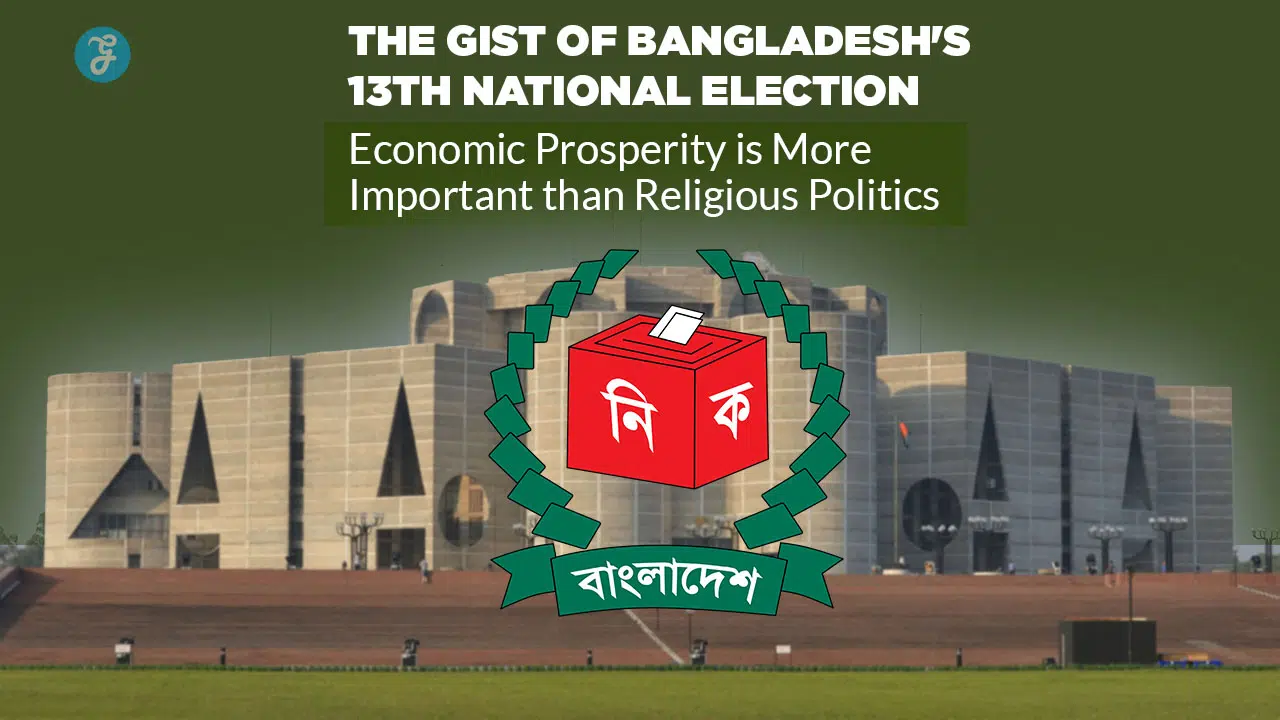
On February 12, 2026, Bangladesh pulled off a democratic miracle. Eighteen months after the bloody July 2024 youth uprising that sent Sheikh Hasina fleeing into exile and ended her 15-year autocratic grip, the nation finally went to the polls. The stakes were astronomical. Here is the gist of Bangladesh election result 2026.
The results delivered a seismic shock to the political establishment. Tarique Rahman’s Bangladesh Nationalist Party (BNP) secured a commanding two-thirds majority, sweeping 212 out of 299 contested seats. The Islamist Jamaat-e-Islami, which spearheaded an aggressive 11-party alliance—cobbling together factions like the Khelafat Majlis and splinter groups from the National Citizen Party—hit a brick wall. They secured just 77 seats.
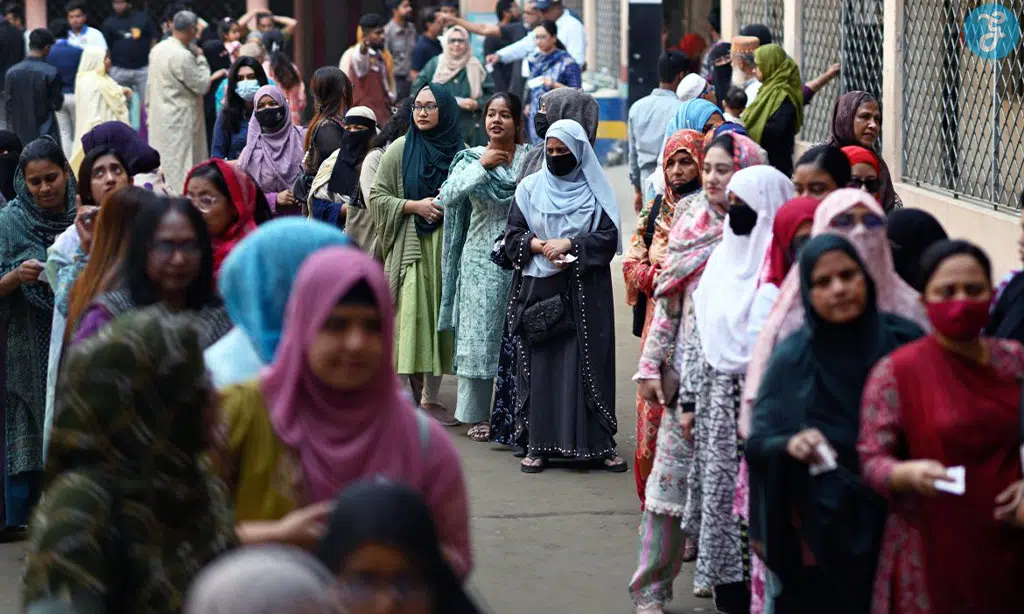
Voter turnout surged to 59.4%, obliterating the dismal, heavily engineered 42% we saw in the rigged elections of the past decade. Simultaneously, the electorate overwhelmingly approved the “July Charter” referendum, permanently locking in structural reforms like a two-term limit for prime ministers. This wasn’t just a routine transfer of power; it was a definitive, generational pivot.
Bangladesh Election Result 2026: My Observations
I spent the weeks leading up to the election talking to university students in Dhaka, garment workers in Gazipur, and small business owners in Sylhet. If you listened to the international punditry, you would have thought Bangladesh was teetering on the edge of an Islamist takeover. Analysts warned that with the Awami League out of the picture, Jamaat-e-Islami’s highly disciplined grassroots network would inevitably hijack the revolution.
They were dead wrong.
What the talking heads missed is that the architects of the 2024 uprising weren’t fighting for a theocracy. They were fighting for a meritocracy. They bled on the streets of Shahbag to dismantle a fascist system that stole their jobs, silenced their voices, and looted the banks. When the dust settled, they looked at the 2026 ballot and made a ruthless, pragmatic calculation. They didn’t want a new flavor of extremism; they wanted a functional economy.
The Voter’s Veto: Why Groceries Beat Ideology
We need to talk about the economic anxiety driving this electorate. Bangladesh is still nursing the financial wounds inflicted by a decade and a half of capital flight and the massive disruptions of the interim period. By late 2025, GDP growth had slowed to a grueling 3.9%—the lowest in decades.
For a 22-year-old graduate staring down a youth unemployment rate of 11.46% and a reality where 84% of the labor force is trapped in the informal sector, Jamaat’s religious rhetoric simply doesn’t pay the rent.
Tarique Rahman and the BNP read the room. Instead of relying purely on their historical legacy, they ran a campaign that looked more like a modern economic summit than a traditional South Asian political rally. They pushed a manifesto built around “Make in Bangladesh” tech hubs, the introduction of international payment gateways for freelancers, and a pledge to bump public health spending to 5% of the GDP.
Jamaat, conversely, relied on historical grievances and the purity of their ideology. They built an 11-party coalition hoping to consolidate the conservative base, but they completely misjudged the electorate’s pain threshold. When you are struggling to buy basic lentils and rice amid 8.5% inflation, political theater feels like an insult. The youth didn’t vote for the BNP because they suddenly became die-hard nationalists; they voted for the BNP because the party offered a spreadsheet, not a sermon.
2026 Election Market Data & Legislative Milestones
- The Mandate: BNP secured 212 seats; Jamaat-e-Islami’s 11-party alliance capped at 77.
- Voter Engagement: Turnout hit 59.44%, with a historic 80.11% participation rate among diaspora voters via the newly introduced postal ballot.
- The Referendum: 60.26% of voters voted “Yes” on the July Charter, constitutionally mandating judicial independence and capping prime ministerial tenure.
- Economic Pledges: BNP’s winning platform included the “Family Card” for subsidized essentials and scaling health expenditure to 5% of GDP.
The Macroeconomic Reality Check: A Tale of Two Futures
To understand why the electorate voted the way they did, you have to look at the numbers. The interim government managed to halt the free-fall of the Awami League’s final days, bringing inflation down from a peak of 11.6% to around 8.5%. But stabilization is not growth. Factory closures in late 2024 and 2025 cost the garment sector millions of dollars daily, and foreign direct investment (FDI) equity took a massive hit due to political uncertainty.
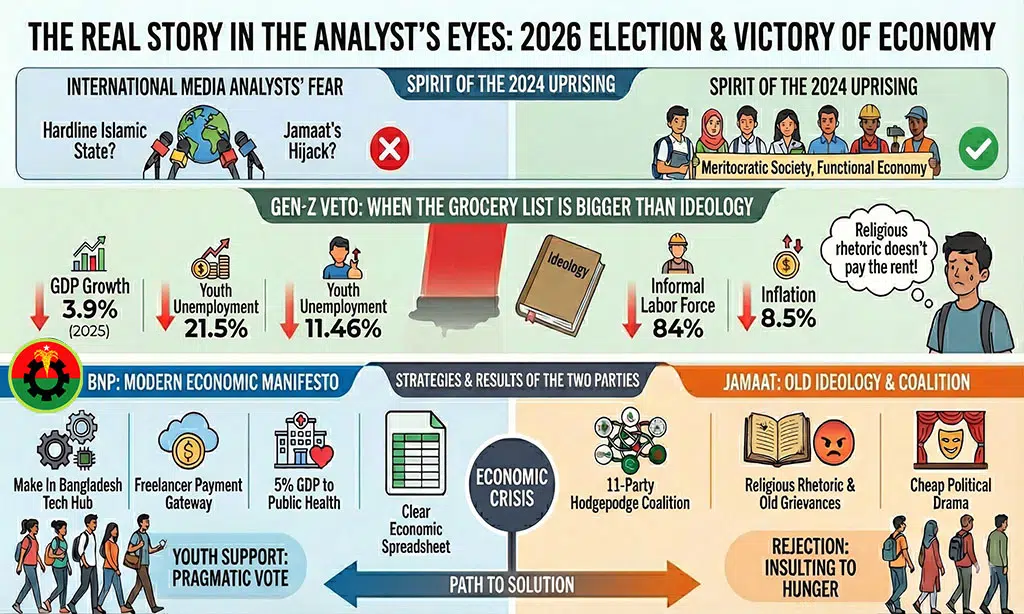
Voters had a clear choice: double down on ideological isolationism with Jamaat, which threatened to spook Western buyers and stall the garment industry, or back the BNP’s centrist reform agenda projected to jumpstart the economy.
The 2025 Baseline vs. The 2026 BNP Mandate
| Economic Indicator | The 2025 Interim Baseline (The Crisis) | The BNP’s 2026-2027 Projected Mandate (The Cure) |
| GDP Growth | 3.9% (Lowest in decades due to factory shutdowns and political instability). | Projected rebound to 5.1% – 5.5% fueled by stabilized FDI and policy continuity. |
| Inflation (CPI) | 8.5% (High food costs crushing household purchasing power). | Targeted reduction to 6.5% via eased import duties and strict monetary policy. |
| Youth Unemployment | 11.46% (Severe crisis among urban graduates). | Phased reduction via “Make in Bangladesh” tech hubs and freelance payment integrations. |
| Foreign Direct Investment | Net equity inflows stalled; heavy reliance on reinvested earnings. | Re-engaged Western and regional investors targeting a 15% YoY bump in tech and infrastructure. |
| Export Health (RMG) | Vulnerable; plagued by gas shortages and 2025 labor strikes. | Stabilized; strong focus on maintaining global supply chain integration and LEED certifications. |
The Human Impact: Women Voters Drew the Line
You cannot understand this election without looking at the female vote. Bangladesh’s economic miracle over the last two decades was literally stitched together by millions of women in the ready-made garment sector. They are the backbone of the economy, and they know their worth.
During the campaign, Jamaat’s leadership made several tone-deaf, regressive comments regarding women’s rights and their place in the workforce. In 2026, you simply cannot threaten the autonomy of the Bangladeshi woman and expect to win a national election. The blowback was immediate and severe. Female voters recognized that trading Hasina’s authoritarianism for Jamaat’s social conservatism was a raw deal. They rallied behind the BNP because the party promised stability without demanding they retreat into the shadows.
The Geopolitical Stakes: A Moderate Dhaka Calms the Neighborhood
Let’s look at the map. Bangladesh sits in a hyper-sensitive geopolitical pressure cooker. New Delhi spent the last 18 months in a state of high anxiety after losing its closest ally in Sheikh Hasina. Washington watched nervously, fearful that a radicalized Dhaka could destabilize the Bay of Bengal.
A Jamaat-led victory would have been a diplomatic nightmare. It would have triggered immediate capital flight, stalled foreign direct investment, and potentially isolated Bangladesh from key Western markets just as the country prepares to graduate from Least Developed Country (LDC) status in November 2026.
The BNP understood this. Tarique Rahman actively projected moderation, assuring international partners that a BNP government would respect treaties, crack down on border friction, and protect minority rights. Look at the immediate aftermath: within hours of the results, Indian Prime Minister Narendra Modi was on the phone with Rahman, extending an olive branch. The US Secretary of State signaled readiness to cooperate. BNP was the only viable vessel for a mandate that wouldn’t terrify foreign investors.
The Transition Matrix: Winners vs. Losers
| Stakeholder Group | Under Jamaat’s Ideological Vision (Status Quo Alternative) | Under BNP’s Pragmatic Mandate (The Chosen Reality) |
| Gen-Z Workforce | Risk of global isolation; limited tech investment. | Integration with global payment systems; “Make in Bangladesh” tech hubs. |
| Female Labor Force | Threat of regressive social policies hindering workplace mobility. | Maintained autonomy; focus on subsidized commodities via “Family Card.” |
| Foreign Investors | High risk of sanctions; geopolitical friction with India/US. | Stabilized relations; transparent economic policy focusing on FDI. |
| Democratic Institutions | Potential substitution of secular fascism with religious dogmatism. | Institutional reset via the July Charter; hard limits on executive overreach. |
The Institutional Reset: Why the July Charter Mattered
The parallel referendum on the July Charter was the quiet genius of this election. By coupling the parliamentary vote with a vote on structural reform, the interim government led by Muhammad Yunus forced every political party to show their hand.
The charter demanded a bicameral legislature, genuine judicial independence, and a hard two-term limit for the Prime Minister. By endorsing this, the electorate sent a chilling warning to Tarique Rahman: We are hiring you, but we are putting handcuffs on you. The BNP embraced the charter. They accepted the limits on their own future power because they knew it was the only way to earn the trust of a traumatized, hyper-vigilant public. Jamaat’s failure to capture this institutional zeal proved they were out of touch with the post-revolution zeitgeist.
The “Default Win” Myth (And Why It Fails)
Now, let’s deal with the elephant in the room. Critics—especially those loyal to the exiled Awami League—argue that the BNP’s landslide is an illusion. They claim it’s merely a “default win” because Hasina’s party was proscribed from participating.
That argument collapses the moment you look at the raw numbers.
If this were purely an anti-Awami protest vote, Jamaat-e-Islami would have swept the rural belts. Jamaat ran a massive, well-funded 11-party alliance. They had candidates everywhere. If the voters simply wanted to punish the old regime without critically assessing the new one, Jamaat would be sitting on 150 seats today. Instead, they hit a hard ceiling at 77.
Furthermore, you don’t get a near 60% voter turnout—the highest legitimate turnout in decades—just to cast a default vote. Voters showed up to the polls, waited in line, and deliberately checked the box for the BNP and the July Charter. They actively chose a specific economic and institutional path. Dismissing this as a default win robs the Bangladeshi people of their agency and ignores the sophisticated political calculus of the Gen-Z voter.
Global Benchmarks: Post-Uprising Electoral Outcomes
| Nation / Uprising | Post-Revolution Electoral Choice | Economic Trajectory | Long-Term Democratic Health |
| Egypt (2011) | Embraced ideological extremes (Muslim Brotherhood). | Severe capital flight; inflation spikes. | Democratic collapse; return to military autocracy. |
| Tunisia (2011) | Initial compromise; later fragmented. | Stagnation; failure to deliver youth jobs. | Creeping authoritarianism; institutional decay. |
| Bangladesh (2026) | Rejected extremes; chose centrist economic pragmatism (BNP). | Poised for FDI recovery; mandate for tech/infrastructure. | Strengthened by July Charter (term limits, judicial independence). |
The Roadmap: How to Keep the Mandate
The BNP has won the election, but they haven’t won the war. The 2024 uprising proved that the Bangladeshi public now has a zero-tolerance policy for corruption and authoritarianism. Tarique Rahman is inheriting a wounded economy and a highly demanding, politically literate youth base that knows how to topple governments.
To survive, the BNP must execute a flawless first 100 days.
First, they must aggressively pursue the extradition of corrupt officials who fled during the uprising, proving that accountability isn’t just a campaign slogan. Second, they need to fast-track the “Make in Bangladesh” tech initiatives to instantly signal to Gen-Z that job creation is the apex priority. Finally, they must govern with radical transparency. The days of backdoor deals and crony syndicates are dead.
If the BNP thinks this 212-seat majority gives them a license to rule like the Awami League did, they will be back out on the streets faster than they can blink.
The Economic Cost of Inaction: Now vs. 2030
| Policy Area | If BNP Abandons the 2026 Mandate (Cost of Inaction) | If BNP Executes the Roadmap (The 2030 Vision) |
| Youth Employment | Brain drain accelerates; youth unemployment triggers new mass protests. | “Make in Bangladesh” creates a robust freelance and tech-manufacturing hub. |
| Institutional Trust | July Charter becomes a dead letter; hyper-partisanship returns. | Term limits enforce accountability; independent judiciary restores public faith. |
| Foreign Policy | Border friction with India escalates; FDI freezes amid uncertainty. | Diplomatic stabilization; renegotiated Ganga waters treaty; surging regional trade. |
The Takeaways
Bangladesh just delivered a masterclass in democratic resilience. The youth took down a dictator, endured 18 months of painful interim restructuring, and then the voters went to the ballot box to surgically reject religious extremism in favor of economic pragmatism. They forced a legacy political party to modernize, accept term limits, and run on a platform of spreadsheets rather than slogans.
The BNP didn’t win because the Awami League was banned. The BNP won because they looked at a broken, bleeding country with 3.9% GDP growth and offered a credible blueprint for survival, while Jamaat offered nothing but echoes of the past.
Now, the real test begins. The voters have handed Tarique Rahman the keys to the country, but they’ve kept their hands firmly on the emergency brake. Will the new government actually rebuild the institutions they promised to protect, or will they test the patience of a generation that already knows how to start a revolution?