There’s something quietly profound about making coffee the right way. It’s part chemistry, part meditation, and part small daily luxury. While coffee drinkers come in many varieties—some chase caffeine, others chase flavor—most can agree on one thing: a truly perfect cup of Joe feels like a personal victory. It’s more than a beverage. It’s a ritual that defines the start of the day, sets the tone, and maybe even restores a little faith in ordinary pleasures.
Why Coffee Quality Starts With the Right Mindset
Before you even grind the beans, the mindset matters. Brewing coffee isn’t just about extracting caffeine from roasted beans, it’s about intention. When people rush through the process, they often miss what makes it special. Coffee, unlike most quick fixes in life, rewards patience. The perfect cup asks you to slow down and pay attention to the details: the grind size, the water temperature, and yes, even the freshness of the beans. There’s something grounding about taking control of the process, instead of settling for whatever comes out of a drive-through cup.
The sensory connection alone changes how the brain perceives the coffee. Smelling freshly ground beans triggers anticipation, which enhances the overall taste experience. You can actually train your palate to notice notes of chocolate, fruit, or toasted nuts. It’s one of the few morning tasks where science and mindfulness intersect naturally.
Tools That Make or Break the Brew
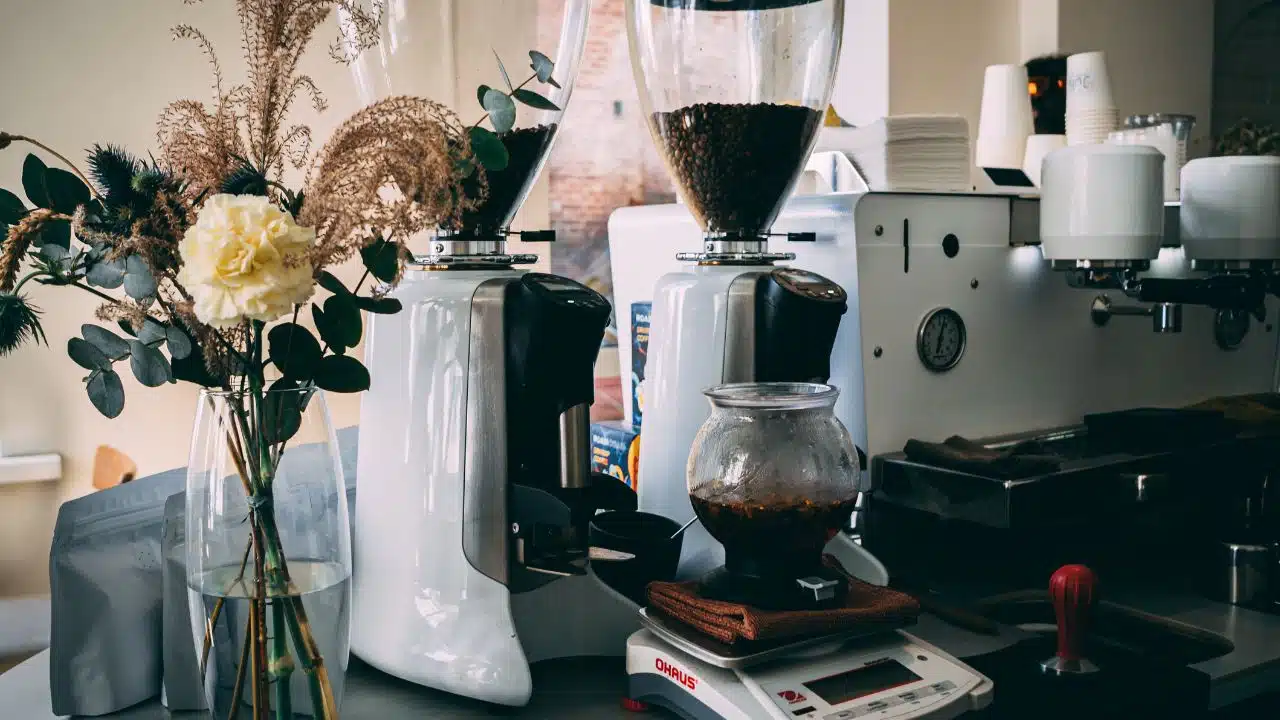
The best home setups don’t need to look like a laboratory, but they do need to respect the science. Precision scales, quality grinders, and consistent temperature control aren’t luxuries for show, they’re how professionals ensure flavor balance and consistency. Without those, even great beans can taste flat or bitter.
It also helps to invest in a solid machine. High-quality coffee machines are a must for anyone serious about achieving café-level results at home. These machines manage temperature stability and pressure in a way that older, cheaper models just can’t. The difference shows up in the first sip: smooth, full-bodied, and layered with flavor instead of just being hot and strong. A good brewer does more than heat water; it brings out the coffee’s best character.
Understanding the Science Behind the Flavor
At its core, coffee brewing is chemistry in motion. The extraction process is about dissolving compounds that create aroma, taste, and texture. The goal is balance. Under-extract, and you get sour, thin coffee. Over-extract, and you end up with bitterness that lingers too long. The right water-to-coffee ratio, usually around one part coffee to fifteen parts water, creates harmony between sweetness and acidity.
Temperature control plays an equally large role. Ideal brewing happens between 195 and 205 degrees Fahrenheit, where the water can properly extract flavor compounds without burning them. Even the type of water matters. Tap water with too many minerals can alter taste, while filtered water gives a cleaner cup. When every variable aligns, the flavor feels effortless. But it’s that invisible precision that transforms an average brew into something remarkable.
How Coffee Culture Shapes Connection
Coffee isn’t just a drink, it’s an unspoken language. A shared pot between friends can spark hours of conversation, while a solo cup can become a moment of clarity before the world wakes up. The ritual itself connects people across cultures and generations. It’s why so many coffee lover blogs thrive online, each filled with enthusiasts sharing tips, tasting notes, and brewing experiments. That sense of shared curiosity keeps coffee culture alive and evolving.
Beyond the beans and machines, coffee’s real draw is emotional. It’s comfort in routine, creativity in experimentation, and warmth in community. The social side of coffee is what turns it from a beverage into a bridge between people. Whether it’s a neighborhood café, an office kitchen, or a late-night pour-over at home, coffee quietly brings people together in a way few other things can.
The Beauty Of Getting It Right
When it all comes together, the aroma, the balance, the first sip, it feels like more than just caffeine doing its job. It’s the satisfaction of knowing you created something with care. That feeling has nothing to do with price or status and everything to do with presence.
Perfecting your coffee isn’t about chasing some ultimate standard, it’s about paying attention. In a world built on shortcuts, brewing coffee properly is an act of defiance. It reminds you that the best things take a little time and a little effort. You don’t just drink the coffee, you participate in it.
In the end, the science of coffee only matters because of what it gives back. Brewing the perfect cup is equal parts discipline and joy, proof that small rituals can hold real meaning. Every time you grind, pour, and wait, you’re reclaiming a moment of intention in a fast-moving day. That’s the secret behind a truly great cup of Joe. It’s not just science. It’s soul.