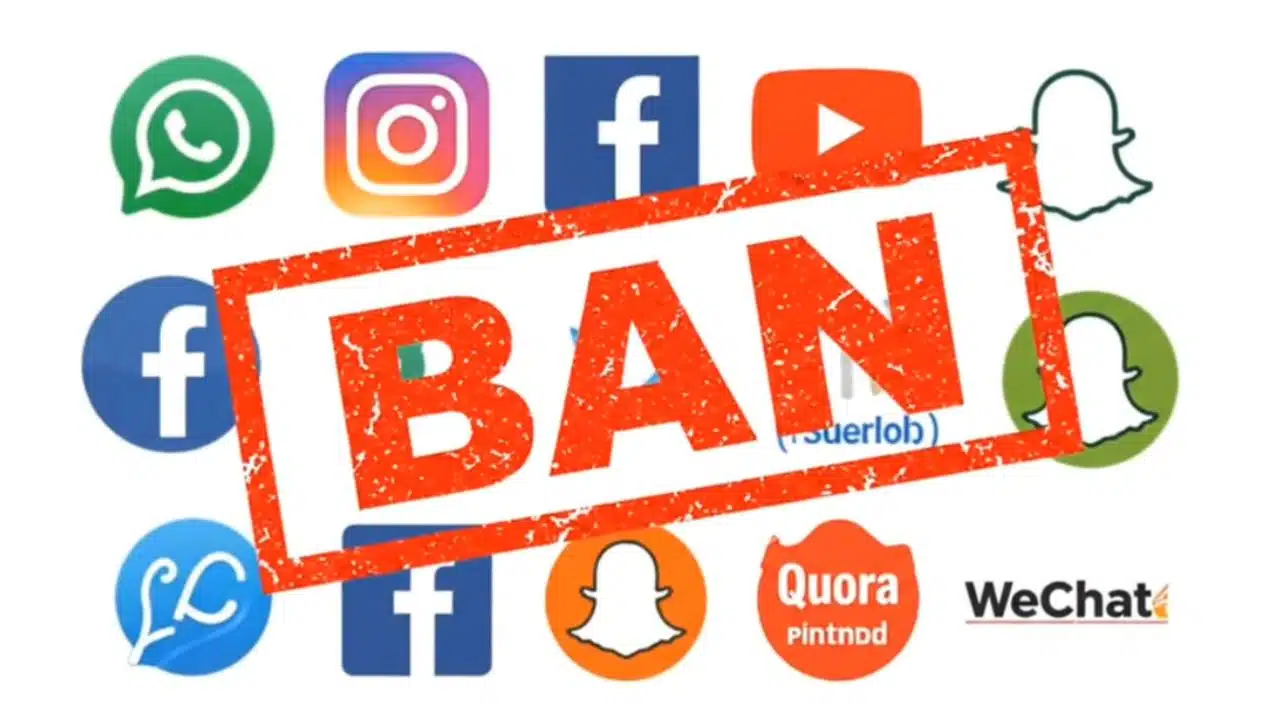
Nepal’s government took a bold step on September 4, 2025, by announcing a ban on 26 major social media platforms, including global giants like Facebook, Instagram, YouTube, X (formerly Twitter), WhatsApp, and LinkedIn. The move was presented as a direct consequence of these companies’ failure to comply with mandatory registration rules within the country.
The decision was confirmed by Nepal’s Minister for Communication and Information Technology, Prithvi Subba Gurung, who stated that the ban would be enforced immediately. The government emphasized that companies were repeatedly given notices and adequate time to comply with requirements but ignored the directives.
Why Did Nepal Enforce the Ban?
At the heart of the decision lies a Supreme Court directive that no social media platform should operate in Nepal unless it is formally registered with the government.
The Ministry of Communication had issued a seven-day ultimatum on August 28, 2025, instructing platforms to:
- Register their companies officially with the Nepali government.
- Establish a local liaison office or appoint a representative in Nepal.
- Create grievance redressal mechanisms to handle complaints.
- Ensure that platforms follow self-regulation practices to minimize harmful content.
Despite this deadline, several of the world’s most widely used platforms did not comply, leading to Thursday’s mass blocking order.
Platforms That Will Continue Operating
Not every social platform has been barred. Some companies did comply with registration rules and will remain available to users in Nepal. These include:
- TikTok
- Viber
- WeTalk
- Nimbuzz
- Poppo Live
In addition, Telegram and Global Diary are in the process of completing their registration. For that reason, they have not been banned yet.
The Ministry has also clarified that once non-compliant platforms meet the registration requirements, access could be restored without delay.
Government’s Justification: Accountability and Security
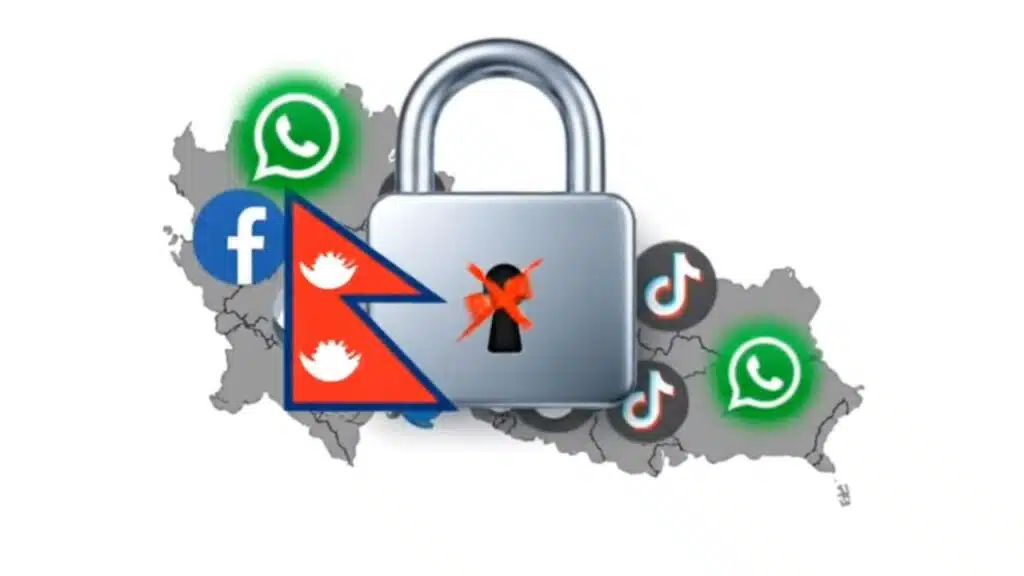
According to Minister Gurung, the ban is not intended as a tool of censorship but as a necessary regulatory measure. The government has argued that social media platforms must be accountable for the content they host and that users should also be responsible for what they share online.
The official reasoning includes:
- Preventing the spread of hate speech, misinformation, and disinformation.
- Curbing cybercrime and online financial scams.
- Maintaining social harmony and national security.
- Ensuring that large international platforms contribute fairly to Nepal’s regulatory framework.
The government is also drafting a new social media regulation bill, currently tabled in parliament, which seeks to formalize oversight and ensure accountability.
Strong Backlash from Rights Groups and Journalists
The sweeping ban has immediately triggered intense criticism from civil society, journalists, and rights groups. Many see it as a dangerous precedent that threatens:
- Freedom of expression – Users fear their voices will be silenced if platforms are restricted.
- Right to information – Nepalese citizens will lose easy access to global news, education, and networking opportunities.
- Digital connectivity – Businesses, students, and freelancers heavily reliant on Facebook, LinkedIn, and YouTube face sudden disruptions.
The Federation of Nepali Journalists described the government’s step as “immature and excessive”, arguing that stronger regulation—not outright prohibition—was the better solution. Digital rights advocates warn that the law could be weaponized to punish political critics and activists.
Practical Challenges for Citizens and Businesses
Beyond censorship concerns, the ban raises practical challenges:
- Students and educators who rely on YouTube for tutorials and free lectures will lose access to vital resources.
- Small businesses and startups that market their products through Instagram, Facebook, and LinkedIn may struggle to connect with customers.
- Job seekers who network on LinkedIn will face new hurdles in finding opportunities.
- Citizens may increasingly turn to VPNs to bypass restrictions—potentially raising cybersecurity risks and complicating monitoring for internet providers.
For a country like Nepal, which has a growing base of digital entrepreneurs and freelancers, the ban could have a serious economic impact.
Global and Regional Context
Nepal’s move reflects a wider trend in South Asia, where governments are tightening control over digital platforms:
- India has demanded social media companies appoint grievance officers and comply with IT rules.
- Pakistan has intermittently restricted platforms like TikTok over content concerns.
- Bangladesh has temporarily shut down Facebook and WhatsApp during political unrest.
By enforcing one of the most sweeping bans in the region, Nepal is positioning itself as a strict regulator, though critics warn it risks isolating itself from the global digital economy.
What Happens Next?
The government insists that the restrictions are temporary and conditional. If companies like Meta (Facebook, Instagram, WhatsApp), Google (YouTube), and X Corp register and appoint local representatives, the ban could be lifted.
Meanwhile, parliament is expected to debate the upcoming Social Media Regulation Bill, which could codify these rules into law. Rights groups are likely to push back, demanding guarantees that the law will not be used for censorship or political suppression.
Nepal’s decision to ban Facebook, YouTube, X, and more than 20 other platforms marks one of the most significant crackdowns on digital communication in South Asia. The government frames it as a regulatory necessity to enforce accountability, but critics see it as a serious threat to democracy and digital freedom.
The coming weeks will determine whether global tech giants choose to register in Nepal, or whether the country’s citizens will be forced to navigate the digital world with fewer options, more restrictions, and growing concerns over their right to free expression.
The Information is Collected from The Hindu NDTV.