The Kennedy Center Honors, one of America’s most prestigious cultural awards, has undergone a dramatic transformation in 2025. The changes follow Donald Trump’s takeover as chairman of the Kennedy Center earlier this year. In a sweeping move, Trump removed 18 members of the board, including long-serving chair David M. Rubenstein and president Deborah Rutter, and replaced them with loyalists aligned with his political agenda. This unprecedented restructuring has shifted the organization away from its long-standing tradition of bipartisan independence and arts-first governance.
The shift triggered resignations from high-profile artists and cultural leaders, including opera star Renée Fleming, writer and producer Shonda Rhimes, and actor Issa Rae. These figures cited concerns about political interference and a loss of integrity in an institution historically respected for its nonpartisan mission. Critics argue that the Kennedy Center is no longer operating as a cultural cornerstone free from political influence, but as an extension of Trump’s broader strategy to reshape American cultural institutions in line with his vision of “American exceptionalism.”
The 2025 Honorees and Ceremony Plans
At a press conference at the Kennedy Center, Trump announced the honorees for the 48th edition of the ceremony, scheduled for December 7. The event will continue its broadcast tradition, airing on CBS and streaming on Paramount+, but with Trump himself hosting for the first time.
The 2025 honorees are:
-
Sylvester Stallone, celebrated for his iconic roles in the Rocky and Rambo franchises and his influence on American cinema.
-
Michael Crawford, the original star of The Phantom of the Opera on Broadway, recognized for his contributions to musical theater.
-
Gloria Gaynor, the legendary singer whose anthem I Will Survive became a global symbol of resilience and empowerment.
-
KISS, the flamboyant rock band known for decades of high-energy performances and enduring cultural influence.
-
George Strait, one of country music’s most decorated artists, with a career spanning multiple decades and record-breaking album sales.
Trump emphasized his role in personally approving the honorees and made clear that his leadership had eliminated candidates he deemed too aligned with progressive or “woke” politics. His direct involvement represents a striking departure from past practice, where honoree selections were made by Kennedy Center officials, with presidents traditionally playing a minimal role.
Tom Cruise Declines the Honor
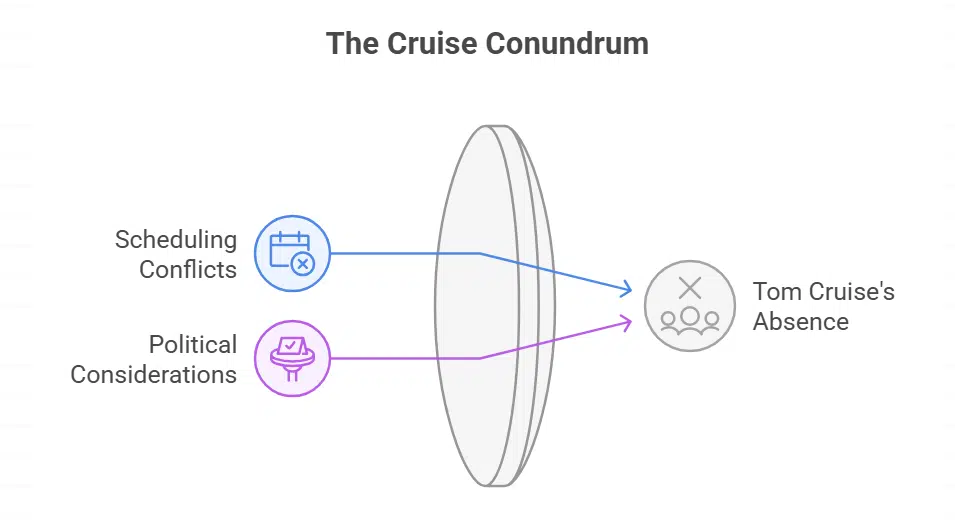
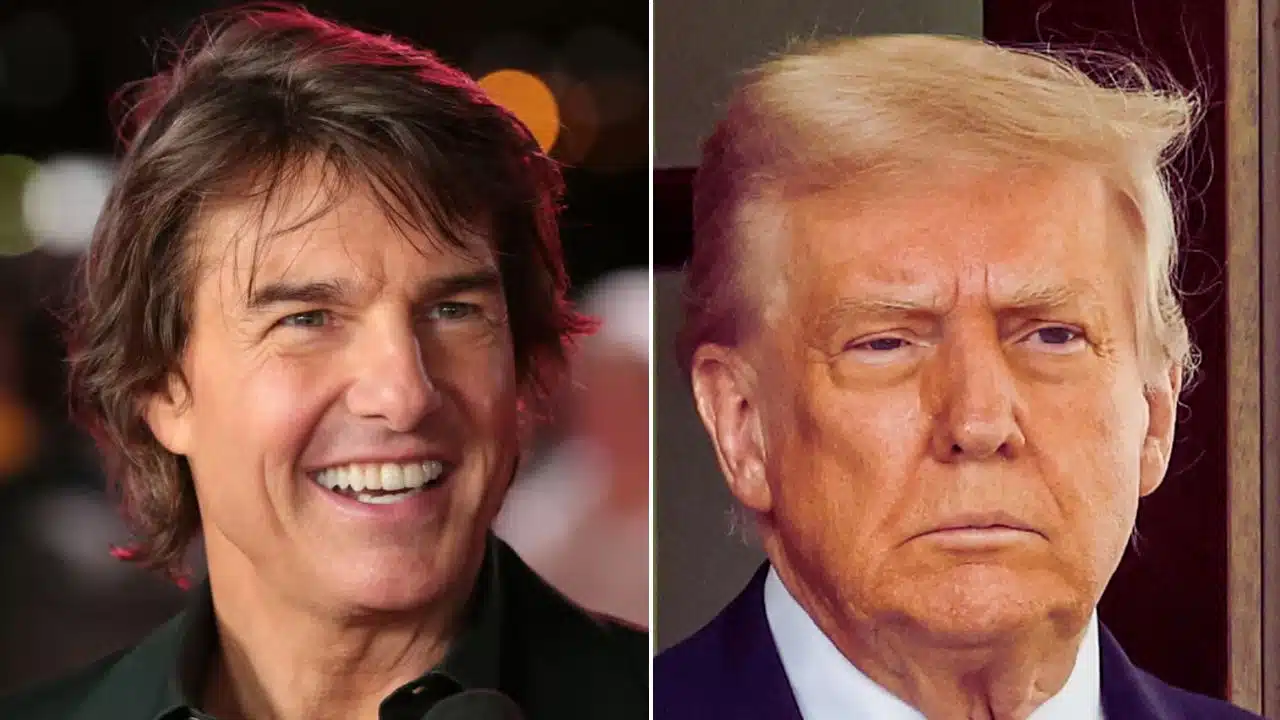
One of the most notable developments surrounding this year’s awards is the absence of Tom Cruise. The Hollywood star was reportedly invited to receive a lifetime achievement honor, but declined, citing scheduling conflicts. Multiple current and former Kennedy Center employees confirmed that Cruise opted out, though speculation remains about whether the decision was influenced by politics as well.
Cruise is currently promoting Mission: Impossible – The Final Reckoning and preparing for an honorary Oscar ceremony in November, making scheduling conflicts plausible. However, his careful avoidance of political commentary—including declining to answer questions about Trump’s tariffs on overseas film production during recent press events—has fueled debate about whether the decision was also motivated by a desire to avoid association with Trump’s leadership.
Political Backlash and Cultural Division
Trump’s heavy-handed role has sparked sharp criticism from cultural commentators and political figures. Gloria Gaynor’s inclusion, in particular, drew mixed responses. While many celebrated her recognition, others noted the irony of awarding her in a ceremony led by a political figure who has taken positions viewed as harmful to communities that embraced I Will Survive as an anthem. Commentators on television and social media, including hosts of nationally broadcast talk shows, urged Gaynor to reconsider accepting the honor under Trump’s leadership, framing the moment as one that could be co-opted politically rather than celebrated culturally.
Meanwhile, Stallone’s longstanding personal support for Trump and the past political endorsements from KISS guitarist Ace Frehley make their selections appear consistent with the chairman’s preferences. The blend of honorees has fueled a perception that political alignment, not just artistic achievement, may now influence recognition.
In addition, the Kennedy Center’s long-standing tradition of presenting handcrafted medallions to honorees came to an abrupt end this year. For nearly five decades, the Baturin family, artisans based in Maryland, had created the iconic medals worn during the ceremony. Trump’s administration ended that relationship, reportedly shifting production to a large corporate manufacturer such as Tiffany & Co. The change has been criticized as stripping the awards of one of their last elements of authentic tradition in favor of branding and commercial appeal.
Wider Implications: Arts, Politics, and the Smithsonian Connection
Trump’s changes at the Kennedy Center are part of a broader push to reshape cultural institutions across the United States. This same week, the White House sent a directive to the Smithsonian Institution ordering a review of all public-facing content—including exhibitions, educational materials, and social media output. The review aims to align cultural presentations with Trump’s interpretation of American history, focusing on patriotism and unity while removing what his administration considers divisive or partisan narratives.
The initiative underscores a larger campaign to place American cultural institutions under direct federal influence. For critics, this represents a significant politicization of organizations that were traditionally independent and dedicated to celebrating diverse cultural voices. For Trump and his supporters, it is seen as a way to reclaim institutions they argue have been dominated by progressive politics.
The December Ceremony
The 48th Kennedy Center Honors will take place on December 7, with Trump presiding in a role no president has ever held. Past leaders traditionally attended as guests of honor, but never actively participated in planning or hosting. Trump’s decision to position himself at the center of the ceremony underscores the extent to which the event has been reshaped under his leadership.
The honorees themselves face a complicated situation. For artists like Stallone and KISS, whose connections with Trump are established, the event may feel natural. For others, like Gloria Gaynor, the honor risks being overshadowed by political controversy. The absence of Tom Cruise further highlights the complicated relationship between cultural recognition and political influence in 2025.
A Ceremony Redefined
The Kennedy Center Honors has long symbolized national unity, celebrating cultural achievement across political and social divides. This year, however, the event reflects a new and highly politicized direction. Trump’s self-appointment as chairman, his public rejection of candidates he considers too progressive, and his claim that he may one day honor himself mark a stark departure from tradition.
The December ceremony is likely to be one of the most scrutinized in the award’s history. Whether it succeeds in maintaining its reputation as a celebration of American culture—or becomes remembered as an emblem of political control over the arts—will depend on how the event unfolds and how the honorees respond to the spotlight placed upon them.