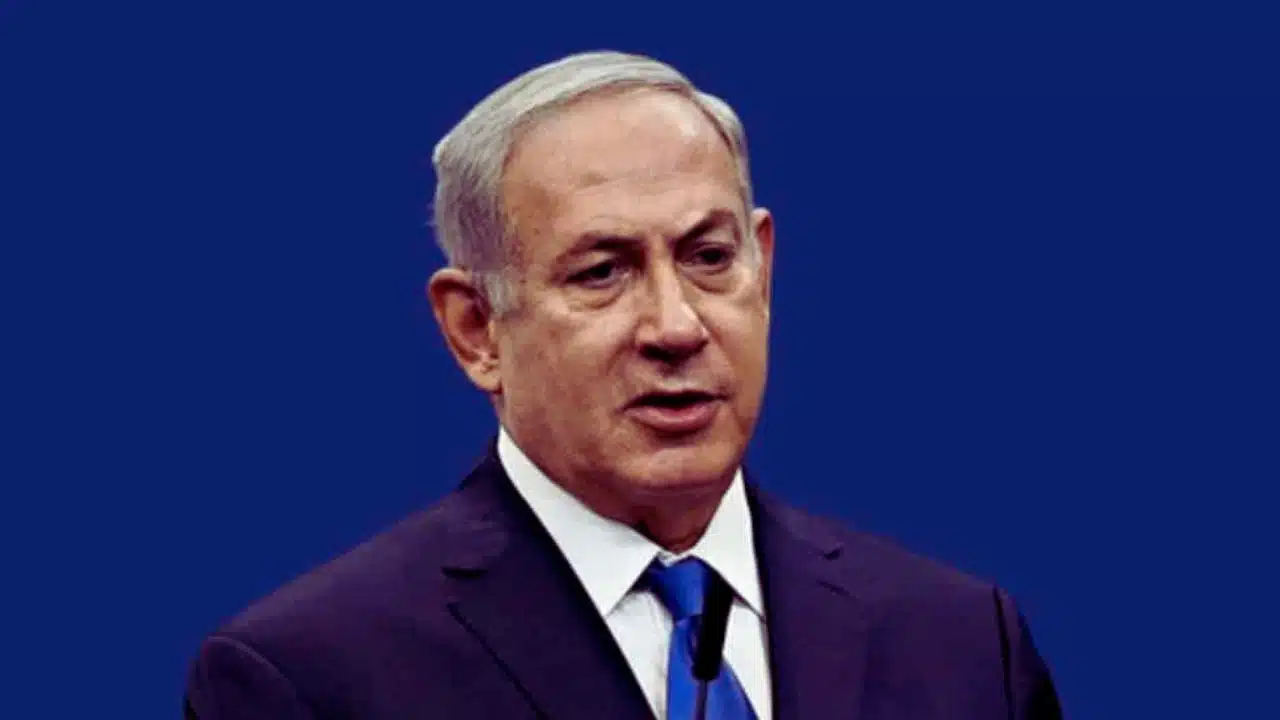
Israeli Prime Minister Benjamin Netanyahu has sharply accused Hamas of refusing ceasefire negotiations and demanded the International Committee of the Red Cross (ICRC) be allowed to provide food and medical care to Israeli hostages held in Gaza. This call comes after gruesome propaganda videos surfaced, showing two Israeli captives in extremely weak and emaciated condition—prompting widespread anger and demonstrations in Israel.
Tens of Thousands Rally in Tel Aviv for Hostage Release
A massive protest unfolded in Tel Aviv’s Hostages Square, where families of abductees, activists, and ordinary citizens gathered. Many carried signs that read “Stop the war” and “Leave no one behind,” urging Netanyahu to take bold action. The rally underscored public frustration with the ongoing conflict and dissatisfaction over the government’s handling of hostage release negotiations.
Footage circulated showing two Israeli hostages, including one man digging what appeared to be his own grave in a tunnel. The images revealed a seriously fragile physical state, sparking condemnation around the world, including from major world leaders and humanitarian observers.
Red Cross Describes Conditions as “Appalling”
The ICRC, which has long sought access to hostages, described the videos as appalling. Netanyahu’s office confirmed he spoke with the head of the Red Cross delegation in the region to formally request immediate delivery of food and medical assistance to the hostages.
Gaza’s Worsening Humanitarian and Famine Crisis
Despite Israeli denial of systematic starvation tactics, multiple international agencies report Gaza is facing near‑famine conditions:
-
The World Health Organization (WHO) has documented a sharp increase in malnutrition-related deaths, with July alone accounting for over 63 of the 74 reported deaths this year, 24 of them children under five. Nearly one in five children under five in Gaza City is now suffering from acute malnutrition.
-
The IPC (Integrated Food Security Phase Classification), a UN-backed body, has described the situation as a “worst-case famine scenario,” with confirmed deaths and widespread food insecurity across most of Gaza.
-
Death tolls approaching 60,000, with increasing hunger-related fatalities, including 147 recently reported, of whom 88 were children.
Fuel shortages, mobility restrictions, and the collapse of healthcare systems—including bombed hospitals and collapsing infrastructure—have greatly exacerbated the crisis.
Hamas Conditions Aid Access on Ceasefire
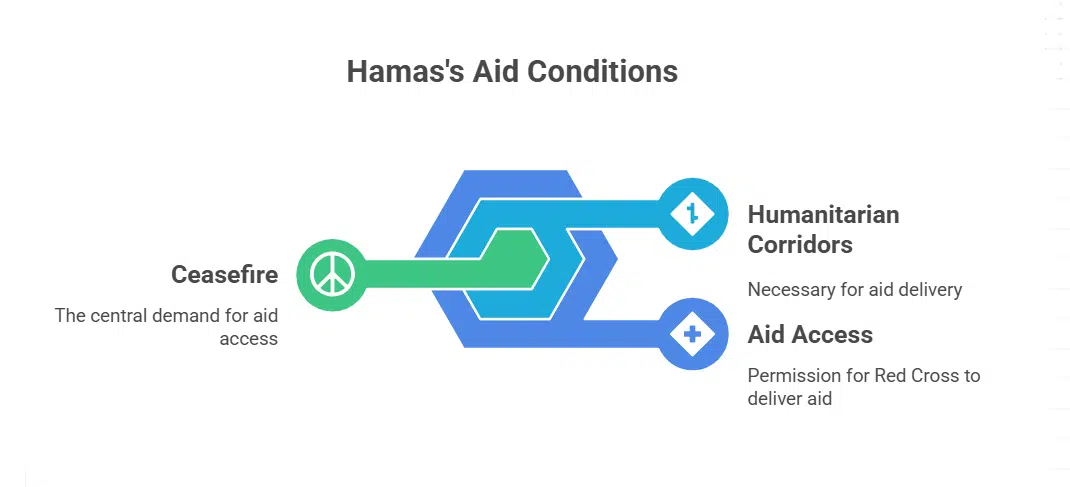
While Hamas has expressed willingness to allow the Red Cross to deliver aid to hostages, it insists that Israel open humanitarian corridors in Gaza—along with ceasing airstrikes first. Hamas argues the hostages are suffering under the same conditions as civilians across the territory, framing their plight as part of Gaza’s general hunger crisis rather than intentional abuse.
Ceasefire Talks Collapse as Both Sides Blame the Other
Diplomatic efforts remain stalled. U.S. envoys and Israeli officials withdrew from negotiation efforts last month, citing Hamas’s unwillingness to cooperate or compromise. Netanyahu has since accused Hamas of using the hostage videos as propaganda aimed at undermining Israel’s resolve, rather than genuinely pushing for a hostage deal.
Officials in Israel now indicate Netanyahu is pursuing military pressure as the primary route to secure hostage releases—despite opposition from hostage families who warn that such an approach puts remaining captives at further risk.
Aid Distribution Danger and Humanitarian Fallout
Aid delivery in Gaza remains perilous. Recent incidents saw Israeli strikes or crowd chaos near distribution sites, resulting in dozens of civilian deaths—even as aid trucks attempted entry. Reports show over 500 Palestinians have been killed at food distribution centers since the recent rollout of aid initiatives like the Gaza Humanitarian Foundation (GHF).
In one incident reported on August 3, Israeli fire killed at least 33 civilians near an aid queue. Another strike hit a Palestinian Red Crescent Society facility in Khan Younis, killing staff and damaging a clearly marked medical compound—raising serious concern over violations of humanitarian protections.
Hostages and Families Demand Negotiated Deal
Polling by the Israel Democracy Institute during earlier ceasefire efforts showed strong majority support—over 70%—for negotiations that would link Israeli withdrawal from Gaza with hostage releases. However, the Netanyahu administration continues to emphasize military approaches, facing intense broad-based pressure from hostage families and civil society groups.
Families of remaining captives stress that International Red Cross access alone would be insufficient to ensure hostages’ safety. They demand a comprehensive ceasefire, humanitarian access across Gaza, and political solutions to halt the war and secure their loved ones’ return.
What Comes Next: Humanitarian vs. Military Paths
Netanyahu now appears focused on a dual strategy: applying military force against Hamas while pushing for limited humanitarian relief to reach hostages. Meanwhile, the public backlash and worsening famine conditions continue to mount. Without urgent diplomatic intervention, both civilians and hostages face a grim escalation of risk.