
Notably, a plant-based lifestyle has emerged that is gaining traction not only for its health benefits but also due to its ethical considerations. The downside is making sure they get enough nutrition. Although omega-3 fatty acids are essential for heart and brain health, fish is often associated with them. Those who follow a vegan diet need to seek alternative sources. This guide will help you choose vegan omega-3 supplements for your health and peace of mind.
Understanding Omega-3 Fatty Acids
Nutritionists frequently recommend finding ways to buy vegan omega-3 fatty acids to maintain heart and brain health. Omega-3 fatty acids play an important role in well-being. They benefit heart health, cut down inflammation, and aid brain function. These nutrients are generally present in fish oil, but vegan alternatives are also available. There are three primary types of omega-3 fatty acids: ALA, EPA, and DHA. Although ALA only comes from plant foods, EPA and DHA are more challenging, even in plants.
Sources of Vegan Omega-3
Flaxseeds, chia seeds, and walnuts are just a few examples of plant foods that contain ALA. However, EPA and DHA are often derived from algae. Algal oil provides a direct plant-based source for this nutrient, making it a suitable option for vegans. It offers all the advantages of fish oil without the ethical compromises. When choosing an omega-3 supplement, look at the label and ensure it contains algal oil.
Choosing the Right Supplement
However, there are a few things to consider when buying vegan omega-3 supplements. Check if they mention where omega-3 comes from, and opt for one from algae, which assures it is vegan-friendly. Secondly, think about EPA and DHA concentrations. More substantial doses contain more health benefits.
Also, look for third-party testing certifications. These guarantee that the product is free from contaminants and meets quality standards. Certifications assure that this supplement contains pure components and is safe for consumption.
Reading Labels and Ingredients
When you buy supplements, labels need to specify the source of omega-3, and algal oil is the top choice. Keep the ingredient list short and avoid unnecessary ingredients. Something to remember about supplements is that some may contain fillers or synthetic ingredients; therefore, it is always best to choose the cleanest option possible.
Additionally, be mindful of recommended dosages. Ensure the supplement contains a sufficient dose of EPA and DHA in each serving. That information is often found on the packaging to help consumers make informed decisions.
Considering Environmental Impact
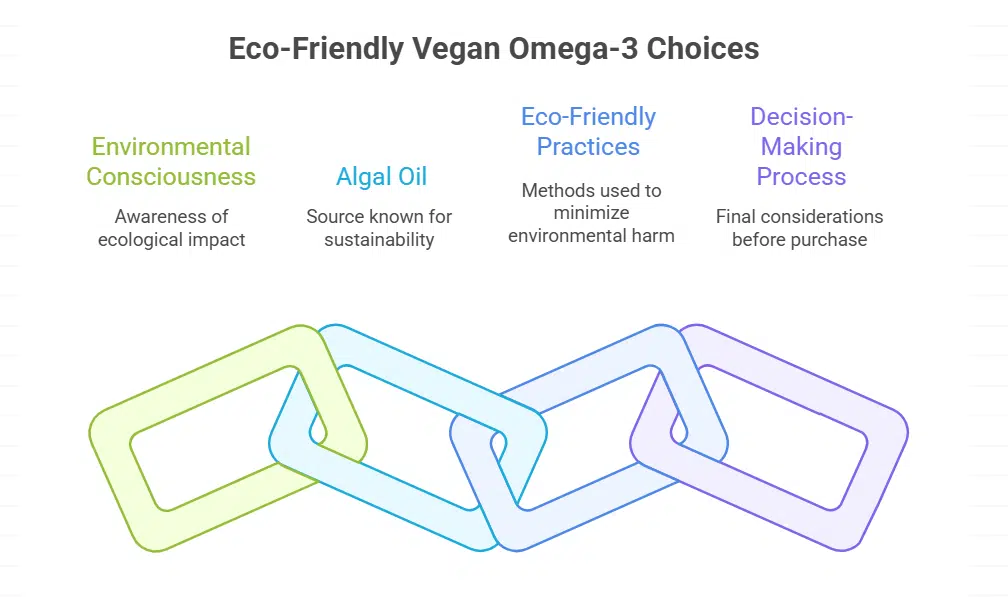
Living a plant-based lifestyle often involves being conscious of the environment. When choosing the best vegan omega-3, remember how and where it was produced. The name algal oil suggests that it is not overfished and is environmentally friendly, which is true. Most brands use eco-friendly practices in some form, but the issue often appears in the final decision-making process.
Budgeting for Supplements
Cost is yet another factor when buying supplements. Vegan Omega 3 ranges in price depending on brand and concentration. While you may find more concentrated options on the top shelf, balancing cost and quality is crucial. By researching the price and reviews, you can make an informed decision that saves money while being wise.
Consulting Healthcare Professionals
They must understand that it is wise to consult a physician before introducing a supplement into a diet. Physicians can offer personalized recommendations based on health conditions, ensuring the selected supplement matches diet needs and health objectives.
Conclusion
Adding this vegan omega-3 to a plant-based lifestyle is possible and practical. To make an informed purchase, you should know the origins, read the label, and examine the ecological consequences. With the right algal oil supplements, people can get the health advantages of omega-3 without going against their ethics or diet, so it is a clear choice. With ample consideration for supplements, it is possible to prioritize well-being while maintaining a plant-based diet.