


The realm of estate planning, particularly concerning trusts, often feels shrouded in complexity, prompting many to defer engagement or rely on incomplete information. This hesitation is understandable; discussing the future control of one’s assets can feel daunting. However, it’s precisely this moment of uncertainty that presents an opportunity for profound clarity and empowerment. Rather than viewing trusts as an arcane legal instrument, consider them a powerful tool for safeguarding your legacy and ensuring the well-being of those you cherish.
The aim here is to illuminate the often-unasked questions, providing insights that transform apprehension into confident decision-making. By understanding the core principles and possibilities that trusts offer, individuals can proactively shape their future with precision and care, securing peace of mind for themselves and their beneficiaries.
Beyond the Will: Understanding the Core of Trusts
While a last will serves as a fundamental directive for asset distribution after death, a trust operates with distinct advantages, offering a more nuanced and flexible approach to managing wealth.
Here is a table summarizing the main descriptions:
| Key Role/Concept | Main Description |
| Trust | A legal arrangement offering a nuanced and flexible approach to managing wealth, involving a grantor, trustee, and beneficiary, with distinct advantages over a will. |
| Grantor | The individual who establishes the trust and funds it with assets. They define the terms and instructions for the trust. |
| Trustee | The appointed party (individual or institution) is responsible for managing the trust’s assets according to the grantor’s instructions and for the benefit of the beneficiaries. |
| Beneficiary | The individual(s) or entity(ies) who ultimately benefit from the trust’s assets, as per the terms set by the grantor. |
| Probate Avoidance | A key advantage of trusts, that assets held within a properly funded trust typically bypass the public and often lengthy court-supervised probate process. |
| Control & Stewardship | Trusts allow the grantor significant control over how and when assets are distributed, even after their death, providing a structured framework for long-term financial management and care for beneficiaries. |
| Privacy | Unlike wills, which become public record during probate, trusts can maintain the privacy of asset distribution and the identities of beneficiaries. |
| Attorney (Trusts & Estates) | A legal professional who advises on the suitability and type of trust, drafts the legal trust document, ensures it complies with relevant laws, and may assist with the funding and administration of the trust. |
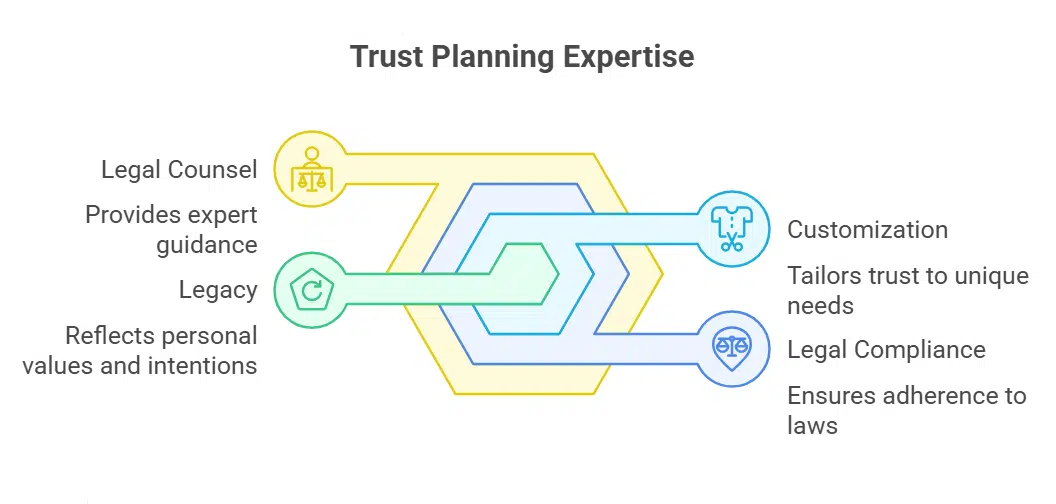
The seemingly straightforward concept of a trust belies a sophisticated legal framework, where nuances in drafting and funding can have profound implications. Attempting to navigate these complexities without seasoned legal counsel often leads to unintended consequences, from improper asset titling that negates a trust’s benefits to a lack of adaptability for future contingencies. An attorney specializing in trusts possesses an intricate understanding of state and federal laws, ensuring your plan aligns with current regulations and maximizes its effectiveness. For instance, a trust attorney Arizona is intimately familiar with the specific probate procedures, community property laws, and unique tax implications prevalent in the state. Their expertise is crucial in customizing trust provisions to your unique family structure, financial goals, and philanthropic intentions, transforming abstract desires into legally sound and enforceable directives that truly reflect your legacy.
More Than Just Assets: Planning for Incapacity and Healthcare
While trusts excel at managing and distributing assets after one’s passing, a holistic approach to planning extends equally to the protection of one’s well-being during life. A vital component often discussed by a trust attorney involves preparations for potential incapacity. This includes key legal instruments such as:
- Durable Powers of Attorney for Financial Matters: Ensuring someone you designate can manage your financial affairs if you become unable to do so yourself.
- Advance Healthcare Directives: Documents that articulate your medical wishes when you cannot speak for yourself, guiding healthcare decisions.
For example, a Living Will in Montana (a type of advance healthcare directive) allows residents to clearly state their preferences regarding life-sustaining treatments, ensuring their autonomy is respected and alleviating the immense burden of difficult decisions from family members during a vulnerable time. These documents, while separate from the trust itself, are intricately linked to a comprehensive plan, providing a complete umbrella of protection for both your financial and personal autonomy.
Protecting Your Legacy: Safeguarding Beneficiaries and Assets
A common misconception is that a trust is solely about avoiding probate. In reality, one of its most powerful applications lies in safeguarding your beneficiaries and the assets themselves from various unforeseen circumstances. A trust can be meticulously designed to protect inheritances from a beneficiary’s potential creditors, divorce proceedings, or even from ill-advised spending habits.
For instance, you can structure distributions over time, at certain ages, or tied to specific milestones, rather than a single lump sum that could be quickly depleted. Furthermore, for beneficiaries with special needs, a carefully drafted special needs trust ensures their access to essential government benefits is preserved while supplementing their quality of life. Trusts can also facilitate charitable giving, leaving a philanthropic legacy that extends beyond your lifetime, demonstrating a profound commitment to causes you believe in.
A complete plan, however, also addresses personal autonomy in healthcare decisions, which is where documents like a living will Montana residents often utilize, become crucial for future well-being, ensuring your wishes are respected alongside your financial legacy.
The “What Ifs”: Addressing Contingencies and Future Changes
Life is inherently dynamic, and a truly effective trust recognizes this by addressing a myriad of “what if” scenarios. A well-crafted trust is not a rigid decree but a flexible instrument designed to adapt.
- What if a primary beneficiary passes away before you?
- What if the named trustee becomes unable or unwilling to serve?
- What if your financial circumstances significantly change, or new tax laws emerge?
A competent trust attorney will incorporate provisions that anticipate these possibilities, including successor trustees, alternative beneficiaries, and mechanisms for modifying or even revoking the trust if circumstances demand it. This foresight ensures the plan remains relevant and effective, preventing future complications or the need for costly legal interventions. Regular reviews are crucial to confirm your trust continues to align with your evolving wishes and the current legal landscape.
Conclusion
The journey through estate planning, particularly in understanding the nuances of trusts, transforms apprehension into a sense of profound control. By courageously asking the “what if” questions and seeking clarity on complex legal instruments, you move beyond mere compliance to genuine empowerment. A well-constructed trust, tailored to your specific aspirations, offers not just asset protection and probate avoidance but also unparalleled peace of mind. It’s about ensuring your values are upheld, your loved ones are cared for, and your legacy endures precisely as you envision. Initiating this conversation with a qualified professional is the first step toward securing this future, granting you the invaluable gift of preparedness and the confidence that comes from making informed, thoughtful decisions for tomorrow.





















