You wake up feeling tired. You toss and turn at night. Why is good sleep so hard to find? Many people do not know that simple mistakes in bedroom layout can mess with their sleep quality.
Studies show room setup affects how fast you fall asleep, how well you stay asleep, and even your mood the next day. That is big news for anyone who wants better rest.
This guide will shine a light on easy-to-fix layout problems. Clear tips will help you rearrange your space, clear out clutter, block noise, and make bedtime peaceful again.
Ready to spot what could be sabotaging your sleep? Keep reading to fix it tonight!
Your Bed Placement Is Disrupting Your Sleep
Placing your bed too close to the door can make you feel unsafe or jittery. Your body stays on edge, alert for noise or movement. Beds right up against windows may let in light and outside sounds, making it tough for good sleep quality.
Try moving your bed away from these spots if possible.
Staring at a bright hallway through an open door is like trying to nap in Grand Central Station. Avoid putting your headboard beneath vents that blow cold air all night; that chill invites restless tossing and turning.
Even facing mirrors can trick your mind into feeling watched, stealing comfort from your rest zone. Small changes in furniture placement go a long way toward peaceful nights and better bedroom arrangement.
Ignoring the Importance of Nightstand Organization
Stacks of books, tangled chargers, and loose change on your nightstand make sleep harder. Clutter invites chaos right next to your pillow. It crowds your mind just as much as the space itself.
Your bedroom design should create calm, not confusion.
A tidy nightstand lets you reach a glass of water or turn off an alarm without knocking over half the room. “A clean tabletop leads to clearer dreams,” some folks like to say. Keep only what helps bedtime routines—maybe a lamp, one book, or a small clock with no bright lights blinking all night long.
Sleep quality improves when distraction drops away and everything has its place nearby but not in the way.
Inadequate Lighting Choices
Good lighting can make or break your sleep. Too much bright overhead light can keep you awake. You need softer options for winding down at night. Lights that adjust are great for creating a cozy vibe.
If you want to learn more about choosing the right lighting, keep reading!
Too Much Bright Overhead Lighting
Bright overhead lights blast your eyes and keep your brain buzzing at bedtime. Your body needs darkness to make melatonin, the sleep hormone. Strong ceiling bulbs can mess with this process, making it harder to fall asleep and stay asleep through the night.
Instead of one big light up top, use soft lamps or dimmable lights in your bedroom design. Place a small lamp on each nightstand for reading or getting ready for bed. This helps set a calm mood and supports better sleep quality as part of good sleep hygiene habits.
Lack of Adjustable Lighting Options
Bright lights can keep you awake. Overhead lighting often shines too strong. This light can be harsh and unwelcoming. It makes the room feel less cozy.
Adjustable lighting helps create a calm space. Dimmers allow you to change the mood of the room easily. Soft light can help your body relax before sleep. Choose lamps that let you control brightness well for better sleep quality and comfort in your bedroom arrangement.
Overcrowding the Room with Furniture

Too much furniture can make your bedroom feel cramped. A crowded room causes stress and keeps you awake. It’s hard to relax in a space filled with clutter. Each piece of furniture should serve a purpose, not just take up space.
Leave some open areas for movement. This helps create a calm atmosphere. When choosing items, think about what you need most for comfort and sleep quality. Simple layouts often work best for restful nights.
Make sure to keep it airy and light to enjoy better sleep hygiene and peace in your private retreat.
Curtains That Fail to Block Light
Curtains that let in too much light can ruin your sleep. Thin or sheer curtains do not block sunlight well. Morning rays can wake you up before you’re ready. This disturbance makes it hard to feel rested.
Blackout curtains work wonders for light control. They keep the room dark, even during bright days. A darker room helps create a better sleep environment. Your body needs darkness to produce melatonin, which aids sleep quality.
Choose thicker fabrics or liners if you want restful nights and peaceful mornings.
Mirrors Positioned Poorly in the Room
Mirrors can affect sleep quality. They should not face the bed. When you see your reflection, it can startle you awake or disrupt your rest. Proper placement matters a lot.
Place mirrors where they do not reflect the bed directly. This will create a calmer feel in the room. If mirrors are positioned poorly, they can cause distractions and make it hard to relax at night.
Keep them away from direct sight lines when lying down, so you can enjoy peaceful sleep every night.
Electronics Creating Unnecessary Disruptions
Electronics can mess with your sleep. Phones, tablets, and chargers by your bed? That’s a bad idea. They buzz and beep all night long, leaving you restless. Next time you’re about to plug in, think twice! Want tips to reduce these tech troubles? Keep reading for more!
Phone Chargers and Devices Near the Bed
Phone chargers and devices near the bed can hurt your sleep. They create distractions and emit light that can keep you awake.
- Devices buzz with notifications. The sounds can wake you up or disturb your rest.
- Bright screens might catch your eye. This light tricks your brain into thinking it’s time to be awake.
- Chargers clutter the bedside. A messy space makes it harder to relax and unwind.
- Having a phone nearby tempts late-night scrolling. That habit eats into precious sleep time.
- Lights from chargers shine in the dark. This light disrupts the calm of a restful room.
These little items may seem harmless, but they affect your sleep quality. Keep your sleep space peaceful and free from distractions for better rest.
Digital Clocks with Bright Displays
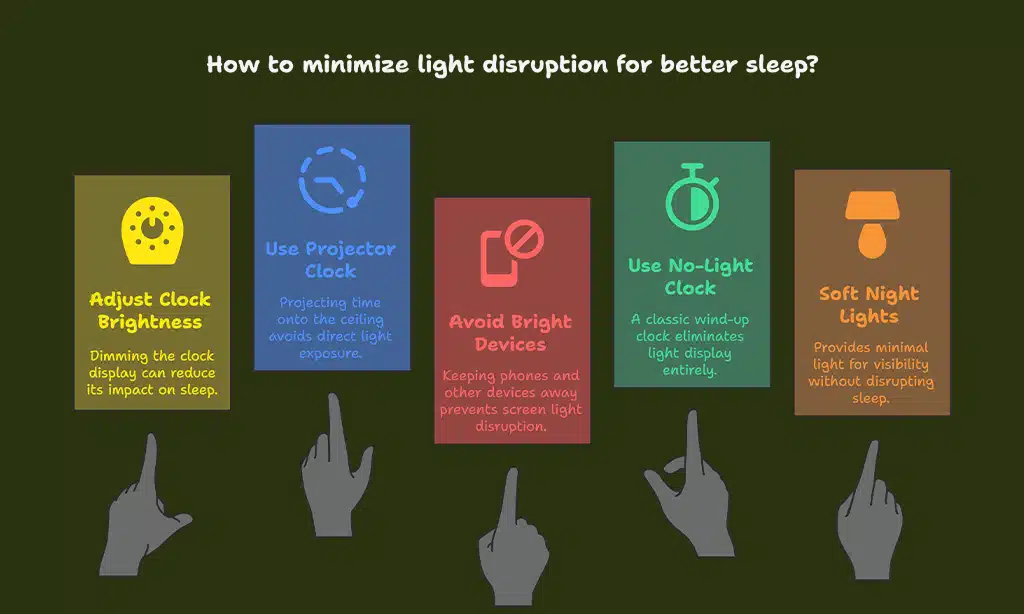
Bright displays on digital clocks can disturb your sleep. These lights may seem small, but they can keep you awake.
- The glow from a digital clock can be too bright for restful sleep. It can trick your mind into thinking it’s daytime.
- Placing the clock in a spot where it shines directly at your face makes matters worse. This light creates an unwanted distraction as you try to fall asleep.
- Many clocks have adjustable brightness settings; use them to dim the display at night. Find one that fits your comfort level.
- Using a clock that projects time onto the ceiling may also help. You won’t have to turn your head or sit up to see what time it is.
- Avoid keeping your phone or other devices near the bed if they have bright screens. The temptation to check notifications can disrupt your sleep routine.
- Consider using an alarm clock with no light display at all, like a classic wind-up clock, for a quiet night’s rest.
- Darkness signals to our body that it’s time for sleep, so minimize all light sources in the bedroom.
- Choosing soft night lights could help if you need some visibility without harsh brightness. They provide just enough light for nighttime trips without ruining your slumber.
Make these small changes for better sleep quality tonight!
Clutter and Overstimulation in the Space
Too much stuff in your bedroom can hurt your sleep. Clutter creates stress and distracts the mind. Things like clothes or boxes piled up make the room feel chaotic. It is hard to relax in a messy space.
Colors and patterns also play a big part. Bright colors or busy designs can overstimulate you, making it hard to wind down. A calm, clean bedroom helps improve sleep quality. Keep things simple for a better rest environment.
Choosing the Wrong Bedding Materials
Bedding materials affect sleep quality. Soft cotton sheets feel great. They breathe well and keep you cool. Choose breathable fabrics like linen or bamboo for comfort.
Avoid synthetic materials that trap heat. These can make you sweat and feel uncomfortable at night. The right bedding helps create a good sleep environment, leading to restful nights.
Did you know high-quality pillows also matter? Pick ones that support your neck and head properly for the best rest possible!
Overlooking Proper Airflow and Temperature Control
Airflow and temperature make a big difference in your sleep quality. A room that is too hot or too cold can wake you up at night. To sleep well, the ideal bedroom temperature is between 60°F and 67°F.
Keeping windows open for fresh air helps, but also use fans or air conditioners when needed. Stale air can lead to restlessness and discomfort.
Proper airflow stops stuffiness in the room, making it easier to breathe deeply while you sleep. If you’re feeling warm under your blanket, it might be time to lighten up on the bedding materials as well.
Choosing breathable fabrics like cotton helps you stay cool during summer nights. Regularly cleaning vents and filters also keeps fresh air flowing smoothly throughout your space, which enhances restful nights even more!
Decorating with Overly Bright or Stimulating Colors
Bright colors can be too much for a bedroom. They may keep you awake and make it hard to relax. Colors like neon green or hot pink create energy, which is not what you want at bedtime.
Choose soft tones instead. Light blues, gentle greens, or warm neutrals help set a calm mood. These colors encourage peace and sleep quality in your bedroom design. Use them on walls, bedding, and decor items for the best results.
A cozy space will make resting easier and more enjoyable.
Neglecting the Role of Comfort and Texture
Colors play a big role, but comfort and texture matter too. The right bedding can help you relax. Soft sheets and cozy blankets make your bed a haven. Rough fabrics or cheap materials can ruin sleep quality.
Think about your mattress as well. It should support you, not leave you sinking in pain. Adding plush pillows enhances the feel of your space too. Combine these elements for the perfect comfort zone that invites restful sleep every night.
Takeaways
Bedroom layout matters a lot for good sleep. We talked about the right bed placement and organizing your nightstand. Lighting choices can really affect your rest, too. Too much bright light or no dim options can keep you awake.
Clutter makes it hard to relax, so clear out extra furniture and items. Using the wrong bedding can also spoil your snooze time. Consider how changes like these could enhance your peace of mind at night.
Take a look around yours; what could change? Simple steps lead to big wins in sleep quality. You deserve restful nights! If you want more tips or help, there are plenty of resources online waiting for you.
Better sleep is just a few smart moves away!