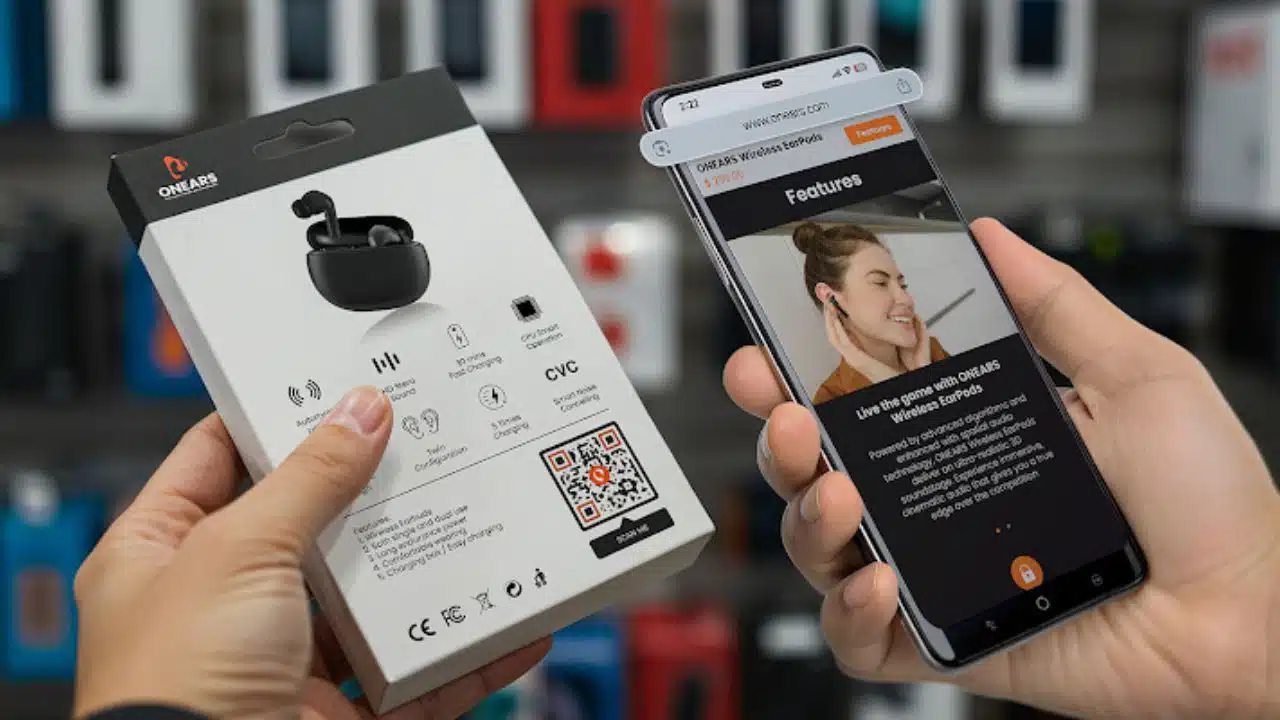
QR codes are simple and familiar, making them so easy to overlook. But beneath their pixelated patterns lies one of the most underrated tools in modern business.
Most people miss the fact that the content they link to QR codes, the type of codes they use, and the analytics they gather help them build more innovative, data-driven strategies.
Let’s break down how to fully take advantage of these smart QR code generator features so you’ll know what you can do with them, more than decorating your flyers or letting them sit passively on packaging.
What makes a QR code smart? It’s not the black-and-white square
It comes down to what you link to QR code and how well those destinations support your goals.
The big difference between passive use and smart use is what happens after the scan.
On the surface, QR codes are mere visual shortcuts. However, when you employ the smart features and connect them to the right tools and platforms, they become less about the access and more about the powerful outcomes they deliver.
To achieve that, the link behind your QR code must serve a clear function, such as generating leads, facilitating payments, improving customer service, or simplifying follow-up actions.
In other words, all QR codes should have well-defined roles in your customer or employee journey.
So, contrary to common belief, it’s not the pixelated square that makes a QR code smart but the strategy it drives.
Smart QR code features that boost business growth
Most people focus on how to create a QR code for a link when that’s the easiest part. All you have to do is copy the URL, paste it in a generator, and download the code.
But the actual effectiveness of a QR code lies not only in how it’s made but also in what it can do right after being launched.
If your focus is on achieving tangible business results, the features you activate after that step matter most.
A smart QR code is dynamic.
First, it gives you editing control. Instead of printing a new code every time a campaign changes, a dynamic QR code lets you update the link in real time without changing the code. This is important for businesses that want to move fast and stay relevant.
Second, it has performance tracking. With a dynamic QR code generator, you don’t just launch your campaigns but learn what works on the go.
You can see where people scan your code, what device they use, and when they scan it. This data helps you double down on what’s working and fix what’s not.
Third is QR code branding. A custom design that reflects your brand’s aesthetics appears more professional and builds trust.
This is why it is vital to prioritize branding mindfully. Figuring out how to turn a link into a QR code that people actually want to scan greatly involves understanding the significance of scan efficiency and branding.
Additionally, you can build better targeting experiences through smart redirection based on the scanner’s location or language. That means one QR code can serve different customer segments without extra design clutter.
If you’re still unsure about how to make a link a QR code that is smart and dynamic, get started with these simple steps:
- Copy the URL you want people to land on. It can be your website, a custom landing page, or a social media campaign.
- Paste and convert it into a QR code using a QR code generator with logo integration and a dynamic URL QR code solution.
- Customize the design to reflect your brand.
- Download and test the code before printing or publishing.
- Enable scan tracking to monitor performance and user behavior.
How to link to QR code for optimal results
To get optimal results, you need to build the link with the user experience and business outcome in mind. Here’s what that looks like:
- Choose the right destination. The more relevant the destination, the higher the engagement. Ensure you link to a webpage that’s context-specific and relevant to your campaign.
- Make sure the page is optimized for mobile viewing. Most people scan QR codes on their smartphones, so if the page doesn’t load quickly or isn’t optimized for mobile, you’ll lose them.
- Choose the right type of QR code. Dynamic QR codes are best in campaigns where flexibility and insightful data matter.
How to create a QR code link that converts
- Place QR codes in spots with internet access. Place them in areas with good cellular coverage or internet connection, especially if accessing your content requires having one.
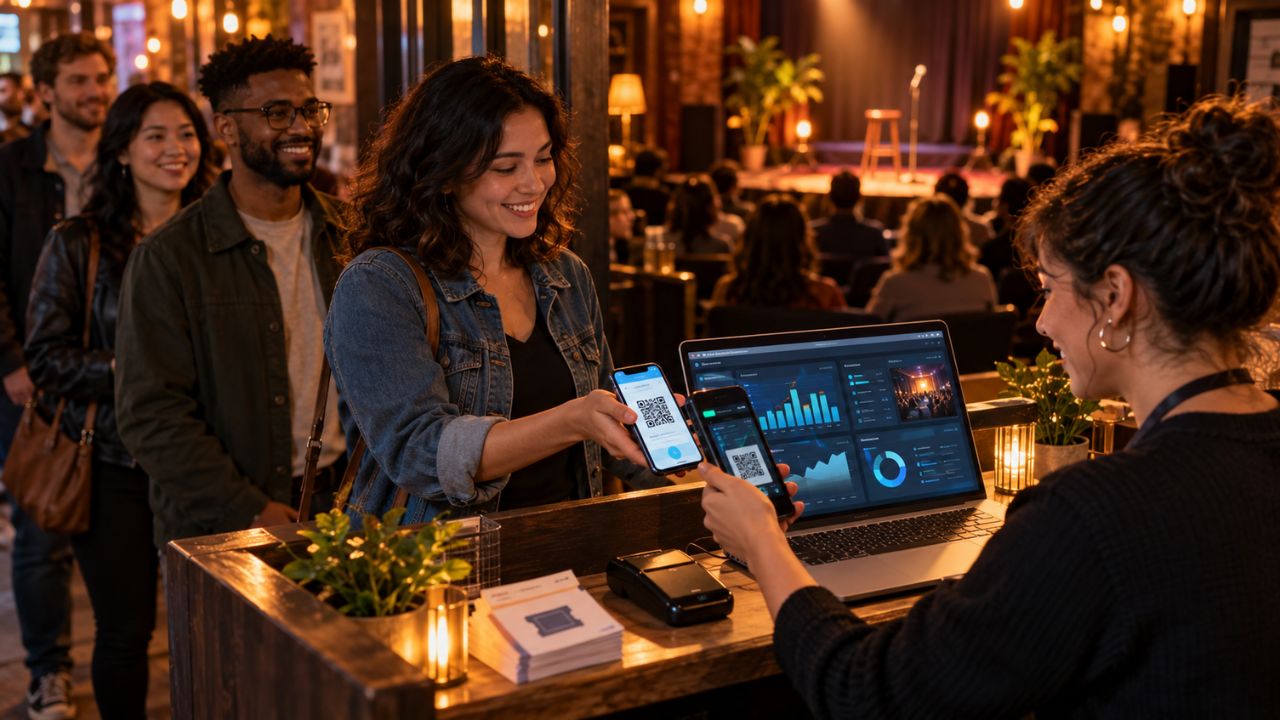
- Place QR codes where people gather. Take advantage of the crowd by pasting your QR codes in locations where people gather or make stops.
- Customize the QR code design. Custom QR codes with your logo or brand colors are easier to recognize and appear more trustworthy.
- Add clear and immediate CTAs. Always include a clear next step for whatever is on the other end of the QR code, such as signing up, downloading, or paying.
- Print QR codes in the right size and with enough spacing. Difficult-to-scan QR codes are missed opportunities. Ensure you test before printing and keep a clean margin around the code.
- Use the analytics. Know what’s working or measure ROI. Always use a dynamic QR code generator and take advantage of features like UTM tagging, Google Analytics, and built-in analytics to measure QR code performance and implement strategic tweaks.
Move the needle for your business in a smarter way
Learning how to link to QR codes effectively is only the beginning. The real advantage lies in deliberately connecting those codes to actions that move your business forward. Businesses that understand this aren’t just using QR codes but turning them into growth catalysts.
All you need is the right strategy and the right QR code generator for your business. Then you can sit back and let the code work for you, turning small scans into big wins.