
The world of SEO is always evolving, but 2025 brings a different kind of change—quiet, foundational, and far more focused on the human side of search. Algorithms aren’t just updating to catch spam anymore. They’re rewarding clarity, trust, and helpfulness.
Digital agencies like Authority Lighthouse SEO Agency have noticed: the biggest changes this year aren’t loud updates—they’re subtle shifts in how Google sees quality. If your strategy hasn’t adapted, your rankings might be fading and you won’t even know why.
Let’s explore what’s really happening—and how to stay ahead of it.
Helpful Content Is the Real MVP
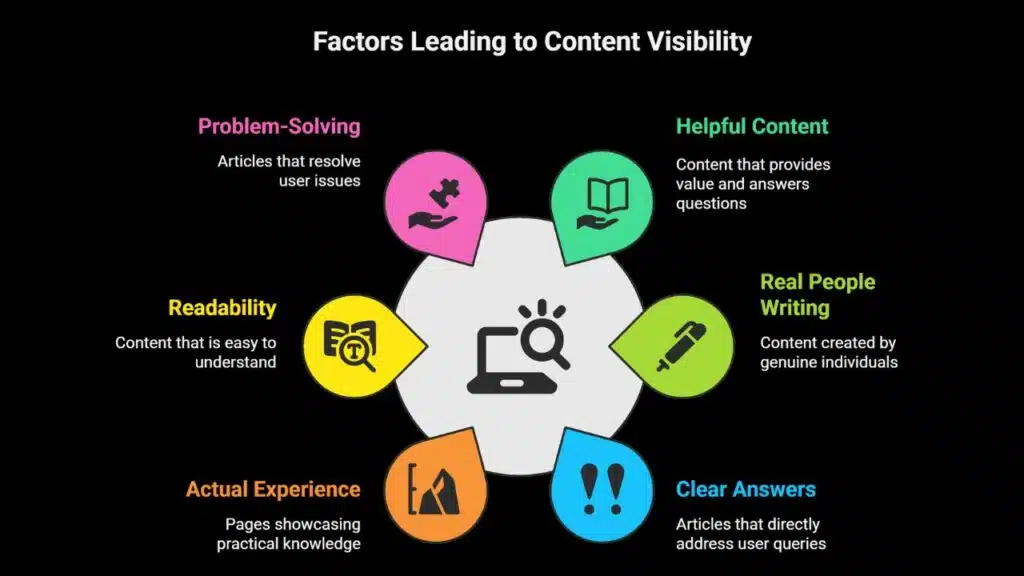
Forget keyword stuffing. In 2025, content that feels helpful—written by real people for real people—is what earns visibility.
Google now favors:
- Articles that answer real questions clearly
- Pages that show actual experience, not just facts
Instead of focusing on what bots want, focus on what people understand. Is the article readable? Is it solving a problem? That’s what counts now.
Search Is More Human Than Ever
People don’t search like machines. They ask full questions. They talk to voice assistants. They search on the go. And search engines are responding with more natural, conversational results.
That means content should sound more like a conversation. It’s not just about writing; it’s about speaking your reader’s language—literally and figuratively.
AI Is a Tool, Not the Strategy
With so many using AI to write content, search engines are getting smarter about spotting low-effort pages. It’s not about banning AI—it’s about knowing how to use it well.
The best-performing content? Written or edited by someone who understands the topic, who adds a human touch, and who doesn’t just copy and paste.
Experience-Based Content Is Ranking Better
Search engines are favoring people who actually know what they’re talking about. Not just writing from research, but from real-life use, experience, or expertise.
For example: a travel blog written by someone who’s been to Bali will usually beat one that rewrites TripAdvisor reviews. It’s about trust, and real stories build that trust.
User Experience (UX) Matters More Than Speed Alone

A fast site is great—but it’s not enough. If your site is cluttered, hard to read, or confusing, users won’t stay. And search engines can tell.
Focus on a calm, easy experience:
- Clear layout
- Mobile-friendly design
- No pop-ups blocking content
Make your site feel like a good conversation, not a sales pitch.
Entities Over Keywords: What’s the Page Really About?
Rather than tracking how many times you use a keyword, Google now tries to understand the overall topic of your page. It connects names, places, ideas—called “entities”—to decide what your content is really covering.
That means you don’t need to repeat a keyword ten times. You need to write naturally, clearly, and stay on topic.
The Quiet Rise of Search “Moments”
People now search in bursts—while waiting in line, during a commute, or in between tasks. They want fast answers. No fluff.
So structure your content with the reader’s pace in mind. Make the value obvious, not buried.
Takeaways
SEO in 2025 isn’t about chasing trends—it’s about understanding the shift. Search is becoming more human. More helpful. More intuitive.
If your strategy is built around clarity, real-life knowledge, and a clean user experience, you’re already ahead. If not, now’s the time to recalibrate.
And as this space keeps evolving, you don’t need to predict every algorithm tweak. You just need to stay honest, stay user-focused, and keep listening.
Because the websites that care about people? They’re the ones winning—quietly, but surely.
FAQs
Is SEO Still Important in 2025?
More than ever. SEO has shifted from technical tricks to long-term trust-building. The websites that succeed now are the ones that care about their readers—and it shows.
Has AI Replaced SEO Experts?
Not quite. AI can help with content drafts, but human editors and strategists still guide the tone, trust, and clarity. Think of AI as a writing assistant—not the writer.
Why Does Authority Matter So Much Now?
Because users trust real people, not anonymous content. Google has updated how it judges quality, and now factors in who’s behind the content, why it was written, and whether it’s consistent. Even large agencies emphasize experience and identity when planning content.