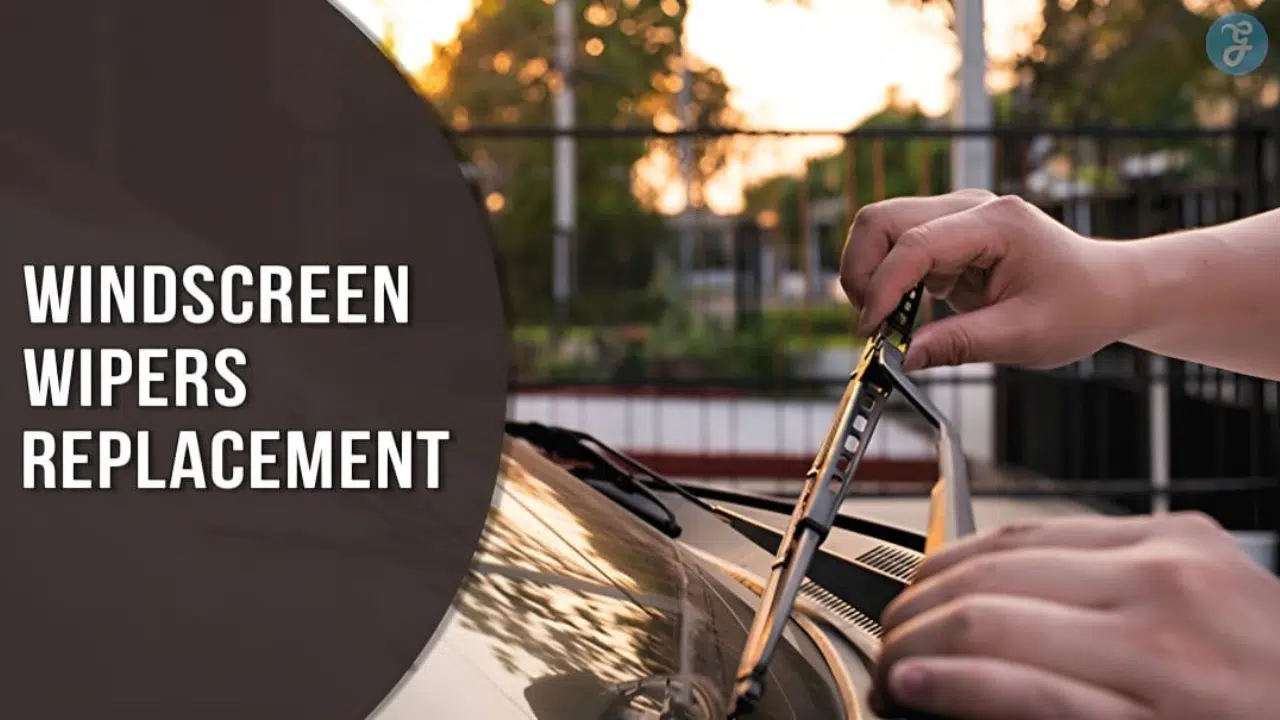
It’s been a while since you have changed the windscreen wiper and now you’re noticing it’s again time to Replacement windscreen wipers.
So, now are you going to call a mechanic and cost some extra money? No, you can do it yourself. You are hoping for a windscreen wipers replacement guide, right?
To replace the windscreen wiper first understand the key components. Then you’ll have to replace the windshield blades and finally, test the performance.
I think you should understand it’s easy. Just read the step-by-step guide below to learn the process.
What are Windscreen Wipers?
A windscreen wiper, also known as a windshield wiper, is a device designed to clear rain, snow, ice, washer fluid, water, or debris from the front window of a vehicle. It is a mandatory feature in most motor vehicles, including cars, trucks, buses, train locomotives, and some watercraft with an enclosed cabin, as well as certain aircraft.
Typically, a wiper consists of a metal arm with one end serving as a pivot point and the other end equipped with a long rubber blade. The arm is powered by an electric motor in many cases, although pneumatic power is utilized in some vehicles.
The blade moves back and forth across the glass, effectively removing water, precipitation, or any other substances that hinder visibility. On vehicles manufactured after 1969, the wiper speed is adjustable, offering various continuous rates and often several intermittent settings. Most personal automobiles employ two synchronized radial-type arms, while many commercial vehicles use one or more pantograph arms.
Use of Windscreen Wipers?
Windshield wipers may seem small, but their impact on driving and safety is significant. With just a button press, they swiftly and smoothly eliminate rain, snow, dirt, pollen, frost, and debris.
The windshield wiper motor propels the wiper arms, which are usually made of metal or hard plastic, to sweep a thin rubber or silicone blade across the windshield, ensuring improved visibility while driving.
However, over time, wiper blades become less flexible and functional as they suffer from cracking, tearing, and loss of effectiveness. Factors like road particles, bird droppings, temperature fluctuations, and UV rays all contribute to the deterioration of wiper blades. Additionally, you can also read about the best steering wheel lock.
How to Replace Windscreen Wipers?
Below I’ll discuss everything with a 3-stage guide. So, keep reading.
Phase 1: Understanding the Key Components of a Wiper Assembly
To comprehend the fundamental components of a wiper assembly, we can identify three main parts:
Wiper arm
This component extends from the windscreen and serves as the lower part of the wiper. Its primary function is to hold the wiper blades in place, allowing them to pivot and perform the sweeping motion necessary for windshield cleaning.
Wiper blade
Comprising a metal or plastic housing, the wiper blade securely holds the rubber refill. Its role is to clear and cleanse the windshield. The rubber strip attached to the blade is responsible for coming into contact with the windshield’s surface and removing water, snow, and dust.
Rubber refill
This component is part of the wiper blade and can be replaced separately. Due to regular use, the rubber strip may become nicked, worn out, or lose its grip. Consequently, it can lead to undesirable effects like streaking, smearing, or squeaking. In such cases, you have the option to either replace the rubber strip with a refill or acquire a completely new wiper blade.
Things to know
Before we start, here are a few things you should know.
- Determine the appropriate sizes of your wiper blades by measuring them. You can also consult your vehicle’s manual or refer to a catalog at an auto parts store for the correct size and style.
- Raise the wiper arm and blade away from the windshield.
- Release the locking button or unlatch the blade if applicable. Pull the wiper blade straight down towards the glass to detach it from the arm.
- Insert the adapter of the new wiper blade into the hook of the arm and firmly push it in until it clicks into place. You may need to secure it further by closing a latch, if necessary.
Phase 2: Replacing Windshield Wiper Blades:3 Types
This is the main point. If you can properly replace the windshield wiper blades, you’ll be done with 90% of the job. We’ll add the guide for 3 types of wiper blades. So, let’s check it
1. Changing Hook-Mount Blades
First learn about changing the hook-mount blades.
Identify the correct blade sizes
Refer to your vehicle’s owner’s manual for information about the right size of your hook-mount blades, which typically have a J-shaped hook on the end. Remember that the sizes for the driver’s and passenger-side wipers are often different. If you don’t have a manual or a tape measure, you can use a catalog or electronic system at an automotive store to find out which wiper blades are suitable for your car’s make and model.
Lift the wiper blade from the windshield
Hold the wiper arm just below the blade and gently pull it up until it’s perpendicular to the windshield. Be sure to protect your windshield with a towel underneath the wiper to prevent accidental damage.
Unlock the wiper tab
Look for a tab or clip on the wiper blade where it connects to the arm. If present, depress it to loosen the blade. Some blades don’t have this feature and can be directly unhooked from the arm.
Remove the blade
Pull the blade downwards, sliding it out from the hook. Dispose of the old blade responsibly.
Install the new wiper blade
Rotate the metal adapter on the back of the new blade to align it with the blade. Push it up onto the arm’s hook until it snaps into place. Be sure to also replace the other wiper blades.
2. Changing Clip-On Blades
Now learn about changing clip-on blades
Determine the correct blade sizes
Measure both the driver’s and passenger-side blades or refer to your vehicle’s manual. Most clip-on blades can be identified by a button or clip on the top side of the arm.
Lift your wiper blades
Gently pull the wiper arm until it’s perpendicular to the windshield. A towel can be used for protection against accidental drops.
Unfasten the blade
Press down on the locking button located at the joint of the arm and the blade, then remove the blade by pulling it upwards.
Install the new blade
Slide the new blade into the wiper arm until it clicks into place. Make sure to replace both blades to ensure even wear.
3. Changing Pin-Mount Blades
Now we’ll talk about changing pin-mount blades
Check the size of your blades
Measure the length of the old blades or check your owner’s manual or an auto parts store catalog. Pin-mount blades can be identified by their side attachment points.
Raise your wiper arm
Lift the wiper arm from the windshield, placing a protective towel on the glass underneath.
Remove the blade: Unlock the latch on the wiper blade to detach it from the pin, sliding the blade towards the windshield.
Attach the new blade
Open the latch on the new blade, align the blade with the windshield, and slide the pin through the compatible hole. Press the latch down until it clicks. Remember to replace both blades.
Phase 3: Test the Performance of Your New Wipers on a Wet Windshield
Ensure that your new wipers are functioning correctly by following these steps:
- Refill your windscreen washer reservoir. Running your wipers on a dry surface can cause them to wear out more quickly.
- Activate your wipers and verify that they operate quietly and effectively.
Expert Tip: To maximize the lifespan of your windscreen wipers, use a squeegee to clean your windscreen before each trip. Regularly wiping away dirt, grease, and frozen ice with your wipers can accelerate the deterioration of the rubber blades, resulting in inadequate and noisy wiping.”
Windscreen Wipers Replacement: How Often Should You Change?

The general guideline suggests replacing your wiper blades approximately every six to twelve months. However, the specific replacement interval may vary based on your location and driving frequency, potentially necessitating more frequent replacements.
6 Signs You Should Change Wiper Blades
Below we’re adding 6 signs to understand you need to change the wiper blades
Sign 1: Rubber Problems
Carefully examine your windshield wipers for any irregularities in the rubber material. Cracks splits, or missing sections indicate the need for new wiper blades. Additionally, if the blade appears rounded, it signifies that it has reached the end of its lifespan and should be replaced.
Sign 2: Windshield Streaks or Film
Visible streaks left by your wipers on the windshield, especially when driving in rain or snow, are clear indicators of their deteriorated condition. Furthermore, if a persistent film of grime remains on the windshield even after using cleaning fluid, it suggests that the wipers are dirty and require replacement. While wiping the blades with a paper towel may temporarily resolve the issue, repeated occurrences necessitate a wiper blade replacement.
Sign 3: Chattering Sounds
The unpleasant chattering noise produced by wipers as they move across the glass surface is a telltale sign that they need replacement. This noise not only proves irritating but also suggests that the wipers are not effectively cleaning the windshield. Inadequate contact with the glass results in inconsistent cleaning performance, potentially leading to compromised visibility while driving.
Sign 4: Bent Frames
The metal components of your wipers can become bent or damaged due to various factors such as forcefully removing ice from the windshield or rough handling during maintenance. If you notice bent frames or blades, it means they will no longer make proper contact with the windshield. Even if they currently function adequately, their effectiveness will diminish over time, necessitating replacement.
Sign 5: Poor Windshield Contact
During heavy rainfall, it becomes evident when your wipers fail to reach certain areas of the windshield. If the blades are unable to make contact with the corners or specific spots in the middle, it indicates the need for new wipers. The blades may have lifted off the windshield due to worn-out rubber or a bent frame, resulting in compromised cleaning performance.
Sign 6: Seasonal Considerations
Before the onset of winter, it is advisable to equip your vehicle with wipers specifically designed for cold temperatures and frozen windshields. Even if your current wipers are functioning adequately, regular blades are more susceptible to damage from ice and snow. Therefore, obtaining wipers designed for winter conditions is a proactive measure to ensure optimum performance.
Types of Windscreen Wipers
There are mainly 3 types of windscreen wipers available. Let’s learn about them in detail.
Conventional Windscreen Wipers
Conventional windscreen wipers are commonly found in new cars. They feature a metal or metal-plastic composite structure consisting of a central bridge and articulated links, providing between 4 and 8 pressure points depending on the blade length. Spring flexors distribute the force from the wiper arm to the rubber element, ensuring uniform pressure on the glass. Options for conventional wipers include spoilers, spray bar pods, and curved blades for specific vehicle requirements.
Flat Windscreen Wipers
Flat windscreen wipers have gained popularity in modern cars. These wipers utilize tensioned metal flexors that support the rubber element, along with a full-length integrated spoiler. The spoiler takes advantage of the airflow pressure to create a flatter and more aerodynamic shape, reducing wind noise. The flexors conform to the windscreen’s curvature, ensuring uniform pressure along the contact edge. Flat wipers are also less obtrusive, allowing for a clearer field of vision compared to conventional wipers.
Hybrid Windscreen Wipers
Hybrid windscreen wipers combine the aerodynamic properties and appearance of flat wipers with the performance of conventional ones. They feature an integrated spoiler that runs along the full length of the blade, minimizing wind lift and maintaining consistent downforce. This design ensures the rubber blade remains in contact with the windscreen, resulting in smooth and quiet movement, particularly at higher speeds. Hybrid wipers provide the benefits of both types, offering improved performance and aesthetics.
How to Clean Windscreen Wipers?
If you want to prolong the lifespan of your windshield wipers and enhance their performance, cleaning them regularly is essential. Follow these steps to clean your wipers effectively:
- Prepare a solution of warm, soapy water and use clean rags to wipe down the wipers, removing any accumulated dirt and debris.
- Take a cloth dampened with rubbing alcohol and carefully clean the blade’s edge to eliminate any remaining dirt or oil residue.
To ensure optimal wiper performance:
- Make it a habit to wash your windshield regularly to eliminate dirt and grime. The accumulation of grime not only damages the wiper blades but also causes smearing on the windshield, obstructing your visibility.
- Maintain an adequate level of windshield washer fluid. This fluid proves useful in clearing away bugs, dirt, and other debris while driving.
By following these practices, you can extend the life of your wipers and ensure that they function optimally when you need them. Now before going to the next segment, you can check why you should opt for an electric car.
Benefits of Using Windscreen Wipers?
Improved Visibility: Windscreen wipers efficiently remove rain, snow, and other precipitation from the windshield, enhancing visibility for the driver. This is crucial for safe driving, especially in adverse weather conditions.
- Enhanced Safety: Clear visibility is directly linked to safety on the road. Windscreen wipers help prevent obscured vision caused by water, snow, or debris, reducing the risk of accidents.
- Quick Debris Removal: Windscreen wipers effectively clear away dirt, dust, insects, and other debris that can accumulate on the windshield. This prevents such debris from obstructing the driver’s view and ensures a clear line of sight.
- Reduced Eye Strain: When the windshield is free from moisture and debris, the driver can maintain focus without straining their eyes. Windscreen wipers help eliminate distractions caused by water streaks or dirt, allowing for a more comfortable driving experience.
- Extended Wiper Lifespan: Regular use of windscreen wipers can help maintain the condition of the wiper blades. The wiping action helps prevent the blades from becoming stiff or damaged, leading to a longer lifespan and better overall performance
Troubleshooting Guide for Windshield Wipers Problems
Here are the main reasons why windshield wipers may stop working and what you can do to address each issue:
- Torn wiper blades: The most common cause of wiper malfunction is when the rubber edges on the wiper blades are torn. This hinders the smooth movement of the wiper across the windshield, resulting in poor visibility. In such cases, immediate replacement of the wiper blades is necessary.
- Faulty wiper motor: If your windshield wipers aren’t working at all, it could indicate a malfunction or short circuit in the electrical motor that powers them. Inspect the motor and check for loose wires in the circuit. While you can attempt to replace worn parts, it is often easier to replace the entire wiper assembly.
- Burned-out wiper fuse: The wiper motor may overload during operation, causing the fuse to burn out as a protective measure. If the fuse has burned out, it is essential to determine the underlying cause. Snow or other obstructions might be obstructing the wiper motor. Try replacing the fuse, but if the issue persists, it’s advisable to seek professional assistance.
- Unsuitable for inclement weather: Windshield wipers are not designed to handle large chunks of ice or heavy snow. Attempting to use them in such conditions can damage the wiper blades. Always remove snow and ice from your windshield manually before activating the wipers. If you frequently experience heavy snowfall, consider purchasing winter-specific wipers that are more durable.
- Loose wiper pivot nuts: The wiper arms are connected to the wiper transmission through pivot nuts. If these nuts are loose, the wiper motor may still function, but the wiper arms will not move correctly. In some cases, only one wiper may work while the other remains stationary. To resolve this issue, inspect the pivot points and tighten the pivot nuts. This should restore proper wiper functionality without requiring wiper replacement.
Frequently Asked Questions (FAQs)
Now let’s learn about some common questions on this topic.
What are wipers made of?
Windshield wiper blades can be manufactured using a diverse range of elastomers, which include both natural and synthetic rubbers. These rubbers may consist of materials such as natural or synthetic polyisoprene, butadiene, ethylene-propylene-diene rubber, neoprene,
How thick is a windscreen?
Windshields have commonly been constructed using two glass layers, each approximately 2 mm in thickness, with a layer of vinyl measuring approximately 1 mm sandwiched in between. In modern times, advancements have led to the inclusion of an additional thin layer of sound-absorbing vinyl in many windshields. This extra layer serves to effectively reduce road noise.
Does wiper quality matter?
Yes, wiper quality does matter. High-quality wipers ensure effective and efficient cleaning of the windshield, improving visibility and safety. They also tend to last longer and provide a smoother wiping action compared to lower-quality wipers.
What happens if you don’t change your windshield wipers?
If you don’t change your windshield wipers when they are worn or damaged, they may not effectively clear the windshield, leading to reduced visibility during rain, snow, or other adverse weather conditions, which can increase the risk of accidents.
Read also: Best off-road vehicles.
Bottomline
That’s everything on – windscreen wipers replacement guide Now before we say bye bye let’s recall the process again.
To change the wiper blades on your vehicle, identify the correct type and size of the blades. These types include Hook-Mount, Clip-On, and Pin-Mount. Lift the wiper arm off the windshield and remove the old blade. For Hook-Mount blades, slide them out from the hook. For Clip-On blades, press the locking button to remove them, and for Pin-Mount blades, unlock the latch to detach.
Good luck!