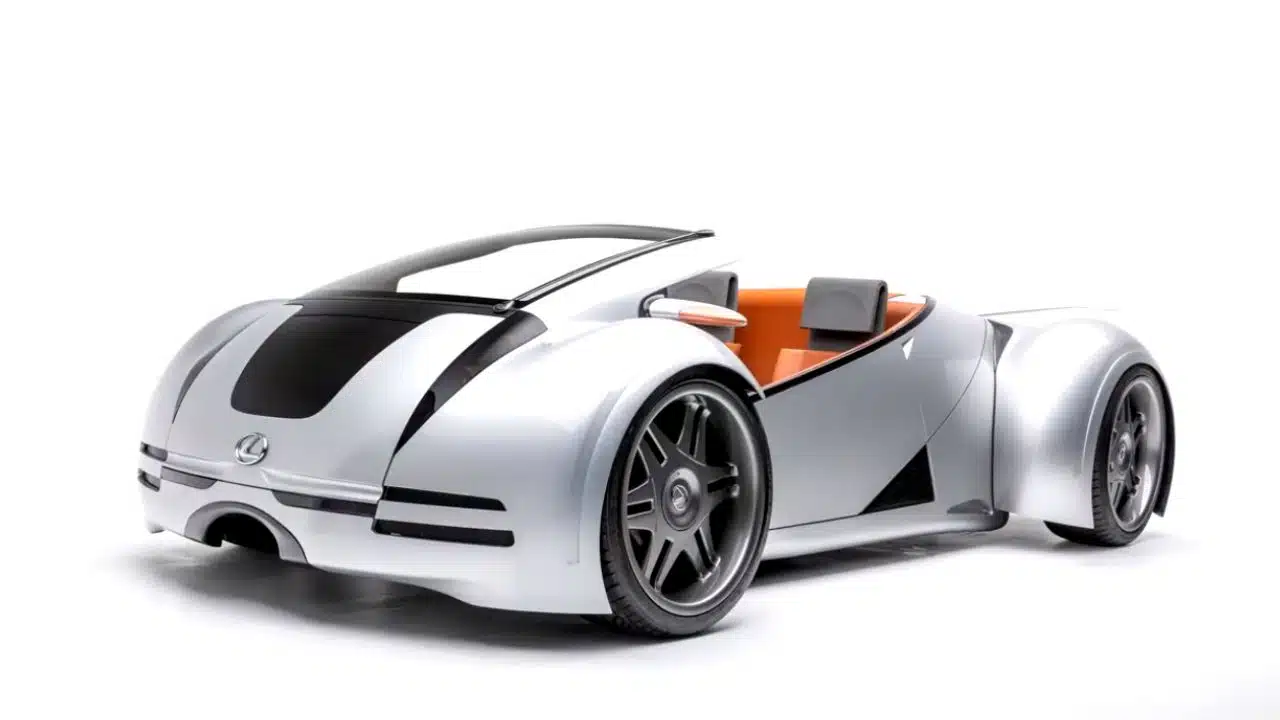
Concept cars allow designers to push boundaries, but sometimes they go overboard. We look at the wildest concepts that automakers wisely never put into production due to their ridiculous designs.
Bertone BAT Series – Spacecraft Inspiration
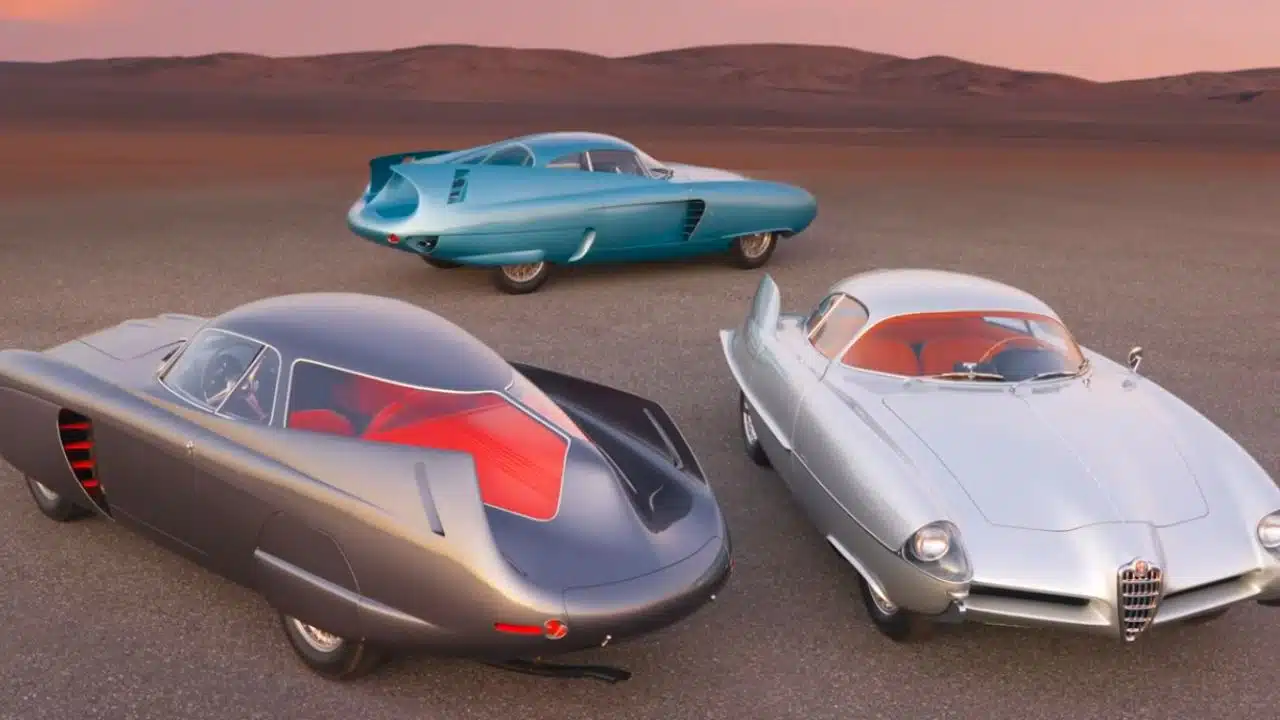
In the early 1950s, Italian design house Bertone created the radical Berlinetta Aerodinamica Tecnica (BAT) concept cars. With jet-inspired styling unlike anything else on 1950s roads, they seemed like UFOs. BAT 3 especially flaunted an extremely aerodynamic teardrop shape. While visionary, the bizarre BATs were clearly too extreme for real-world use.
Read More: Nissan Leaf Review
Ghia Selene – Backwards Backseats
Ghia’s 1960 Selene concept was supposed to preview the “car of the future” but luckily its baffling design never caught on. Penned by Tom Tjaarda, it featured rear-facing backseats – hardly practical or safe. An even more outlandish sequel, the Selene Seconda, emerged in 1962 but thankfully met the same fate.
Bertone Carabo – Sci-Fi Wedge
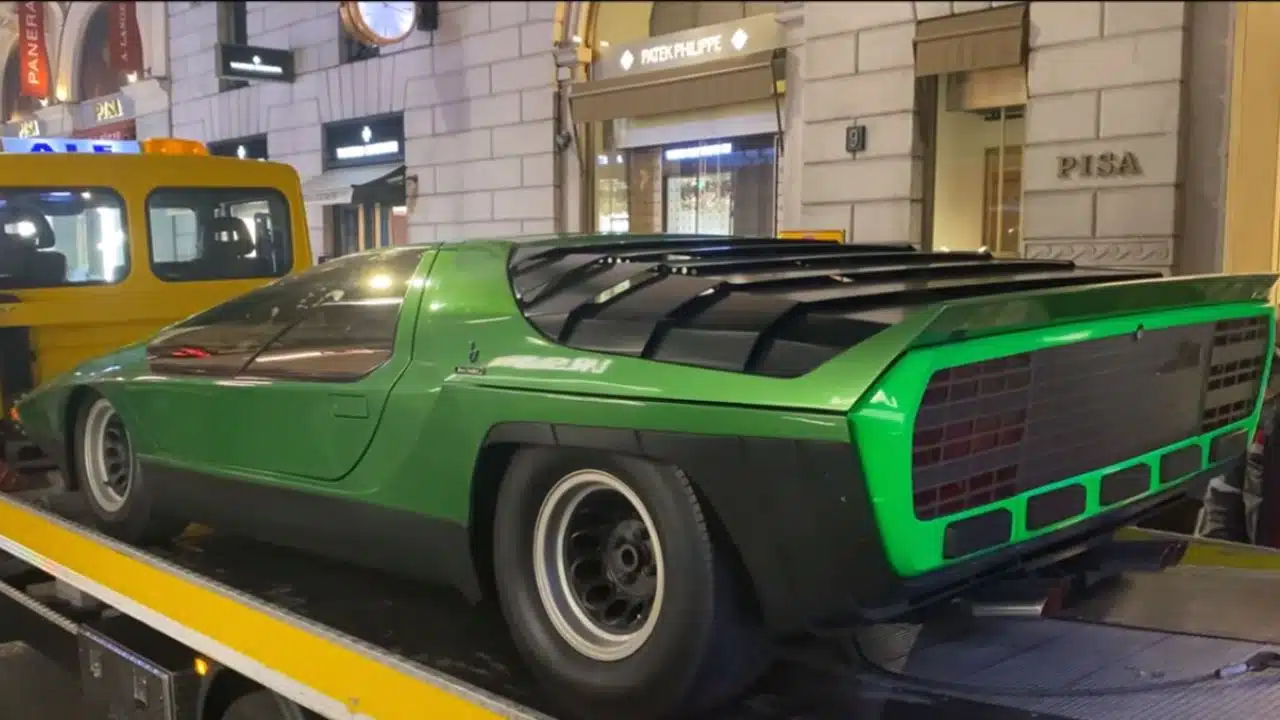
The 1968 Bertone Carabo made a huge impression with its wild, angular wedge shape and scissor doors. But the impractical concept had no place on actual streets. Its audacious styling nevertheless influenced a generation of supercars.
GM Astro III – Bizarre Wheel Layout
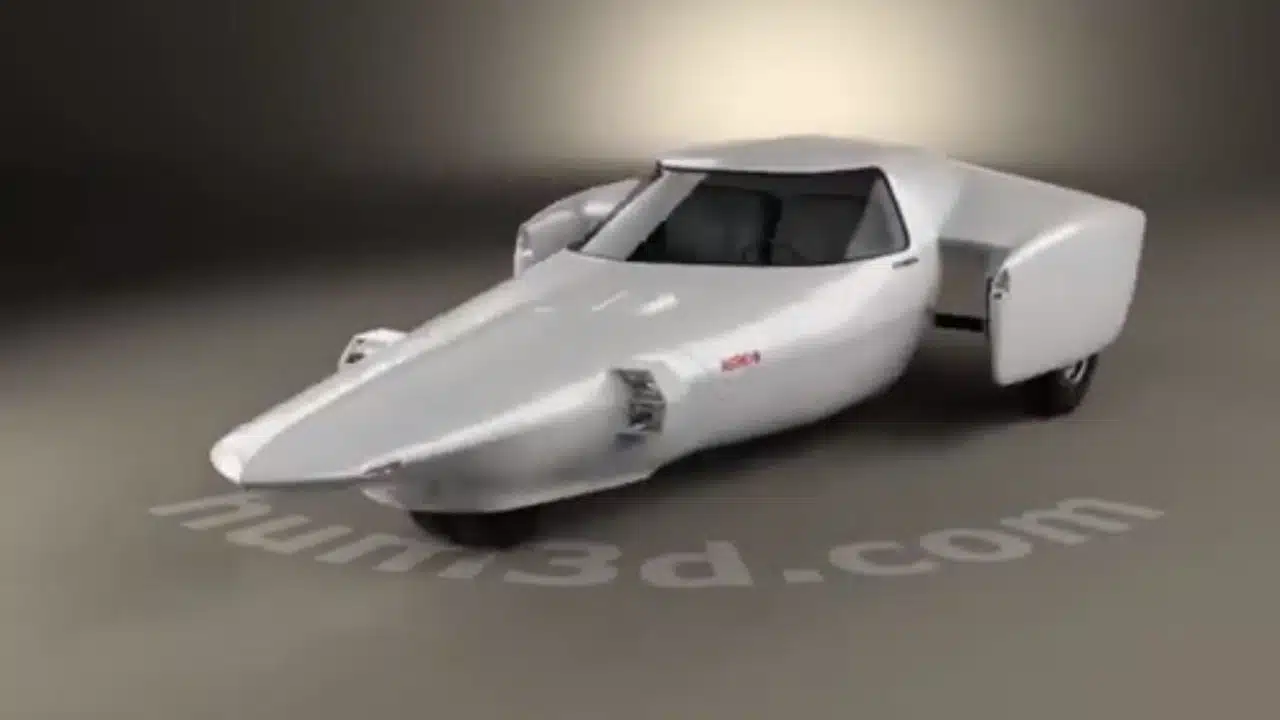
General Motors’ 1969 Astro III inexplicably positioned its two front wheels side-by-side, giving the deformed appearance of a three-wheeler. The highly unstable front suspension layout thankfully never reached production vehicles.
Read Also: Largest Car Companies in the World
Bertone Stratos Zero – Driving Your Living Room
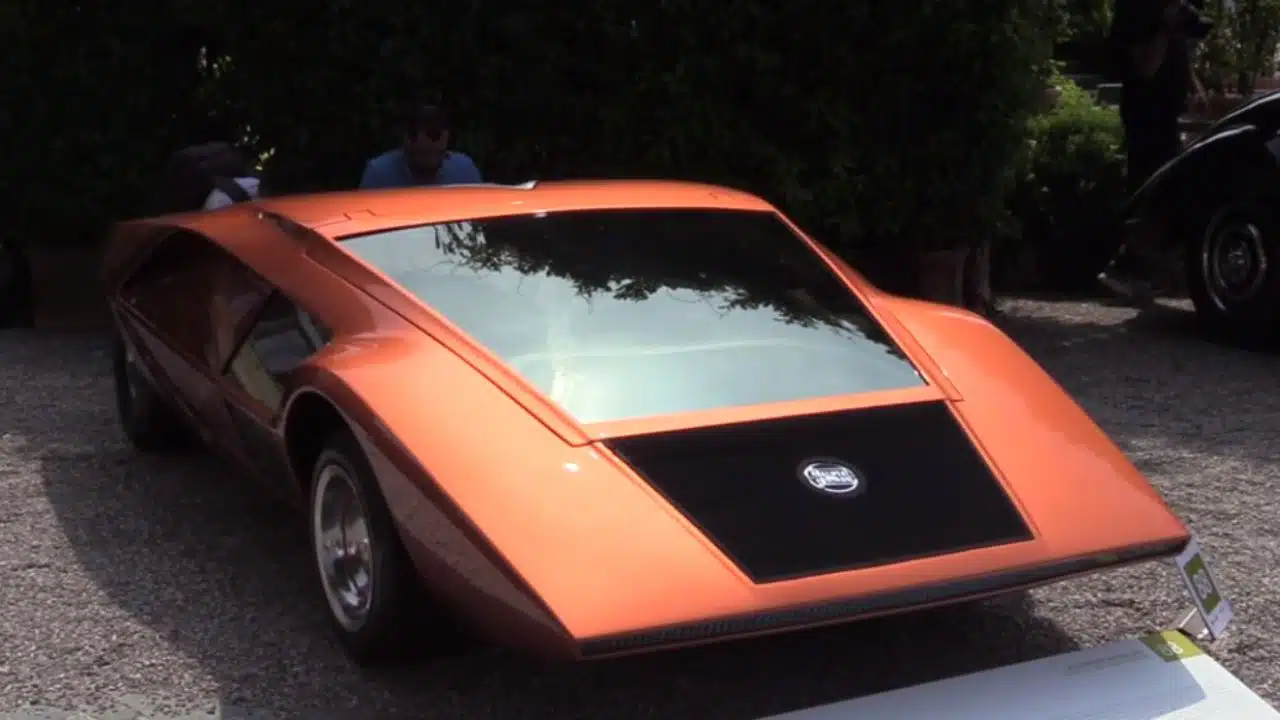
The 1970 Stratos Zero’s ultra minimalist interior encapsulated cabin occupants in pod-like seats with little visibility. The bizarre living room-like cockpit never stood a chance of being practical. But the concept still awed with its spaceship looks.
Pininfarina Modulo – Engineering Nightmare
The Modulo concept required extensive reengineering to fix issues from its bubble canopy to enclosed wheels. Producing even a limited run would have cost a fortune, nixing any chance of the outlandish Modulo reaching showrooms.
Dome Zero – Sharp Angles
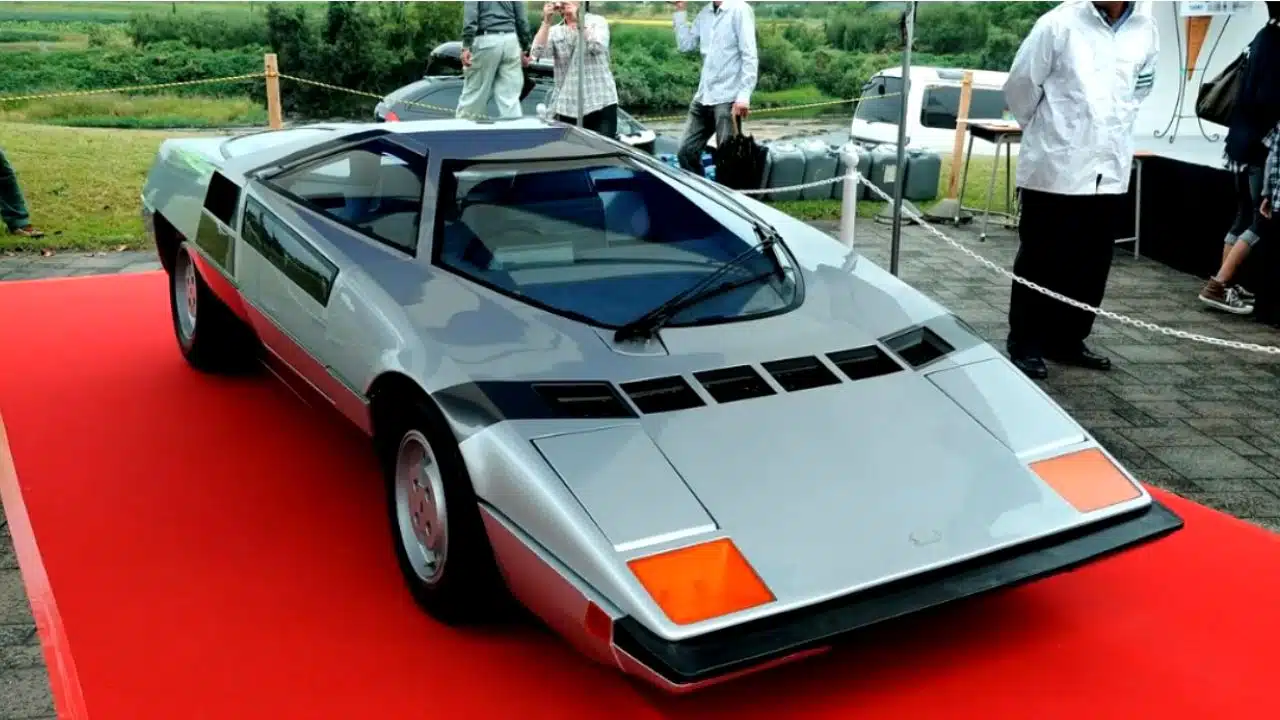
Aiming to best the Lamborghini Countach, Dome’s 1978 Zero concept went to extremes with its angular, fighter jet-inspired design. The Japanese company intended to race Le Mans but the car proved too impractical for production.
Aston Martin Bulldog – Straight From Sci-Fi
Designer William Towns let his imagination run wild when styling Aston Martin’s 1979 Bulldog. With an exotic wedge shape and top speed of 237 mph, the one-off Bulldog embodied space-age style but lacked any production feasibility.
You Can Read: Top Automobile Companies in World By Sales
Toyota CX-80 – Designed Blindfolded
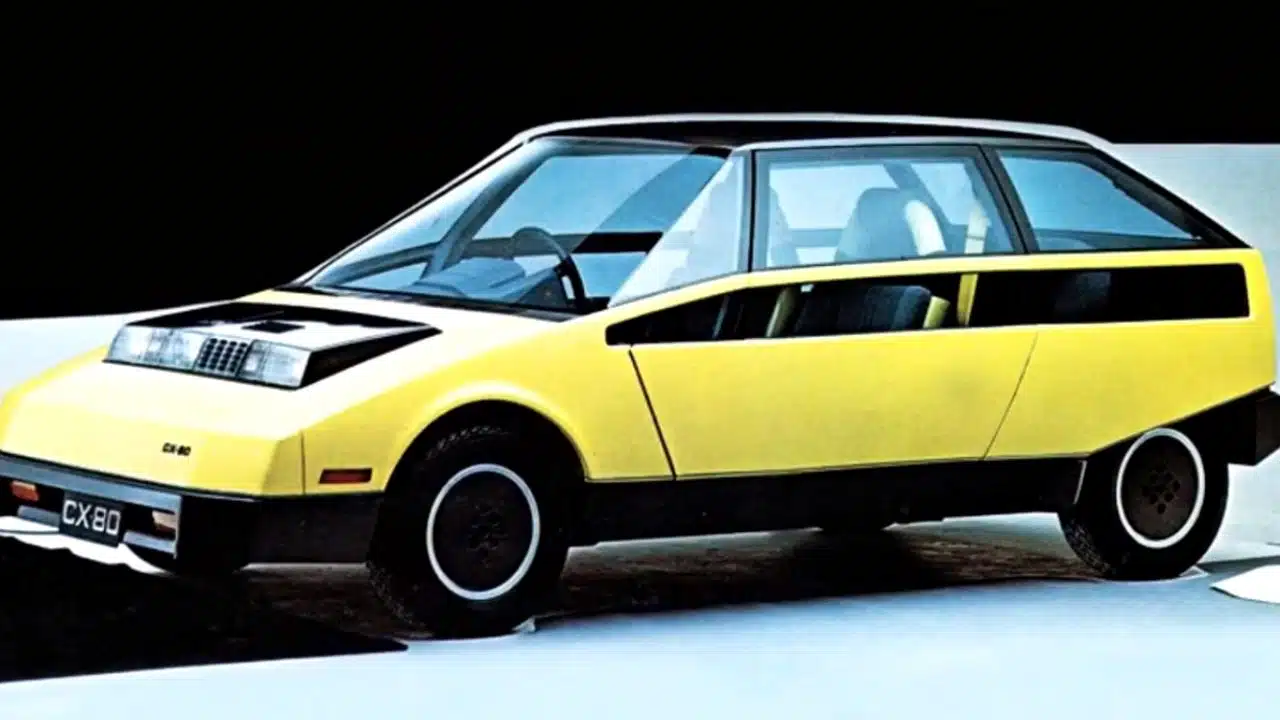
Toyota hoped its oddly proportioned 1979 CX-80 would offer generous space in a small footprint. But the stubby four-seater managed to achieve an almost cartoonish appearance no one would actually want to drive.
Citroen Karin – Toblerone On Wheels
Trevor Fiore’s 1980 Citroen Karin hid a minivan-like interior beneath its baffling triangular bodywork. The jarring three-seat layout flanked by passenger pods was the opposite of ergonomic and never stood a chance of reaching production.
IAD Alien – Removable Power Packs
IAD’s outlandish 1986 Alien supercar previewed the useless tech of swappable power packs. Beyond that gimmick, the otherworldly Alien lived up to its name with sci-fi styling totally unfit for reality.
Peugeot Proxima – All Show, No Go
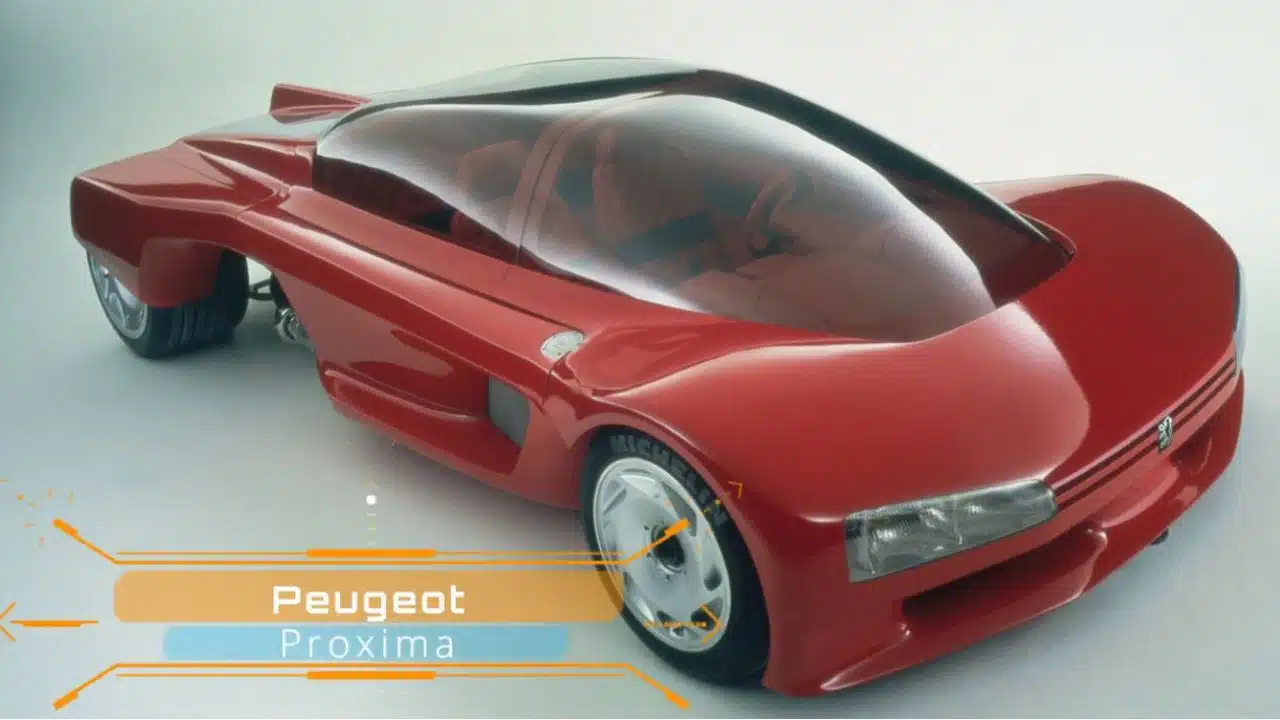
Amidst its boring ’80s lineup, Peugeot showed the 1986 Proxima, a 600hp turbo V6-powered supercar far beyond its ambitions. The uncompromising Proxima was mere fantasy alongside Peugeot’s daily family cars.
Italdesign Machimoto – Part Car, Part Bike
More motorcycle than car, Italdesign’s nine-seater Machimoto placed passengers in rows with handlebars for steering. The freakish mashup made no sense for real roads as a car or bike.
Chrysler Voyager III – Let’s Get Real
Chrysler’s city runabout concept came with a detachable rear pod to transform into an eight-seater minivan. The outlandish Voyager III highlighted unrealistic flights of design fancy.
Renault Zoom – Overcomplicated
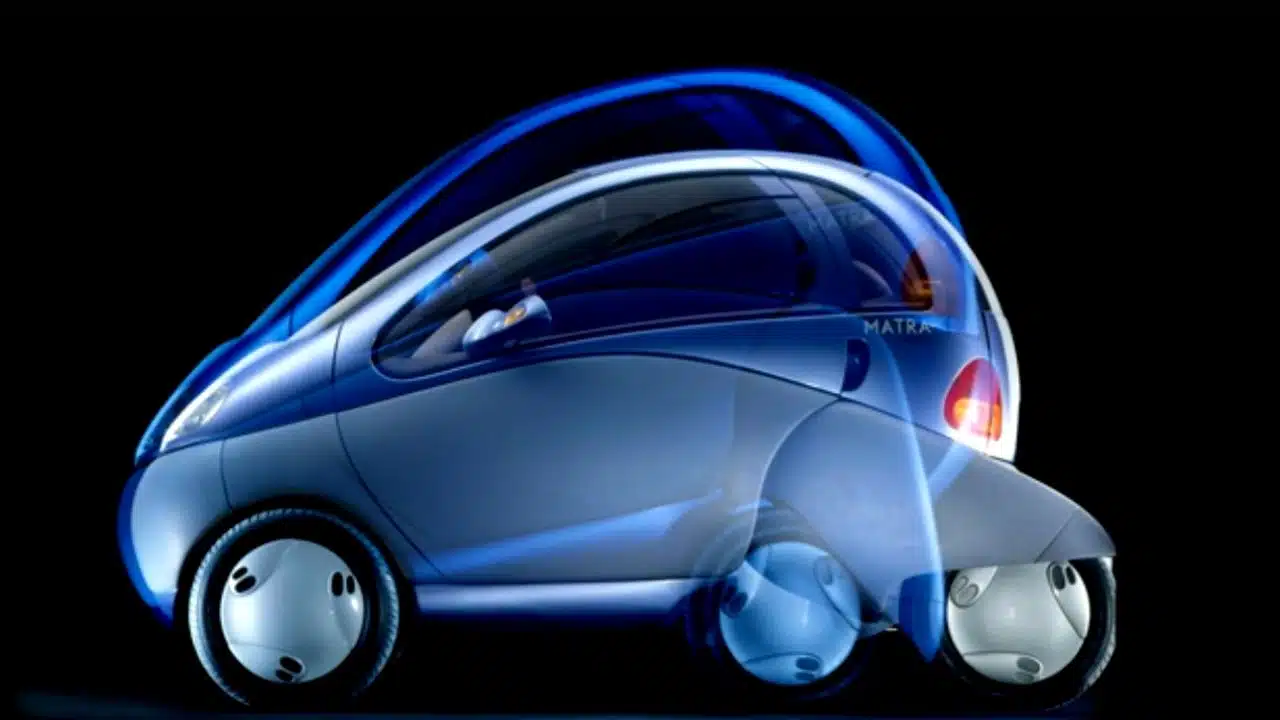
Small city cars succeed on simplicity, a memo Renault missed with its feature-loaded 1992 Zoom. Its variable wheelbase suspension dazzled on the auto show circuit but was needlessly complex for affordable transportation.
Renault Racoon – Crashed Helicopter
Renault aimed to solve no discernible problem with its ungainly 1993 Racoon. The mini off-roader resembled a helicopter minus its rotors, sitting atop a baffling articulated chassis, defiantly unconventional for the sake of it.
Mitsubishi ESR – Committee Design
Mitsubishi’s ecologically-focused 1993 ESR can’t decide if it’s a one-box or hatchback. The disjointed mishmash is a case study in too many cooks spoiling the broth through messy design-by-committee.
Renault Racoon (1993)
The Renault Racoon is a unique vehicle that combines the features of a helicopter and a car. It features a complex suspension system and wheels instead of rotor blades. This unconventional design addresses a question that had never been raised before.
Toyota Raum (1993)
Toyota marketed it as a “practical proposition for the next generation family car” – fortunately, this prediction turned out to be incorrect. The cars from the 1990s were often poorly designed and easily forgettable, but none of them were as terrible as this one. Due to its extremely disproportionate waistline, the Raum resembled a mobile goldfish bowl.
Dodge Neon Expresso (1994)
The Expresso had a whimsical design, reminiscent of a cartoon, with its unconventional curves adorning the bodywork and windows. The Expresso was marketed as a fresh take on the family taxi, drawing inspiration from the design of big-city taxis. However, Dodge’s claim that the concept was built on the platform of the enjoyable Neon raised doubts about its credibility.
Ford Indigo (1996)
The Indigo failed to provide any semblance of reality. This road-going racing car lacked weather protection and storage space, but boasted a powerful 6-litre V12 engine positioned behind the occupants’ heads, enabling it to reach a top speed of 180mph.
Italdesign Formula 4 (1996)
Italdesign had a noble goal in mind – to develop a sports car that would be within reach for young drivers. It’s unfortunate that the outcome turned out to be a disappointing combination of outdated and modern elements that were incredibly impractical and poorly executed.
Heuliez Pregunta (1998)
One of the most unfortunate ideas involves taking a perfectly fine car and transforming it into something that you wouldn’t want to be caught looking at, let alone sitting in. This amazing creation was once a Lamborghini Diablo…
Honda Fuya-Jo (1999)
Displayed at the 1999 Tokyo motor show, the Fuya-Jo was a unique blend of an armored car and a supermarket trolley. Its design included a sleek glasshouse and wheels that resembled those from a Lego set.
Honda Neukom (1999)
The Neukom was like a mobile greenhouse. The Neukom was designed to provide a spacious and enjoyable environment for social gatherings, while also incorporating a unique style and aerodynamic features. Ugh.
Hyundai FGV-II (1999)
The FGV, short for Future Green Vehicle, gives the impression that if this were the future of motoring, walking, cycling, and taking the bus would quickly gain popularity. The debut took place in Seoul in 1999.
Rinspeed X Dream (1999)
This concept seems rather pointless, as it provides little comfort or protection from the elements. However, it does come with its own hovercraft. So it seems like a popular market.
Toyota Cruising Deck (1999)
When tasked with selecting two contrasting types of cars, it’s highly likely that you would opt for a sports car and a pick-up truck. Attempting to merge these two car types would be a futile endeavor. Nevertheless, Toyota decided to give it a try with their less-than-impressive Celica Cruising Deck.
Valmet Zerone (1999)
Valmet specializes in car manufacturing and designing convertible roof systems, rather than designing complete vehicles. This turned out to be the downfall of the company, as the unveiling of its Zerone concept at the 1999 Geneva motor show left everyone unsure whether to applaud or laugh.
Citroën Osmose (2000)
Citroën described this as an innovative concept that envisions a more user-friendly vehicle design, fostering a new kind of interaction between pedestrians and motorists, all while promoting responsible car use. Okay.
Suzuki GSX-R/4 (2001)
Suzuki has made strides in producing more intriguing vehicles in recent years. However, back in 2001, when the GSX-R/4 was introduced, the company didn’t have any particularly coveted production models. The power was derived from a mid-mounted 1.3-litre Hayabusa engine.