We’re facing some measurable challenges in the economy, but in some ways, people are spending more money on unnecessary luxuries, though the nominal amount of these purchases is relatively low. Why is this the case? Which luxuries are worth buying? And should you be making similar upgrades for your own life?
Life’s Little Luxuries
Most of us can’t afford to buy a new oceanfront property or a new Ferrari, and if we can, we certainly can’t do it on a whim. But there are many smaller, cozier luxuries that most of us can easily afford. It doesn’t have to be expensive to qualify as luxury spending.
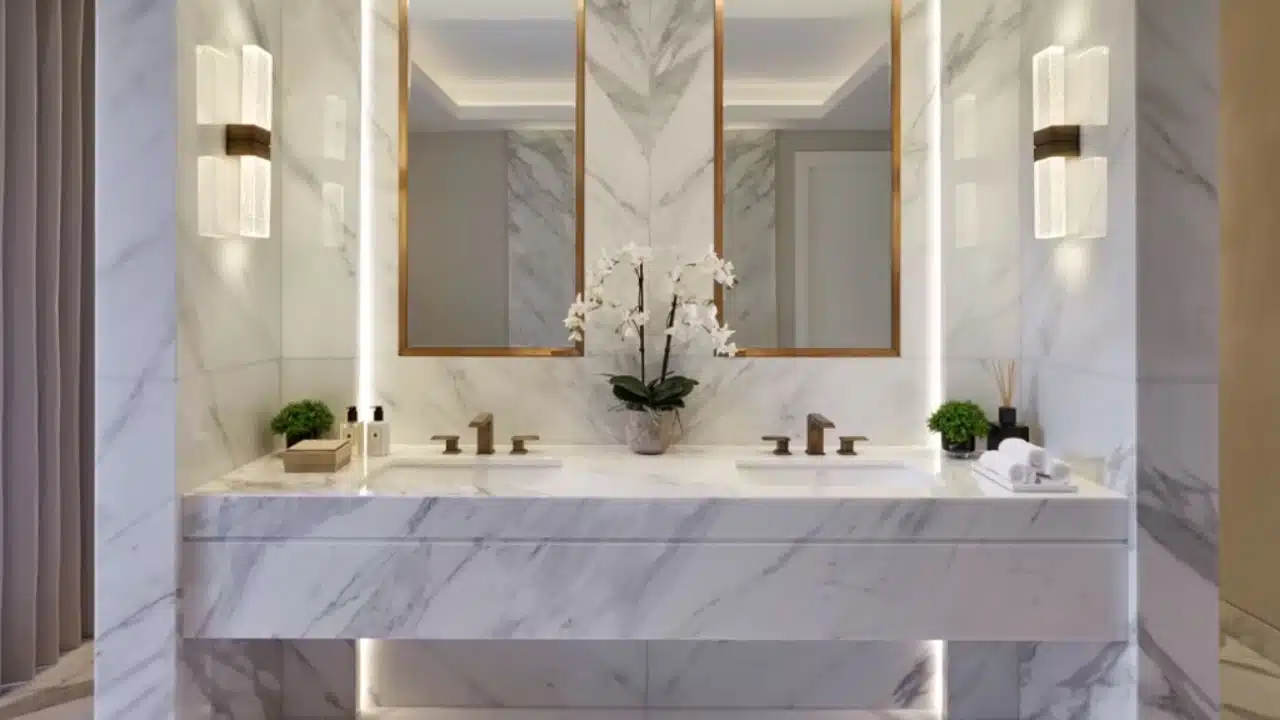
For example, take bidets. Bidets come in a wide range of shapes and styles, with assortments of different features, from relatively basic models to luxury models with everything. No matter what, a bidet in your bathroom has the power to give you a much more comfortable experience and a more thorough clean. But if you’re going to buy one, why not get one with a heated toilet seat, various temperature and pressure settings, and other bells and whistles?
This is the type of decision that more people in the United States are making. While there are certainly plenty of people who still live frugally and choose minimalistic purchases, the overall trend is shifting in favor of luxury purchases.
Motivations to Splurge on Luxuries
What makes people motivated to splurge on these luxuries?
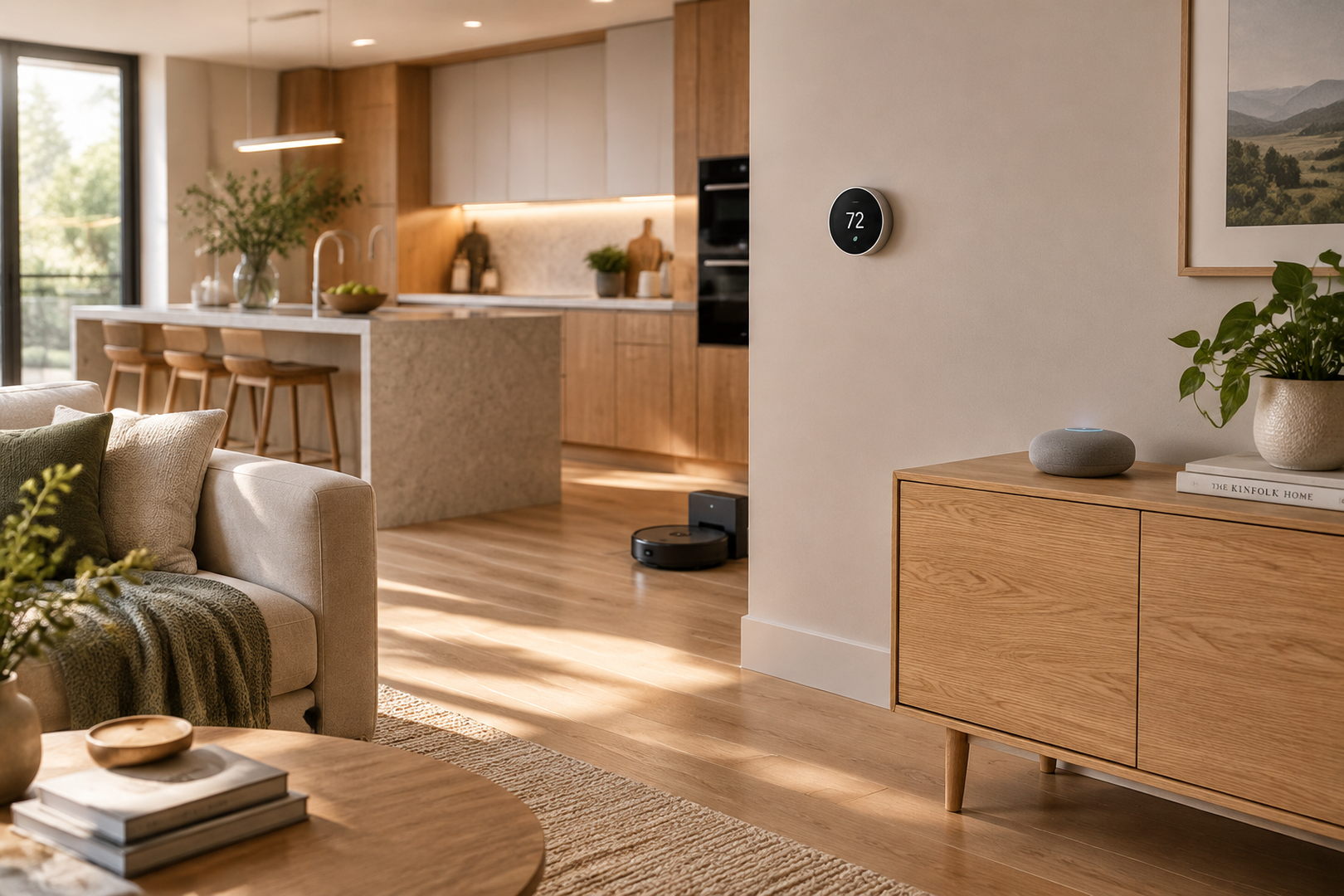
- Home environments. One explanation could be the tendency for people to spend more time in their home environments. Between COVID-19 lockdowns, the rise of remote work, the decline of “third places” in public, and general feelings of isolation or alienation, more people are inclined to spend more time at home. And if you’re spending more time at home, you’ll want to splurge on purchases that make that environment more comfortable, more interesting, or more functional. There’s no need to buy a fancy heated toilet seat if most of your bathroom experiences are in public bathrooms.
- Disposable income (for many). Wealth inequality in the U.S. is higher than it’s ever been, and it’s only getting higher. There are many underlying reasons for this, but they aren’t relevant for this discussion. What’s important is that there’s a big disparity between two groups of people in the country. One group of people is essentially living paycheck to paycheck, and is incapable of making any luxury purchases. The other group of people has plenty of disposable income, giving them the freedom to purchase whatever luxuries they want.
- Social media and social pressures. We could also pin some of the blame on social media and a general social pressure to make more money, have more things, and win the superficial game of life. Making more luxury purchases and having more luxury items gives you more clout in certain social spheres. Plus, if you see all your friends and family members buying new luxuries, you’ll be tempted to get some for yourself.
- Targeted ads. Our online world is more infested with advertising than ever before. No matter where you go on the internet, or what you do, you’re going to be bombarded with ads and marketing. And because these messages are so targeted and so persuasive, they’re often hard to resist.
- The dopamine rush. It’s not just your imagination; buying something expensive makes you feel good. In fact, in controlled experiments, when you tell people that what they’re buying is more expensive, they feel a disproportionate reward for buying it. For some people, splurging on luxuries is all about the dopamine rush – and you don’t have to have a shopping addiction to feel it.
- A need for peak experiences. In a similar vein, people are increasingly searching for peak experiences. They don’t want to eat at an average restaurant; they want to eat at a restaurant that’s going to provide them with a totally unique experience. You’re not going to achieve that peak by buying basic or minimalistic models.
- Disregard for the future. There’s also some element of disregarding the future at play in these decisions. Financially savvy people know that if you’re focused on the future, you’re more likely to exercise frugality, save your money, and attempt to accumulate wealth. But if you don’t care about the future, or if you’re more interested in prioritizing your present self, there’s no higher-level factor to rein in your spending.
There’s nothing inherently wrong with splurging on luxuries, especially if you do it in moderation. Obviously, if you consistently spend beyond your means, it’s going to result in a financial catastrophe. But for most people in the country, these small luxuries aren’t nominally valuable enough to make a negative impact – and especially not in the long term.
This is merely an interesting, and potentially temporary development in consumer spending patterns.