Sudden cardiac arrest, congestive heart failure (CHF), and other serious health conditions are frequently associated with nocturnal death. This in-depth blog post delves into the various reasons people die in their sleep and the factors that heighten the risk. Understanding these causes can help us take preventive measures while we’re awake.

Cardiac Arrest
Cardiac arrest occurs when the heart suddenly stops beating, leading to sudden cardiac death within minutes without immediate medical intervention. Sleep increases the risk because the emergency response is often delayed. A 2021 study in Heart Rhythms found that about 22% of sudden cardiac deaths occur between 10:00 p.m. and 6:00 a.m.
Medical conditions leading to sudden cardiac arrest include heart attack, arrhythmia, congestive heart failure, and stroke.
- Heart Attack: When a blood vessel supplying the heart muscle becomes blocked, it damages the heart tissue, resulting in a heart attack. Severe heart attacks can lead to cardiac arrest and death. The risk is higher for those with coronary artery disease, high cholesterol, or high blood pressure.
- Arrhythmias: These are irregularities in the heart’s electrical system, causing the heart to beat too fast, too slow, or irregularly, compromising its pumping ability. Conditions like hypertension or heart disease trigger serious arrhythmias like ventricular tachycardia, which can be fatal.
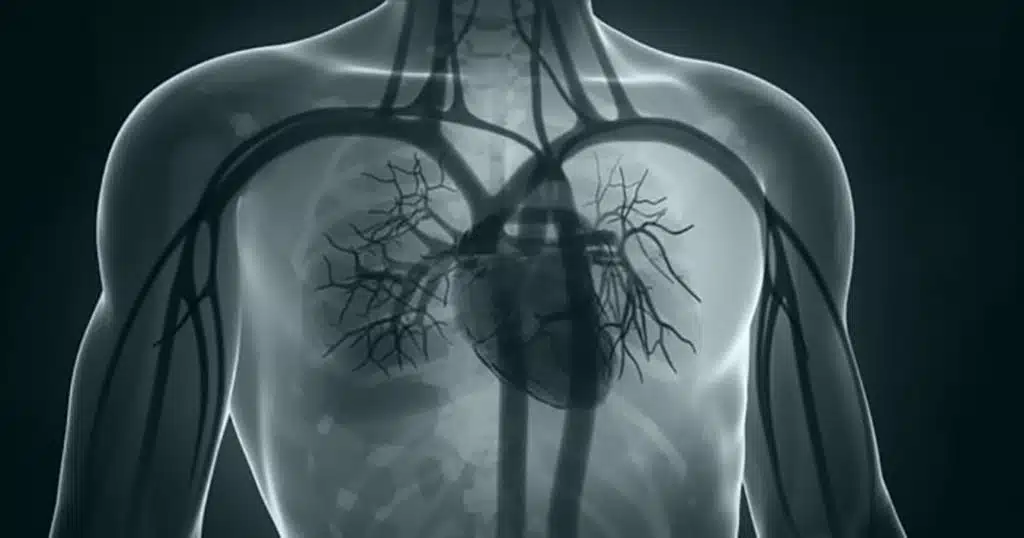
- Congestive Heart Failure: CHF can lead to a gradual decline in heart function, potentially resulting in cardiac arrest. Symptoms of end-stage CHF include extreme fatigue, persistent coughing, and shortness of breath. Left-sided heart failure can lead to fluid buildup in the lungs, causing respiratory distress and arrest.
Respiratory Arrest
A variety of conditions affecting the lungs or nervous system can cause respiratory arrest, which is the cessation of breathing during sleep. Chronic illnesses like chronic obstructive pulmonary disease (COPD), cystic fibrosis, and lung cancer can lead to respiratory failure during sleep. Conditions like amyotrophic lateral sclerosis (ALS) also impair breathing, leading to respiratory arrest.
- Chronic Obstructive Pulmonary Disease (COPD): COPD severely affects breathing, leading to lower oxygen levels and respiratory arrest during sleep. Symptoms include a chronic cough, shortness of breath, and frequent respiratory infections.
- Pulmonary Embolism: A blood clot in the lungs can obstruct blood flow, causing sudden respiratory failure, often associated with deep vein thrombosis (DVT).
- Neurological Conditions: Diseases affecting the nervous system, such as ALS or myasthenia gravis, can impair the muscles required for breathing, leading to respiratory arrest.
Brain Stroke
A stroke occurs when a blood clot blocks blood flow to the brain, causing brain cell death. High blood pressure, high cholesterol, diabetes, and untreated sleep apnea increase the risk of strokes. Strokes can be fatal, especially if they affect the brainstem, impacting breathing and consciousness.
- Ischemic Stroke: An ischemic stroke occurs when a blood clot obstructs a brain vessel, resulting in tissue damage. This type of stroke can be fatal if it affects critical areas controlling vital functions.
- Hemorrhagic Stroke: This occurs when a blood vessel in the brain bursts, causing bleeding. This can be fatal if not treated promptly, with risks including high blood pressure and aneurysms.
Obstructive Sleep Apnea (OSA)
OSA is a condition where breathing repeatedly stops and starts during sleep. It increases the risk of heart failure, stroke, and sudden death. Untreated OSA can lead to fatal events due to asphyxiation or exacerbation of existing heart conditions.
- Symptoms and Risks: People with OSA often snore loudly and feel worn out even after a full night’s sleep. The condition can cause daytime drowsiness, increasing the risk of accidents.
- Treatment Options: Treatments include lifestyle changes, continuous positive airway pressure (CPAP) therapy, and sometimes surgery to remove airway obstructions.

Diabetes
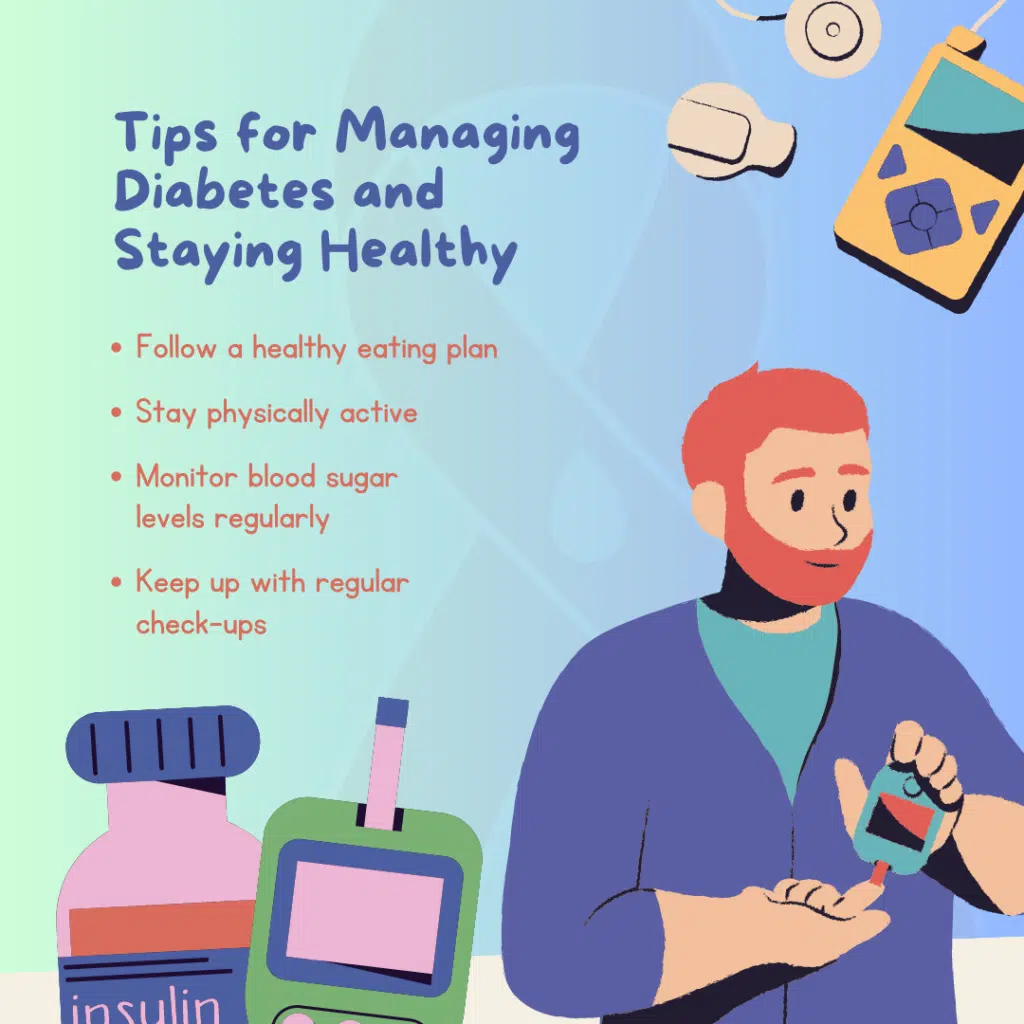
Type 1 diabetes can cause dangerous fluctuations in blood sugar levels during the night, leading to seizures or death. “Dead in Bed Syndrome” refers to unexplained nocturnal deaths in people with diabetes, possibly due to severe hypoglycemia.
- Blood Sugar Management: Maintaining stable blood sugar levels through diet, medication, and monitoring is crucial. Hypoglycemia can cause confusion, seizures, and unconsciousness, leading to death if not treated promptly.
Carbon monoxide poisoning
Carbon monoxide (CO) is a colorless, odorless gas that can cause death by asphyxiation. Faulty ventilation from appliances like gas heaters or generators can lead to CO buildup, causing dizziness, shortness of breath, and death during sleep as CO prevents oxygen from circulating in the body.
- Prevention: Installing CO detectors and ensuring proper ventilation for appliances can prevent poisoning. Symptoms of CO poisoning include headaches, nausea, and confusion.
Medication and Substance Use
Certain medications and substances can suppress the brain’s regulation of breathing, leading to respiratory arrest. Overdoses of painkillers, sedatives, and alcohol are common causes. Medications like opioids and sedatives can be particularly dangerous if misused.
- Common Culprits: Opioids, benzodiazepines, and alcohol can depress the central nervous system, leading to respiratory failure. Combining these substances increases the risk.
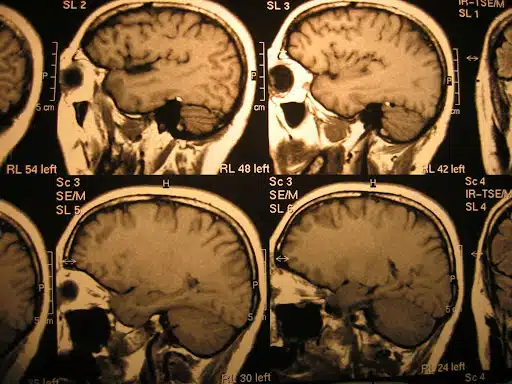
Trauma
Severe brain trauma can cause sudden death during sleep. You should not ignore symptoms like persistent headaches or nausea following a head injury, as they can indicate a brain hemorrhage.
- Prevention: Wearing helmets and seatbelts can reduce the risk of traumatic brain injuries. Seek immediate medical attention for any head injury.
Epilepsy
In epilepsy, Sudden Unexpected Death (SUDEP) occurs when people die without a clear cause, often during sleep. Theories suggest that seizures can disrupt breathing or heart function.
- Risk Factors: Uncontrolled seizures and non-compliance with medication increase the risk of SUDEP. Monitoring and managing epilepsy with a healthcare provider is crucial.

Choking and suffocation

Vomiting during a seizure or excessive alcohol consumption can lead to choking during sleep. Babies are particularly vulnerable to suffocation from bedding or Sudden Infant Death Syndrome (SIDS).
- Prevention: To prevent choking, ensure a safe sleep environment for infants and avoid sleeping with food or objects in the mouth. Placing babies on their backs to sleep reduces the risk of SIDS.
Additional Causes
- Sudden Infant Death Syndrome (SIDS): SIDS is the unexplained death of a healthy infant during sleep. Safe sleep practices, like placing babies on their backs and using firm mattresses, can reduce the risk.
- Congenital Central Hypoventilation Syndrome (CCHS) is a rare genetic disorder causing respiratory failure during sleep due to inadequate autonomic control of breathing.
- Status Asthmaticus: Severe asthma attacks that do not respond to standard treatments can cause respiratory failure and death.
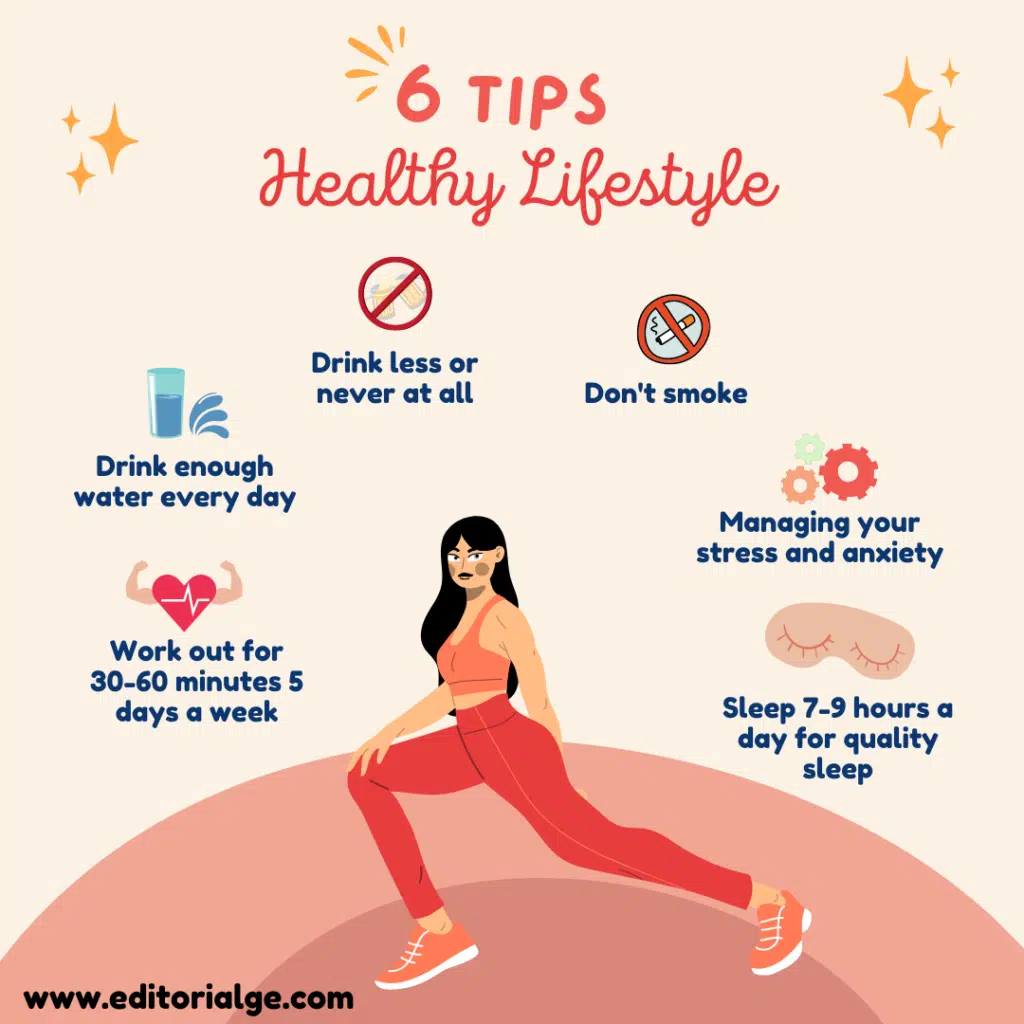
Assess your risk:
While sudden death while sleeping can happen even to healthy people, evaluating and addressing any known risk factors can reduce your risk. Here are some steps you can take:
- Healthy Lifestyle: Focus on a balanced diet, regular exercise, and maintaining a healthy weight. The American Heart Association (AHA) recommends the Essential 8: diet, exercise, sleep habits, smoking cessation, body weight, blood pressure, blood cholesterol, and blood sugar.
- Moderate Alcohol Consumption: Keep alcohol consumption moderate, especially before going to sleep.
- Stay Hydrated: Ensure you drink enough water and include electrolytes in your diet.
- Install Carbon Monoxide Alarms: Use CO detectors with battery backups and test them regularly. Ensure proper ventilation for appliances, and turn off heaters and open windows before sleeping.
- Sleep Disorder Treatment: If you have a sleep disorder, seek evaluation and treatment. Symptoms like snoring or sleeping more than nine hours regularly could indicate a problem.
- Manage heart disease: lead a healthy lifestyle and take prescribed heart disease medications. If you experience frequent heart palpitations or chest pain, see a doctor for an evaluation.
- Invest in a Home AED: If you have risk factors for sudden cardiac arrest, consider getting a home AED, such as the Philips HeartStart On-Site AED or the ZOLL AED Plus. A family member can use the portable defibrillator to deliver an electric shock before EMS professionals arrive, potentially saving their lives.
Takeaways
The risk of dying in your sleep is low, but there are a lot of things you can do to prevent it. Having considered several causes of death in your sleep, it’s important to remember that the absolute risk is quite low—especially if you’re young and healthy. If you do have any risk factors, address them during the day rather than lying in bed worrying about them at night. If you find yourself worrying, it could help to put your affairs in order and resolve any differences with friends and loved ones as soon as you can. Irrespective of your individual risk, being “ready to go” can help you sleep and live each day with peace of mind.
Frequently Asked Questions (FAQs)
-
Are there signs you may die in your sleep?
According to the Hospice Foundation of America, there are several signs that a person with an end-stage illness is near death. These include:
- There may be gaps in breathing, noisy breathing, or coughing.
- The body’s temperature, pulse, blood pressure, and respiration have decreased.
- There may be purplish or grayish discoloration, especially on the hands and feet.
- Moaning or groaning causes increased pain.
-
Is it painful when you die in your sleep?
It depends on the cause. If there is a major event like a massive stroke or ruptured aneurysm, the pain may be severe enough to rouse someone from their sleep. But with certain terminal illnesses or events, like a drug overdose or carbon monoxide poisoning, the decline in organ function may be so gradual that the person remains unconscious and dies “peacefully.”
-
How quick is death from heart failure?
Heart failure is not the same thing as sudden cardiac death. Heart failure, in which the heart is less able to pump blood efficiently, may result in death many years after the diagnosis. With cardiac arrest, in which the heart completely stops, death can occur in minutes.
References or Information Sources:
- Heart Rhythms Study, 2021
- The CDC stands for the Centers for Disease Control and Prevention.
- National Commission on Sleep Disorders Research
- American Heart Association (AHA)
- Mayo Clinic
- Epilepsy Foundation
- American Lung Association
Disclaimer
Editorialge only provides general knowledge for informational purposes. We do not offer medical advice, diagnosis, or treatment. Readers should consult with qualified healthcare professionals for personalized medical advice. While we endeavor to ensure the accuracy and reliability of the information provided, we do not guarantee its completeness or suitability for any specific purpose. This website is used at the reader’s own risk. By accessing and using this website, you agree to indemnify and hold harmless the website owners, authors, contributors, and affiliates from any claims, damages, liabilities, losses, or expenses resulting from your use of the information presented herein.