
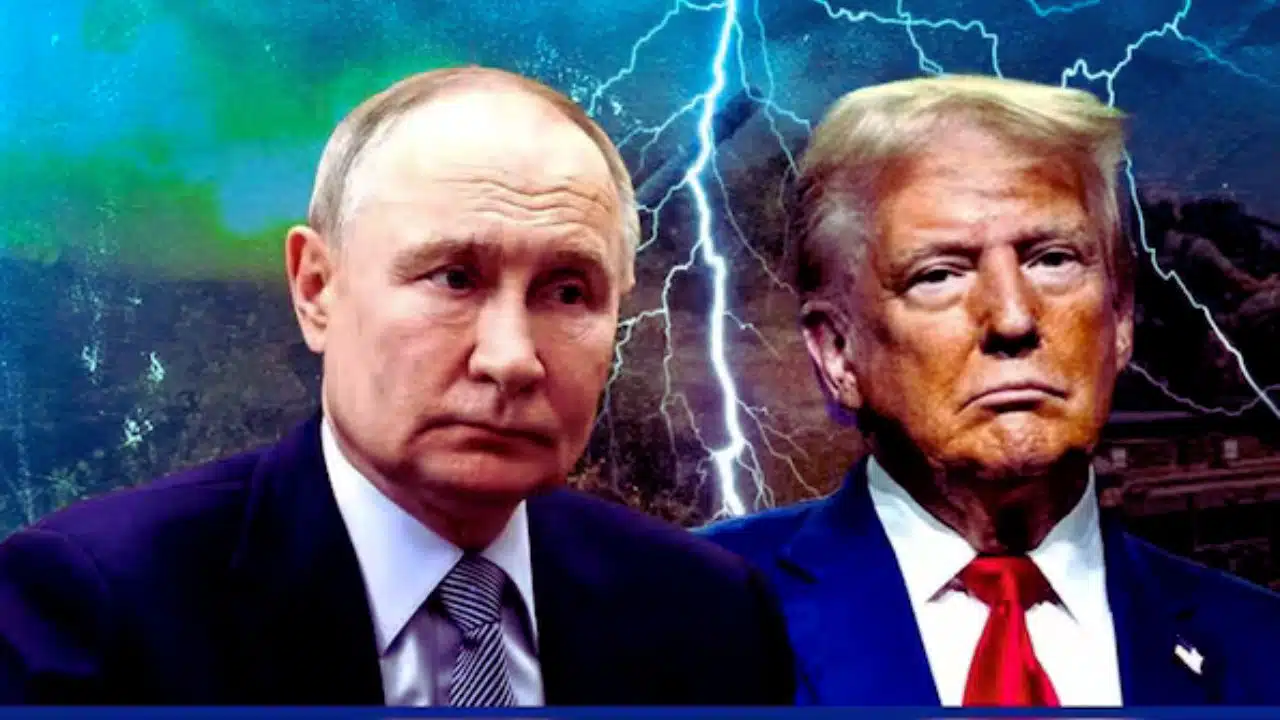
US sanctions on Russian oil giants are tightening pressure on Kremlin oil revenue as Russia reported 530.9 billion rubles ($6.8 billion) in November oil-and-gas budget income, down 33.8% year on year.
What Washington sanctioned—and why it matters
The latest U.S. escalation targets Russia’s biggest oil producers, with the Treasury Department designating Rosneft and Lukoil under Executive Order 14024 for operating in Russia’s energy sector. The Treasury Department said the move is intended to increase pressure on Russia’s energy revenue base and reduce the Kremlin’s capacity to fund its war effort, while tying the step to Moscow’s failure to commit to a peace process and calls for a ceasefire.
This step built on earlier 2025 U.S. actions that widened sanctions authorities against “persons operating or having operated in the energy sector” and expanded the practical risks for companies that transport, insure, finance, or trade Russian oil. Together, the measures aim to restrict Russia’s ability to monetize exports by raising transaction costs, narrowing access to services, and making counterparties wary of sanctions exposure.
How the sanctions work
Under the Rosneft/Lukoil designations, U.S. rules generally require blocking of their property and interests in property within U.S. jurisdiction and prohibit U.S. persons from transactions involving them unless authorized by a general or specific license. Treasury also emphasized that entities owned 50% or more (directly or indirectly) by blocked persons are themselves treated as blocked, even if not named.
A second pressure point is “secondary sanctions” risk: Treasury warned that foreign financial institutions could face restrictions if they facilitate significant transactions involving certain blocked persons or provide services linked to Russia’s military-industrial base. Separately, the U.S. has used price-cap enforcement tools to sanction entities and vessels for using coalition services while carrying Russian-origin crude sold above the coalition cap, reinforcing the compliance burden across shipping, insurance, and finance.
The “two stories” now converging
Two major 2025 waves of action—first on shipping and mid-sized oil majors, then on Russia’s largest producers—now combine into a single, tighter net around Russia’s oil export chain.
Wave 1: January 2025—energy sector and “shadow fleet” focus
In January 2025, the U.S. Treasury announced sweeping measures that included blocking Gazprom Neft and Surgutneftegas and sanctioning 183 vessels linked to high-risk shipping practices often described as a “shadow fleet.” Treasury also described sanctions against opaque traders, oilfield service providers, and maritime insurance providers, seeking to disrupt the support ecosystem that keeps Russian barrels moving to global buyers.
That January package also included a U.S. “petroleum services” prohibition intended to cut off U.S.-linked services related to extraction and production, with an effective date set for late February 2025. Treasury paired the action with time-limited wind-down authorizations for certain energy-related transactions (including an amended General License 8L) to manage immediate disruptions while tightening longer-term pressure.
Wave 2: October 2025—Rosneft and Lukoil added
In October 2025, Treasury designated Rosneft and Lukoil—described as Russia’s two largest oil companies—adding a broad set of Russia-based subsidiaries and reinforcing that majority-owned entities are also blocked. Treasury framed this move as an additional lever to degrade Russia’s revenue capacity and increase the costs and risks for anyone seeking to maintain business ties with Russia’s core oil champions.
Sanctions timeline at a glance
| Date (2025) | U.S. action | Key targets (examples) | What it sought to disrupt |
| Jan 9 | New energy-sector determination; major designations | Gazprom Neft; Surgutneftegas; 183 vessels | Production/export chain and “shadow fleet” shipping network |
| Feb 27 (effective) | Petroleum services ban takes effect | U.S.-linked petroleum services for Russia | Upstream technical/service inputs for extraction/production |
| Oct 23 | Full blocking sanctions on largest oil firms | Rosneft; Lukoil; multiple subsidiaries | Core revenue engines and wider counterparty risk |
Why the hit is measured in “billions per month”
Russia’s federal finances are highly sensitive to oil and gas receipts, and the most visible near-term metric is monthly budget income from the sector. Based on Russian Finance Ministry data cited by TASS and reported publicly, November oil-and-gas revenue fell to 530.9 billion rubles ($6.8 billion), down 33.8% year on year.
Month to month, the same dataset showed October oil-and-gas revenues at 888.6 billion rubles ($11.4 billion), implying a drop of roughly 357.7 billion rubles (about $4.6 billion) from October to November—an example of the “billions monthly” scale discussed by analysts watching sanctions and oil prices. The reporting also noted that October’s figure was boosted by an additional profit tax collected quarterly, which can create sharp month-to-month swings, so the monthly change is not solely attributable to sanctions.
Beyond budget receipts, sanctions enforcement is designed to reduce net export proceeds by forcing deeper discounts, longer routing, higher freight and insurance costs, and a greater need for intermediaries. One sanctions-focused research group estimated that a much lower price cap (for example, $30 per barrel) would have reduced Russia’s oil export revenue by 40% cumulatively from December 2022 to the end of September 2025, illustrating how enforcement intensity and cap design can translate into multi-billion monthly revenue impacts.
Key revenue indicators cited in recent reporting
| Indicator | Latest figure cited | Change cited | What it signals |
| Oil & gas budget revenues (Nov 2025) | 530.9 bn rubles ($6.8 bn) | -33.8% YoY | Lower fiscal intake from the energy sector |
| Oil & gas budget revenues (Oct 2025) | 888.6 bn rubles ($11.4 bn) | -40.2% MoM (to Nov) | Volatility, including quarterly tax effects |
| Jan–Nov 2025 oil & gas revenues | 8.029 tn rubles ($103.4 bn) | -21.4% YoY | Sustained year-to-date pressure on receipts |
What comes next
A central question for markets is whether tighter U.S. restrictions cause sustained volume disruptions or mainly re-route trade through costlier channels. Treasury has repeatedly described a strategy of increasing sanctions risk around shipping and financial facilitation while attempting to limit broader spillovers to global energy markets, including through the price-cap framework.
For Russia, the near-term challenge is maintaining export flows and budget stability while facing higher compliance barriers, vessel constraints, and more cautious counterparties. For buyers and intermediaries, the practical issue is due diligence: knowing which entities are blocked, how ownership rules apply, and what transactions might trigger enforcement or secondary sanctions exposure.
Final Thoughts
The combined effect of 2025 U.S. measures is a broader squeeze: major producers are sanctioned, shipping networks are targeted, and the services and financing that enable exports face rising compliance risk. Russia’s own reported oil-and-gas revenue figures show declines on the scale of billions of dollars in a single month, even as tax timing and oil-price moves also shape the totals. The next phase is likely to hinge on enforcement consistency, how quickly trade networks adapt, and whether additional partners align with tighter restrictions on the Russian oil export chain.