Ever feel like your morning commute is stealing hours from your life? You wait at the bus stop, but the bus is late again. Traffic jams make you late for work. Gas prices seem to climb higher every single week. Breathing in dirty air from all those cars gets old fast. Did you know that cars and buses cause almost 30% of greenhouse gas pollution in cities? That means more smoke, more heat, and worse air for everyone.
This blog post will explain how Sustainable Transportation makes public transit better for your wallet, your health, and our planet. I am going to walk you through exactly what is changing. You will see why it matters to you. Stick around to find out how travel could get much easier in the future!
What Is Sustainable Transportation?
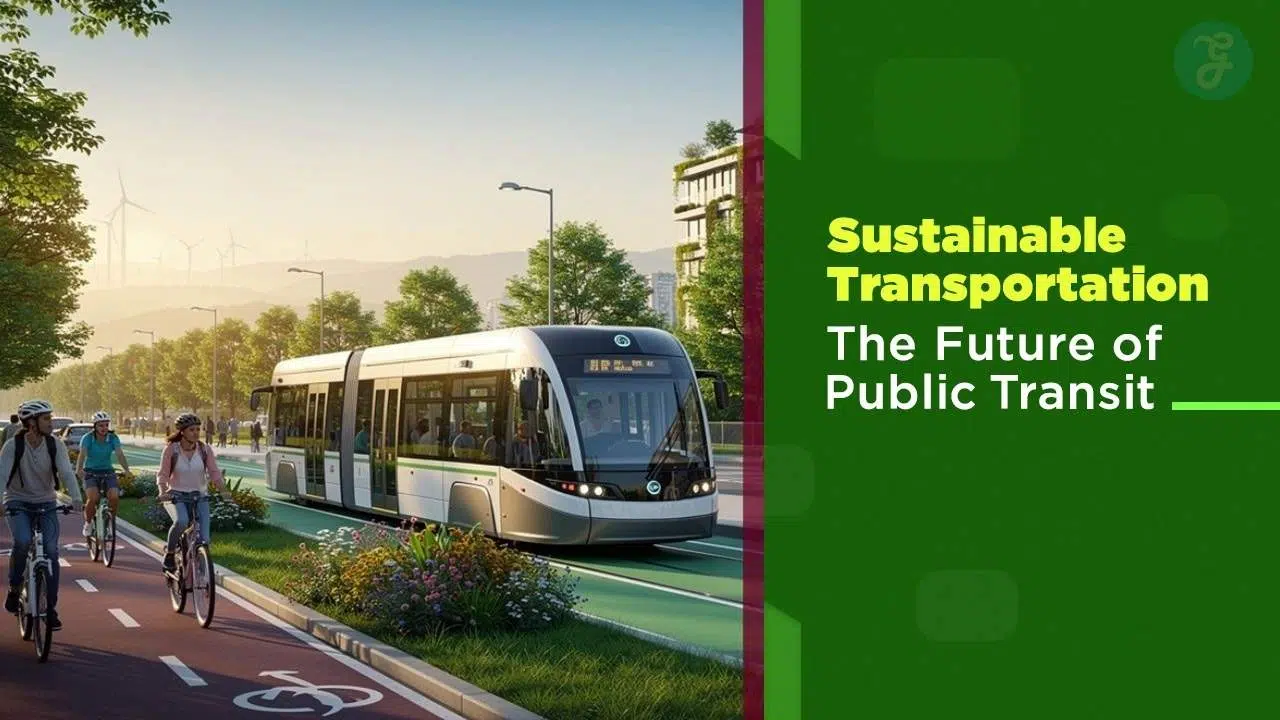
Sustainable transportation is about moving people in ways that support economic growth while protecting the environment. It aims to keep cities clean, safe, and moving for everyone.
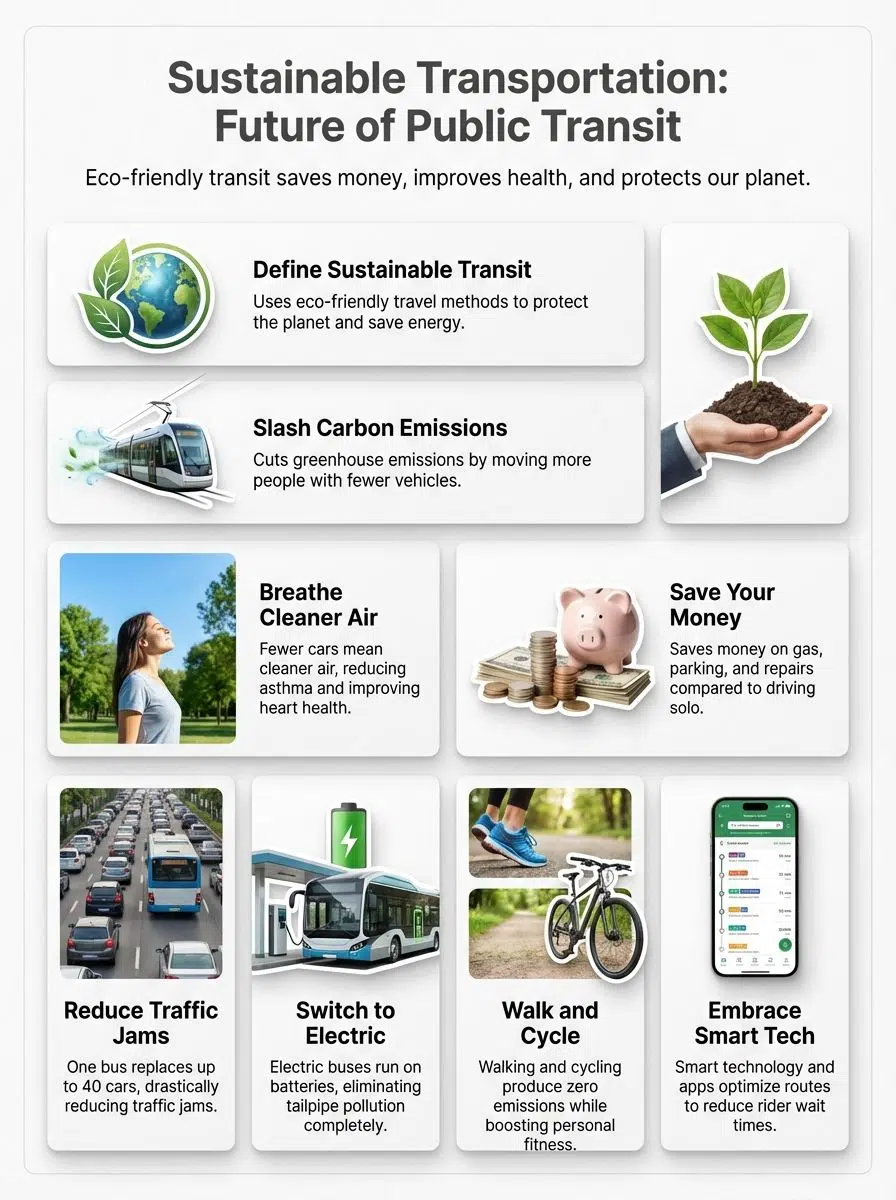
Definition and importance
Sustainable transportation means using methods of travel that protect the environment, meet the needs of people, and save energy. Public transit, like buses and trains play a big part in this goal by cutting down on greenhouse gas emissions.
The U.S. Department of Transportation defines this as a system that allows for the basic access needs of individuals to be met safely. It specifically targets the reduction of emissions and waste.
Switching to eco-friendly transport helps lower air pollution and fight climate change. In cities with strong public transportation systems, there is less traffic congestion and better urban mobility for all.
Good public transit supports sustainable development by making sure everyone can afford to get around safely. The shift to electric vehicles also reduces energy demand while keeping city air cleaner.
The road to a greener future starts with one bus ride at a time.
See how these efforts help address problems linked with climate change.
Role in addressing climate change
Public transit cuts down greenhouse gas emissions by moving more people with fewer vehicles. A typical city bus can carry up to 60 passengers. This takes dozens of cars off the road instantly.
Fewer cars mean less pollution in our air and a smaller carbon footprint for each trip. According to the American Public Transportation Association (APTA), public transportation in the U.S. saves about 4.2 billion gallons of gasoline annually.
Electric trains and buses use clean energy and release little to no pollution while running. Eco-friendly transport options also help lower harmful gases that trap heat in our air. This slows climate change over time.
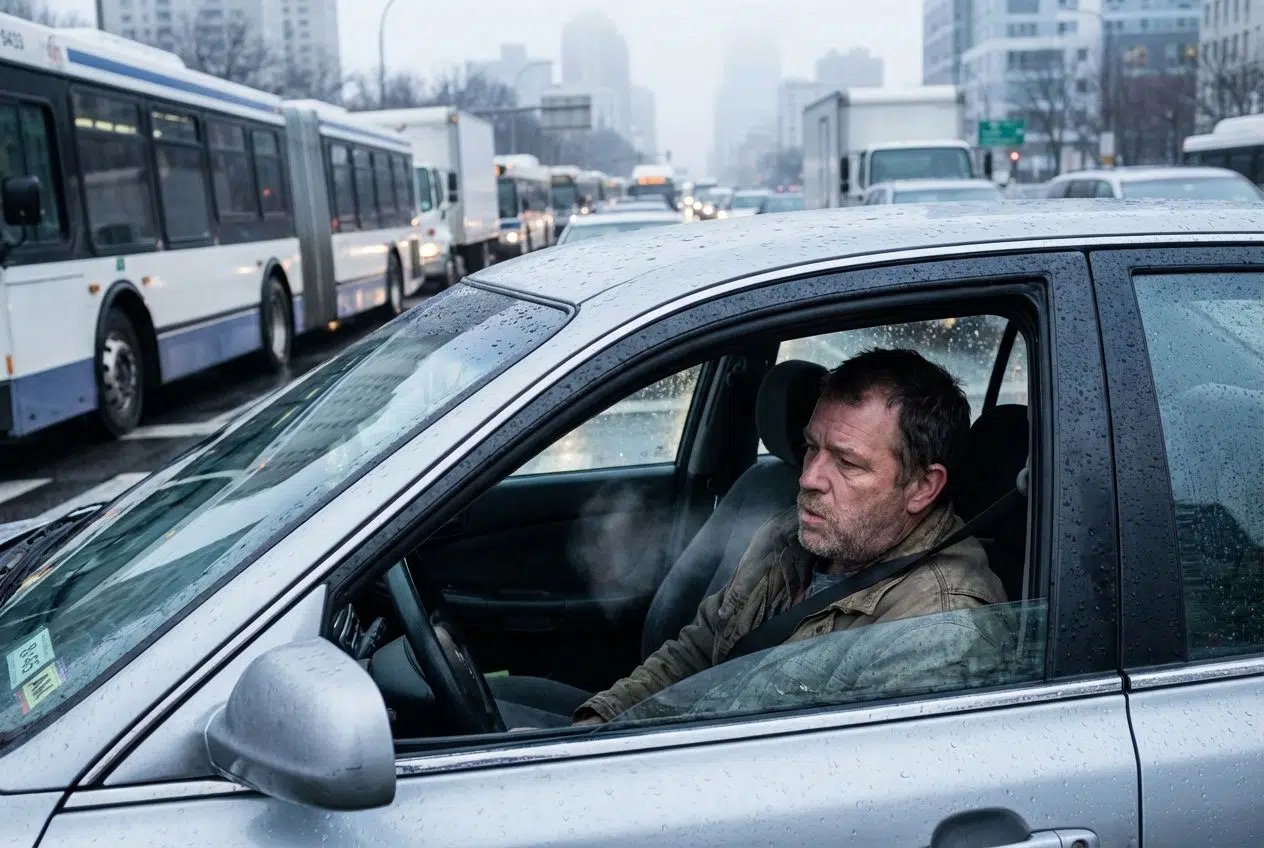
Many cities now focus on green mobility. They are using electric vehicles and renewable energy in their public transportation systems. Steps like these play a key part in creating sustainable development and safer urban mobility for everyone.
Public Transit as a Pillar of Sustainable Transportation
Public transit stands tall as a smart choice for cleaner cities. It helps people move together. This saves energy and lowers pollution along the way.
Buses and Trains as Low-Emission Options
Buses and trains use less energy than cars. They carry many people at once. This cuts down on greenhouse gas emissions significantly.
Newer buses run on electricity or hybrid engines. This means cleaner air for everyone. Trains often get power from renewable energy. This makes them even better for fighting climate change.
You can see how these changes help cities breathe easier. For example, electric buses now run in places like Los Angeles and Chicago. They carry thousands without burning fuel all day long.
- Hybrid-Electric Buses: These use 30% less fuel than standard diesel buses.
- Compressed Natural Gas (CNG): Many fleets use this as a cleaner bridge fuel.
- Light Rail: Systems like the Link Light Rail in Seattle run on 100% carbon-neutral electricity.
“Shared rides lower pollution,” says Dr. Maria Lopez from the Urban Transit Institute, “and make eco-friendly transport the easy choice.” With each trip, fewer cars mean quieter streets and happier lungs for all.
Integration of Electric and Hybrid Technologies
Cities have started using electric vehicles and hybrid buses to lower greenhouse gas emissions. These new buses use batteries or a mix of fuel and electricity. They pollute much less than older models.
New York City’s MTA plans to switch its 5,700-bus fleet to all-electric by 2040. In Europe, more than 6,000 electric buses hit the roads in 2023 alone.
A great example of this tech is the New Flyer Xcelsior CHARGE. It is a battery-electric bus used by many U.S. transit agencies. It offers a quiet ride with zero tailpipe emissions.
Electric trains also run cleaner and quieter compared to diesel ones. This makes daily trips smoother for passengers. The shift saves money on fuel costs over time and cuts energy demand from oil. Eco-friendly transport like this helps fight climate change while offering better urban mobility for everyone.
Benefits of Sustainable Public Transit
Hop on a bus or train, and you’ll spot the difference in your city’s air. It feels fresher. Your wallet rests easy, too. This green way of getting around often costs less than driving solo.
Reduced greenhouse gas emissions
Electric buses and trains run cleaner than cars that use gas. They cut greenhouse gas emissions as they carry more people at once. A city bus can replace up to 40 single-passenger cars. This shrinks the carbon footprint for each rider.
In New York City, public transit lowers the city’s total greenhouse gas output by nearly 20 percent each year. Switching to eco-friendly transport like electric vehicles helps fight climate change.
It keeps the air fresher in busy cities. Electric options create fewer tailpipe fumes compared to old diesel engines. They help clear urban skies even on busy days. Choosing sustainable transportation shapes safer, healthier neighborhoods for everyone.
Improved air quality and public health
Fewer cars on the road means cleaner air in cities. Buses and trains release fewer greenhouse gas emissions than many cars or trucks.
People who use public transit help cut harmful fumes like nitrogen oxides and carbon monoxide. In places with more eco-friendly transport, asthma attacks drop. Children breathe easier.
Cities that focus on green mobility report lower rates of heart and lung disease among their citizens. The World Health Organization says millions die early each year from breathing dirty air. Choosing public transportation systems can change that story for the better.
With less smog around schools, parks, and homes, everyone enjoys stronger health day by day.
Economic accessibility and affordability
Many families save money by using public transit instead of driving a car. A monthly bus pass is often much cheaper than paying for gas, parking, and car repairs. Public transportation systems in big cities help people with lower incomes get to work, school, or the doctor.
They spend less on travel while still reaching their destinations. Here is a quick look at the potential savings:
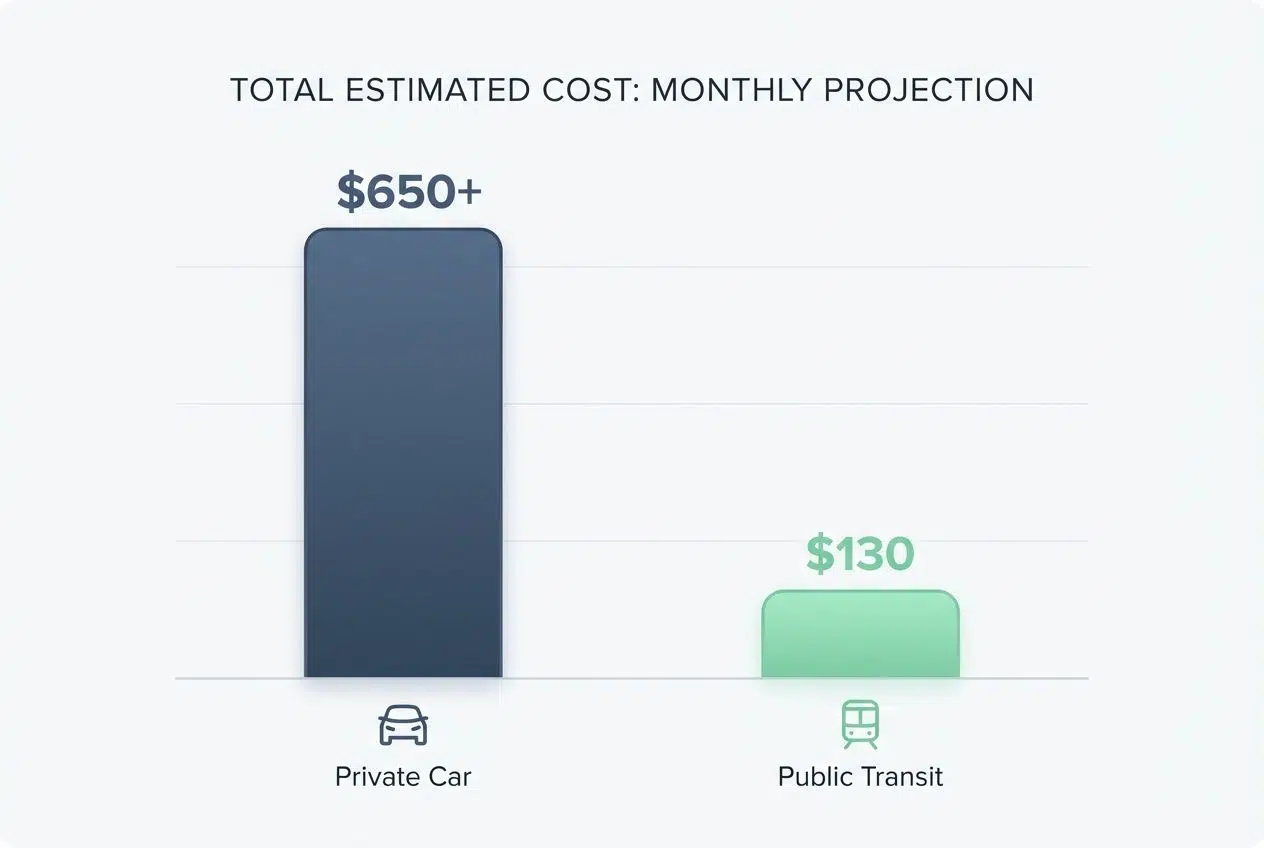
| Cost Category | Private Car (Monthly Average) | Public Transit (Monthly Pass) |
|---|---|---|
| Fuel/Energy | $150 – $200 | $0 |
| Insurance & Maintenance | $100 – $150 | $0 |
| Parking | $50 – $300+ | $0 |
| Total Estimated Cost | $300 – $650+ | $70 – $130 |
Eco-friendly buses and trains also use less energy per rider compared to single cars. This helps reduce energy demand for the whole city. Affordable tickets make mass transit possible for more people.
This creates fairer urban mobility for all ages and backgrounds. With every extra passenger on buses or trains, communities cut greenhouse gas emissions and keep wallets happy at the same time.
Reduced traffic congestion
Streets get less crowded when more people use public transit. Fewer cars means smoother drives for everyone. This includes those still behind the wheel.
Buses and trains can move many passengers at once. This saves space on roads that private cars would fill. In cities like New York and Chicago, strong urban transit keeps millions moving without bumper-to-bumper traffic every day.
Eco-friendly options such as electric buses also help cut down noise in busy areas. With less stop-and-go driving, energy demand drops too. Traffic jams waste time and burn fuel. Public transportation helps stop both problems before they start! Next up is a look at key innovations making green mobility possible across America’s growing cities.
Key Innovations in Sustainable Public Transit
New ideas like smarter buses, better planning, and cool tech are shaking things up. Stick around to see how these changes can brighten the ride for everyone.
Electric and hybrid buses
Electric buses run on batteries, so they do not burn gas or diesel. This means zero tailpipe pollution and cleaner city air. Many cities in the United States started adding electric vehicles to their fleets after 2018.
There were over 2,250 battery-electric buses on the road by late 2023. Hybrid buses use both engines and batteries. They cut fuel use by up to 35 percent compared to old models.
Both types help cut greenhouse gas emissions from public transit systems. Electric and hybrid buses also save money over time because electricity is cheaper than fossil fuels. Maintenance costs are lower, too.
Proterra and New Flyer are two major manufacturers driving this change in North America. Their buses are becoming a common sight in fleet upgrades. These eco-friendly transport options make urban mobility smarter, greener, and more affordable for everyone using public transportation systems every day.
Smart urban planning for transit-oriented development
Electric and hybrid buses roll out on city streets, cutting noise and air pollution. Smart urban planning steps in next to boost these green gains. Cities shape growth around public transit stops.
Homes, shops, schools, and parks rise close to train or bus lines. People walk more when everything is near a station. Bike lanes link up with subway doors for easy trips by foot or pedal.
Public transportation becomes easier to use every day. Fewer cars fill the roads, so traffic jams shrink like shirts left in a hot dryer! Places like Portland and Arlington have set examples since the 1990s by building tightly packed neighborhoods that hug transit hubs.
A recent success story is Culdesac Tempe in Arizona. It is a neighborhood built entirely for people, not cars. It integrates directly with the local light rail system. This approach helps cut greenhouse gas emissions fast while keeping life affordable for families.
More people find jobs more quickly when they live near good transit options. Demand for eco-friendly transport grows as cities plan smarter spaces filled with trees, fresh air, and smiling neighbors walking their dogs down safe streets.
Autonomous public transit systems
Autonomous public transit systems use self-driving buses, shuttles, or trains. These vehicles run with little or no help from drivers. Computer sensors and cameras guide them along city routes.
In Las Vegas, the first all-electric self-driving shuttle carried riders in 2017. Cities like Phoenix and Singapore also test these smart transit options today. Companies like Beep are currently running autonomous shuttle pilots in places like Jacksonville, Florida.
Such vehicles can lower accidents caused by human error and reduce traffic jams. Less need for drivers means lower costs for cities in the long run. Self-driving electric buses also cut greenhouse gas emissions and support green mobility goals.
Riders might soon see more of these vehicles rolling through parks, airports, and busy neighborhoods as part of eco-friendly transport plans.
Types of Sustainable Transportation Solutions
People move in lots of smart ways. Each helps both cities and our planet breathe a little easier. Some travel by foot or bike. Some hop on buses or trains. Others share rides to save cash and cut waste.
Active transport: Walking and cycling
Walking and cycling help cut down greenhouse gas emissions right from the start. They use no fuel, so they give off zero air pollution. Cities like Copenhagen show how wide bike lanes and safe sidewalks boost active transportation.
This makes streets safer for kids, seniors, and everyone else. Bike-sharing programs are everywhere now in big cities across America, too. Citi Bike in New York and Divvy in Chicago are prime examples of this success.
They offer thousands of bikes for short trips. Health also gets a lift when people move more while getting from place to place. A short walk or ride can make hearts stronger and keep lungs clear of smog.
Using your feet or bike is gentle on your wallet as well. No gas bills or parking fees needed! Choosing these eco-friendly options makes urban mobility clean and simple for daily trips to school, work, or just around town.
Public transit: Buses, trains, and subways
Buses, trains, and subways move millions of people each day. These public transportation systems help cut greenhouse gas emissions because they use less fuel per passenger than cars. Many cities now use electric buses and energy-saving subway systems.
This makes travel more eco-friendly. In New York City alone, the subway takes about 4 million trips every weekday. Trains also work well for longer distances between towns or cities.
A major development to watch is Brightline West. It aims to connect Las Vegas and Southern California with high-speed electric trains. Public transit offers a cleaner and more affordable way to get around.
Fewer cars mean less traffic congestion on busy roads and cleaner air in neighborhoods. More families can save money as bus or train fares often cost less than owning a car. Public transit supports sustainable development and helps fight climate change by lowering energy demand across crowded urban areas.
Carpooling cuts down the number of cars on the road. It helps people save money and lowers greenhouse gas emissions at the same time. Ride-sharing apps like Uber and Lyft make it easy for riders to connect with drivers nearby.
This saves time while helping cities fight air pollution. Both companies now offer “Green” options where you can specifically request an electric vehicle.
- Lyft Green Mode: Allows riders to choose an EV for their trip.
- Uber Green: Connects riders with hybrid or electric vehicles for a small surcharge.
In 2023, an MIT study showed that the wide use of shared rides in big cities could cut traffic by up to 30 percent. Sharing rides leads to fewer cars stuck in traffic jams, cleaner skies, and lower costs for everyone involved.
Families find carpooling helpful during busy school days or sports events. Workers traveling similar routes can split fuel costs and avoid the stress of driving alone every day. These changes add up quickly to support eco-friendly transport goals in growing urban areas across America.
With more people choosing shared mobility options each year, public transportation systems grow stronger and more sustainable for both today’s needs and future generations who will rely on them even more as energy demand rises.
Challenges in Implementing Sustainable Transit
Pushing for greener transit isn’t always easy or cheap, but the payoff is worth it. Cities sometimes hit roadblocks that slow down progress. Yet people keep asking for cleaner ways to get around.
Infrastructure costs
Building new public transit lines, stations, and tracks can cost millions or even billions of dollars. For example, New York’s Second Avenue Subway reached $2.5 billion per mile in 2017.
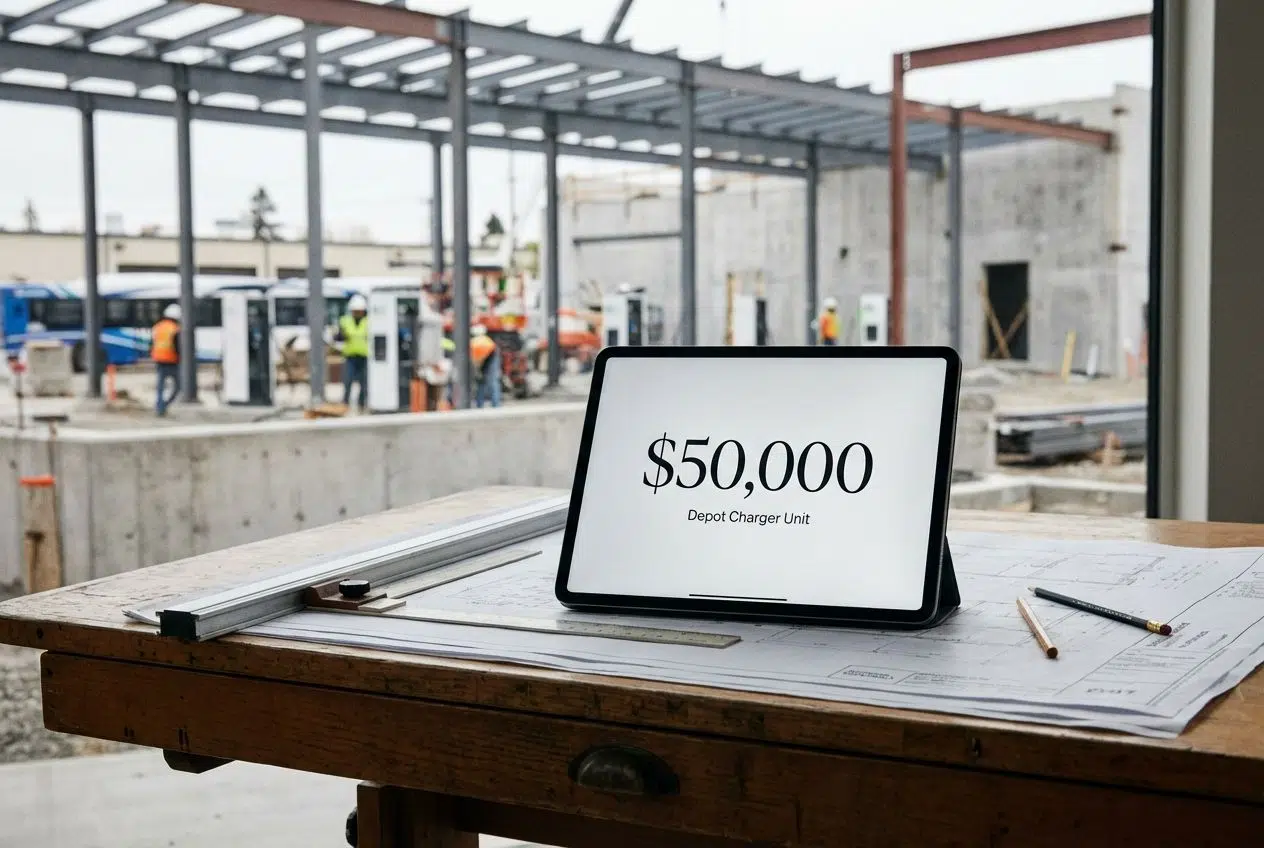
Laying new train tracks takes time and money, too. Upgrades for electric buses need charging stations and bigger power grids. For instance, installing a high-powered depot charger can cost over $50,000 per unit.
Old infrastructure often needs repairs before green upgrades work well. Bridges, tunnels, and bus stops all need fixing so that eco-friendly transport runs smoothly. City budgets feel the pinch as they try to keep up with these expenses while pushing for greener urban mobility that helps reduce greenhouse gas emissions and supports sustainable development.
Funding and Policy Barriers
Money problems slow down green transit projects. Cities look for funds, but budgets run dry fast. Some areas depend on government grants, which change with time and politics.
Outdated rules can block new ideas like electric buses or bike lanes. Red tape makes it hard to try smart solutions quickly. Changing old policies takes time and effort.
Leaders may hesitate to spend big on eco-friendly transport if results come slowly. Without strong support, progress hits roadblocks at every turn. Strong investment in infrastructure can help push past these hurdles.
The Bipartisan Infrastructure Law has helped. It provided $108 billion for public transit, but local agencies still face complex application processes to access these funds.
Steps to Promote Sustainable Public Transit
Cities grow greener when leaders make wise choices about transport. Small steps lead to big shifts in how people move every day.
Investment in Green Infrastructure
Building green infrastructure takes teamwork and smart planning. Public transit needs new electric buses, light rail systems, and charging stations. Parking spaces can change into bike lanes or small parks.
Solar panels on train stations help power ticket machines and lights with clean energy. Green investments create jobs, grow the economy, and cut greenhouse gas emissions fast. Eco-friendly transport hubs give people more choices to get around the city without traffic jams or high fuel bills.
Walking paths connect neighborhoods to bus stops. Next up is public awareness. Getting everyone excited for these changes starts with simple steps at home and in your community!
Public Awareness and Behavioral Shifts
Kids walk to school, parents hop on the bus, and friends share rides. Each day brings new chances for people to try eco-friendly transport. Ads, posters, and social media often remind folks of how public transit cuts greenhouse gas emissions and saves money.
Small habits grow big fast. Choosing a bike over a car or picking trains for trips helps our towns breathe easier. More people learn how green mobility fights climate change and makes daily life smoother by cutting traffic congestion. Smart choices ripple through families, schools, and workplaces. It happens one action at a time.
Supporting Policies and Incentives
Cities are rolling out special rules to help green mobility grow. Lawmakers offer tax credits for drivers who buy electric vehicles or ride public transit. Some places lower transit fares, give free rides to students, or put money into safer bus stops and bike lanes.
Many employers now offer Qualified Transportation Fringe Benefits. This allows employees to use pre-tax dollars for transit passes and vanpooling. Strong laws can set clean fuel goals and push companies to make cleaner buses.
Good incentives bring more riders. More people pick eco-friendly options if they get real savings or perks like easier parking or faster lanes for mass transit. State and local leaders work with businesses, too.
They make it easier for companies to build new charging stations or invest in smart urban planning projects that cut greenhouse gas emissions. Clear rules keep the wheels of sustainable transportation turning every day.
Development of bike lanes and public transit hubs
Bike lanes keep cyclists safe and encourage more people to use bikes for daily trips. In 2022, U.S. cities built over 350 miles of bike paths. This makes cycling easier and safer for kids, parents, and everyone in between.
Wide green lanes give riders room to breathe while keeping them away from heavy traffic. Organizations like PeopleForBikes track these improvements and advocate for connected networks.
Public transit hubs connect trains, buses, and other eco-friendly transport under one roof. These centers help reduce greenhouse gas emissions by encouraging quick transfers. People can park their bicycles or scooters at these locations and hop on a bus or subway with ease.
Well-planned urban mobility makes it simple to reach jobs, shops, or parks without needing a car every time you step out the door. Each upgrade in transportation infrastructure brings us closer to cleaner air and less crowded streets. This is good news for our wallets and our lungs!
The Future of Public Transit
Public transit is racing ahead, fueled by smart ideas and cleaner power. Tomorrow’s buses and trains might run quieter, faster, and greener than ever before.
Integration of renewable energy in transit systems
Solar panels now sit on bus stops and train stations, powering lights and ticket machines. Electric buses can charge using clean energy like wind or solar. This cuts greenhouse gas emissions with every trip.
In 2023, nearly half of the new city buses worldwide used some form of renewable energy. Light rail systems in cities such as Seattle run partly on hydroelectric power.
Many transit agencies buy electricity from green sources to meet energy demand in an ecofriendly way. These small shifts lower the carbon footprint of urban mobility and set a path for future transit growth without hurting the planet.
Expansion of smart transportation technologies
Pairing renewable energy with smart transportation technologies creates a more ecofriendly transit system. Cities now use sensors and data to track bus routes. This helps reduce wait times and lower greenhouse gas emissions.
Smart traffic lights help buses move faster through busy streets. It makes ecofriendly transport feel less like herding cats. Mobile apps let riders see real-time arrival information, plan trips, and pay for tickets with a tap.
Apps like Transit and Citymapper integrate real-time data to help you find the fastest route instantly. Shared mobility services such as bike rentals and ride-sharing apps make green mobility options easier than ever.
In Singapore and Los Angeles, smart systems cut delays by up to 20 percent in just three years. These changes lift urban transit from old habits into the future of public transportation systems powered by technology.
Final Words
Sustainable transportation gives us cleaner air, less traffic, and lower energy costs. Simple changes like using electric buses or public trains make a big impact. Imagine your city with fresher air and quicker rides to work. It is possible if we choose smarter transit together.
Are you ready to swap one car trip for a bus ride or maybe try biking? Every small step counts toward better health and more affordable travel for everyone.
If this topic sparks your interest, explore local transit websites or community events for fresh ideas. The path to greener cities starts with each of us doing our part.