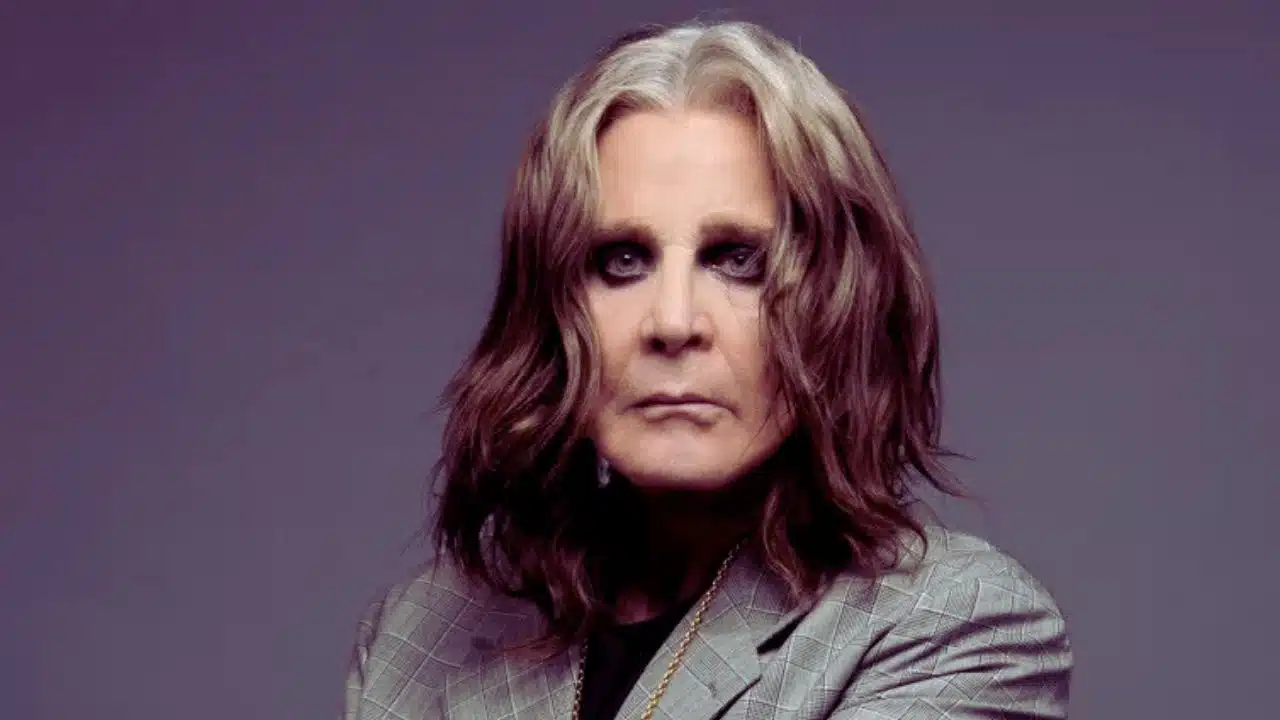
The world of music is mourning the loss of one of its most iconic figures. Ozzy Osbourne, the legendary British heavy metal vocalist and frontman of Black Sabbath, has died at the age of 76. His death certificate, recently filed in London, officially outlines the causes of his death and sheds light on the complex medical challenges he had faced over the years.
According to the document filed by his daughter Aimée Osbourne, the official primary cause of death was a cardiac arrest that occurred outside of a hospital setting. This sudden event was triggered by an acute myocardial infarction, more commonly known as a heart attack. The certificate also lists coronary artery disease and Parkinson’s disease with autonomic dysfunction as contributing causes.
These findings confirm earlier assumptions that Osbourne’s declining health in recent years was related not only to his Parkinson’s diagnosis but also to serious cardiovascular issues. His heart condition had reportedly worsened in the past year, and the combination of neurological and cardiac challenges ultimately proved fatal.
A Painful Battle with Parkinson’s and Heart Disease
Ozzy Osbourne first publicly revealed his Parkinson’s diagnosis in January 2020 after dealing with symptoms for several years. He suffered from a form of Parkinson’s disease that included autonomic dysfunction, which affects the parts of the nervous system that control involuntary actions such as heart rate and blood pressure.
In addition to his neurological struggles, Osbourne also battled coronary artery disease, a chronic condition where the blood vessels supplying the heart muscle become narrowed or blocked due to plaque buildup. This condition significantly increases the risk of heart attacks, which ultimately played a direct role in his passing.
His health challenges didn’t stop there. Over the past two decades, Osbourne also experienced multiple other issues, including injuries from a 2003 quad bike crash, surgeries related to spinal problems, and flu complications. Despite these ongoing setbacks, he remained active in the public eye and continued to release music and make appearances, although he eventually had to cancel several tours.
Final Public Appearance: A Poignant Farewell
Just weeks before his death, Osbourne made a highly emotional and symbolic appearance at what was billed as Black Sabbath’s final performance. The event, titled “Back to the Beginning,” was held on July 5, 2025, in Birmingham, England, the same city where the band was formed more than five decades ago.
Although Osbourne’s physical condition prevented him from standing or moving freely, he took the stage seated on a specially designed bat-themed throne, a nod to his well-known stage persona. Fans at the venue described the moment as a powerful farewell, with Osbourne visibly emotional as he sang alongside his original bandmates Tony Iommi and Geezer Butler.
This concert turned out to be his last live performance, making it a fitting final act in a remarkable musical journey that had begun in Birmingham in the late 1960s and spanned over 50 years.
Family Releases Heartfelt Announcement
Following his death on July 22, 2025, Osbourne’s family released a formal announcement to the public, confirming his passing and acknowledging the tremendous outpouring of love from fans around the world. According to the family, he was surrounded by loved ones at the time of his death, which took place at his residence.
His death came peacefully, in the company of those closest to him, following months of declining health. The family also made a request for privacy during this difficult time, while many friends, musicians, and fans shared tributes across social media platforms.
Tributes From Music Industry Giants
As news of Osbourne’s death spread globally, tributes began pouring in from musicians, artists, and fans. Major figures in rock and metal music—including members of Metallica, Rob Zombie, and Jack White—publicly shared their grief, memories, and respect for the trailblazing icon.
Veteran artists from outside the metal world also paid tribute, acknowledging Osbourne’s larger-than-life persona and influence. Many described him as a pioneer of heavy metal, a boundary-pushing performer, and a beloved friend with a wicked sense of humor and a deep love for his fans and family.
His impact on generations of musicians cannot be overstated. From the early days of Black Sabbath to his successful solo career and his television presence through “The Osbournes,” he shaped not only a genre but also modern pop culture.
Funeral Held in Birmingham: A City Pays Tribute
Ozzy Osbourne’s funeral was held on July 30, just over a week after his death. The private ceremony took place at his family estate, followed by a public procession through Birmingham, where thousands of fans gathered to pay their respects.
During the funeral procession, mourners stopped by the Black Sabbath Bridge, a landmark dedicated to the band. Fans left candles, flowers, and handwritten messages honoring the singer’s legacy. The moment was a reflection of just how deeply Ozzy Osbourne was loved not only as a musician but as a cultural icon.
His longtime wife, Sharon Osbourne, and children were present at the funeral, along with former bandmates and other music industry figures who considered him both a friend and a creative force.
A Legacy That Changed Music Forever
Born John Michael Osbourne on December 3, 1948, in the working-class district of Aston in Birmingham, he rose from modest beginnings to become the “Prince of Darkness” of heavy metal.
He co-founded Black Sabbath in 1968, a band often credited with inventing the heavy metal genre. Their debut album in 1970 changed the landscape of rock forever. After being fired from the band in 1979, Osbourne launched a solo career that was just as successful, releasing hits like “Crazy Train”, “Mr. Crowley”, and “No More Tears.”
In total, Osbourne sold over 100 million albums as both a solo artist and a member of Black Sabbath. He was inducted into the Rock and Roll Hall of Fame twice: once as a member of Black Sabbath in 2006 and again as a solo artist in 2024.
Beyond music, he became a household name through the MTV reality show “The Osbournes,” which aired from 2002 to 2005 and gave fans a glimpse into his chaotic but loving family life.
The End of an Era
Ozzy Osbourne’s death marks the end of one of the most impactful and influential careers in modern music. He wasn’t just a singer—he was a symbol of rebellion, creativity, and perseverance. Despite decades of personal and health struggles, he continued to share his music and story with the world until the very end.
From working in a Birmingham factory to becoming a global icon, Ozzy Osbourne’s journey inspired millions. His voice, his music, and his legacy will continue to live on in the hearts of fans across generations.
His passing is not only a loss to music but a profound moment in cultural history. Ozzy Osbourne may be gone, but his legend will never die.