Orthopedic shoes are often viewed as for individuals with serious foot problems. However, the term orthopedic shoe is a broad term and can be inclusive of any shoe with a feature that provides comfort or a therapeutic benefit for your feet.
From cushioned insoles to extra wide widths, these features can put the shoe style in the orthopedic shoe category. But not everyone will opt for the foot health benefits if not necessary.
Whether you need some general foot support or have foot abnormalities, let’s take a look at what exactly are orthopedic shoes and who can benefit from wearing them.
Introduction to Orthopedic Shoes: Defining Their Purpose and Function
According to the Pedorthic Association of Canada, orthopedic shoes are footwear designed to support the foot, ankle, and leg. They have several medical benefits and functions, making them different from regular shoes.
Wearing non-supportive shoes can provide more harm to your feet than good. By combining medical expertise with footwear design, orthopedic shoes can promote mobility, alleviate pain, and enhance overall foot health.
Common Foot and Lower Limb Conditions Requiring Orthopedic Shoes
It’s best to wear orthopedic shoes if you have foot problems and related medical conditions. Here are the common foot and lower limb conditions that require orthopedic shoes:
Hammertoes and Bunions
Hammertoes and bunions are prevalent podiatric conditions that may necessitate the use of orthopedic footwear for effective management. Hammertoes are characterized by an abnormal flexion of the middle joint in one’s toes, resulting in a bent appearance. In contrast, bunions manifest as painful protrusions at the base of the big toe, which can progressively lead to deformities and discomfort.
Orthopedic shoes are specifically designed to provide cushioning and structural support, offering considerable benefits in the early stages of these conditions. By redistributing pressure and promoting proper alignment, orthopedic footwear can help alleviate pain and prevent the progression of hammertoes and bunions. Therefore, the utilization of orthopedic shoes is a recommended and proactive approach for individuals dealing with these foot issues. It is advisable to consult a qualified podiatrist for a comprehensive evaluation and personalized treatment plan tailored to your specific needs.
Plantar Fasciitis
Plantar fasciitis is a painful foot condition involving plantar fascia inflammation. It often occurs due to excessive strain on the plantar fascia of the following vulnerable individuals:
- Athletes like runners and gymnasts
- Workers who stand for long periods, like teachers, nurses, store clerks, and construction workers
- Overweight men and women
- Elderly
- People who wear non-supportive shoes
Arthritis
Arthritis predominantly affects the articulating joints, where two or more bones meet, but its impact extends beyond these joints to encompass surrounding structures such as muscles, tendons, and ligaments. When arthritis affects the feet, it can lead to discomfort and functional limitations.
Orthopedic footwear plays a crucial role in mitigating these effects by providing cushioning and support to the feet, reducing stress, and enhancing comfort, thus helping individuals with arthritic foot conditions maintain better mobility and quality of life.
Neuropathy
Neuropathy can occur for various reasons and affects different types of nerves, leading to a wide range of symptoms. Individuals with diabetes are more at risk of developing neuropathy.
Orthopedic shoes are beneficial for individuals with neuropathy because they are designed with features that provide enhanced comfort and support. These shoes typically offer extra cushioning to minimize pressure and reduce the risk of ulcers or sores that can be particularly problematic for individuals with neuropathy. Additionally, orthopedic shoes often have a wider toe box and better arch support, which can improve stability and reduce the risk of tripping or falling, a common concern for neuropathy sufferers.
Arch Problems
Flat feet or fallen arches refer to irregularities or abnormalities in the structure or function of the arches of the feet. The arches of the foot provide support and shock absorption and aid in maintaining balance while walking or standing.
If you have flat feet or fallen arches, an arch-supportive shoe can help lift the arch for proper alignment of your feet and lower body and put less strain on muscles and tendons in your feet.
Features of Orthopedic Shoes: What Sets Them Apart
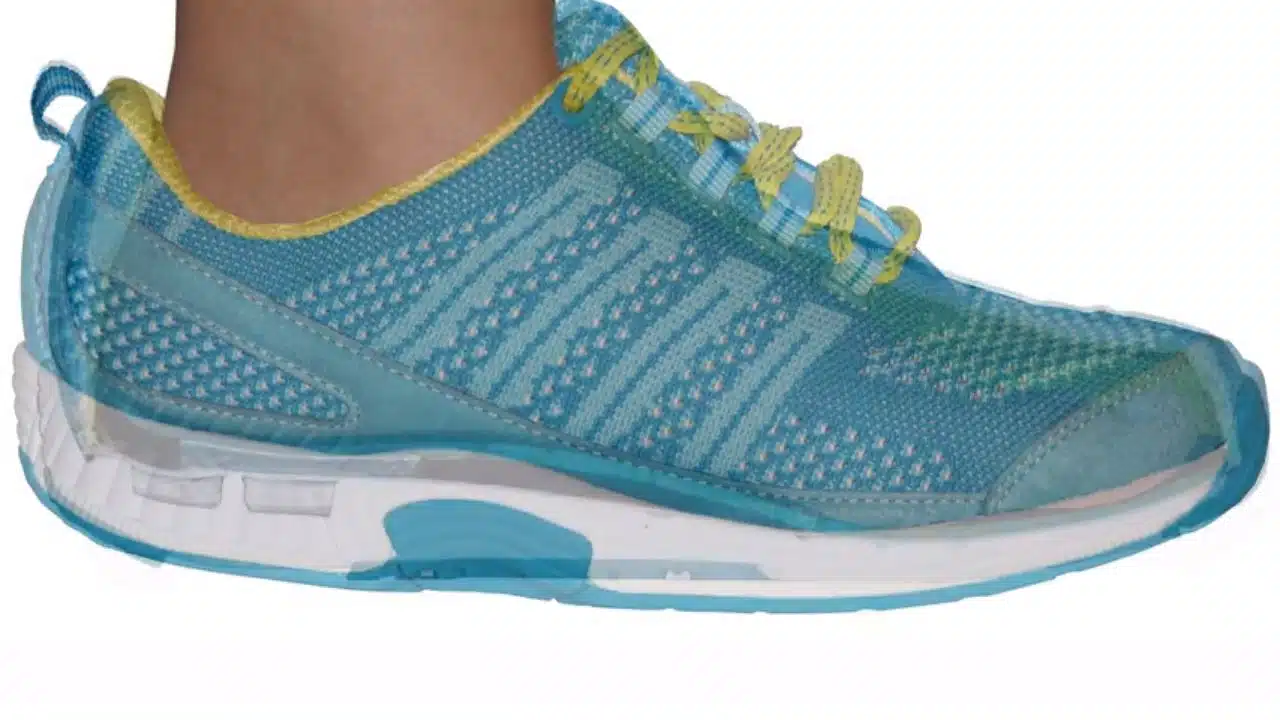
Orthopedic shoe design varies depending on specific foot conditions, foot shapes, type of footwear, and activity the shoe is used for. Below are the key features that differentiate orthopedic shoes from standard footwear options:
Wide and Deep Toe Box
The narrow toe boxes of pointy-toed shoes can prevent ideal anatomical foot positioning in the shoe for better gait movement and support during wear. An orthopedic shoe’s round or square toe box allows you to spread your toes naturally in the shoe so t hat your foot is positioned for natural shock absorption and biomechanical forward momentum.
Multiple Removable Insoles
Orthopedic shoes usually come with one or more removable insoles. This feature enables you to replace with your own supportive orthotics or provide more depth to accommodate swelling or other foot abnormalities.
Choosing a shoe with removable insoles allows you to customize the fit and/or accommodate a more supportive insole.
Built-in Arch Support
A contoured footbed is helpful for people with flat feet who need arch support. The contoured design will cradle the heel with a deep heel cup and have a raised arch to support the middle of the foot.
Most orthopedic shoe options will have a contoured insole to help position your feet for better lower body alignment.
Breathable Materials
Orthopedic shoes can have breathable upper materials to help promote air circulation around the foot. Athletes and people susceptible to fungal infections will significantly benefit from wearing shoes of breathable fabrics.
Also, some uppers can be stretchable, like a knit mesh material, to accommodate high insteps or to offer more give at the toe box area.
Benefits of Orthopedic Shoes for Different Demographics
Now, let’s look at some key benefits of wearing orthopedic shoes.
Exceptional Foot Support
When you’re an athlete, you need footwear that caters to your arches and cushions your heels. A pair of orthopedic shoes does that! Its supportive structure helps stabilize your foot and ankle during high-impact workouts and running. They can help prevent excessive pronation and supination, leading to injuries like plantar fasciitis and shin splints.
Foot Pain Reduction
Walking is good for your health; however, the average person takes over 2,000 steps when walking just one mile. Imagine the stress you can put on your feet by walking a few miles with ill-fitting or non-supportive shoes. Orthopedic shoes can cushion the impact when walking or running as well as promote better foot health through breathability and anatomical support.
Good Shoes Are a Must for Diabetics
If you suffer from diabetic nerve pains, orthopedic shoes can be your best friend. Thanks to the design and therapeutic features of orthopedic shoes you can help alleviate pressure points on the feet, reduce the risk of ulcers, and provide support.
Comfort and Better Mobility for Elderly
As individuals age, their bodies undergo natural changes, and many older adults benefit from the use of orthopedic shoes. These specialized shoes are designed to be easy to don and doff, offering added convenience, and they provide enhanced comfort during walking.
Furthermore, orthopedic footwear plays a crucial role in alleviating discomfort associated with various common age-related foot conditions, including arthritis, bunions, heel pain, and neuropathy.
Consulting a Professional: When to Consider Orthopedic Shoes and Seeking Expert Advice
Considering orthopedic shoes and seeking expert advice is crucial when dealing with specific conditions that affect your mobility and overall well-being. It’s important to note that orthopedic shoes can vary in design and features based on the particular foot condition. It is advisable to consult a podiatrist or orthopedic specialist to determine the most suitable type of orthopedic footwear for their needs.