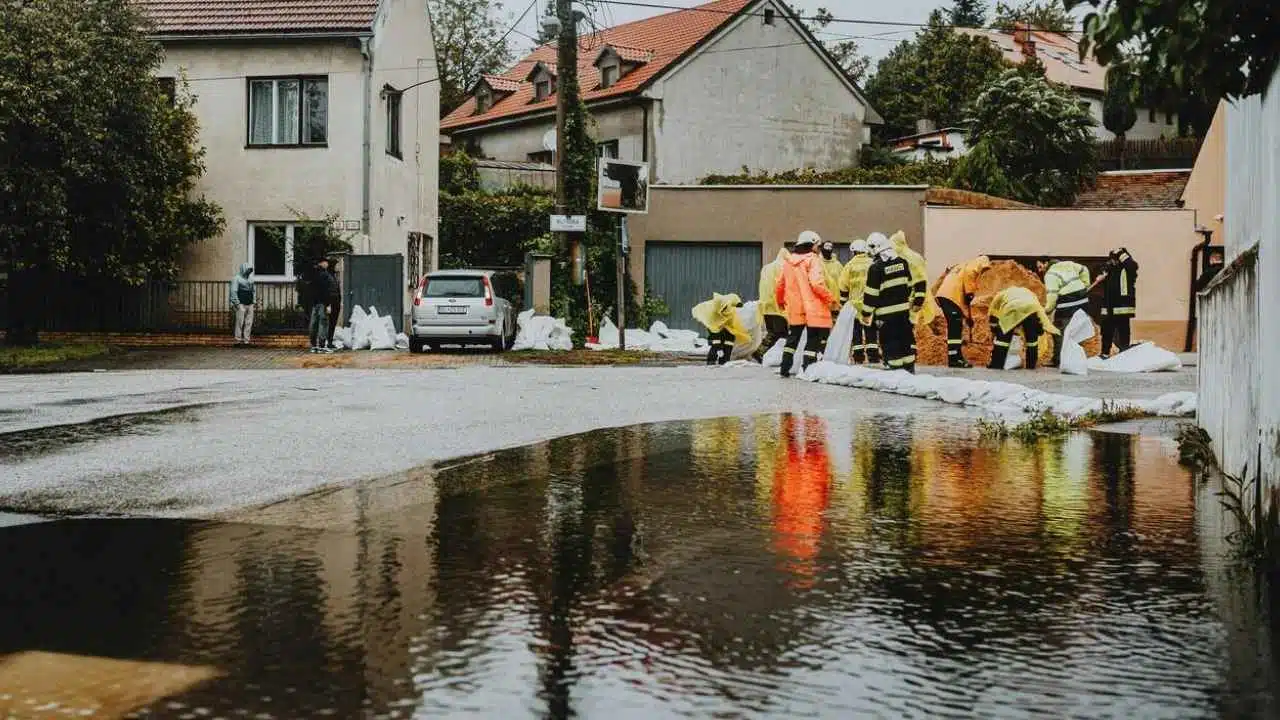
Sadly, in some areas, flooding is becoming more frequent. Floods can be extremely damaging for a business, causing not only immediate destruction to property and stock but also long-term disruption to operations. It can cause a business to lose revenue (which affects their profits) as well as people to lose jobs. As climate change constantly evolves and affects us in different ways, it’s important to have the right protections in place.
Traditional methods such as sandbags have long been relied upon in emergency situations, but they often fall short when businesses need rapid, reliable, and repeatable protection. Sandbags are slow to deploy, labour-intensive, and frequently ineffective at creating a watertight barrier. Over the years, new techniques have been developed as a superior alternative to sandbags, such as the boxwall flood barriers available on this page from Seton.
Below, we look into modern flood defenses vs sandbags and why Boxwall offers superior protection. Keep on reading to learn more about Boxwall and discover if it’s a suitable solution for your flooding issues.
What is Boxwall?
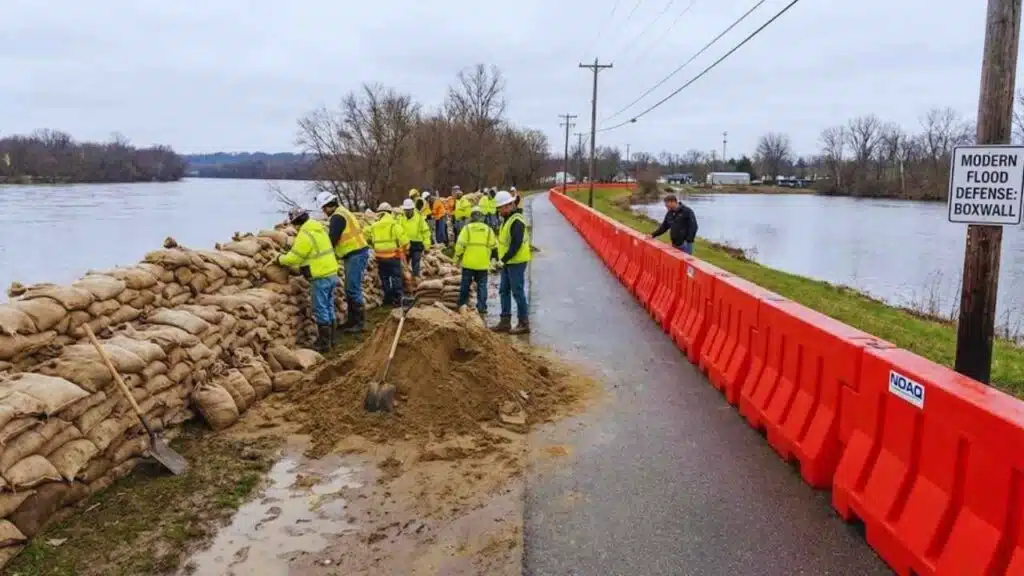
Boxwall is a portable, temporary flood protection system made from lightweight modular units that interconnect to form a durable, water-resistant barrier. The system is cleverly engineered to use the pressure of incoming floodwater to strengthen its stability, meaning it becomes even more secure as water levels rise.
Why Boxwall Delivers Better ROI
Rapid, low-labour deployment
One of the strongest advantages of the Boxwall system is its speed and simplicity. Each lightweight unit is designed for easy handling, allowing just one or two people to install a protective barrier in a fraction of the time it would take to position and stack sandbags. Traditional sandbagging often requires teams of workers, heavy lifting, as well as preparation time that businesses simply may not have when floodwaters are approaching. By contrast, Boxwall can be rolled out swiftly, enabling businesses to respond faster and protect assets more effectively, saving them money.
Reusability reduces long-term costs
While sandbags may appear affordable at first glance, they are typically single-use. Once they come into contact with contaminated floodwater, they must be disposed of safely, adding environmental impact and waste-management costs. Boxwall systems are different. Each unit is built for repeated use, meaning the initial investment is spread over multiple deployments. After a flood event, the units can be washed, dried, and stored until needed again. This dramatically reduces long-term expenditure and makes Boxwall a far more cost-efficient solution for businesses located in flood-prone areas.
Better performance and protection
Boxwall barriers are engineered with precision to offer dependable, watertight protection. Their interlocking design creates a stable, continuous structure that resists pressure more effectively than loose sandbags. Traditional sandbags are porous and prone to shifting or leaking, which can allow water to seep into buildings and cause costly damage. Boxwall’s design harnesses the pressure of rising water to reinforce the barrier, meaning the system becomes more secure as conditions worsen. This superior performance can significantly reduce the likelihood of interior flooding, safeguarding property, equipment, and stock.
Efficient storage and logistics
Storing sandbags requires plenty of space, not just for the bags themselves but also for the sand needed to fill them. They are bulky, heavy, and degrade over time, often needing replacement even before a flood occurs (if flooding is less frequent). Boxwall systems eliminate these issues. The modular units are compact, stack neatly, and weigh far less than filled sandbags, making them easier to transport and store. This streamlined storage approach helps businesses reduce warehouse costs, simplify logistics, and ensure their flood defences are always ready for rapid deployment.
Lower environmental impact
Sandbags contribute significantly to waste after a flood event. Once contaminated, they cannot be reused and must be disposed of correctly – a process that is both costly and harmful to the environment. Boxwall’s reusable design means far fewer materials go to landfill, making it not only a financially smarter option but also a more environmentally responsible one. Over the lifespan of the system, businesses reduce their waste output and improve their sustainability profile.
The era of relying solely on sandbags is gradually giving way to smarter, engineered solutions like Boxwall systems. While sandbags still serve as a low-cost emergency option, they can be slow to deploy, labour-intensive, and short-lived. Businesses today need flood defences that are not only quick to set up but also dependable, reusable, and capable of delivering consistent results under pressure. Modern solutions such as Boxwall have been developed with these needs in mind, offering enhanced protection, easier handling, and long-term cost savings. As flooding becomes more unpredictable and more frequent, investing in a reliable, modern flood barrier isn’t just a practical choice; it’s a proactive step toward safeguarding a business’s assets, operations, and financial stability.
Will you be turning to a modern flood defence system and using Boxwall in the future? What solution do you currently use to combat flooding, and how effective do you find it to be? Do you agree with the various benefits of Boxwall that we have listed above? Let us know in the comment box below. We look forward to hearing from you.