Imagine trying to start a business in a developing country. You face spotty internet, high costs for shops, and tough ways to reach customers. It feels like pushing a boulder uphill, right? Many entrepreneurs hit walls because old methods just don’t cut it anymore. That’s where mobile-first businesses come in, flipping the script with smart, phone-based approaches that make things easier and faster.
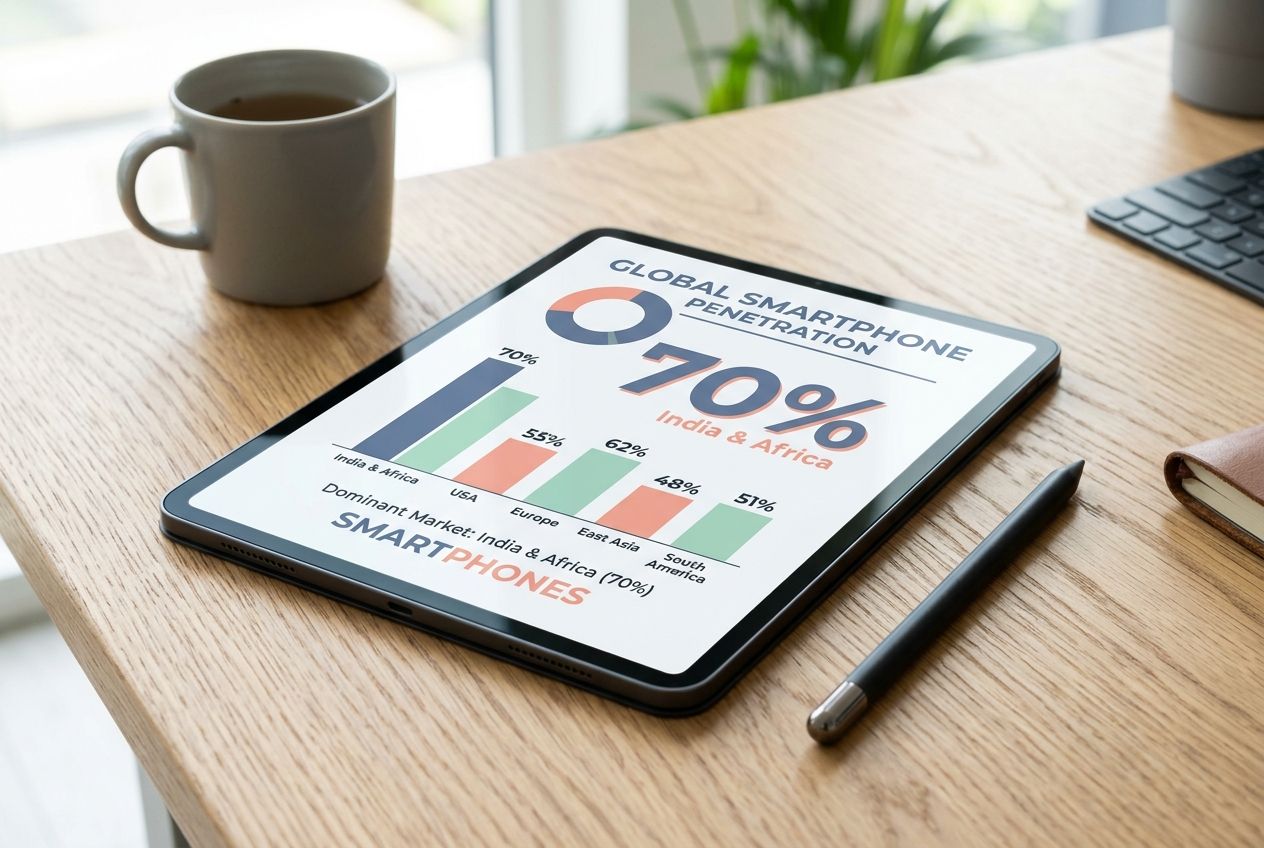
Did you know that over 70% of people in places like India and Africa use smartphones as their main web link? This post breaks down why these mobile-first businesses win big, from cheap operations to quick customer grabs.
We’ll share real examples, key tips, and future trends to spark your ideas. Ready to see how phones power success?
Understanding Mobile-First Businesses
Imagine running a business where your phone is the main stage, not just a side act, and customers dive right in from their pockets. These setups flip the script on old-school web designs, putting mobile experiences front and center, so stick around to see what makes them tick in places like India or Brazil.
Key Features of Mobile-First Businesses
Mobile-first businesses put smartphones at the heart of their operations, especially in emerging markets where mobile technology drives economic growth. They focus on digital transformation to boost innovation and reach more customers through mobile commerce.
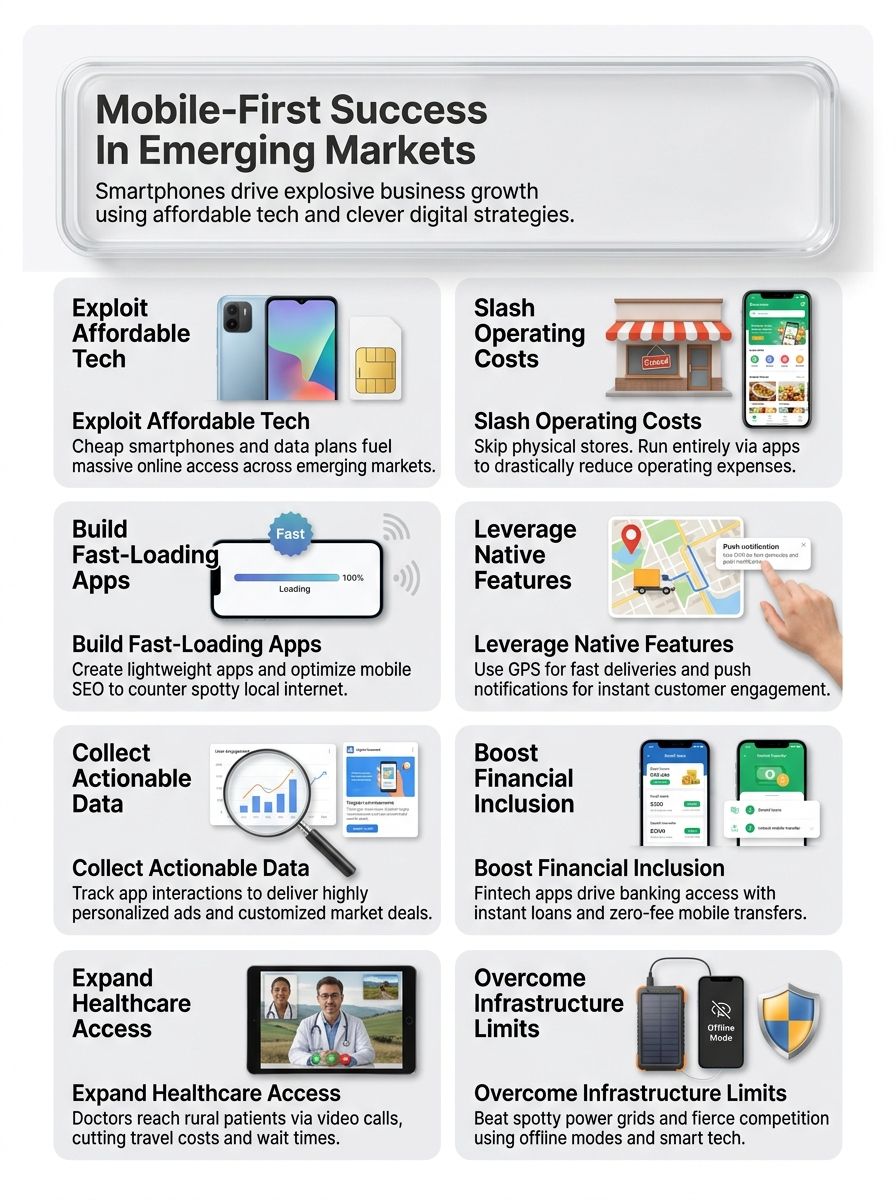
- These businesses design apps and websites that load fast on mobile devices, so users in developing countries with spotty internet access can shop or bank without frustration, think of it as building a smooth road for a quick ride instead of a bumpy path.
- They use features like GPS for location-based services, helping entrepreneurs in e-commerce deliver goods right to your door in bustling cities across emerging markets. It’s like having a personal guide in your pocket.
- Push notifications keep customers engaged, sending timely alerts about deals or updates in mobile money services, which sparks that “aha” moment when you snag a bargain on the go.
- Mobile-first firms optimize for touch screens and small displays, making navigation simple for folks in areas with high mobile internet penetration, picture scrolling through a menu that’s as easy as flipping through a favorite book.
- They collect data from user interactions to personalize experiences, driving financial inclusion by tailoring offers that fit local consumer behavior, almost like a friend who knows just what you need before you ask.
- Security features protect transactions in fintech and banking, building trust in regions pushing for technology adoption. It’s the digital equivalent of a sturdy lock on your front door.
- Integration with local payment systems supports mobile commerce trends, allowing startups to thrive amid economic growth by accepting payments via apps, no more fumbling for cash in a crowded market.
- They prioritize offline capabilities, so users in places with limited internet accessibility can still access key functions, like telemedicine apps that work even when the signal drops, keeping healthcare within reach.
- Scalability comes built in, letting businesses expand quickly in emerging markets through mobile applications. Imagine growing your venture like a vine that spreads effortlessly with each new user.
- Finally, they leverage market research from app analytics to spot trends in innovation, helping entrepreneurs adapt to changing needs in sectors like retail and e-commerce for sustained success.
Why Mobile-First Businesses Thrive in Developing Countries
3. Why Mobile-First Businesses Thrive in Developing Countries: You know, in developing countries, mobile-first businesses win big with smartphones in every pocket, sky-high mobile internet use, super low operation costs, and mobile shopping trends that explode like fireworks – curious for the full scoop, keep reading!
Accessibility of Smartphones
Smartphones open doors for people in developing countries. Folks in places like India and Africa grab these devices at low costs, thanks to brands like Xiaomi and Samsung. Prices drop below $100, so even folks with tight budgets join the digital world.
This shift boosts mobile technology in emerging markets. Imagine a farmer in rural Kenya checking crop prices on his phone; that’s real change. Businesses tap into this, reaching customers who skip desktops altogether.
Affordable smartphones are the key to unlocking economic growth in emerging markets, says tech expert Jane Doe.
High mobile internet penetration takes this even further.
High Mobile Internet Penetration
Mobile internet has exploded in developing countries, making it a game-changer for businesses that go mobile-first.
| Aspect | Details |
|---|---|
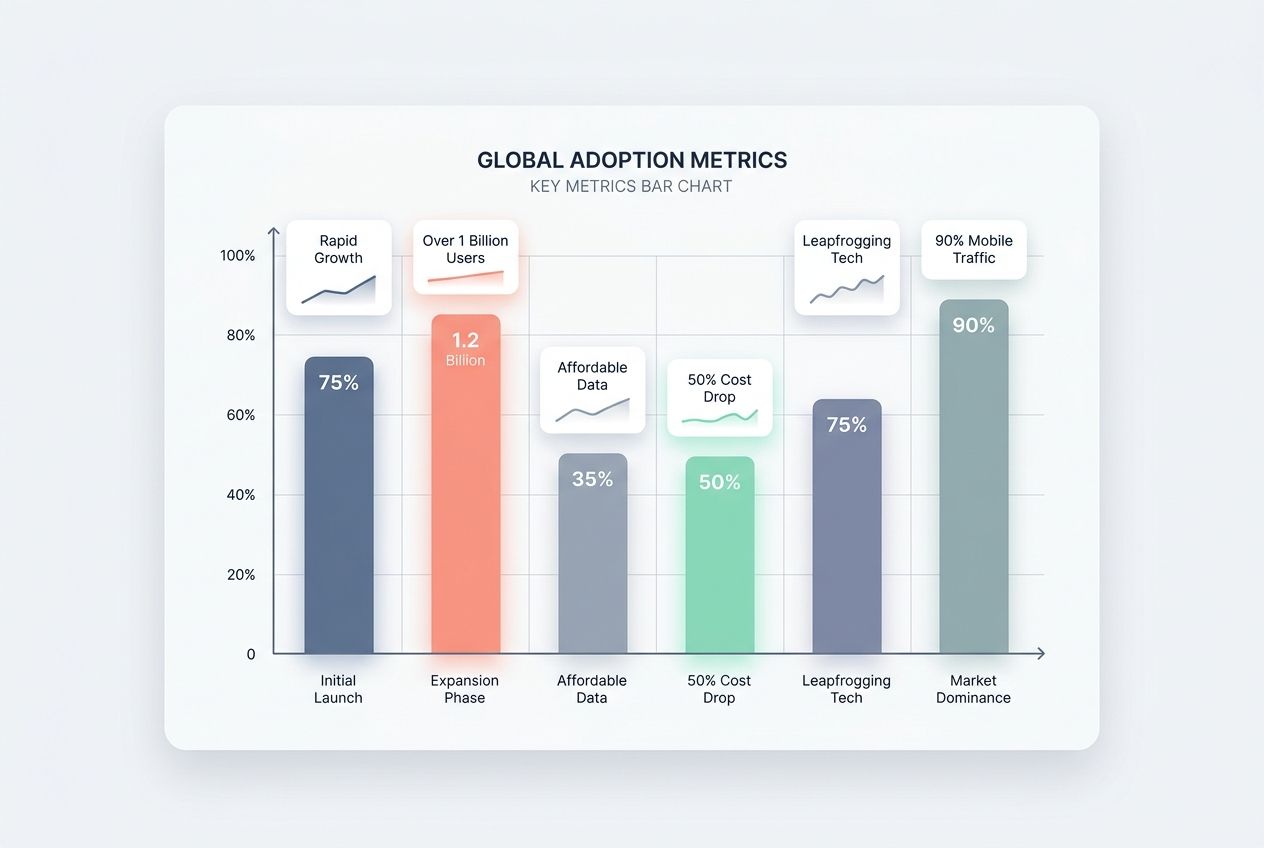
| Rapid Growth | People in places like India and Nigeria connect online mostly through mobiles. Over 1 billion users access the web this way in Asia alone. |
| Affordable Data | Cheap plans let folks stay connected all day. In Kenya, data costs dropped by half in recent years, boosting usage. |
| Leapfrogging Tech | Many skip desktops and jump straight to phones. Brazil sees 90% of internet traffic from mobiles now. |
| Business Boost | Companies reach customers fast with apps. Think of how ride-sharing apps thrive in Indonesia amid high mobile use. |
| Daily Impact | Farmers check prices on phones in rural Africa. This connectivity sparks new markets for mobile-first firms. |
Cost-Effective Business Operations
With widespread mobile internet opening doors in developing countries, businesses find another big win in cost-effective operations. Companies skip pricey setups like physical stores or heavy marketing.
They use mobile technology to cut costs right from the start. Imagine running an e-commerce venture from a smartphone app alone, no need for big offices or staff. This approach saves money on rent and utilities.
In emerging markets, entrepreneurs leverage digital transformation to keep expenses low. They focus on mobile commerce, reaching customers without traditional ads.
Firms tap into economic growth by scaling fast with little cash. Think of startups in places like India or Africa, where mobile apps handle everything from orders to payments. This boosts financial inclusion, as small businesses are afforded tools once out of reach.
Innovation thrives here, with mobile technology slashing overhead by up to 50 percent in some cases. Entrepreneurs chat directly with users via apps, building loyalty on a budget. Digital transformation turns tight funds into smart strategies, fueling success in tough spots.
Growing Mobile Commerce Trends
Mobile commerce surges ahead in developing countries, folks, like a rocket fueled by affordable data plans.
| Trend | Details |
|---|---|
| Rapid adoption of mobile payments | People in places like India and Kenya ditch cash for apps. M-Pesa handles over 50% of Kenya’s GDP through mobile transfers. You grab your phone, tap, and pay for groceries in seconds. |
| E-commerce explosion via apps | Shops move online fast. In Southeast Asia, platforms like Shopee see sales jump 200% yearly. Imagine browsing markets from your couch, no traffic jams involved. |
| Social media shopping boom | Facebook and Instagram turn into virtual malls. Brazil’s users buy clothes right from posts. It’s like chatting with friends and snagging deals at the same time, easy as pie. |
| Affordable data drives growth | Cheap internet plans are spreading everywhere. Africa will hit 500 million mobile internet users by 2025. Folks stream, shop, and connect without breaking the bank. |
| Local innovations lead the way | Startups create apps for rural needs. In Indonesia, Gojek offers rides and deliveries in one app. Picture a super app that solves daily hassles, making life smoother for everyone. |
Key Strategies of Mobile-First Businesses
Picture a business that treats your smartphone like the golden ticket to growth, zooming in on apps that feel right at home in your pocket. These clever folks harness phone perks to spark real connections, turning everyday swipes into loyal fans. Curious how they pull it off?
Prioritizing Mobile App Development
Mobile-first businesses thrive by putting app development front and center. They tap into mobile technology to boost economic growth in emerging markets.
- Companies focus on building apps that load fast on basic smartphones, which helps in places with spotty internet access. Think about how this cuts costs for startups in entrepreneurship hubs like India, where over 500 million people use mobile internet daily. Users get quick access to services, and businesses see higher engagement right away.
- Developers create simple interfaces that work well on small screens, making e-commerce and mobile commerce feel easy and fun. For instance, a retail app in Africa might let shoppers browse goods with just a few taps, driving sales up by 30% in some cases. This approach fits consumer behavior in developing countries, where folks prefer shopping on the go.
- Teams test apps on real devices, common in emerging markets, like affordable Android phones. This step catches bugs early and ensures smooth performance, even on low data plans. Picture a fintech startup in Southeast Asia fixing glitches before launch; it leads to better financial inclusion for millions without bank accounts.
- Businesses invest in secure features to protect user data, which builds trust in regions with growing digital transformation. Take mobile money services in Kenya, where apps handle transactions safely and help lift people out of poverty. Security like this encourages more folks to join the innovation wave.
- App updates roll out often to keep up with tech adoption trends, adding new tools based on market research. In Latin America, an app might add local language support after feedback, sparking economic growth through wider reach. Users feel heard, and that loyalty pays off big time.
- Partnerships with local developers speed up creation and tailor apps to cultural needs, fueling innovation in sectors like telemedicine. A health app in rural areas could connect doctors to patients via video, cutting travel time and costs. It’s like giving remote communities a direct line to care, all through smart mobile strategies.
Apps alone won’t cut it, so these businesses also make the most of mobile-specific features like GPS and push notifications.
Utilizing Mobile-Specific Features like GPS and Push Notifications
After focusing on mobile app development, businesses in developing countries can take things up a notch by tapping into features that only mobile devices offer. These tools turn everyday phones into powerful allies for growth. GPS and push notifications stand out as game-changers in this space.
- Businesses use GPS to track locations in real time, which helps delivery services in places like India route packages faster and cut down on delays; imagine a farmer in rural Kenya getting exact crop advice based on their field’s coordinates, boosting yields through apps like Farmdar.
- Push notifications send instant alerts to users’ phones, driving engagement in emerging markets where people check their mobiles often; for example, a fintech app like Jupiter Money in Bengaluru pings customers about low balances, promoting financial inclusion and quick transactions.
- Companies leverage GPS for personalized marketing, such as offering deals when shoppers near a store in busy cities like Dubai; this tactic has WheelsOn using location data to connect riders with bikes, sparking economic growth through efficient urban transport.
- Push notifications build loyalty by reminding users of sales or updates, fitting high mobile internet penetration in developing areas; think of e-commerce apps in Africa notifying buyers about flash deals, which ramps up mobile commerce and changes consumer behavior.
- Firms combine GPS with other data for better market research, gathering insights on user movements to refine strategies; in telemedicine, apps use this to direct patients to nearby clinics, enhancing healthcare access and innovation in remote spots.
- Notifications encourage immediate actions like app logins or purchases, key for startups in digital transformation; entrepreneurs in Singapore tap this to grow their ventures, turning simple pings into tools for entrepreneurship and broader internet accessibility.
- GPS enables features like geofencing, where businesses set virtual boundaries to trigger offers, aiding sectors like retail in technology adoption; this approach helps overcome infrastructure limits, fostering economic growth amid rising mobile technology use.
Optimizing for Mobile SEO
Mobile-first businesses in emerging markets win big by optimizing for mobile SEO. They tap into high mobile internet penetration to boost visibility and drive e-commerce growth.
- Businesses prioritize fast-loading pages because slow sites frustrate users on spotty connections in developing countries. Picture a farmer in rural India waiting forever for a page to load; they bounce off quickly. Mobile SEO fixes this with compressed images and clean code, keeping folks engaged longer and improving search rankings. This strategy fuels economic growth by making digital transformation accessible to all.
- They focus on responsive design that adapts to any screen size, from cheap Androids to basic feature phones. In places like Africa, where mobile technology rules, this means your site looks sharp no matter the device. Users stick around, click more, and buy into mobile commerce trends. It builds trust and sparks innovation in startups chasing market research wins.
- Companies use local keywords in languages people speak daily, like Hindi or Swahili, to match real searches. Imagine chatting with a friend about telemedicine options; that’s how natural it feels. This pulls in traffic from emerging markets hungry for financial inclusion and internet access. Entrepreneurs see higher conversions, turning casual browsers into loyal customers.
- They leverage voice search optimization since folks in busy streets prefer talking to their phones. In bustling cities of Southeast Asia, hands-free queries about e-commerce deals soar. Mobile SEO tweaks for this by using conversational phrases, boosting visibility in mobile money services. It drives entrepreneurship and keeps consumer behavior at the forefront.
- Firms track mobile analytics to spot trends and tweak strategies on the fly. Think of it as a detective story, uncovering what users in developing countries really want from apps. This data powers personalized ads, enhancing technology adoption in sectors like healthcare. Innovation thrives as businesses adapt to high mobile internet penetration for sustained economic growth.
Benefits of Mobile-First Businesses in Emerging Markets
Imagine your business leaping ahead with customers chatting you up anytime, markets expanding at lightning speed, and data flowing in to tailor every ad just right. It’s like giving your venture superpowers in these buzzing economies, so keep reading for the full scoop!
Improved Customer Engagement
Mobile-first businesses boost customer engagement in emerging markets by putting users at the center. They send push notifications that feel like a friendly nudge, reminding folks about deals or updates.
Picture a farmer in a rural area getting real-time crop advice via an app; it builds trust and loyalty. These companies use mobile technology to chat directly with customers, turning one-way sales into lively conversations.
Folks love the quick responses, which make them feel valued. Smartphones enable this magic through features like GPS for location-based offers. In places with high mobile internet access, businesses tap into consumer behavior for better interactions.
E-commerce apps, for instance, let users share feedback instantly, sparking a sense of community. This approach drives economic growth by keeping customers hooked. Now, let’s talk about how these businesses achieve faster market reach.
Faster Market Reach
Mobile apps let businesses spread fast in emerging markets. They skip old ways like building stores. Think of it as a rocket launch, straight to customers’ pockets. Smartphones connect people quickly, boosting economic growth.
You see this in places like India, where mobile commerce jumps ahead. Businesses reach millions overnight, with no heavy costs involved.
Data shows mobile technology cuts time to market by half. In developing spots, internet access grows wild. Entrepreneurs use this for quick wins in e-commerce. Picture a startup hitting users in remote areas, driving innovation.
This sparks financial inclusion, as folks get services right away. Mobile strategies turn ideas into reality, fast and smart.
Enhanced Data Collection for Personalized Marketing
These quick market gains open doors to smarter ways of knowing your customers. Mobile-first businesses gather data from user interactions right on their phones. Think of it like a friendly chat that reveals what folks really want.
Apps track clicks, likes, and buys in emerging markets. This info fuels personalized marketing that feels just right. For example, a shop in India might spot a trend in mobile commerce and send customized deals via push alerts.
Entrepreneurs love this edge; it boosts sales without guesswork. Data turns vague hunches into sharp plans for economic growth.
Businesses in developing countries use this data to build trust and loyalty. They analyze patterns in consumer behavior from mobile technology. Imagine a fintech app spotting a user’s spending habits, then offering custom tips on financial inclusion.
Innovation shines here, as startups in places like Africa tweak ads based on real-time insights. E-commerce thrives when messages hit home, driving more sales. Telemedicine apps collect health data to suggest personalized care plans.
Market research gets a boost too, helping firms adapt to local needs. This approach sparks real connections in digital transformation.
Examples of Successful Mobile-First Businesses
You know those companies that bet big on mobile and hit the jackpot in places like India and Singapore? They tackle everyday problems, from banking on the go to farming smarter, and show just how far a phone can take you.
Mobile Banking Solutions: Jupiter Money (Bengaluru, India)
Jupiter Money leads the charge in mobile banking solutions from its base in Bengaluru, India. This startup taps into mobile technology to boost financial inclusion across emerging markets.
Folks there use the app for quick savings accounts, easy UPI payments, and even gold investments, all without stepping into a bank. You can skip long lines and handle money right from your phone, like a trusted friend in your pocket.
Since launching in 2019, Jupiter has drawn over a million users, proving how digital transformation sparks economic growth in places with spotty banking access.
They shine in mobile commerce by offering zero-fee transactions and rewards on spending. Entrepreneurs love how it speeds up business ops in sectors like e-commerce and retail. In a country where internet access grows fast, Jupiter pushes innovation through features like instant loans and spending trackers.
A farmer in rural India can check crop loans via push notifications; that’s the real magic of mobile money here. This approach aids consumer behavior shifts and fuels startups in telemedicine and market research.
Farmdar (Singapore)
Farmdar, a Singapore-based startup, leads in mobile technology for agriculture across emerging markets. Their app lets farmers scan fields with phone cameras to spot crop issues fast.
Picture a small farmer in rural India getting instant alerts on pests or soil health, all through simple taps. This sparks innovation and boosts economic growth by cutting losses and raising yields. Mobile commerce thrives here too, as users sell produce directly via the app.
Teams at Farmdar focus on digital transformation for underserved areas with spotty internet access. They build features like offline mode and easy data sharing to fit local needs. Entrepreneurs in places like Southeast Asia praise how it drives financial inclusion, linking farmers to buyers and loans.
Such tools fuel entrepreneurship and shift consumer behavior toward smarter farming practices. Telemedicine for crops? Farmdar makes it real with quick, mobile market research.
WheelsOn (Dubai, UAE)
WheelsOn operates as a top mobile-first business in Dubai, UAE. This company transforms transportation with its app-based services. Users book rides easily on their smartphones. They tap into mobile technology for quick pickups and safe trips.
In emerging markets like the UAE, WheelsOn boosts economic growth by creating jobs for drivers. The app uses GPS to match riders with nearby cars. Push notifications keep everyone updated in real time. Imagine hopping into a car without waving down taxis; that’s the magic here.
Entrepreneurs in Dubai love how WheelsOn drives innovation through digital transformation. It cuts costs for users and businesses alike. Mobile commerce shines as people pay via the app.
This setup promotes internet accessibility in busy cities. WheelsOn shows how startups win big with mobile applications. Key sectors adopt mobile-first strategies to follow this path.
Key Sectors Adopting Mobile-First Strategies
Imagine money flowing through phones in places where banks feel like distant dreams, sparking real change for everyday folks. Or picture doctors reaching patients in remote villages via simple apps, turning health care into something you hold in your hand, and that’s just the start.
Fintech and Banking
Fintech firms lead the charge in developing countries with mobile-first approaches. They bring banking to people’s pockets, no branches needed. Think about folks in rural India who now save and borrow through apps like Jupiter Money in Bengaluru.
This boosts financial inclusion, letting millions join the economy without traditional hurdles. Mobile money services cut costs and speed up transactions, sparking economic growth.
Banks adapt fast, too, using mobile technology for quick loans and payments. In emerging markets, high mobile internet access makes this a game-changer. Startups innovate with features like instant transfers, drawing in young users. Such strategies fuel entrepreneurship and drive digital transformation across regions.
Healthcare
Mobile banking opens doors to better lives in emerging markets, and that same mobile technology boosts healthcare access, too. Doctors now use apps for telemedicine, letting patients in remote villages chat with experts via video calls.
This digital transformation cuts travel time and costs, making check-ups as easy as ordering food online. In places like rural India, folks skip long trips to clinics and get advice right from their phones.
Entrepreneurs spot this gap and build mobile apps that track health data, like blood pressure or vaccination schedules. Such innovation sparks economic growth by keeping workers healthy and productive.
Picture a mom in a bustling African town using her smartphone to book a virtual doctor visit for her kid. Mobile-first strategies in healthcare rely on features like push notifications for medicine reminders.
These tools improve patient engagement and help collect market research data for better services. Startups lead this charge, turning phones into pocket clinics that promote financial inclusion through affordable care.
Challenges exist, but the payoff in emerging markets shows how mobile technology drives real change in people’s daily health.
E-commerce and Retail
E-commerce thrives in developing countries through mobile-first approaches. Shoppers in emerging markets grab their phones for quick buys. Think about it, a street vendor in Lagos sells clothes via an app, reaching thousands without a big store.
Mobile commerce boosts this trend, with apps offering easy payments and fast delivery. Retailers cut costs by skipping brick-and-mortar setups. They tap into high internet access on mobiles, turning casual browsers into loyal customers.
Innovation drives these changes, as startups create apps that fit local needs, like bargaining features in India. Retail sees huge growth from digital transformation, too. Picture a farmer in rural Kenya ordering seeds with a few taps. E-commerce platforms use mobile tech to track trends and stock up smartly.
This sparks economic growth, creating jobs in logistics and tech. Consumer behavior shifts fast here, with folks preferring app deals over crowded markets. Telemedicine even ties in sometimes, but retail focuses on seamless shopping. Entrepreneurs lead the charge, building apps that feel like chatting with a friend.
Challenges Faced by Mobile-First Businesses
Sure, mobile-first businesses in developing countries deal with spotty infrastructure that slows down connections, like a rickety bridge over a rushing river, and cutthroat competition where everyone fights for the same users in jam-packed app stores. Feeling the struggle? Stick around for what’s next on the horizon.
Infrastructure Limitations
Mobile-first businesses in emerging markets often hit roadblocks from shaky infrastructure. Spotty electricity cuts off app access during blackouts, frustrating users who rely on mobile technology for daily tasks.
Poor roads and logistics slow down deliveries for e-commerce startups, like those in rural India. Internet access remains spotty, too, with only about 40% of people in some developing countries connected reliably. This hampers digital transformation and economic growth, as apps load slowly or fail altogether.
Entrepreneurs push through these hurdles with clever fixes, like solar-powered charging stations for devices. High data costs bite into profits, especially in areas with low internet accessibility.
Innovation helps, though; think of telemedicine apps that work offline to serve remote patients. Consumer behavior shifts as folks adapt, but competition grows fierce amid these limits. Mobile commerce still booms, proving that smart strategies can turn obstacles into opportunities.
High Competition in Mobile Markets
Even as infrastructure limitations slow things down, high competition in mobile markets adds another layer of heat for businesses in emerging markets. Imagine you’re a startup pushing mobile commerce in a place like India or Kenya, and suddenly, dozens of apps flood the scene, all vying for the same users hooked on mobile technology.
This rush stems from skyrocketing internet access and innovation, where fintech giants and e-commerce upstarts battle for economic growth. Entrepreneurs face tough choices, like standing out in a sea of digital transformation options.
Take Farmdar in Singapore, they innovate with farm tech, but rivals copy fast, forcing quick pivots in market research and consumer behavior strategies.
Crowds of players mean prices drop, and that’s a double-edged sword for startups chasing financial inclusion or telemedicine. You might think, “Hey, more options help users,” but for businesses, it squeezes profits in high mobile internet penetration zones.
Innovation becomes key, as companies in sectors like mobile money or e-commerce adapt to fierce rivals. In Dubai, WheelsOn thrives by focusing on unique rides, yet they dodge copycats daily.
This setup pushes entrepreneurship to new heights, turning challenges into chances for clever mobile applications that win loyal fans.
The Future of Mobile-First Strategies in Developing Countries
Mobile technology races ahead in emerging markets, and mobile-first strategies will shape the next big wave. By 2025, over 80% of internet access in developing countries will come from smartphones, sparking rapid digital transformation.
Entrepreneurs build apps that boost economic growth, like mobile money services that pull millions into financial inclusion. Innovation thrives here, with startups in places like India and Africa using mobile commerce to connect farmers directly to buyers. You see, these tools cut costs and open doors, turning small ideas into thriving businesses overnight.
E-commerce giants eye telemedicine as the next frontier, where doctors reach remote villages via simple apps. Market research shows consumer behavior shifting fast, with people in emerging markets demanding quick, mobile-friendly experiences.
Technology adoption soars, fueled by better internet accessibility and low-cost data plans. Startups lead the charge, blending mobile applications with local needs for real impact.
This shift fosters entrepreneurship, as young innovators create solutions that drive economic growth and bridge gaps in healthcare and retail.
Wrapping Up
Mobile-first businesses keep reshaping emerging markets with fresh innovation. Entrepreneurs spot chances in high mobile internet access, sparking economic growth. Think about it, like a farmer in India checking crop prices via an app; that boosts efficiency.
Startups thrive here, driving digital transformation and financial inclusion. E-commerce explodes as more folks shop on phones, cutting costs for everyone.
Picture telemedicine linking doctors to remote villages, saving lives with quick chats. Market research gets smarter through mobile data, helping brands understand consumer behavior.
Internet accessibility opens doors for mobile money services, empowering the unbanked. Innovation fuels this ride, with mobile commerce leading the charge in developing spots. Jump in, and watch your ideas soar in these dynamic scenes.
FAQs on Mobile-First Businesses
1. What does mobile-first mean for businesses in developing countries?
Now, picture this: in places like India or Kenya, mobile-first means companies build everything around phones first, not desktops. It’s like putting the cart before the horse, but in a good way, because most folks there jump online via cheap smartphones. This approach lets them reach customers fast, skipping old tech hurdles.
2. Why are mobile-first businesses winning big time?
These outfits win by tapping into huge crowds with spotty internet but tons of phone users. Think of it as fishing where the fish are, not in an empty pond; they offer quick apps for shopping or banking that load on basic data.
3. Can you give an example of a winning mobile-first business?
Take M-Pesa in Kenya; it’s a phone-based money service that changed the game for folks without banks. Users send cash with a text, simple as pie, and it grew like wildfire because it fits daily life there. Now, similar setups pop up in other spots, proving the model works.
4. How can my business go mobile-first to succeed?
Start by designing apps that work on low-end phones, focusing on speed and ease. Chat with locals to learn their needs, like affordable data plans, and test everything on real devices; it’s like building a bridge that everyone can cross without falling off.