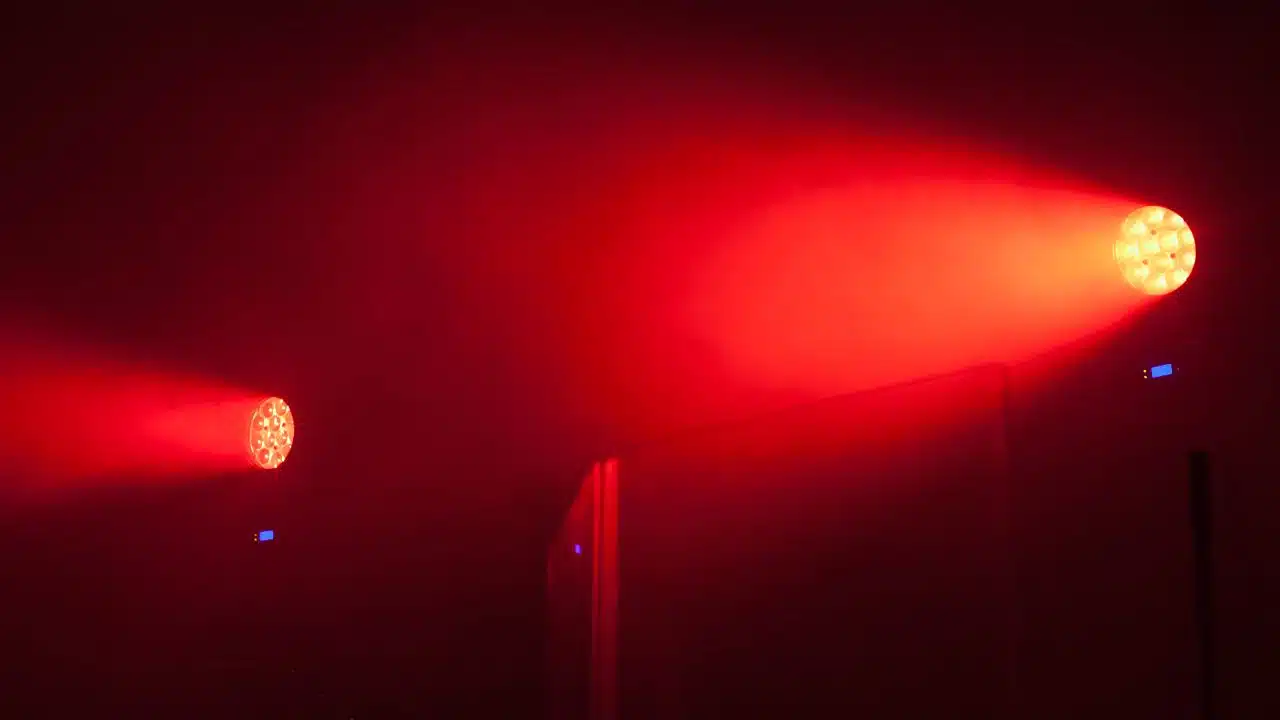
Lighting has evolved far beyond its utilitarian purpose, becoming an essential medium in modern architecture. It shapes spatial perception, defines contours, and evokes emotional resonance within built environments. In today’s cities and interiors, lighting is not merely a finishing detail but a design language that communicates the intent of form and function. Among the many tools in an architect’s palette, LED spot lights have emerged as one of the most transformative.
This evolution marks a significant departure from the past, when halogen and incandescent lighting dominated both homes and commercial spaces. Those older technologies, while warm in tone, lacked energy efficiency and longevity. LED technology revolutionized that equation by marrying precision with sustainability. Architects and designers now have access to light that not only enhances aesthetics but also minimizes energy consumption and environmental impact.
LED spot lights symbolize a harmony between artistry and innovation. They allow light to become an architectural element, one that accentuates texture, highlights geometry, and draws the eye through space. In doing so, lighting becomes integral to the visual rhythm of a structure, orchestrating both beauty and performance in unison.
Designing with Precision and Purpose
Architectural lighting demands both imagination and technical mastery. The positioning of LED spot lights is guided by an understanding of proportion, shadow, and perspective. A fixture placed slightly off-center can disrupt visual balance, while one positioned with purpose can transform how a surface or object is perceived. Design teams increasingly rely on digital modeling to predict how beams of light will interact with materials and structures, refining their approach long before construction begins.
Material behavior under illumination is equally vital. Light interacts differently with glass, stone, concrete, or wood. LEDs grant designers the ability to fine-tune contrast, tone, and reflection to highlight each material’s natural character. Warm tones enhance organic textures, while cooler beams emphasize structure and modernity. Through this interplay, light adds depth and personality to otherwise neutral architectural elements.
Adaptability has become a defining trait of LED design. Dimmable features, directional flexibility, and programmable systems allow architects to create spaces that evolve with time and purpose. A dining area can shift from vibrant illumination to intimate ambiance, while commercial interiors can adjust brightness for functionality or atmosphere. LED spot lights bring fluidity to environments that once remained static under fixed illumination.
Technology Meets Aesthetics
In modern design, the fusion of innovation and artistry defines architectural lighting. LED technology represents that harmony, combining efficiency with sophistication. Unlike older fixtures that competed with the design narrative, today’s LEDs blend seamlessly into walls, ceilings, and facades, highlighting the beauty of space without intruding upon it. Architects now treat light as an integral design element, not a finishing touch.
What distinguishes exceptional lighting projects is not just design creativity but the caliber of materials and sources behind them. High-performance LEDs require precision optics, thermal stability, and consistent color rendering to achieve architectural-grade quality. For professionals and homeowners alike, choosing the right supplier ensures that the technology behind the beauty performs as intended reliably, sustainably, and safely over time.
That pursuit of quality is why architects and lighting designers often turn to trusted industry leaders like Buy Rite Electric, a long-established destination for professional lighting and electrical supplies whose extensive range of LED spot lights embodies the perfect balance of engineering precision, modern design, and energy efficiency. Their commitment to craftsmanship and competitive value has made them a go-to source for those seeking lighting solutions that perform beautifully and endure.
The Sustainability Imperative
In today’s architectural landscape, sustainability is no longer optional it is foundational. LED spot lights are central to this movement, drastically reducing power consumption compared to traditional sources. They convert nearly all energy into illumination rather than heat, allowing buildings to lower operational costs while minimizing their environmental footprint. The savings, both ecological and economic, are reshaping how developers and desig ners approach lighting from the outset.
Durability further enhances their sustainability credentials. With lifespans often exceeding 50,000 hours, LEDs minimize waste and replacement cycles. Architects can design lighting systems with confidence that maintenance will remain minimal for years. This reliability benefits large-scale installations such as airports, universities, and civic centers where continuous performance is critical.
The environmental benefits extend beyond efficiency. LEDs contain no harmful elements such as mercury and emit less ultraviolet radiation. As cities adopt stricter building standards and developers pursue LEED certifications, the use of LED spot lights has become synonymous with responsible, forward-thinking design.
Enhancing Residential Spaces
Within residential architecture, light defines how people experience their homes. It dictates comfort, intimacy, and visual warmth. LED spot lights allow homeowners to customize those experiences with precision, enabling flexible designs that complement lifestyle and mood. A living room can shift from soft evening ambiance to vibrant social space at the touch of a control panel or app.
Architects often layer multiple types of LED lighting to add visual interest. Spot lights, when positioned carefully, can draw focus to art, architectural features, or furniture arrangements. The ability to direct and control beams ensures that light serves both form and function without overpowering the room. This approach also makes small spaces appear larger and more dynamic through strategic shadow and contrast.
The evolution of smart home systems has made LED integration seamless. Homeowners can program schedules, adjust tone, or create lighting scenes that align with daily routines. This combination of adaptability and aesthetic control reflects a modern vision of design personalized, efficient, and effortlessly refined.
Commercial and Public Applications
Commercial spaces have embraced LED spot lights not only for efficiency but also for their impact on experience and brand identity. In retail environments, focused lighting draws attention to products and enhances color accuracy. Hotels and restaurants use adjustable LEDs to shift ambiance between day and night, creating immersive atmospheres that align with brand tone and guest expectations.
Architectural lighting in urban design has also benefited from this technology. City planners employ LEDs to illuminate facades, pathways, and monuments, blending beauty with practicality. Programmable systems enable dynamic color changes that celebrate cultural events or seasonal themes, allowing cities to engage residents through design.
Public institutions such as schools, hospitals, and offices have adopted LEDs to improve comfort and productivity. Studies show that well-balanced illumination supports focus and well-being. Tunable white LED systems can mimic natural daylight, supporting circadian rhythms and enhancing mood throughout the day.
Mastering Ambiance and Human Experience
Architectural lighting has reached a point where its success is measured not only by visual effect but also by emotional resonance. Light influences how people feel within a space its warmth can invite, its intensity can energize, and its direction can guide. LED spot lights provide the precision necessary to choreograph this emotional rhythm. Architects and designers are now as concerned with how lighting feels as they are with how it looks.
The study of human-centric lighting has shown that quality illumination affects biological and psychological well-being. The careful use of LED spot lights can support circadian alignment, improve alertness, and foster relaxation depending on color temperature and placement. Thoughtful lighting transforms spaces from static environments into sensory experiences that adapt to human behavior.
In commercial and cultural settings, this mastery of ambiance becomes a signature of design sophistication. Museums use focused LEDs to reveal texture in artwork; restaurants rely on warm tones to encourage social connection; offices employ balanced light to reduce strain and fatigue. As architecture continues to embrace experiential design, LED spot lights remain the silent conductor behind the atmosphere, shaping not just what we see but how we live within the light.