
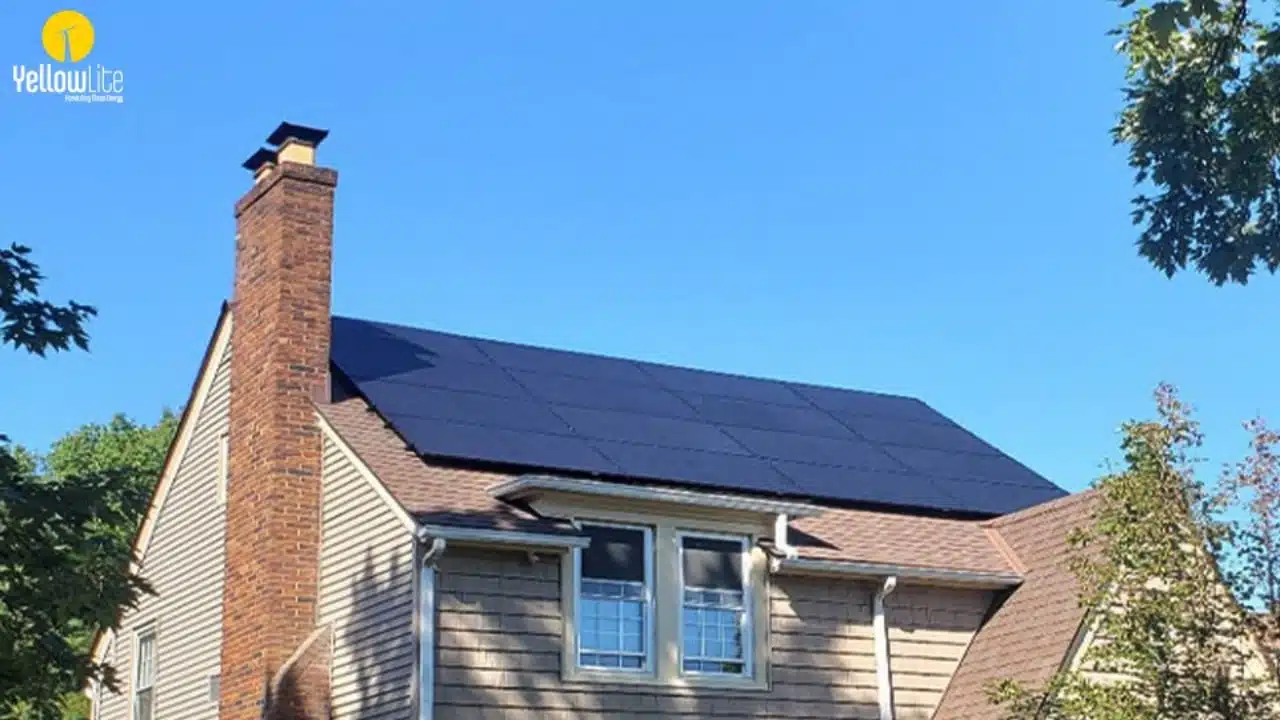
Solar isn’t just for the eco-conscious anymore. It’s quickly becoming one of the smartest financial choices a homeowner can make. With strong incentives, predictable pricing, and smarter technology, installing solar panels for home use is no longer a luxury, it’s a smart investment in your future. Across the U.S., over 4.5 million homes are now powered by the sun, and that number is set to hit 8 million by 2026, according to the Solar Energy Industries Association (SEIA).
If you’re a homeowner in Ohio, 2025 is your best year yet to switch to solar. Going solar now could save you anywhere from $20,000 to $35,000 as these savings depend on claiming the 30% solar tax credit benefits before it ends this year.
Let’s explore why 2025 is the perfect time to install residential solar panels and future-proof your energy bills.
Economic Incentives Are at Their Peak
Right now, homeowners can still take advantage of the 30 percent Federal Solar Investment Tax Credit, thanks to the Inflation Reduction Act. This credit can reduce thousands off the cost of your solar installation, whether you’re going with a standard 10 kW system or something larger to power your entire home.
In Ohio, you also get the added benefit of net metering. That means when solar panels for home produce more electricity than you use, you can send the extra power back to the grid and earn credits. It’s a simple way to lower your electric bills and get more out of your system year-round.
Your residential solar panels need to be fully installed and up and running by December 31, 2025, to qualify for the full 30 percent tax credit. Miss that window, and you could lose out on thousands of dollars in savings. That’s real money that could go toward your next family vacation, home improvements, or just peace of mind from smaller utility bills.
Solar Panel Prices Are at All-Time Low
Over the last decade, solar panels for home prices have dropped by more than 60%. And now in 2025, prices have dipped at historically low levels, averaging around $2.25-$3.00 per watt installed, according to EnergySage.
That means if the average system size is around 10 kW, the total cost for residential solar panels can go up to $30,000–$32,000. With the federal tax credit, you can save about $9,000. This level of affordability is unlikely to improve significantly in the near future, especially as global demand increases and supply chains tighten.
Rising Energy Costs Make Solar More Attractive Than Ever
Ohio electricity rates have been climbing steadily, and many utilities are adjusting their pricing to accommodate grid upgrades and inflation. According to the U.S. Energy Information Administration (EIA), the national average residential electricity rate increased by more than 10% from 2021 to 2024.
In contrast, solar panels for home offer fixed energy costs. Once you install them, you essentially lock in your electricity rate for the next 25-30 years.
Even conservative estimates show that Ohio homeowners can save $20,000 to $35,000 over the life of their solar system.
Technology Has Never Been Smarter
Modern residential solar panels are more efficient and more attractive than ever. New tech like bifacial panels (which capture sunlight from both sides), microinverters, and smart monitoring apps put control and visibility in the hands of the homeowner.
Brands like Tesla, GAF Timberline, and Enphase are leading the innovation wave with solar tiles, integrated storage solutions, and intelligent load balancing.
2025 solar panels for home are not just eco-friendly, they’re highly advanced and reliable.
Home Value Boost and Long-Term ROI
Adding solar panels for home doesn’t just lower your monthly energy bills, it can actually make your home more valuable. In fact, a study by Zillow found that homes with solar panels sell for about 4 percent more than those without.
So if your home is worth around $300,000, that’s an extra $12,000 in value just from going solar. Not bad for something that also cuts your energy costs.
And it gets better. In Ohio, most homeowners see a full return on their solar investment in just 7 to 9 years. After that, it’s all savings, for the rest of the system’s 25-year (or longer) lifespan. That’s two decades of lower bills, greater home value, and the peace of mind that comes with smart, future-ready choices.
2025: The Last ‘Sweet Spot’ Before Possible Policy Changes
2025 may be the last golden window for homeowners to take full advantage of the best solar incentives before potential changes kick in. From federal tax credits to local energy policies, several key benefits are still in place, but they may not last much longer.
Here’s what you could lose by waiting to install solar panels for home:
30% Federal Solar Investment Tax Credit (ITC)
Right now, you can claim 30% of your solar installation cost as a federal tax credit, a major savings opportunity. But this incentive is set to phase down after December 31, 2025. Your system must be fully installed and operational by then to qualify. Miss the deadline, and you could be leaving thousands of dollars on the table.
Statewide Property Tax Exemptions
In Ohio, the added value that solar brings to your home doesn’t increase your property taxes, for now. These exemptions are tied to current state policy and could change in future budget cycles. Locking in your system now means avoiding unexpected costs later.
Net Metering in Ohio
Ohio currently offers net metering, which gives you credits for any extra electricity your residential solar panels produce. That’s a big win for your utility bill. But some states have already rolled back net metering benefits, and Ohio may eventually do the same.
Solar Renewable Energy Credits (SRECs)
SRECs let you earn money for producing clean energy. It’s like a solar-powered side hustle. However, the value of these credits depends on state policies and market demand, both of which can shift quickly with new legislation.
Acting in 2025 locks in your access to current solar incentives and ensures you maximize your solar ROI before the rules change.
Choosing the Right Solar Panels for Home Installers in Columbus
When it comes to installing solar panels for home use, the installer you choose can make all the difference. A great system is only as good as the team that designs and installs it.
Here’s what to look for when evaluating solar installers in Columbus:
- NABCEP certification to ensure you’re working with highly trained professionals.
- Experience navigating Ohio permits and regulations for smooth, delay-free installation.
- Transparent pricing with no surprise fees or confusing fine print.
- Comprehensive warranties on both the equipment and labor for long-term peace of mind.
If you’re looking for a trusted, local partner, YellowLite is a name many Ohio homeowners recognize. With over a decade of experience, a NABCEP-certified team, and a reputation for honest pricing and personalized system design, YellowLite has helped 2900+ residential homes make the switch to solar.
Final Thoughts
Solar power is no longer just about going green, it’s a smart investment that can boost your home’s value, reduce long-term costs, and put you ahead of policy changes coming in 2026. But timing matters. The incentives, savings, and net metering policies available now may not be around much longer.
If you’re considering residential solar panels, now is the time to act. And when you do, partnering with the right installer like YellowLite will ensure your transition to solar is smooth, reliable, and truly worth the investment.