
Have you ever searched “how to mine Solana,” hoping to earn free SOL the same way people mine Bitcoin? It’s one of the most common questions in crypto, and the answer might surprise you. Solana runs on a Proof of Stake system, not the Proof of Work model that powers Bitcoin. That single design choice changes everything about how you can earn on this network.
There are no math puzzles to solve, no mining rigs to buy, and no massive electricity bills.
You can still earn SOL, and the ways to do it are more accessible than traditional crypto mining ever was. This guide walks you through exactly why Solana can’t be mined, how staking works, and how to start earning passive income on the Solana network today. I’ll also cover ORE, airdrops, and other smart ways to get free SOL.
So settle in, and let’s go through it all together. I’ll walk you through every step.
Why Solana Cannot Be Mined
Solana runs on a Proof of Stake consensus mechanism. This is a core design choice, and it’s the reason why mining Solana directly is simply not possible. Bitcoin and Litecoin use Proof of Work, which requires miners to solve complex mathematical puzzles to validate transactions and add new blocks. Solana was built to work in a completely different way.
In a Proof of Work system, miners compete using specialized hardware to win block rewards. They burn through electricity racing to solve those puzzles first. Whoever wins validates the next block and gets paid.
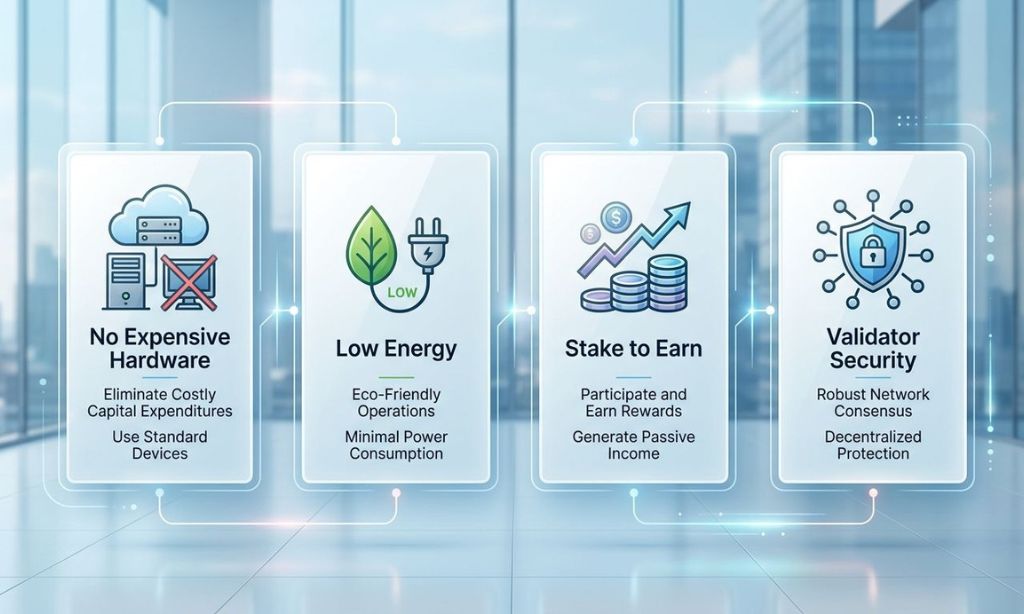
Solana doesn’t do any of that. Validators stake their own SOL tokens to secure the blockchain and process transactions. The network selects validators based on how much SOL they stake, not on their computing power.
Here’s what that means for you as someone trying to earn SOL:
- You don’t need expensive mining hardware to participate
- You don’t need cheap electricity to stay profitable
- You can earn rewards simply by staking SOL you already hold
- Validators can lose their staked tokens if they act dishonestly, which keeps the network secure
Solana also adds something called Proof of History to its consensus model. This innovation timestamps blocks for fast, efficient transaction processing. It’s part of why Solana can handle thousands of transactions per second without needing miners at all.
The Solana Foundation built this network to be energy-efficient and scalable from day one. Mining isn’t part of the equation. Staking is the path that actually works here.
Understanding Proof of Stake vs Proof of Work
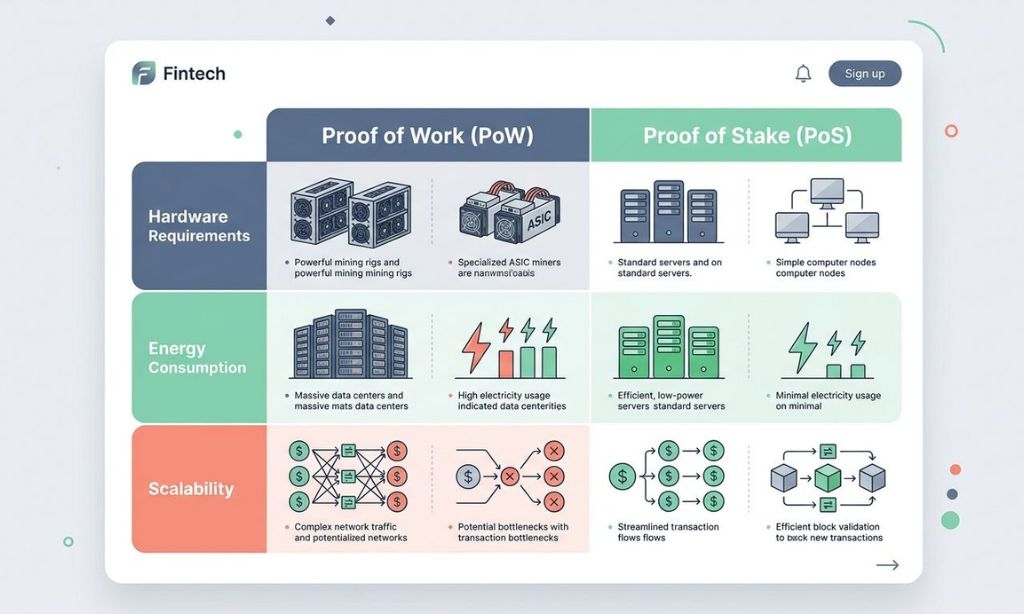
Two major consensus mechanisms power blockchains today, and they work in completely different ways. Let me break down how Proof of Work and Proof of Stake compare, so you can see why Solana chose a different path.
| Feature | Proof of Work (PoW) | Proof of Stake (PoS) |
|---|---|---|
| How It Works | Miners solve complex mathematical puzzles to validate transactions. Bitcoin and pre-Merge Ethereum used this system. | Validators stake their coins to secure the network. The blockchain randomly selects validators based on their stake size. |
| Hardware Requirements | Bitcoin requires specialized ASICs. Litecoin uses the Scrypt algorithm, allowing relatively inexpensive hardware. Energy demands stay high. | Standard computers work fine. No specialized equipment needed. Mining rigs become unnecessary. |
| Energy Consumption | Energy-intensive operations dominate the process. Miners need access to inexpensive electricity to remain profitable. Environmental impact runs significant. | Environmentally friendly approach. Energy usage drops dramatically. Validators don’t drain power like miners do. |
| Barrier to Entry | High costs prevent most people from participating. Equipment and electricity expenses add up quickly. | Lower barrier for everyday participants. Token holders can stake directly. More people get involved. |
| Examples | Bitcoin (BTC) still uses PoW. Ethereum Classic (ETC) retained PoW after the main network switched. Litecoin (LTC) continues mining. | Cardano (ADA) allows withdrawals without lock-up periods. Polkadot (DOT) requires 250 DOT minimum stake, with 28-day unstaking delays. |
| Scalability | Transaction speeds remain slower. Network congestion happens frequently. Throughput limitations exist. | Faster transaction processing occurs. Networks handle more activity. Scalability improves significantly. |
Proof of Work relies on miners racing to solve puzzles first. The winner validates the next block and earns the reward. Bitcoin miners compete globally, making the process increasingly difficult over time. Pre-Merge Ethereum operated the same way, consuming massive amounts of electricity every day.
Proof of Stake flips the script. Instead of solving puzzles, validators lock up their tokens as collateral. The network randomly selects them to create new blocks. If they act dishonestly, their stake gets slashed. This creates accountability through financial risk, not computing power.
Mining equipment matters hugely in PoW systems. Bitcoin ASICs cost thousands of dollars. Litecoin’s Scrypt algorithm allows cheaper hardware, but electricity bills still dominate operating costs. Profitability swings with energy prices and token values.
PoS networks don’t need expensive gear. Your regular computer can run validator software. Cardano lets stakers withdraw anytime, making participation flexible. Polkadot requires a minimum of 250 DOT and has a 28-day waiting period to unstake.
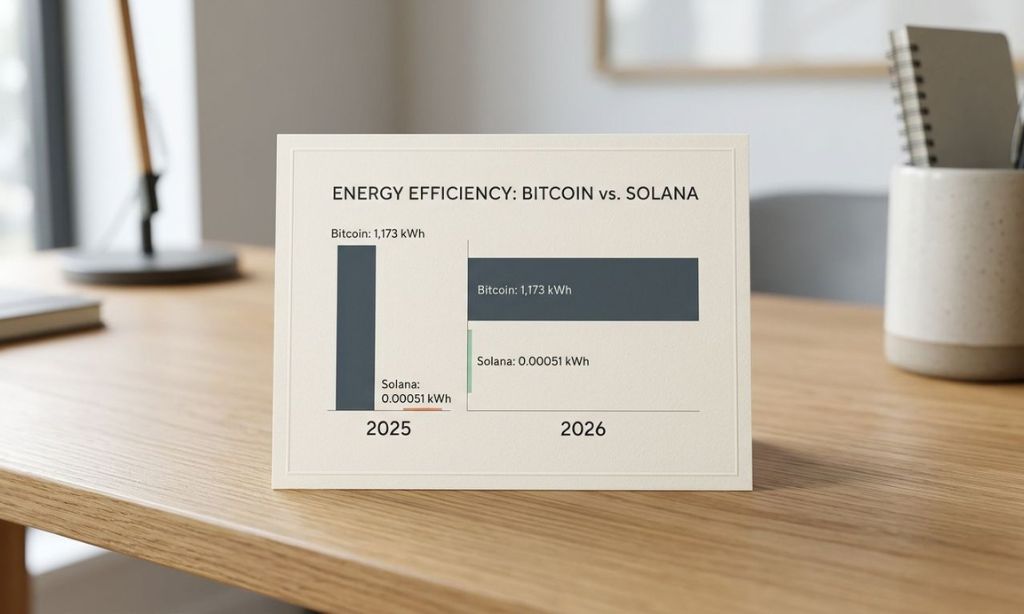
According to 2025 and 2026 energy tracking reports from SolarTech and WifiTalents, Bitcoin’s PoW network consumes over 1,173 kWh per transaction. Solana’s PoS system uses approximately 0.00051 kWh per transaction. That gap isn’t just large. It’s the clearest reason Solana was designed without a mining process from the very beginning.
Transaction speeds also improve dramatically with PoS. PoW networks run slower because puzzle-solving takes real time and computing power. PoS removes that bottleneck, letting Solana handle thousands of transactions per second with ease.
How to Earn Solana Through Staking
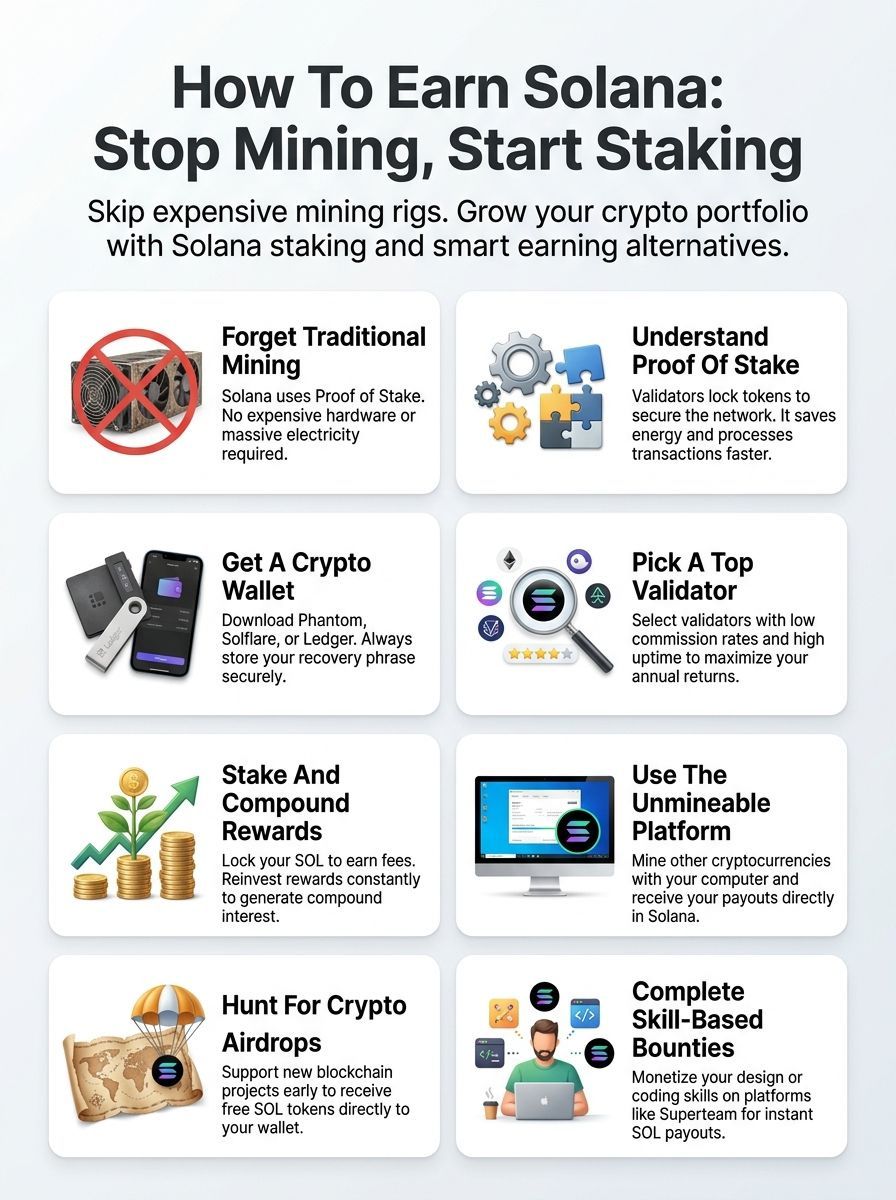
Staking your SOL gives you a real way to earn passive income without mining. Let’s explore how you can put your crypto to work and start collecting staking rewards today.
Choosing a Compatible Solana Wallet
Your cryptocurrency wallet is your gateway to earning on the Solana network. You need one that works with the Solana blockchain to hold your SOL tokens and connect with validators.
Phantom, Solflare, and Ledger all support Solana staking and make the process straightforward. Each platform offers different features, so pick one that fits your comfort level.
- Phantom: Best for beginners, with a clean and simple setup process
- Solflare: Gives you more control over your validator choices and staking options
- Ledger: Provides extra hardware security if you want to keep your assets locked down tight
Start by downloading your chosen wallet and creating an account with a strong password. You’ll need to transfer SOL into your wallet before you can stake. Most people begin with between 0.5 and 1 SOL to cover transaction fees and get their first staking rewards going.
Write down your recovery phrase and store it somewhere safe, away from prying eyes. This phrase lets you recover your wallet if something goes wrong. Treat it with care.
Selecting a Validator
Picking the right validator matters more than you might think. Your validator choice directly shapes how much SOL you earn each year.
Look for validators with low commission rates, strong uptime records, and solid reputations in the Solana community. Solana Compass is a great resource for comparing validators and finding better rewards before you commit your SOL.
A validator with a high commission rate will cut into your earnings, so do your homework first. Here’s a tip that many beginners miss: don’t just chase the lowest commission rate. Based on January 2026 validator data from MEXC Exchange, validators with 99% or higher uptime and standard commission fees of 5-10% consistently deliver better overall returns than 0% commission validators with poor uptime. Reliability beats a cheap rate every time.
Cogent Crypto is also worth a look. It offers access to cgntSOL, which lets you use your tokens in transactions while your SOL stays staked. That gives you added flexibility without giving up your rewards.
Take time to compare commission rates and uptime records across several validators before you stake. This one step can make a real difference in your annual returns.
Steps to Stake SOL and Start Earning Rewards
Staking SOL lets you earn rewards without mining hardware or high energy costs. You get a share of transaction fees and newly issued block rewards simply by locking your coins.
Here’s how to get set up:
- Open your Phantom wallet and transfer SOL into it to begin the staking process.
- Click the “Stake” button in your wallet to view your available SOL balance.
- Browse the validator list and select one that fits your goals and uptime standards.
- Enter the amount of SOL you want to stake in the designated field.
- Click “Stake” to confirm your transaction and start earning rewards.
Once you’re staked, here’s how to keep growing your earnings:
- Track your staking rewards as they accumulate from transaction fees and block rewards over time.
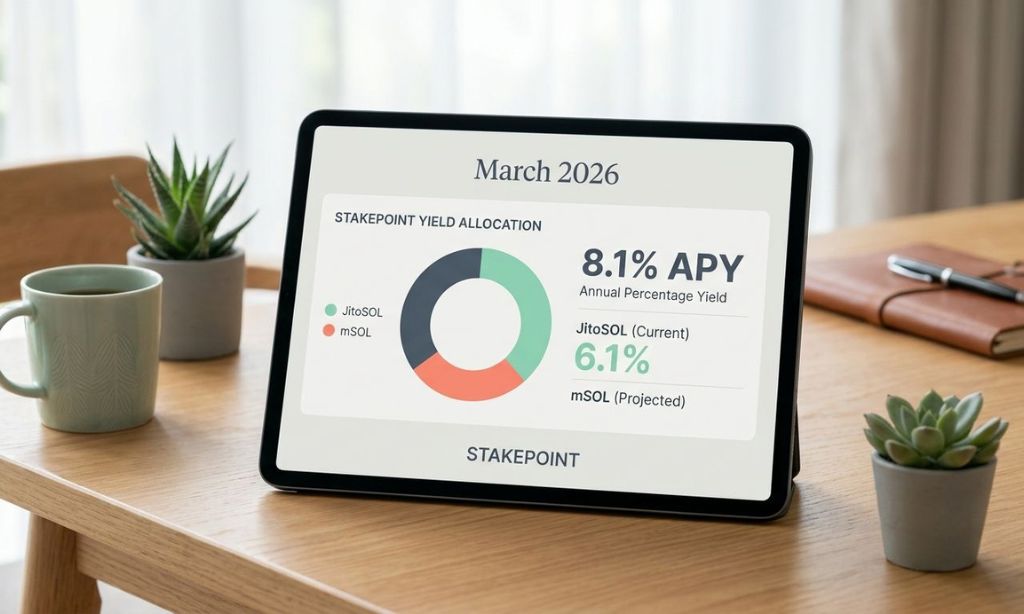
- Consider liquid staking tokens if you want more flexibility. According to March 2026 staking yield data from StakePoint, tokens like Jito (JitoSOL) and Marinade (mSOL) currently provide yields between 6.1% and 8.1% APY. They also bypass the standard 2-to-3 day epoch lock-up period that comes with native staking, so you keep access to your funds.
- Monitor your validator’s performance to make sure it stays active and reliable for consistent earnings.
- Reinvest your rewards by staking additional SOL to compound your gains faster.
- Compare your APY across different validators to maximize your annual percentage yield on your investment.
Tips for Maximizing Staking Rewards
You can grow your SOL holdings faster by making smart choices about how you stake. These strategies work because they use compound interest to your advantage.
- Keep staking and reinvest rewards: Compounding your earnings means your rewards generate more rewards over time. Avoid pulling your stake out early.
- Pick a reliable validator: A standard commission rate paired with strong uptime consistently outperforms a 0% commission validator that goes offline often.
- Use a Solana profit calculator: This helps you track exactly how much your staked SOL generates over time, so you know if your strategy is working.
- Monitor with a crypto portfolio tracker: Watch your gains and stay informed about performance changes as your position grows.
- Plan for taxes early: A free preview tax report helps you track crypto gains and losses throughout the year, so tax season doesn’t catch you off guard.
- Choose transparent validators: Look for validators that communicate openly about their operations, rewards, and any changes to their commission structure.
Small, consistent actions compound into big results over time. Set your stake, check your validator regularly, and let the Solana network do the work for you.
Alternatives to Solana Staking
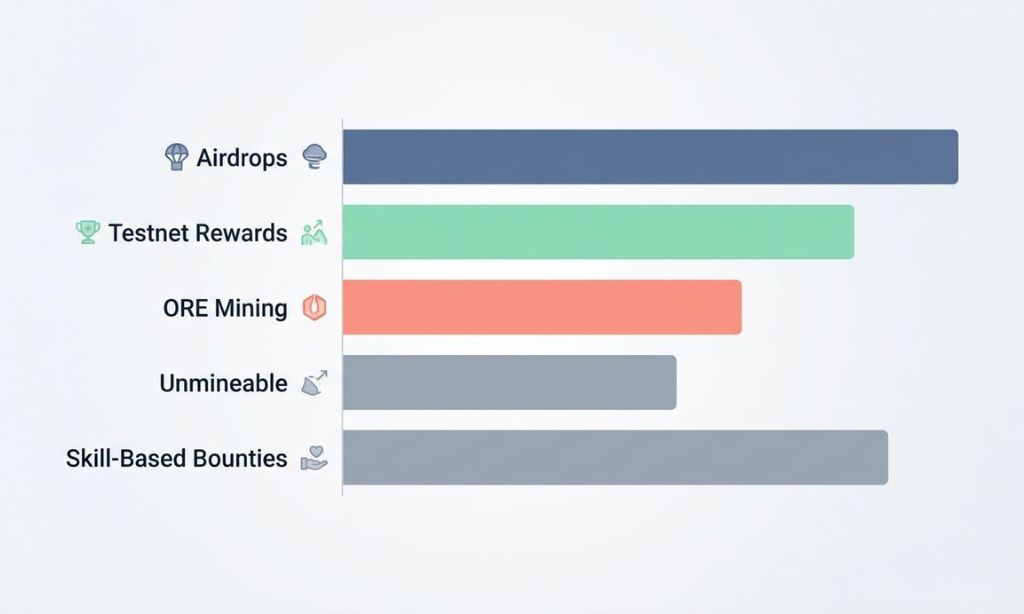
Beyond staking, plenty of ways exist to earn Solana without locking up your tokens or waiting for validator rewards.
| Method | How It Works | Key Details |
|---|---|---|
| Airdrops | Projects distribute free SOL to community members and early supporters. | Common method for earning SOL without any investment. Rewards come directly to your wallet. |
| Testnet Rewards | Participate in blockchain testing phases and earn SOL payouts. | Projects pay testers for finding bugs and providing feedback. The work is compensated fairly. |
| Referral Promotions | Invite friends to platforms and earn SOL commissions. | Each successful referral brings SOL to your account. Some platforms reward both the referrer and the new user. |
| ORE Mining | Mine the ORE token, a Solana-native cryptocurrency, then swap it for SOL on Jupiter exchange. | ORE v2 launched October 22, 2025 with a strategic 5×5 grid format. Only one block wins each round; the other 24 blocks lose their deployed SOL. Financial risk is real and substantial. |
| Unmineable Platform | Mine other cryptocurrencies through Unmineable and receive payouts directly in Solana. | Convert mining power into SOL earnings. No need to sell mined coins separately. |
| Skill-Based Bounties | Offer services like design, development, or marketing through bounty platforms like Superteam. | Superteam’s bounty program pays contributors in SOL for completed work. Skills get monetized directly. |
| Trading Fee Rewards | Platforms like Prerich reward users with a share of trading fees paid in SOL. | Passive income flows in as other traders use the platform. No active participation required after joining. |
ORE mining carries serious financial consequences, so go in with your eyes wide open. According to late 2025 on-chain data analyzed by Blockworks Research and DropsTab, ORE v2 players face a 24-in-25 chance of losing their entire deposit in any given round. On top of that, 10% of all SOL deposits go toward buying back and burning ORE tokens. This is a high-risk activity, not a passive income strategy.
Airdrops, testnet work, and referrals offer low-risk entry points for earning SOL. These paths require minimal setup and zero upfront investment.
Superteam bounties work well if you have marketable skills. Designers, writers, and developers find steady income opportunities there. Prerich’s trading fee model suits passive income seekers, with earnings that grow as trading volume increases on the platform.
Final Words
You now know the truth: Solana cannot be mined like Bitcoin. The blockchain uses Proof of Stake, not Proof of Work, so traditional sol mining simply does not apply here.
Your best path forward is staking SOL through wallets like Phantom or Solflare, where you earn rewards between 3-10% while helping secure the network. Liquid staking tokens like JitoSOL and mSOL offer even more flexibility with competitive yields and no epoch lock-up wait.
If you want to try something different, ORE offers a game-like experience on the Solana blockchain. Just go in knowing the financial risk is real, since only one block wins each round in the 5×5 grid format.
Start small, pick the method that fits your goals, and watch your Solana grow.
FAQs on How to Mine Solana
1. Can you mine Solana directly?
No, you can’t mine Solana like you would Bitcoin. Solana uses a Proof of Stake consensus mechanism combined with Proof of History, which means it doesn’t require mining hardware at all.
2. How does Solana work if you can’t mine it?
Solana uses staking instead of mining to validate transactions and secure the network. Validators stake their SOL tokens and are rewarded for processing transactions and adding new blocks to the chain.
3. What is staking, and how does Solana staking work?
Staking means you lock up your SOL tokens to help secure the network and validate transactions. In return, you earn rewards that typically range from 5% to 7% annual percentage yield, depending on network conditions.
4. How can you get free Solana?
You can earn free SOL through crypto learning platforms like Coinbase Earn, participating in airdrops, or earning rewards on DeFi platforms. Just be cautious of any site promising free mining since Solana can’t actually be mined.
5. Is Solana a safe investment given its volatility?
Solana, like most cryptocurrencies, experiences high price volatility and can swing significantly in short periods. To protect your investment, always use multi-factor authentication on your wallet and exchange accounts. Only invest what you can afford to lose, and consider consulting a financial advisor.
6. Do you have to pay crypto taxes on Solana staking rewards?
Yes, in the United States, the IRS treats staking rewards as taxable income at the time you receive them. You’ll need to report the fair market value of your rewards on your tax return.