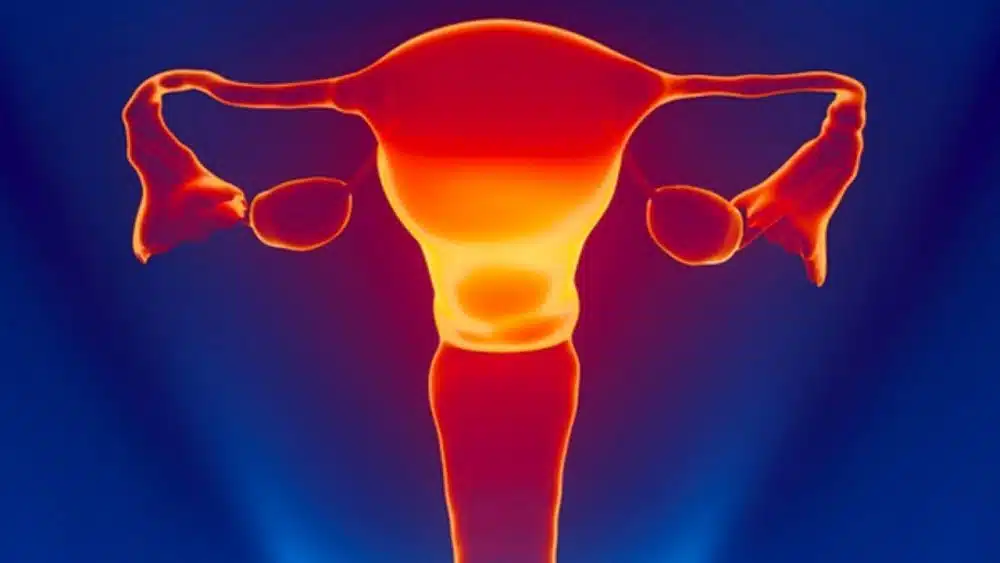
Hysterectomy, in the simplest terms, is the surgery to remove the uterus from a female’s body. The uterus, also known as the womb, is one of the primary organs of the female reproductive system. It is the ‘home’ to the unborn baby and the place where the child grows and develops. But, with age, multiple childbirths, or other numerous reasons, a woman’s uterus may develop different functionary abnormalities and cause symptoms like unbearable abdominal cramps, excessive blood loss, pain during sexual intercourse, nausea, vomiting, urinary tract infections, or increased pain and irritation in doing something as simple as peeing.
While as the first line of treatment, gynecologists always suggest alternative forms of treatment, at times, in cases of extreme severity, hysterectomy surgery remains the only definitive resolve. This is precisely the reason why it is the most common surgery for women in their late 40-the the 50s and the second most performed surgery for women across the globe.
But, removing the uterus also invariably means removing a woman’s biological capacity to birth a child. It is major surgery and an emotionally heavy decision. Therefore, the question-
- What exactly does hysterectomy solve?
- Is hysterectomy the only final solution?
- Can we delay the surgery?
To understand each, let’s take a look through the four most common gynecological diseases related to the uterus, their respective treatment options, and the impact of delay in hysterectomy to each:
1. Symptomatic Uterine Fibroids (Leiomyomas)
What are they?
Uterine fibroids, also commonly called myomas, are small growths that may form through your uterus and distort its shape, size and function. Depending on their severity, they could be one/ multiple, benign or malignant. As a result, they may cause extreme pelvic pain, excessive menstrual blood, uterine infections, frequent urinary tract infections, nausea, constipation, and in rare cases- infertility.
Can fibroids be resolved without hysterectomy?
Yes, however, once formed, fibroids can never be permanently removed without surgical intervention and almost always require hysterectomy as a final resolute in case of severe or malignant leiomyomas.
Medications:
As the first line of treatment, patients are counseled for pain relievers, hormonal medications, or Progestin-releasing intrauterine device (IUD). While medications do not dissolve the fibroids, they do help shrink their size and manage pain.
Alternative surgical options:
- Uterine artery embolization: As the name suggests, small embolizing agents are injected into the arteries running blood to the patient’s uterus. As this disables the blood flow, it leads to a gradual shrinkage and death of the fibroid.
- Radiofrequency ablation: Here, the radiofrequency sound waves are used to destroy the marked fibroid and shrink the surrounding blood supplying vessels.
- Myomectomy: Here, your doctor surgically removes the marked fibroids, leaving the uterus in place.
Conservative methods work great as a treatment in cases of tiny, benign or mildly symptomatic fibroids and are hence always the first line of approach. According to a report published by JMIG, 2019, “These treatments have been shown to alleviate symptoms of benign gynecologic conditions and to provide similar rates of patient satisfaction and quality of life as are associated with hysterectomy”.However, hysterectomy remains the only definite solution if
- The woman is past her childbearing age (>45-50 years): Here, the fibroid could be malignant and risk cancer.
- The fibroids are severe, multiple, or larger: This indicates pathological uterus, raises the chances of frequent reccurrence, potential preoperative morbidity, and risks turning malignant.
Impact of delay in hysterectomy
The impact of delay is directly related to the severity of your fibroids. In cases of severely symptomatic/ cancerous myomas, the delay only worsens the condition, risks frequent readmission and reduces the quality of life.
2. Endometriosis:
What is it?
Endometriosis is a rare condition where the tissues and cells that grow inside the uterus start growing outside it, that is, on the outer wall, fallopian tubes, ovaries, or any other surrounding organ. The condition is usually very painful, marks a constant abdominal heaviness, intense menses, nausea, and frequent Urinary Tract Infections. Here too, hysterectomy serves as a definitive solution.
Can endometriosis be resolved without hysterectomy?
Yes, while hysterectomy offers a more definitive and permanent solution, reports find alternative treatments equally supportive for symptomatic relief. In cases of lesser severity/ women who are planning birth, multiple conservative options may be tried, including-
Medicine/ alternative treatment options:
Endometrial growth is directly related to a woman’s hormones. The rise and fall of each lead to additional growth, thickening, breakdown, and bleeding. Therefore, any medicine/ therapy targeted at hormonal control can help relieve the pain substantially. However, note that these treatments are only temporary and shall dissolve their effect when stopped.
A few medicines/ treatment options include-
- Pain Relievers
- Hormonal Contraceptives
- Levonorgestrel Intrauterine Device (IUD)
- Hormone Therapy
Definitive solution and impact of delay in hysterectomy
While the symptoms and pain can be effectively relieved through lifestyle changes, exercises, and hormonal medications, hysterectomy rests as the only definitive resolute in the long term. This is why patients are suggested to plan the surgery soon after their fertility plans. Any delay only results in frequent episodes of unbearable pain, cramping, bleeding, and nausea. Dysmenorrhea, pain during sex, regular constipation and frequent Urinary Tract Infections are some of the other impacts of delay. Also though rare, the delay may also result in both- ovarian cancer and endometriosis-associated adenocarcinoma.
3. Irregular, excessive, or painful menstrual bleeding (Dysmenorrhea):
What is it?
When a woman’s menstrual cycle extends abnormally longer, becomes irregular or causes unbearable pain, the reasons can be many. One of them is- Dysmenorrhea. This is when your uterus contracts too strong and frequently and marks unbearable cramping and pain.
Can dysmenorrhea be resolved without hysterectomy?
Yes, when benign, dysmenorrhea does not necessarily require a hysterectomy and alternate treatments can prove equally as helpful to relieve symptomatic pain.
Medications and alternate treatments
- Pain relievers
- Hormonal birth control
- Hormonal oral medication
- Levonorgestrel Intrauterine Device (IUD)
Impact of delay in hysterectomy for dysmenorrhea
While medications and lifestyle changes can help manage the symptomatic pain, dysmenorrhea, too, like other uterus-related gynecological diseases, is best permanently solved with hysterectomy. A very direct impact of delay in the procedure includes frequent episodes of severe pain, abdominal heaviness, abnormally regular urinary tract infections, constipation, pain during sex, and frequent hospital readmission.
4. Uterine Prolapse:
As the name suggests, uterine prolapse is a health condition where the uterus sags out of its normal position and slips into the vaginal canal or out of it. While alternative treatments may be suggested at primary stages, if the uterus has prolapsed more than 1 cm, hysterectomy remains the only definitive solution and is recommended at the earliest. Any delay only results in severe pain, pelvic infection, cervix infection, and risk of other pelvic organ prolapses.
Final word :
While hysterectomy may not always be the first line of treatment, it is most often the final and definitive resolve. This is precisely because the alternate forms of treatment only either help manage the pain, shrink the size of the problem site, or provide temporary relief. This is why, JMIG, 2019 records that the patients with delayed hysterectomy mark potential preoperative morbidity and frequent hospital readmissions.
Statistics around the globe mark ‘hysterectomy’ as the second most common surgery performed on women. While this proves the importance, commonality, and effectiveness of the surgery, it also marks the underutilization of alternative treatments.
To conclude, in the words of a senior gynecologist at Pristyn Care:
“While best performed as a final and never the first line of treatment, Hysterectomy is definitely the one stop and definitive solution to a variety of severe gynecological diseases.
So, if you are over the age of 45-50 years, nearing or entered menopause, decided on your family planning, or are suffering from severely painful gynecological disease, it is best you trust hysterectomy for final resolute the earliest possible. The timely diagnosis and treatment would not help reduce your current/ recurrent pain, but also save you from the risk of developing various critical forms of malignant tumors and cancer.”