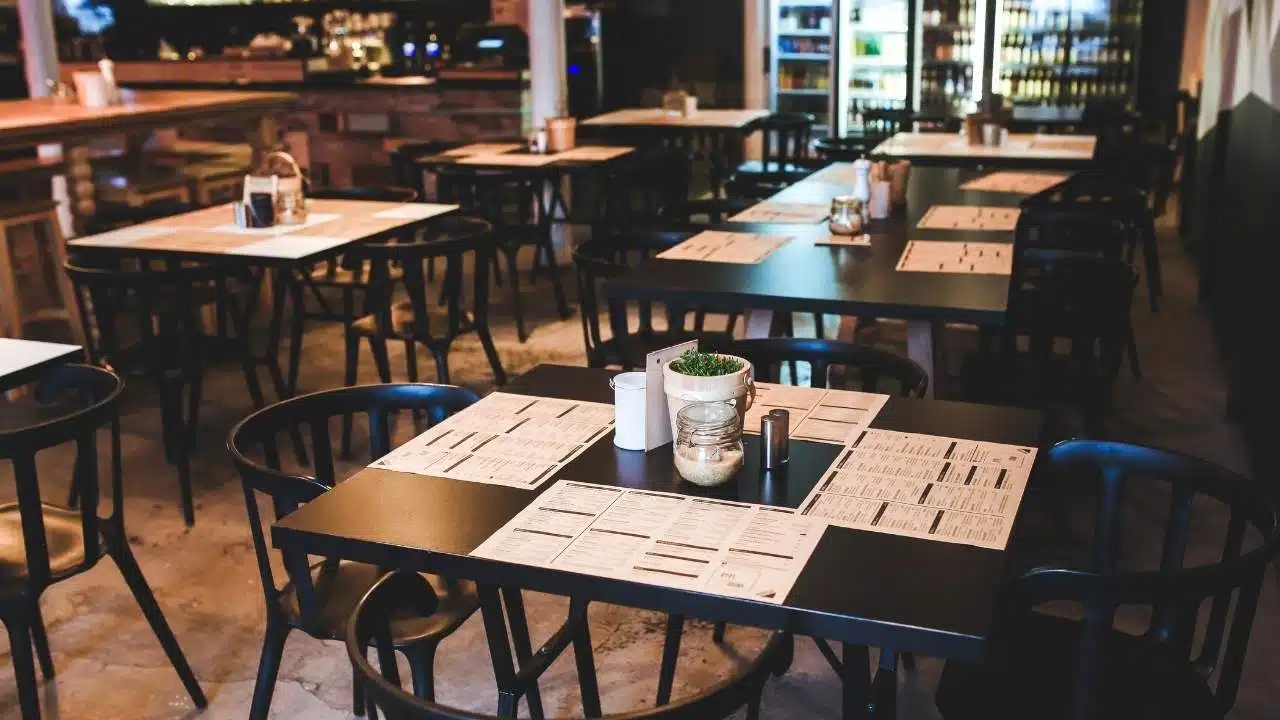
Comfort is one of the most important factors when selecting restaurant furniture, as it directly influences how long guests stay and how enjoyable their dining experience feels. Ergonomic restaurant furniture supports proper posture, reduces strain, and accommodates a wide range of body types. Chairs should provide adequate back support, comfortable seat depth, and appropriate height in relation to tables.
Booth seating should allow enough legroom while offering cushioning that remains supportive over time. Comfort-focused restaurant furniture also helps reduce customer fatigue during longer meals, encouraging repeat visits. Beyond guest comfort, ergonomic design benefits staff as well by improving movement flow and reducing obstacles. Investing in comfortable, well-designed restaurant furniture creates a welcoming environment that keeps diners relaxed while supporting efficient service throughout the day.
Choosing Durable Materials for Long-Lasting Restaurant Furniture
Durability is essential when selecting restaurant furniture that can withstand constant use. Commercial dining environments expose furniture to spills, heavy weight, frequent cleaning, and daily movement. Materials such as solid hardwood, metal frames, laminate surfaces, and high-quality engineered wood are popular for their strength and resistance to wear. Upholstered restaurant furniture should feature commercial-grade fabrics or vinyl that resist stains and tearing. Outdoor restaurant furniture requires weather-resistant materials like aluminum or treated wood. Selecting durable materials reduces repair and replacement costs over time while maintaining a professional appearance. Long-lasting restaurant furniture not only supports smooth operations but also preserves the restaurant’s aesthetic, ensuring seating and tables look appealing even after years of heavy use.
Balancing Style and Function When Selecting Restaurant Furniture
While durability and comfort are essential, style plays a key role in choosing restaurant furniture that reflects your brand identity. Furniture design should align with your restaurant’s theme, whether it’s modern, rustic, casual, or upscale. However, visual appeal should never come at the expense of functionality. Chairs and tables must support efficient service, easy cleaning, and flexible seating arrangements. Functional restaurant furniture includes features like stackability, lightweight frames, and surfaces that resist stains. Blending style and function ensures your restaurant looks inviting while remaining practical for daily operations. Well-balanced restaurant furniture enhances ambiance, supports workflow, and creates a cohesive dining experience that appeals to customers without compromising efficiency.
Evaluating Table and Chair Construction for Daily Commercial Use
Construction quality is a key indicator of how well restaurant furniture will perform over time. Commercial-grade tables and chairs are built with reinforced joints, sturdy frames, and stable bases to handle frequent use. Welded metal frames and mortise-and-tenon joints in wooden furniture provide added strength. Table bases should be heavy enough to prevent tipping while allowing sufficient legroom. Chairs should support repeated movement without loosening or wobbling. Evaluating construction details helps restaurant owners avoid furniture that wears out quickly or becomes unsafe. High-quality restaurant furniture construction ensures reliability, safety, and consistent comfort, making it a worthwhile investment for busy dining environments with high customer turnover.
How Restaurant Furniture Maintenance Impacts Longevity
Proper maintenance plays a significant role in extending the lifespan of restaurant furniture. Regular cleaning, prompt spill removal, and routine inspections help prevent long-term damage. Using appropriate cleaning products for different materials—wood, metal, upholstery, or laminate—keeps surfaces looking new. Tightening screws, replacing worn glides, and repairing minor damage early can prevent costly replacements. Choosing restaurant furniture with easy-to-clean surfaces and replaceable parts simplifies maintenance efforts. Staff training on proper handling and cleaning procedures further protects furniture from unnecessary wear. Consistent maintenance not only improves longevity but also ensures your restaurant maintains a clean, professional appearance that enhances guest confidence and comfort.
Budget Planning Tips for Investing in Quality Restaurant Furniture
Budget planning is essential when investing in restaurant furniture, as quality furniture is a long-term asset rather than a short-term expense. While lower-cost options may seem appealing, they often require frequent replacement, increasing overall costs. Allocating budget toward durable, commercial-grade furniture delivers better value over time. Consider total ownership cost, including maintenance, repairs, and lifespan. Prioritizing essential items like tables and chairs first helps manage spending effectively. Buying in bulk or choosing modular restaurant furniture can also reduce costs. Strategic budgeting ensures you invest in restaurant furniture that balances affordability, durability, and comfort, supporting sustainable growth and consistent customer satisfaction.
Takeaways
Choosing the best restaurant furniture for comfort and longevity requires careful consideration of ergonomics, materials, construction quality, and maintenance needs. Comfortable seating enhances guest satisfaction, while durable materials ensure furniture withstands daily wear. Balancing style with function allows restaurants to create visually appealing spaces that remain practical and efficient.
Evaluating construction details and committing to proper maintenance further extend furniture lifespan. Smart budgeting helps restaurant owners invest in quality furniture that delivers long-term value rather than short-term savings. By making informed decisions, restaurant furniture becomes a powerful asset that supports brand identity, improves customer experience, and contributes to smooth operations. Thoughtful furniture selection ultimately helps create inviting dining spaces where guests feel comfortable returning again and again.