In recent years, the world has seen an extraordinary rise in the utilization of artificial intelligence (AI) in various fields, from healthcare to finance, from entertainment to transportation, partially due to the 4.0 revolution and the worldwide competition for digital transformation. This global AI wave is also shaping the future of Vietnam, a dynamic and rapidly developing nation in Southeast Asia. Known for its youthful population, high literacy rate, and strong inclination towards technology adoption, Vietnam stands poised to harness the potential of AI in transformative ways.
This article explores the burgeoning impact of AI in Vietnam, the country’s readiness in terms of infrastructure, human resources, and policies, as well as the potential challenges and solutions. We delve into how AI’s promise could resonate across Vietnam’s vibrant industries, influencing and propelling them toward unprecedented growth. As we tread into a future where technology serves as the bedrock of societal advancement, understanding the trajectory of AI software development services in Vietnam becomes a matter of global interest.
Why Vietnam?
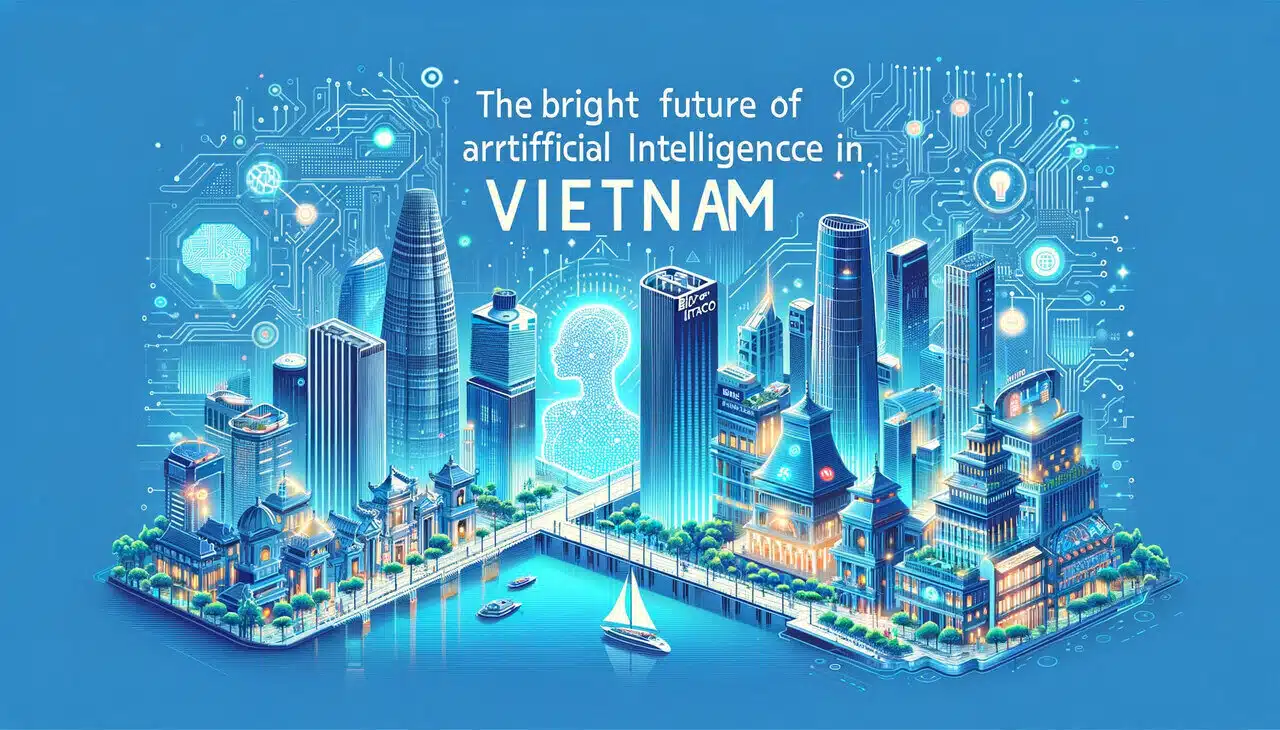
The future of AI in Vietnam is bright. In recent years, Vietnam has emerged as a significant hub for technology, particularly in the field of artificial intelligence. This robust advance can be attributed to a combination of government initiatives, a young and tech-savvy population, and a burgeoning tech startup ecosystem. With a lot of advantages (both structural and cultural) in its pocket, Vietnam has garnered the attention of global tech giants like Google, Samsung, Microsoft, and Intel, who have all invested in research and development centers in the country. This influx of top talent and investment is a testament to Vietnam’s potential as an AI powerhouse.
Infrastructure
Vietnam is rapidly catching up with other developed countries when it comes to infrastructure. With government initiatives to build up smart cities and improved internet connectivity, the country is well-positioned for AI integration. In terms of data centers, Vietnam has seen a significant increase in investment from global tech companies, signaling its emergence as a regional data hub. This will provide crucial support for AI development, which relies heavily on large amounts of data.
Human Resources
One of Vietnam’s greatest strengths is its human resources. The country has a high literacy rate, and the majority of its population is under 35 years old, making it an ideal tool for developing technical talent. With a strong emphasis on education and an increasing number of universities offering AI-related courses, Vietnam is actively preparing its tech workforce to meet the demands of the future.
Policies
The government has taken a proactive stance towards AI, recognizing its potential and making concerted efforts to promote its development. To support the growth of AI, Vietnam has also implemented several policies and initiatives. The Ministry of Science and Technology has established a National Steering Committee on Artificial Intelligence to coordinate efforts in developing AI-related infrastructure, research, and data governance. Moreover, the government offers tax incentives for businesses investing in AI development.
Challenges and Solutions
While there are many promising developments in Vietnam’s AI landscape, there are also challenges that must be addressed. One major concern is the lack of awareness and understanding of AI among the general population, leading to a lack of trust in utilizing AI technologies. To counter this, there is a need for more education and transparency around AI. Another hurdle is the shortage of technical talent, which can be tackled by investing in training programs and attracting skilled professionals from overseas.
 The Potential Impact on Vietnam’s Industries
 The Potential Impact on Vietnam’s Industries
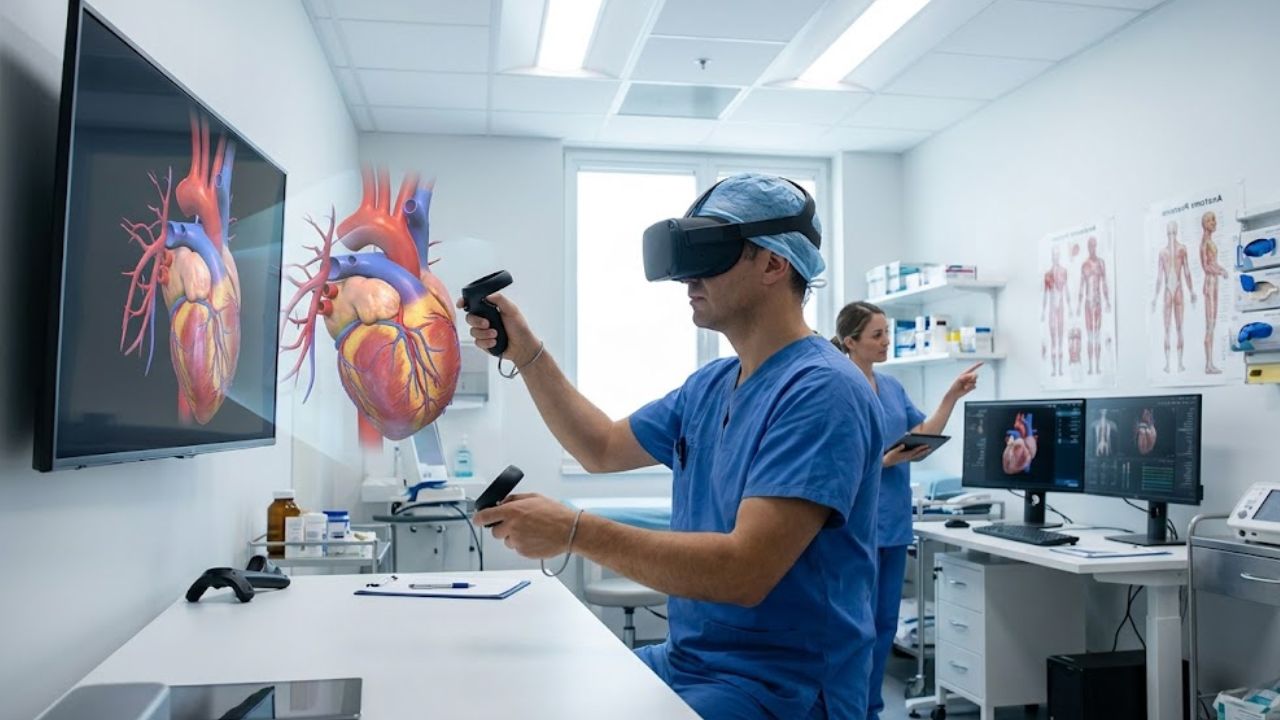
AI technologies hold the potential to revolutionize various industries in Vietnam, particularly in agriculture, healthcare, finance, and manufacturing. In agriculture, AI can help optimize crop yields through predictive analytics and precision farming. In healthcare, AI-powered solutions can improve diagnostic accuracy and streamline processes for better patient care. In the financial sector, AI can assist with fraud detection, risk assessment, and personalized customer experiences. In manufacturing, AI can enhance supply chain management and quality control processes. In short, AI has boundless potential to bring innovations to many fields within the S-shaped country.
What Are AI Technologies Capable of Today and Tomorrow?

AI technologies have evolved tremendously over the last decade, ushering in an era of unprecedented technological capabilities. Currently, AI can perform tasks that involve complex decision-making, interpretation, and even creative thinking – roles once believed to be exclusive to the human intellect.
Machine learning and Deep Learning
ML and deep learning are the two of the most widely used AI technologies today. ML algorithms enable computer systems to learn from data without being explicitly programmed. Deep learning, conversely, is a subset of machine learning technology that leverages artificial neural networks to analyze complex patterns in data. These technologies are used in a variety of applications, including speech recognition, image and video analysis, and natural language processing.
Predictive Analytics
Predictive analytics is the utilization of advanced statistical algorithms and ML techniques to give predictions about upcoming events. In the business realm, predictive analytics is used to identify potential threats and opportunities, optimize processes, and improve decision-making. In the healthcare sector, predictive analytics is in practice to analyze patient data and predict the likelihood of diseases.
Robotic Process Automation (RPA)
RPA is another AI technology that is rapidly transforming various industries. This technology enables organizations to automate routine tasks such as data entry, data processing, and email handling. With RPA, organizations can free up employees from mundane tasks, allowing them to put their minds on more important activities.
Natural Language Generation (NLG)
NLG is an AI technology that converts data into natural language. For example, ChatGPT. This technology enables computers to write reports, news articles, and other documents in a natural language that is understandable to humans. This technology is used in various fields, including content creation, finance, and healthcare.
Autonomous Systems
Autonomous systems are AI-enabled systems that can perform tasks without human intervention. These systems can study their environment and make decisions based on the data available. Autonomous systems are widely used in transportation, agriculture, and manufacturing.
In the past decade, AI has evolved from a crude idea to a technology that has taken over various industries. The technology is both exciting and intimidating, and its true potential will continue to be unearthed as time passes. With this post, we have presented the relevant capabilities of the technology today and tomorrow. As such, it is our hope that we have inspired and informed you of the many possibilities that AI represents for us moving forward.