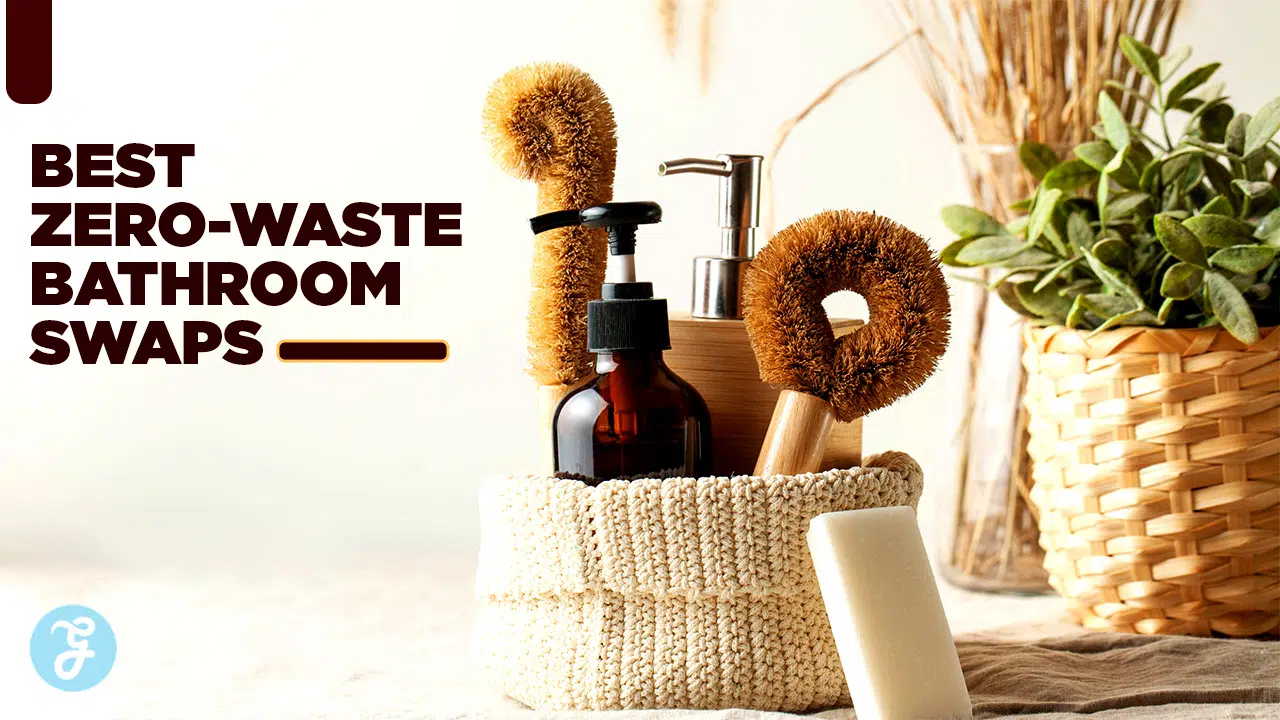
Transforming your personal care routine in 2026 is no longer about making sacrifices. It is about upgrading to high-performance and plastic-free alternatives. The best zero-waste swaps for your bathroom have evolved into sophisticated and durable tools that often outperform their disposable counterparts. By eliminating single-use plastics from your morning ritual, you significantly reduce your environmental footprint while often saving money in the long run.
The 2026 sustainability movement focuses on “Circular Personal Care.” This means choosing products designed to be refilled or composted rather than downcycled. The best zero-waste swaps for your bathroom 2026 mentioned in this guide prioritize materials like bamboo and glass and infinitely recyclable aluminum. Transitioning to a low-waste bathroom is one of the most impactful ways to align your daily habits with a healthier planet.
Selection Criteria For Our Top Rankings
We evaluated dozens of sustainable swaps based on their durability and ease of transition. Our team prioritized products that require minimal habit changes while delivering maximum plastic reduction. The following table illustrates the weighting system we applied to determine the top contenders for 2026.
| Criterion | Weighting |
| Plastic Reduction Impact | 40% |
| Durability & Lifespan | 30% |
| User Experience & Comfort | 20% |
| Cost-Effectiveness | 10% |
Analyzing The 12 Best Zero-Waste Swaps for Your Bathroom 2026
The following selections represent the most effective and user-friendly swaps for a modern and plastic-free bathroom. Each item has been chosen for its ability to replace a common disposable product without compromising on quality or hygiene. These tools provide the foundational steps for a truly sustainable home.
1. Safety Razors
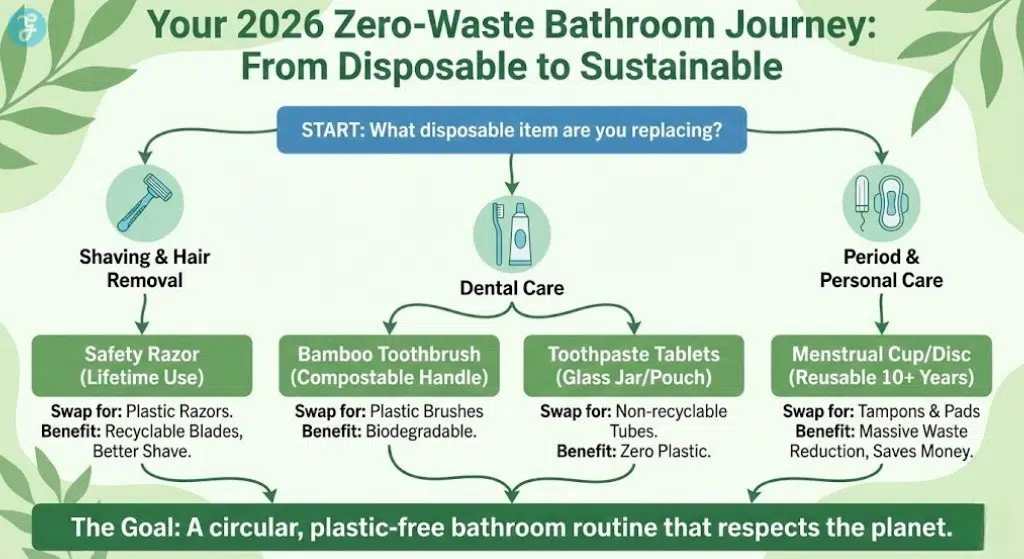
The safety razor is the ultimate zero-waste investment for 2026. Unlike disposable plastic razors that end up in landfills by the billions, a high-quality metal razor can last a lifetime. You only need to replace the stainless steel blades which are infinitely recyclable. It provides a much closer shave and reduces skin irritation. It is a vital resource for anyone looking to eliminate one of the biggest sources of bathroom waste.
Special Features:
-
Durable weighted handle for better control and closer shave
-
Universal blade fitment allowing you to choose your preferred sharpness
-
Eliminates thousands of plastic cartridges over its lifespan
Things To Consider:
-
Requires a slight learning curve to avoid nicks
-
Blades should be collected in a “blade bank” before recycling
Best For: Long-term cost savings and a premium shaving experience
2. Shampoo and Conditioner Bars
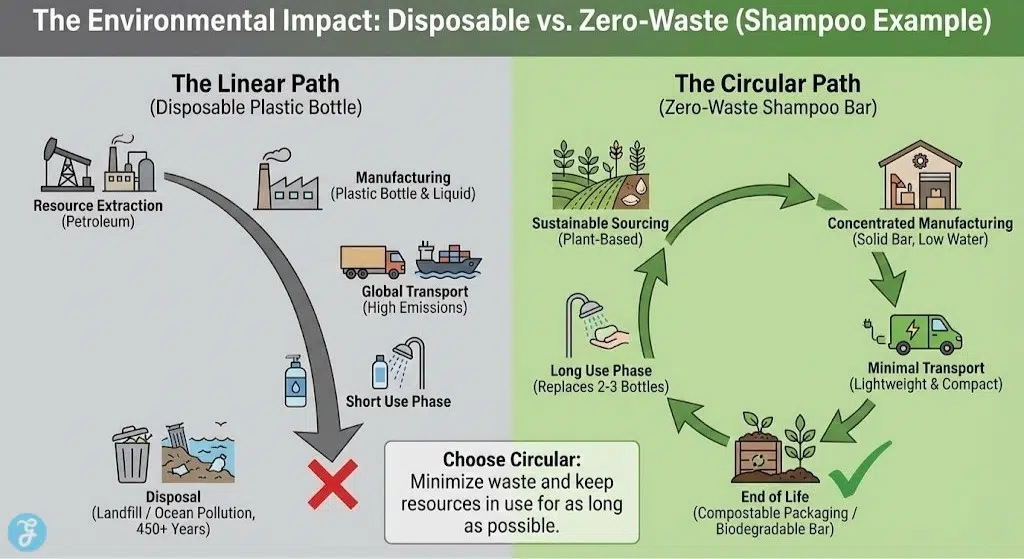
Solid hair care bars have reached professional-grade performance in 2026. These concentrated bars eliminate the need for plastic bottles and are often made with cleaner and more natural ingredients. One high-quality bar typically replaces two to three standard liquid bottles. They are incredibly space-saving and are perfect for travel since they are not subject to liquid restrictions. They simplify the bridge between luxury hair care and environmental ethics.
Special Features:
-
pH-balanced formulas that don’t require a transition period
-
Completely plastic-free and often wrapped in compostable paper
-
Highly concentrated and lasts much longer than liquid alternatives
Things To Consider:
-
Must be kept dry between uses in a draining soap dish
-
Some hair types may need specific formulas like “volumizing” or “hydrating”
Best For: Travelers and those looking to clear bottle clutter from the shower
3. Bamboo Toothbrushes
Switching to a bamboo toothbrush is the easiest entry point into zero-waste living. Since dentists recommend replacing your brush every three months, the plastic waste adds up quickly. Bamboo is a fast-growing and biodegradable material that can be composted at the end of its life. In 2026, many brands offer “charcoal-infused” bristles for better whitening and antimicrobial properties. It is a masterclass in making a small change with a large cumulative impact.
Special Features:
-
Naturally antimicrobial bamboo handle that is fully compostable
-
Ergonomic designs that match the comfort of traditional brushes
-
Available in various soft and medium and hard bristle options
Things To Consider:
-
Most bristles are still made of nylon and must be removed before composting the handle
-
Bamboo handles should not be left sitting in a pool of water
Best For: Beginners starting their zero-waste journey
4. Toothpaste Tablets
Toothpaste tubes are notoriously difficult to recycle because they are made of layers of plastic and aluminum. Toothpaste tablets are a dry and mess-free alternative that comes in glass jars or compostable pouches. You simply bite one and brush with a wet toothbrush to create a familiar lather. In 2026, these tablets are formulated with nano-hydroxyapatite or fluoride to ensure your dental health is protected while the planet is respected.
Special Features:
-
Perfectly portioned and no more squeezing the end of a tube
-
Ideal for travel and camping since they are lightweight and dry
-
Often contain natural and effective whitening agents
Things To Consider:
-
The texture can be surprising for the first few uses
-
Requires a dry container to prevent them from dissolving
Best For: Eco-conscious travelers and minimalist bathrooms
5. Reusable Menstrual Products
Menstrual cups and discs and period underwear are revolutionary zero-waste swaps for 2026. A single menstrual cup can last up to ten years, replacing thousands of tampons and pads. They offer more hours of protection and are made of medical-grade silicone which is safer for the body. This swap represents one of the largest potential reductions in personal waste over a lifetime. It reveals the intent behind “empowerment” by providing freedom from monthly disposable costs.
Special Features:
-
Up to 12 hours of leak-free protection
-
Saves thousands of dollars over a decade of use
-
Eco-friendly and comfortable alternatives like period underwear for lighter days
Things To Consider:
-
Requires initial experimentation to find the perfect size and fit
-
Needs to be sanitized in boiling water between cycles
Best For: Reducing long-term waste and saving money on feminine care
6. Silk or Bamboo Floss
Traditional dental floss is often made of nylon or Teflon coated in petroleum-based wax. Zero-waste floss is made from natural silk or bamboo fiber and comes in a refillable glass or stainless steel dispenser. In 2026, these natural fibers are coated in plant-based candelilla wax and flavored with real essential oils. It is a great user experience for those who want a plastic-free way to maintain their gum health.
Special Features:
-
Fully biodegradable fiber that can go in your home compost
-
Beautiful and durable dispensers that are meant to be kept forever
-
Strong and effective for tight spaces between teeth
Things To Consider:
-
Silk floss is not vegan (bamboo or corn-based options are available)
-
Refills are often sold in small cardboard boxes or paper envelopes
Best For: Plastic-free dental hygiene and minimalist aesthetics
7. Refillable Deodorant
Standard deodorant tubes are complex multi-material items that are rarely recycled. Refillable systems use a permanent and often beautiful stainless steel or glass case with compostable refills. In 2026, many zero-waste deodorants are baking soda-free to accommodate sensitive skin while using probiotics to fight odor naturally. It bridges the gap between effective personal care and high-end sustainable design.
Special Features:
-
Premium and durable casing that looks great on a vanity
-
Plastic-free refills that are easy to swap in and out
-
Clean and natural ingredient lists without aluminum or parabens
Things To Consider:
-
The initial purchase of the case is more expensive than a disposable stick
-
Natural formulas may take a week for your body to adjust to
Best For: High-end design lovers and those with sensitive skin
8. Washable Makeup Remover Pads
Disposable cotton rounds are used for a few seconds and then tossed away. Reusable pads made of bamboo or organic cotton can be washed hundreds of times in a laundry bag. In 2026, these pads often come with a “terry” side for exfoliation and a “velour” side for sensitive areas like the eyes. They are a futuristic addition to a skincare routine that values efficiency and waste reduction.
Special Features:
-
Soft and gentle on the skin compared to some disposable options
-
Includes a mesh laundry bag for easy machine washing
-
Saves a significant amount of money over years of use
Things To Consider:
-
Requires a small extra step of including them in your laundry cycle
-
Waterproof mascara may require a pre-soak with oil
Best For: Skincare enthusiasts and daily makeup wearers
9. Wood or Bamboo Hairbrushes
Most hairbrushes are made of plastic and synthetic bristles that eventually break and end up in the trash. A brush with a wooden handle and natural or wooden bristles is durable and better for your hair. Wooden bristles stimulate the scalp and distribute natural oils without the static associated with plastic. In 2026, these brushes are a staple for those seeking a “slow beauty” routine.
-
Reduces hair breakage and static electricity
-
Fully biodegradable once the bristles and cushion are removed
-
High-quality craftsmanship that makes the brush feel like a luxury item
Things To Consider:
-
Requires occasional cleaning with mild soap and water
-
Wooden bristles can be firm and might take time to get used to
Best For: Improving hair health and reducing bathroom plastic
10. Bidets and Bamboo Toilet Paper
While a bidet is the ultimate goal for reducing paper waste, bamboo toilet paper is a much more sustainable alternative to traditional wood pulp. Bamboo grows 30 times faster than trees and doesn’t require pesticides. In 2026, bidet attachments have become incredibly affordable and easy to install on any standard toilet. It reveals the intent behind “hygiene” by providing a superior clean while saving forests.
-
Bidet attachments significantly reduce the need for toilet paper
-
Bamboo paper is plastic-free and often wrapped in recycled paper
-
Better for septic systems and generally softer than recycled tree paper
Things To Consider:
-
Bidets require a small plumbing installation (no tools usually needed)
-
Bamboo paper can be slightly more expensive than budget brands
Best For: Reducing forest footprint and improving bathroom hygiene
11. Natural Loofahs and Sisal Bags
Synthetic loofahs are essentially balls of plastic mesh that shed microplastics into the water and eventually land in the trash. A natural loofah is a dried gourd that provides excellent exfoliation and is fully compostable. Sisal bags are made from agave fiber and are used to hold soap scraps so you can use every last bit of your soap bar. They provide a great user experience by adding a rustic and natural feel to the shower.
Special Features:
-
100% plant-based and compostable at the end of their life
-
Sisal bags double as an exfoliator and a soap-saving tool
-
Dries faster than synthetic alternatives to prevent bacterial growth
Things To Consider:
-
Natural loofahs can be quite stiff when dry and need a good soak
-
Should be replaced every few months to maintain hygiene
Best For: Exfoliation lovers and those using bar soaps
12. Glass or Aluminum Soap Dispensers
Instead of buying a new plastic pump bottle every time you need hand soap, buy in bulk or use concentrated refills in a permanent glass or aluminum dispenser. In 2026, many companies sell “soap tablets” that you drop into your own bottle with water to create liquid soap. It reveals the intent behind “common sense” by stopping the shipment of water across the country in plastic containers.
Special Features:
-
Beautiful and heavy-duty designs that don’t slide around the sink
-
Compatible with eco-friendly soap concentrates and tablets
-
Eliminates the constant purchase of single-use plastic pumps
Things To Consider:
-
Glass can be a hazard in the shower (aluminum is safer for wet floors)
-
Requires a one-time investment in a high-quality pump mechanism
Best For: Kitchen and bathroom sinks and reducing household shipping waste
2026 Sustainable Bathroom Market Overview
The market has shifted toward “Refill-at-Home” models and solid concentrates. Most leading brands now offer subscription services for compostable refills, ensuring you never run out of essentials while keeping your trash can empty. This comparison highlights the primary advantages of the three major zero-waste categories in 2026.
| Category | Primary Advantage | Best For |
| Solid Bars | Zero Packaging & Travel-Ready | Shampoo and Body Wash |
| Reusable Tools | Infinite Lifespan | Razors and Menstrual Cups |
| Compostable Fiber | Soil-Safe Disposal | Toothbrushes and Loofahs |
How To Choose The Right Zero-Waste Swap
Choosing the right swap depends on whether you prioritize “Ease of Use” or “Maximum Environmental Impact.” You should start with the items you use most frequently to see the quickest results in your waste bin. This comparison matrix helps you align your specific lifestyle with the most appropriate eco-friendly hardware.
| Priority | Recommended Swap | Primary Benefit |
| Lowest Effort | Bamboo Toothbrush | Familiar Daily Habit |
| Biggest Waste Reduction | Menstrual Cup | Thousands of Disposables Saved |
| Best Travel Value | Shampoo Bar | No Liquid Restrictions |
| Longest Lifespan | Safety Razor | Buy Once, Use for Life |
Final Thoughts
Winning the battle for a zero-waste lifestyle in 2026 means making small and consistent upgrades to your environment. The best zero-waste swaps for your bathroom 2026 provide a practical way to enjoy your personal care routine without leaving a trail of plastic behind. By selecting high-quality and durable partners for your bathroom, you ensure that your self-care also takes care of the planet.