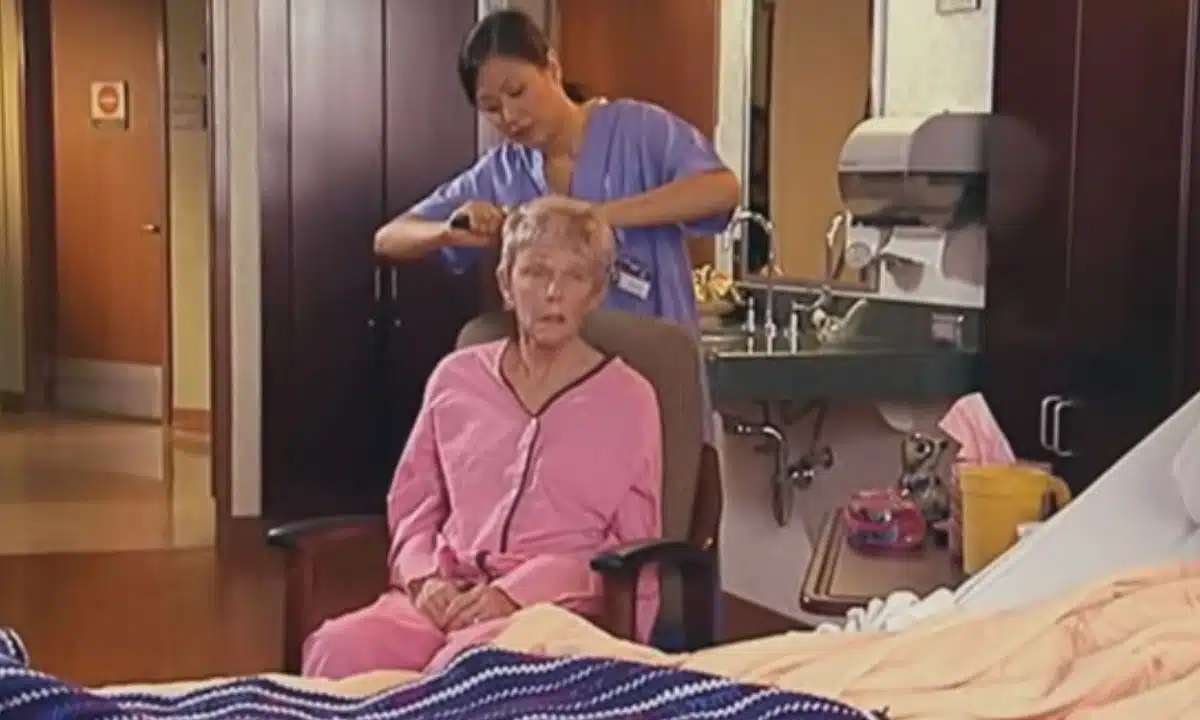
Nursing homes tend to your vulnerable loved ones. While most of these facilities deliver excellent care, some of them do not. In the event residents are abused or neglected, the results can be devastating.
Individuals are usually in nursing homes or other skilled nursing facilities because they need to be there. That is where they should receive the around-the-clock attention they require. You trust that they’re in a safe place, but how do you really know?
Vigilance is the key to preventing nursing home abuse. Not paying attention or turning a blind eye is simply unacceptable. So if you love someone who’s in care, protect that person. Here are three tips you can use to prevent nursing home abuse.
1. Know the Law and Use It
Most countries have laws prohibiting nursing home abuse and neglect. Moreover, most of them uphold enumerated rights of those in care. Those involve residents’ rights to privacy, communication, decision making, respect, adequate and appropriate care, and freedom from retribution.
U.S. states also legislate nursing home operations regarding such matters as staffing levels, staff training and licensure, hygiene, dietary requirements, and more. Licensure of facilities requires inspections and quality measures designed to ensure compliance with laws and regulations.
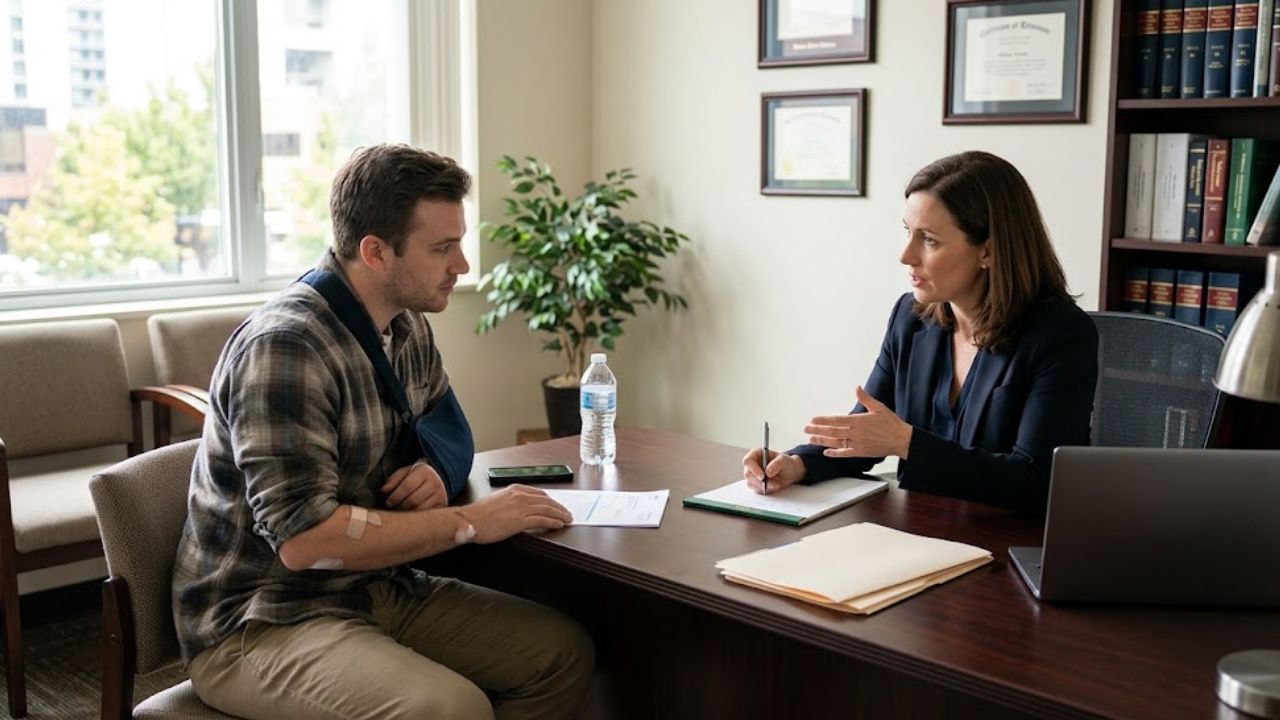
Obviously, laws are not enough to protect nursing home residents. If they were, bad things wouldn’t happen to them. That’s why even if you merely suspect a loved one is being abused, you should consult with a nursing home abuse lawyer. An experienced attorney knows federal and state laws, residents’ rights, and how to investigate and document abuse.
Homes in violation can be sued in civil court for damages incurred by abused residents and their families. And if nursing home staff commit a criminal offense, they can be prosecuted for those crimes as well.
Why is this important? Because civil and criminal prosecutions remove abusers from working in care homes. Moreover, the facility itself must take steps to ensure incidents do not recur. You may not be able to save your loved one from experiencing abuse, but you might save someone else.
2. Watch for the Signs
Every time you visit your friend or family member, watch for signs of nursing home abuse or neglect. Some are obvious, such as bruises, abrasions, swelling, rashes, noticeable weight loss, and uncleanliness. If the resident is bandaged, wrapped, or wearing a sling, ask why. Of course, older adults bruise more easily, their skin is fragile, and they lose their balance and fall. Nonetheless, never neglect to ask administrators about accidents, particularly if the resident has broken or dislocated bones.
A resident whose speech is slurred could be overmedicated or might have suffered an undiagnosed stroke. If there is obvious mental deterioration since your last visit, fearful behavior, or paranoia, talk to the resident’s doctor to find out why. Signs of fear or embarrassment should concern you, especially if your loved one is apprehensive when staff enter the room.
The signs of sexual abuse may be more difficult to spot. Unusual agitation or withdrawal may be signs. So are stained, torn, or bloodied underclothing or sheets. If the resident is scratching their genital or anal area or complains of pain or irritation there or on their breasts, contact the administrator at once. Request an immediate visit from the resident’s doctor.
Less obvious signs of abuse and neglect, such as dehydration or withheld medications, are more difficult to see. If your loved one suffers from dementia, getting answers from them when you ask questions may be challenging.
Watching for signs of possible abuse is the first step. Questioning the nursing home administrator about those signs is next. Never settle for an incomplete answer, and always challenge anything that doesn’t sound reasonable. Make time to stay with your loved one until you have received direction from a state elder abuse agency or adult safeguarding coordinator.
3. Listen, Observe, and Act
Always listen to your friend or family member if they complain of abuse, bullying, or neglect by staff. Nursing homes are obligated to protect residents from harm committed by other residents as well. Fully investigate claims the resident is making until you are satisfied that they are not true. And always make sure your loved one understands that you are taking them seriously.
Care homes should always provide copies of residents’ rights and information about reporting suspected abuse to someone outside the facility. If your loved one is mentally capable, have them provide written permission for you or someone else to have access to their medical records. This will allow the outside party to review records of falls, injuries, medication administration, and other information. If your loved one isn’t capable, ask the court to appoint a conservator.
Nursing home abuse isn’t always physical or emotional. Abuse can be financial as well. Your loved one should grant the proper authority via a power of attorney to a trusted individual to monitor their finances. In cases of mental incapacity, the court-appointed conservator will have access.
Residents have rights to certain protective measures, including the installation of “granny cams.” These cameras record and store footage from the resident’s room 24/7 and can be monitored remotely. Your loved one or the conservator must provide permission, along with permission from any roommate. But such surveillance measures can be strong deterrents against abuse and neglect.
Nursing homes are obligated to investigate accusations of abuse and to report them to the proper authorities. They are also required to remove staff who pose a potential danger to residents until the allegations are disproved. If allegations are corroborated, they are to be reported to specific agencies to keep such individuals from nursing home employment in the future.
Prevention Is Everybody’s Job
The more eyes there are watching for nursing home abuse, the fewer residents who will suffer from it. Be vigilant for your loved one, but also for those who may not have anyone looking out for them.