Accidents can happen even in the safest workplaces. When they do, the shock and stress of the moment can leave you feeling dazed and uncertain about what to do next.
However, your actions in the aftermath of a workplace incident can significantly impact your wellbeing and the benefits you may be entitled to receive.
This is why it’s crucial to arm yourself with the right knowledge now, before an accident occurs.
According to iLawyerUp, a renowned group of professional personal injury lawyers in Aventura, Florida, understanding how to react and the steps to take after an accident can help ensure your health, rights, and financial stability are protected.
Hence, we’ll be outlining in this post the essential steps you need to take after an accident at your workplace, as well as the proper action plan to follow, so you know the right actions to take at the right time.
Seek Immediate Medical Attention
The first and most important step to take after a workplace accident is to seek immediate medical attention, even if the injury seems minor.
Not all injuries show immediate symptoms; some, like internal injuries or concussions, can manifest hours or even days later. Delaying medical care can not only exacerbate the injury but may also impact your claim for workers’ compensation benefits.
Depending on the severity, you may need first aid, an urgent care visit, or even an emergency room visit. It’s crucial to listen to your body and not downplay any discomfort or pain, as these might be signs of a serious issue.
When you visit a healthcare provider, be sure to mention that your injury occurred at work. This information will be crucial in your medical records, serving as evidence if your claim is contested.
Report the Accident
Once you’ve addressed any immediate medical concerns, report the accident to your supervisor, manager, or employer as soon as possible.
Many workers make the mistake of postponing this step, especially if the injuries seem minor at first. However, timely reporting is critical for several reasons.
For starters, immediate reporting helps to establish a clear timeline of events. It reduces the risk of memory inconsistencies that can occur over time and prevents possible disputes about when and where the accident happened.
It’s important to remember that in legal matters, early reporting lends credibility to your account of the incident. In fact, some companies have strict policies requiring accidents to be reported within a specific timeframe.
When reporting, provide as many details as you can. This report should include the date, time, and location of the accident, the nature of the incident, and any injuries you’ve sustained.
Make sure this report is in writing and that you keep a copy. This documentation will serve as official proof that the accident occurred at the workplace which is vital when applying for workers’ compensation.
Document the Incident and Injuries
Documentation is crucial following a workplace accident. Write down your account of the incident as soon as you can, while the details are still fresh in your mind.
Photographs can also be a powerful form of documentation because they can vividly depict the severity of your injuries and serve as potent evidence.
If possible, take pictures of the accident scene, your injuries, and any equipment or conditions that contributed to the accident.
Maintain records of your medical treatments, including doctor’s notes, medical bills, prescriptions, and any other related expenses. These documents will be instrumental in making your compensation claim.
Understand Your Rights
Each state has its own workers’ compensation laws, designed to protect employees who suffer injuries or illnesses because of their job. Familiarize yourself with these laws in your state.
Although these laws may vary depending on your location, they generally aim to protect you and your rights, ensuring you receive appropriate medical care and compensation for lost wages you may have incurred due to the accident at your workplace.
Typically, workers’ compensation benefits cover medical expenses, rehabilitation costs, and a portion of lost wages.
However, rules vary regarding eligibility, reporting deadlines, and the types of injuries covered.
It’s important to understand these nuances to ensure you receive the benefits you’re entitled to. An experienced personal injury lawyer should be able to guide you on what to do.
Seek Legal Advice
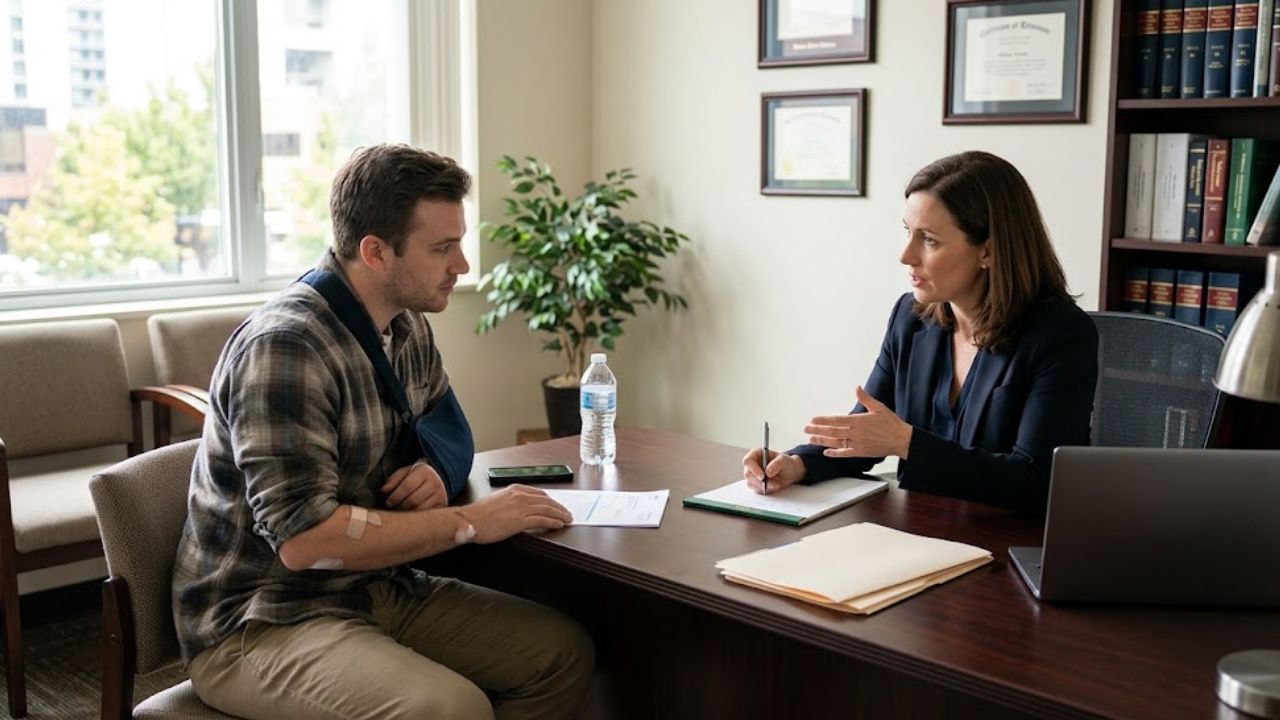
A lawyer specializing in workers’ compensation and personal injury can guide you through the process, from filing your initial claim to negotiating a fair settlement, if necessary.
They can help protect your rights, ensure all legal procedures are followed correctly, and advocate for your interests against insurance companies and employers.
Remember, a consultation does not necessarily imply a lawsuit. It’s about knowing your rights, privileges and making the right decision
Many lawyers offer free consultations and operate on a contingency fee basis, which means they only get paid if you win your case.
The crucial thing to understand here is that seeking legal advice is not an adversarial action against your employer; it’s about ensuring your rights are protected, and you’re fairly compensated for your injuries and losses.
Wrapping Up
Knowledge is power, and having these action plans we’ve just highlighted in place ensures you are well-equipped to handle any workplace accidents effectively.
Don’t hesitate to advocate for yourself; it’s not just about receiving compensation—it’s about ensuring a safer workplace for all. Stay safe at work!