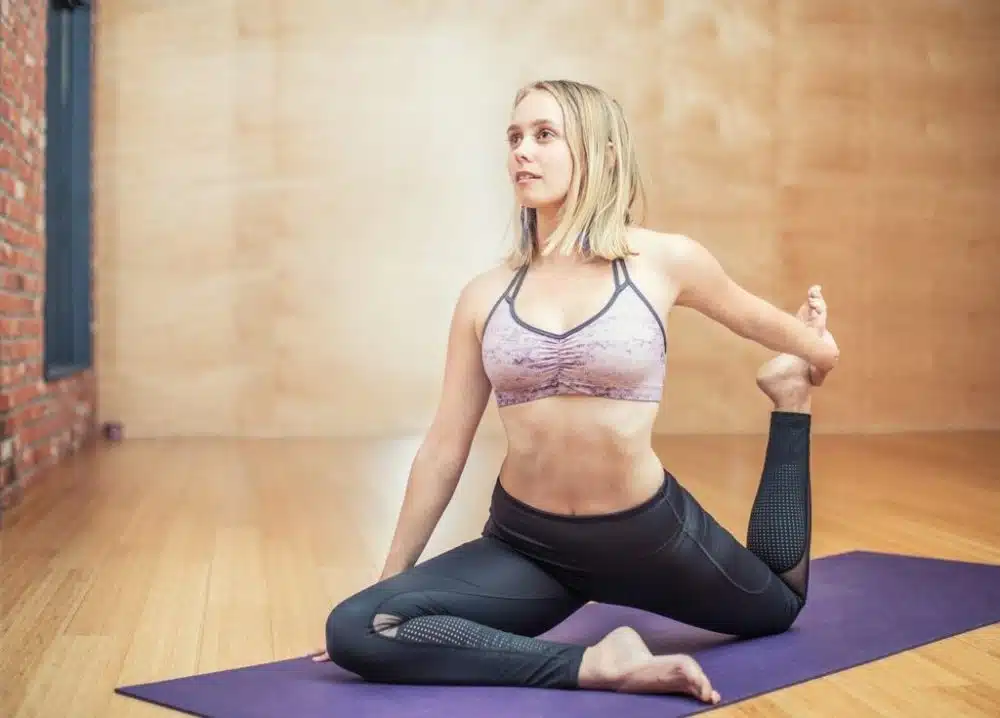
Yoga is one of the oldest physical, mental, and spiritual practices in the world. But because it’s so different from other common Western practices like jogging or weightlifting, it can be hard to understand yoga and its benefits. That’s why we’ve put together this post all about the philosophy behind yoga, complete with info on how to get started and what you can expect when you’re going through these movements.
What Is Yoga?
Yoga is a series of interconnected physical, mental, and spiritual practices that help people to achieve a better balance in their lives. Here are some basic definitions: Yoga is both a practice and a philosophy. It’s the practice of regular daily meditation and breathing exercises, along with the goal of attaining holistic balance.
The philosophy of yoga involves understanding the interconnectedness of everything in the world and that everything is part of a whole. It’s a universal, humanist perspective that can lead to acceptance rather than judgment and a self-aware approach to your own life.
The yoga philosophy brings us back to this way of thinking: “There is no separation.” Instead, yoga means “union” or “oneness,” which involves the simultaneous observation and experience of your body, mind, heart, soul, and other aspects of reality.
What Are the Different Styles of Yoga?
There are many different types of yoga, but they’re all based on the same basic philosophy. The popular styles include:
Hatha
The origins of Hatha yoga developed from the physical practices of ancient India and focused on developing physical balance. This Yoga poses and breathing exercises are geared toward strengthening your body, which can help you build a healthier mind and body. You’ll practice these every day to help improve flexibility, endurance, strength, and coordination.
Ashtanga
This style is a very intense physical practice that involves moving from one pose to the next closely linked pose in a very fast sequence. This style of yoga requires a lot of strength due to how quickly you switch between movements, but it can be effective for losing weight as well as increasing body awareness.
Iyengar
This style involves using your body weight to complement the exercises in order to increase stretching and flexibility. In Iyengar yoga, you’ll perform each pose slowly and precisely, making sure that your body is properly aligned. Iyengar yoga can help improve posture in addition to healing and relieving physical pain.
The Best Outfit for Yoga
Yoga is a very spiritual practice, but that doesn’t mean you need fancy outfits or accessories to practice it. Make sure to wear comfortable clothing that you wouldn’t mind sweating and stretching in. Avoid wearing bulky clothing, as contact with the floor may be necessary, and you want as much flexibility as possible.
If you’re going to a class, make sure your clothes are appropriate for that style. For example, if you’re going to do an Iyengar yoga class, make sure to wear appropriate shorts for yoga or leggings that aren’t too tight, and make sure you’re wearing tennis shoes.
What Are the Benefits of Yoga?
The practice of yoga comes with a number of benefits, including improved flexibility, increased strength and stamina, and increased mental stability.
Here are a few of the many health benefits that you can enjoy:
- Breathing exercises can help to improve your overall health by targeting some of your primary causes of everyday stress. Yoga helps you to focus on your breathing exercises so that you don’t forget about them, which will help you to be more successful at managing stress in the long run.
- Yoga can help you to bring balance and calmness to your life. Regular practice of yoga can help improve your ability to focus and relax without distractions, which can benefit your physical health as well as your mood and mental stability.
- Yoga helps with weight loss due to the increased flexibility it provides. Stretching exercises will increase your muscle toning, which will improve your metabolism so that you can burn more calories during each workout session.
The Bottom Line
Yoga is a great activity for stress management, improving your flexibility and physical health, and enhancing your mental stability. Since it’s based on a philosophy that encourages connecting with others and attaining a holistic balance, it can help you appreciate the things in life that matter the most.