

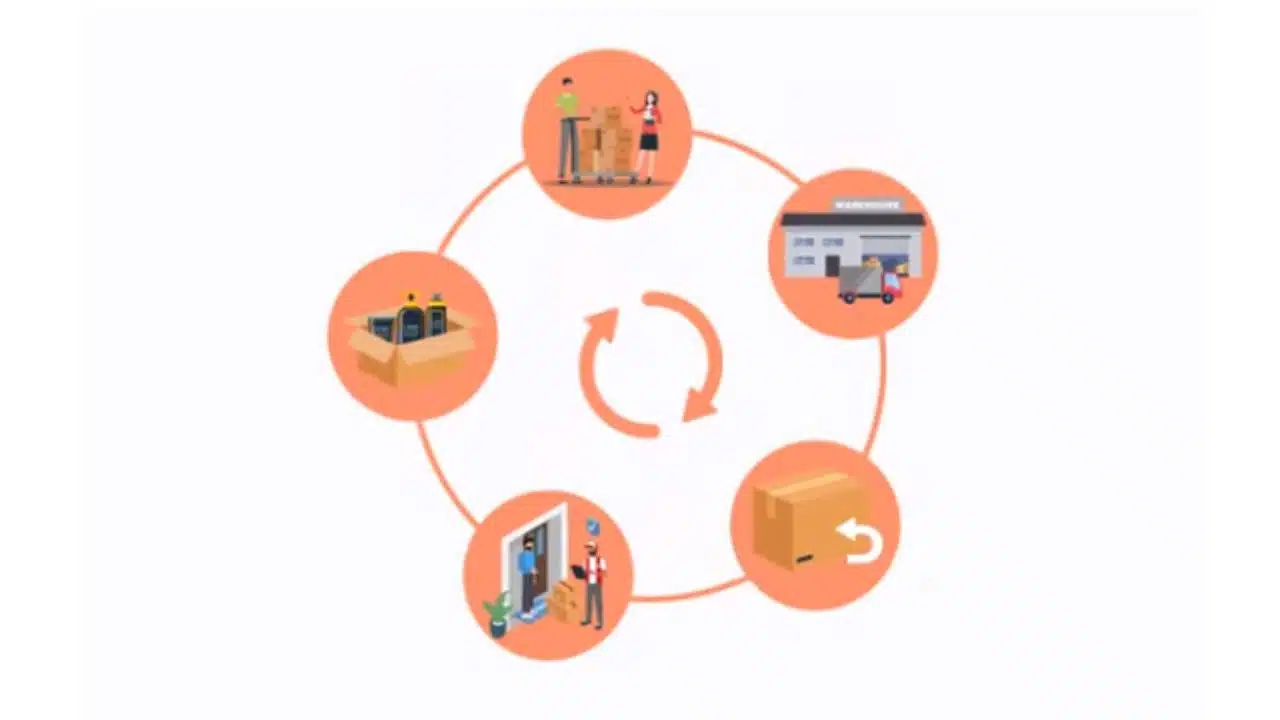
In the ever-evolving landscape of e-commerce, efficient order fulfilment has become a cornerstone of success. With the proliferation of online shopping, consumers now expect swift and hassle-free delivery of their orders. This expectation has put immense pressure on businesses to streamline their order fulfilment processes to meet these demands. In this comprehensive guide, we will navigate through the A to Z of order fulfilment, shedding light on each step involved, from the moment a customer places an order to the timely delivery of their coveted items.
E-commerce’s Explosive Growth
The digital age has witnessed an exponential growth in e-commerce. From global giants to local boutiques, businesses of all sizes are tapping into the online marketplace. This surge is attributed to several factors, including convenience, wider product selection, and often, competitive pricing. However, the success of an e-commerce venture hinges not only on these factors but also on the seamless execution of order fulfilment.
The Customer Satisfaction Connection
Customer satisfaction and loyalty are inextricably linked to efficient order fulfilment. A satisfied customer is more likely to return for future purchases, leave positive reviews, and recommend the business to others. Conversely, a poor fulfilment experience can result in lost sales, negative reviews, and damage to a company’s reputation. Therefore, understanding and optimizing the order fulfilment process is paramount for e-commerce businesses aiming to thrive in today’s competitive market.
A is for Acknowledgment: Confirming Customer Orders
The journey of order fulfilment commences with the acknowledgment of customer orders. This initial step serves as the foundation upon which the entire process is built.
The Importance of Prompt Order Confirmation
Upon receiving an order, it is crucial to promptly acknowledge it. Customers appreciate the reassurance that their request has been received and is being processed. A delayed confirmation can lead to anxiety and uncertainty, potentially tarnishing the customer’s perception of the brand. Therefore, implementing automated systems to acknowledge orders swiftly is a best practice that enhances customer confidence and sets the stage for a positive fulfilment experience.
B is for Boxing: Picking and Packing Essentials
The next crucial phase in order fulfilment is the picking and packing of products. This step ensures that the right items are selected from inventory, prepared for shipment, and safeguarded during transit.
Best Practices for Product Picking from Inventory
Efficient picking from the inventory is vital to ensure that the correct products are selected for each order. Strategies such as batch picking, where multiple orders are fulfilled simultaneously, can significantly enhance productivity. Warehouse staff often use handheld devices or mobile apps to receive picking instructions, helping them navigate the warehouse efficiently.
Importance of Proper Packaging for Product Safety and Brand Presentation
The way products are packaged not only impacts their safety during transit but also influences how customers perceive the brand. Using appropriate packaging materials and techniques is essential. Custom-branded packaging can also create a memorable unboxing experience for customers, fostering brand loyalty.
C is for Coordination: Managing Inventory and Warehousing
Effective inventory management and warehousing are fundamental components of successful order fulfilment. They ensure that products are available when needed and that the fulfilment process runs smoothly.
The Role of Warehousing in Order Fulfilment
Warehousing plays a pivotal role in the order fulfilment process. It serves as the central hub where products are stored, organized, and prepared for shipment. Efficient warehousing practices reduce order processing time and minimize errors.
The Significance of Real-time Inventory Management
Real-time inventory management is crucial for preventing stockouts and overstock situations. Inventory management software and systems enable businesses to track product availability, set reorder points, and manage stock levels effectively. This ensures that customers receive their orders without unnecessary delays.
D is for Delivery: Ensuring Timely and Accurate Shipments
Delivery is the culmination of the order fulfilment process, where products are dispatched to customers in a timely and accurate manner.
Dive into Various Shipping Methods and Their Benefits
Choosing the right shipping method can significantly impact the customer experience and shipping costs. Options range from standard ground shipping to expedited services like overnight delivery. Businesses should evaluate shipping carriers based on factors like speed, cost, and reliability to make informed decisions.
The Role of Tracking Systems and Communication with Customers
Providing customers with the ability to track their shipments instils confidence and transparency. Utilizing tracking systems and sending timely shipping updates via email or SMS helps manage customer expectations and reduces inquiries regarding order status.
E is for Evaluation: Continuous Process Improvement
To maintain a competitive edge in e-commerce, it is imperative to continuously evaluate and improve the order fulfilment process.
Emphasize the Need for Regular Review of the Fulfilment Process
Regular assessment and review of the order fulfilment process identify bottlenecks and areas for improvement. Businesses should encourage feedback from employees involved in fulfilment, as they often have valuable insights into process inefficiencies.
Discuss Tools and Metrics to Measure Order Fulfilment Success
Measuring order fulfilment success requires the use of key performance indicators (KPIs) and data analytics tools. Metrics such as order accuracy, on-time delivery rates, and customer satisfaction scores provide valuable insights. These metrics enable businesses to identify trends, set goals for improvement, and optimize their fulfilment operations.
F to Z: Expanding on Further Fulfilment Fundamentals
Beyond the core steps outlined in the alphabet, there are several additional aspects of order fulfilment that are equally important for a comprehensive understanding of the process.
Returns Management (R for Returns)
Dealing with returns is an integral part of order fulfilment. An efficient returns management process can help salvage value from returned products and maintain customer satisfaction. This involves inspecting returned items, processing refunds or exchanges, and restocking products when applicable.
Quality Control (Q for Quality)
Quality control measures ensure that products leaving the warehouse meet established quality standards. Consistently delivering high-quality products not only satisfies customers but also reduces returns and associated costs.
Scaling for Growth (S for Scaling)
As e-commerce businesses grow, they must scale their fulfilment operations to meet increasing demand. This may involve expanding warehouse facilities, hiring additional staff, and implementing more advanced order fulfilment technologies.
Technology Integration (T for Technology)
Technology plays a vital role in modern order fulfilment. Integrating e-commerce platforms, warehouse management systems, and order processing software streamlines operations and enhances efficiency.
Sustainability (S for Sustainability)
Sustainability in order fulfilment is gaining importance. Businesses are adopting eco-friendly packaging materials, optimizing shipping routes to reduce carbon emissions, and implementing green practices to align with customer values and reduce their environmental footprint.
Conclusion: Perfecting the Order Fulfilment Process
In conclusion, the order fulfilment process is the backbone of any successful e-commerce operation. It directly impacts customer satisfaction, brand reputation, and overall business success. By understanding and optimizing each step, businesses can ensure that orders are processed accurately and efficiently, leading to happy customers and sustainable growth.
To stay competitive in the dynamic e-commerce landscape, it is crucial for businesses to invest in continuous training and system upgrades. The quest for perfection in order fulfilment is ongoing, and embracing change and innovation is the key to staying ahead in the ever-evolving world of e-commerce.

























