You might wonder why so many people talk about indie games these days. Maybe you feel bored with the same triple A game formula or tired of waiting years for the next Final Fantasy.
Indie developers, often small teams or even one person, are changing this pattern in the gaming industry.
Last year, over 16,000 independent games made it to platforms like Steam and Nintendo’s eShop. This blog will show how creative freedom lets small studios make surprising hits like Hollow Knight and Stardew Valley.
If you want to know how these indie developers shake up video games using tools such as Unreal Engine and crowdfunding sites, keep reading—you’re in for a few surprises!
Key Takeaways
- In 2023, over 16,000 indie games launched on platforms like Steam and Nintendo eShop.
- Indie teams use game engines like Unity and Unreal Engine to create new ideas without big costs.
- Games such as Stardew Valley (sold over 20 million copies by 2023) and Hollow Knight started with small crews or even one person.
- Crowdfunding sites like Kickstarter help indie developers raise money before finishing a game; Hollow Knight used this in 2014.
- Indie games stand out for creative stories, friendly communities, and fresh gameplay that big studios often miss.
The Role of Accessible Game Engines
Game development tools like Unity and Unreal Engine make magic for independent developers. These engines cut down big costs, which helps small indie studios work fast and smart. Before 2010, building a video game took huge teams and lots of money.
Now, two or three friends with an idea can use these accessible platforms to build something great. Hollow Knight came from a tiny group that used such tools to craft every pixel.
Digital distribution platforms play another key part in this story. Steam, the Epic Games Store, and Nintendo eShop open doors wide for independent game creators worldwide. Now players anywhere can find games made by someone coding after school or on weekends—no need for triple A budgets or dozens of offices buzzing with staff.
All things considered, today’s gaming industry feels more like a garage band going viral online than a polished album release from a superstar label.
Creative Freedom and Unique Game Concepts
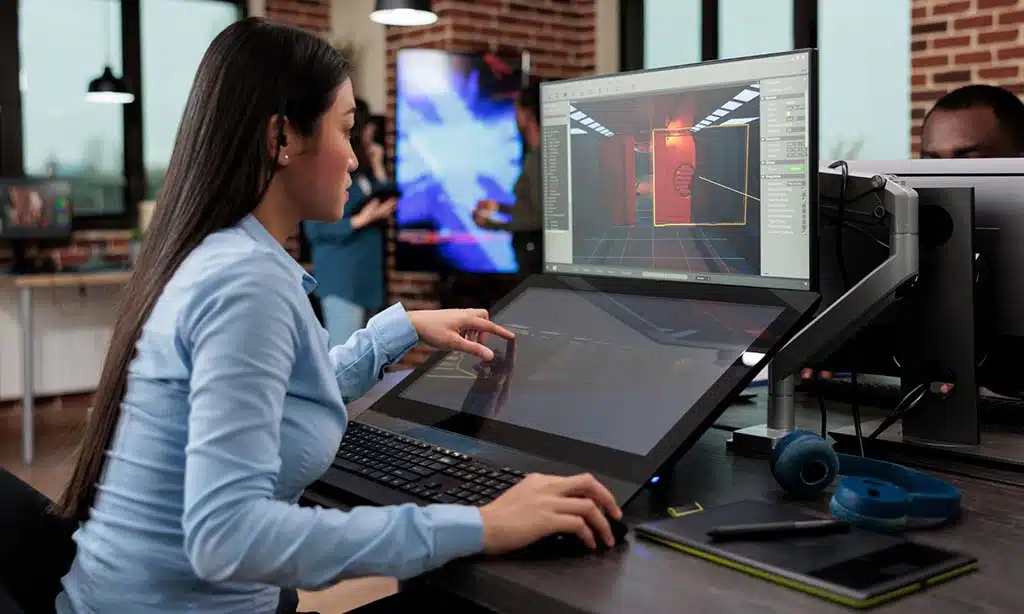
Indie developers love creative freedom. Small teams test wild ideas and experiment with fresh gameplay mechanics. No boss hovers over their shoulders, so independent game studios can try new things.
See games like Hollow Knight and Stardew Valley? Both offer personal storytelling you rarely find in triple A games. Hollow Knight uses dark caves, tough bosses, and hand-drawn art to tell a story about loss and hope.
Stardew Valley lets players run a farm, make friends, or just fish by a river all day—no limits.
Big gaming industry giants often stick to safe bets with huge budgets at stake. Indie games flip the script using platforms like Steam or itch.io for digital distribution. Hits such as Among Us built clever social tricks into tiny spaceships, giving millions of people big laughs during 2020 lockdowns.
Titles such as Take Us North and Out of Sight show brand-new ways to play or see stories unfold in interactive ways that large teams might overlook out of caution or cost fears. Game development tools like Unity Engine help these independent developers put dreams into pixels without breaking the bank—or their backs.
The results delight players who crave something bold instead of another copycat shooter from an enormous studio.
Building Strong Player Communities
Developers speak with fans on social media, like Twitter and Reddit. They share updates or answer questions, making players feel close to the team. Crowdfunding platforms such as Kickstarter let backers talk to developers and suggest ideas, which helps games fit what people want.
Many gamers find a real sense of belonging this way—think of folks who chat about “Stardew Valley” crops or swap tips for “Hollow Knight” bosses.
Events at big shows like GDC get hundreds of independent game developers together with their players face-to-face. Day of the Devs and The Mix are well-known for letting small teams showcase new indie games there each year.
These places help fans try demos early, give feedback fast, and meet others who love indie titles too. Community spirit can turn simple online chats into tight friendships over shared gaming wins—or losses!
The Financial Viability of Indie Games
Big dreams do not always need big wallets. Indie games can make money, and sometimes, more than anyone expects. Think of “Stardew Valley.” It came from one developer and sold over 20 million copies by 2023.
Among Us” took off during the pandemic and changed party gaming overnight. Even with small teams, success is possible.
Digital distribution platforms like Steam or itch.io have helped a lot here. These sites connect independent developers to millions of players instantly, without the cost or rules from big studios.
Publishers such as Devolver Digital and Team17 help pay for marketing or find bigger audiences too—kind of like having a megaphone at a crowded fairground. Last year, the global video game market saw $188 billion in revenue according to Newzoo, so there’s gold in this mine if you know where to dig.
Crowdfunding platforms also let fans support projects early through things like Kickstarter instead of depending on banks or large companies for funding.
Not all indie games strike it rich—some fade fast—but tools like Unreal Engine drop startup costs low enough that even tiny crews can compete with giant companies on quality if they catch lightning in a bottle.
How Small Teams Leverage Outsourcing
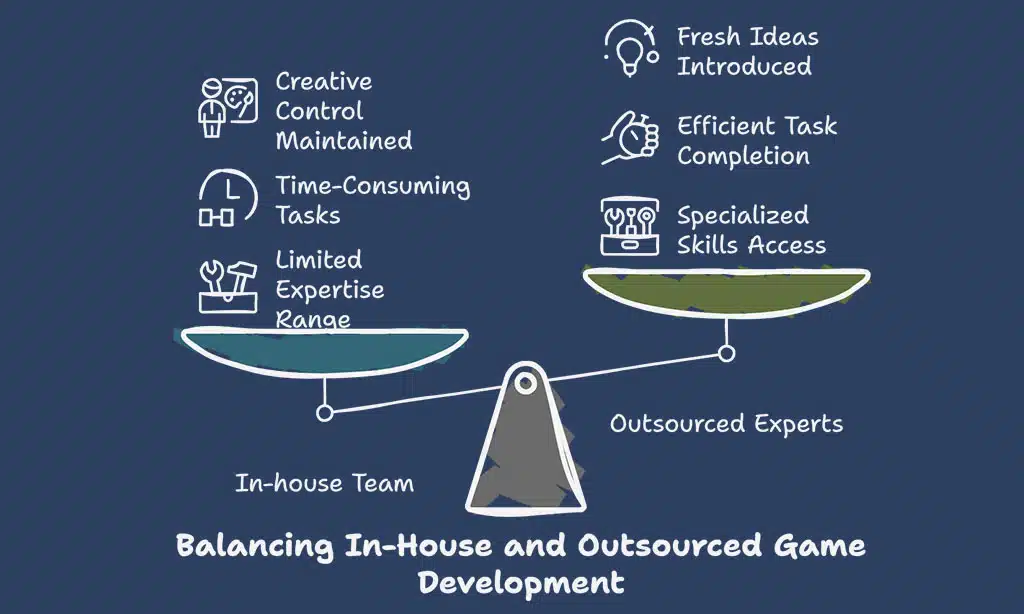
Small indie teams wear a lot of hats but can only juggle so many. Outsourcing helps with jobs like sound, art, or coding. Sometimes, one person masters music and another draws characters—yet both need help.
Many turn to remote artists for better graphics or hire programmers to fix those bugs fast.
Digital distribution platforms such as Steam let these games reach players worldwide without big publishers. Game development tools like Unreal Engine allow outside experts to drop in and work on pieces that need polish.
This keeps small teams from burning out and lets even tiny groups create fun hits like Among Us or Hollow Knight. Working with freelancers saves time, money, and sanity while still making the game fresh for everyone who plays it.
The Impact of Crowdfunding on Indie Development
Crowdfunding platforms like Kickstarter have changed how indie games get made. Independent developers use these sites to show their ideas, gather fans, and raise money before ever finishing the game.
Hollow Knight found its wings this way in 2014, reaching thousands who pulled out their wallets to help. Stardew Valley also grew with community support and self-funding until it became a massive hit.
A single successful campaign can cover art, music, even paying for Unreal Engine licenses or new game development tools. On the flip side, if a project flops on crowdfunding, dreams can crash quickly.
Many teams find early access helpful too—players buy in and give advice as the game grows. In short, crowdfunding helps independent developers break into a tough gaming industry without big studio backing.
Success Stories of Popular Indie Games
Sitting at their kitchen tables, small teams used tools like Unreal Engine and other game development platforms to build hits no one saw coming. _Stardew Valley_, crafted by a single developer named Eric Barone, sold over 20 million copies by 2022.
_Hollow Knight_ sprang from just two creators in Australia and pulled millions of fans into its world. These indie games grew stronger through digital distribution platforms that made it easy for anyone to buy and play.
_Hades_ hit jackpot status after Supergiant Games launched it on crowdfunding websites, soon winning tons of awards. Even quirky titles like _Among Us_, made by InnerSloth’s tiny group, went viral overnight with gamers everywhere shouting about imposters.
Other names such as _Beatdown City Survivors_, _Omori_, and even brand-new releases like _Big Hops_ show how far indie developers can reach using creative freedom and the right gaming industry support.
Challenges Faced by Indie Developers
Small teams face a flood of competition. In 2018, over 8,000 indie games hit digital distribution platforms like Steam. Fast forward to 2024, and that number has shot up past 16,000.
Every month feels like a crowded train car at rush hour—a new game tries to squeeze in. Even creative gems can get lost in the shuffle. Players must wade through mountains of titles just to find hidden hits such as Stardew Valley or Among Us.
Money troubles follow many independent developers around like a shadow at noon. Big studios may have deep pockets but most indie teams work on shoestring budgets. Some put their own money on the line while others hope crowdfunding platforms—like Kickstarter—will throw them a lifeline.
Sometimes this gamble works out; often it doesn’t pay off enough for rent let alone an artist’s coffee habit! Many lean heavily on open-source game development tools because they cannot afford pricey software from big names in the gaming industry.
Takeaways
Indie developers are changing the gaming industry, one idea at a time. Teams use Unity or Unreal Engine to make games that feel fresh and honest. Games like Stardew Valley and Among Us show how passion matters more than size.
Players now search on Steam for new hits from these smaller groups. The next big thing might already be just around the corner—ready to surprise us all!
FAQs
1. How are indie games changing the gaming industry?
Indie games bring new ideas to the gaming industry. Small teams can take risks, try fresh styles, and let creative freedom shine. This shakes up what players expect from big studios.
2. Why do small teams like those behind Hollow Knight or Stardew Valley stand out?
Small crews work close together, so their passion shows in every detail. Games like Hollow Knight and Stardew Valley prove you don’t need a giant studio to make something special.
3. What helps these indie developers reach more people today?
Digital distribution platforms play a key role here. They let tiny groups share their games with folks all over the world fast—no need for fancy stores or big publishers.
4. How do crowdfunding platforms support indie game creators?
Crowdfunding platforms give small teams money before launch day hits. Fans back cool ideas early on, helping developers finish their dream projects without needing piles of cash from outside investors.