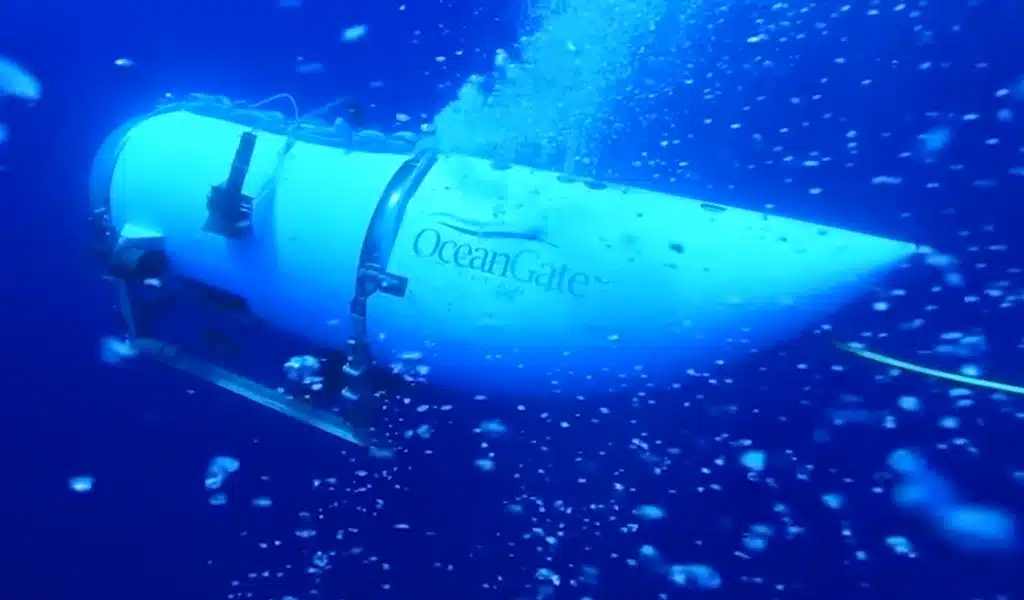
As searchers keep looking for the lost submersible, which was carrying five people who wanted to see the wreckage of the Titanic, naval experts have talked about how hard it is to pull off a successful rescue.
Recovering things that are underwater is always hard, and the submarine that went to the Titanic went to such great depths that any attempt to save it would be very hard. Fifty years ago, two people in a small submersible were saved off the coast of Ireland. However, they were in much deeper water than the ship that is stuck near the Titanic.
Officials from the Coast Guard said that they are taking things step by step and are now concentrated on the search when asked if they had the technology to undertake a rescue in the event that the craft is found.
Here are some of the most notable historical submarine salvage efforts.
K-129
In March 1968, the Soviet Union lost touch with one of its ballistic missile submarines, the K-129, which was in the middle of the Pacific Ocean with 98 people on board. Still, no one is sure what caused the ship to sink. Theories range from a technical problem to a collision with another boat. The U.S. Navy found the wreckage of the sub 16,500 feet below the surface. With the help of the CIA, they went on a secret mission to collect the Soviet vessel and its nuclear warheads.
(Submersibles are different from submarines because they can’t launch themselves and need help from other ships. Most of the time, submersibles are also smaller than submarines.)
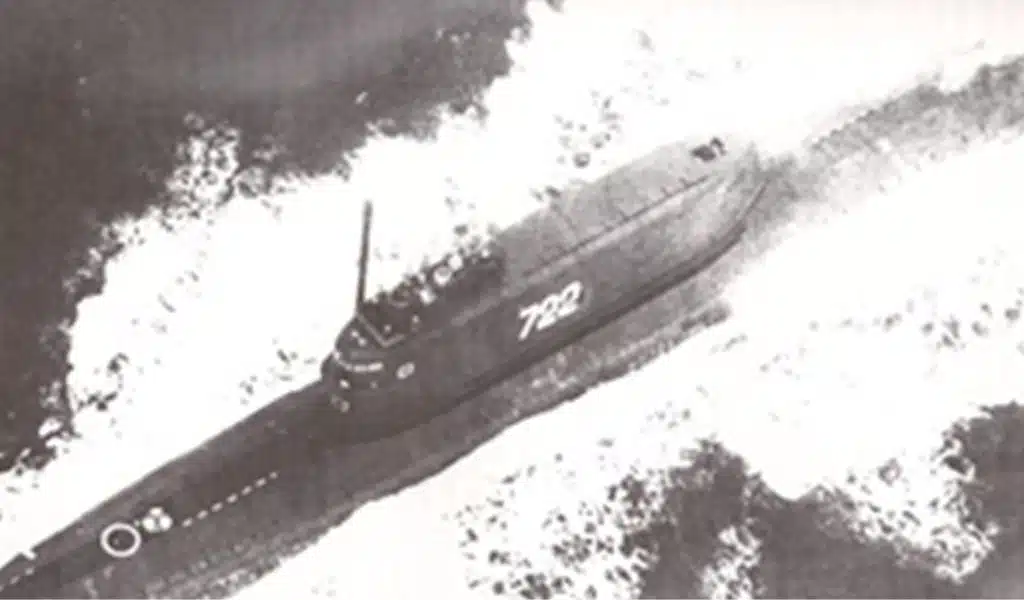
The CIA came up with a plan, which they called Project Azorian, to build a big ship with a big claw that they would drop to the ocean floor and use to get the K-129. To hide the real reason for building the vehicle, they asked secretive billionaire Howard Hughes for help and said that the Hughes Glomar Explorer would be used for deep sea mining.
In 1974, the Explorer went to the salvaging site, which was being watched by the Soviets, and put out the big claw, which was called “Clementine.” As the sub was slowly being pulled up, the claw broke. This caused a lot of the K-129 to sink back down. Six crew members’ bodies were found, and they were buried at sea with full military honors.
In 1975, reporters told the public about the secret rescue operation, which was called “Operation Matador.” This was the name of the plan to go back and get the rest of the wreckage. When asked for documents about the operation, the CIA said they couldn’t confirm or deny their presence. This led to the term “neither confirm nor deny.”
K-141 Kursk
The Barents Sea, a body of water that borders the northwest of the nation, was the scene of Russian Navy training exercises in August 2000. Investigators believe that a peroxide leak in a malfunctioning test torpedo triggered the two explosions that caused the Kursk, which was carrying 118 crew men, to sink.
much though the navy leadership was aware of the explosions, it took them hours to recognize anything had happened to the Kursk and much longer to start looking for it.
The submarine had sunk to a depth of roughly 350 feet, and initial Russian rescue efforts failed because Moscow turned down offers of help from other countries. Days after the catastrophe, newly elected Russian President Vladimir Putin reluctantly accepted aid from Norway and Great Britain.
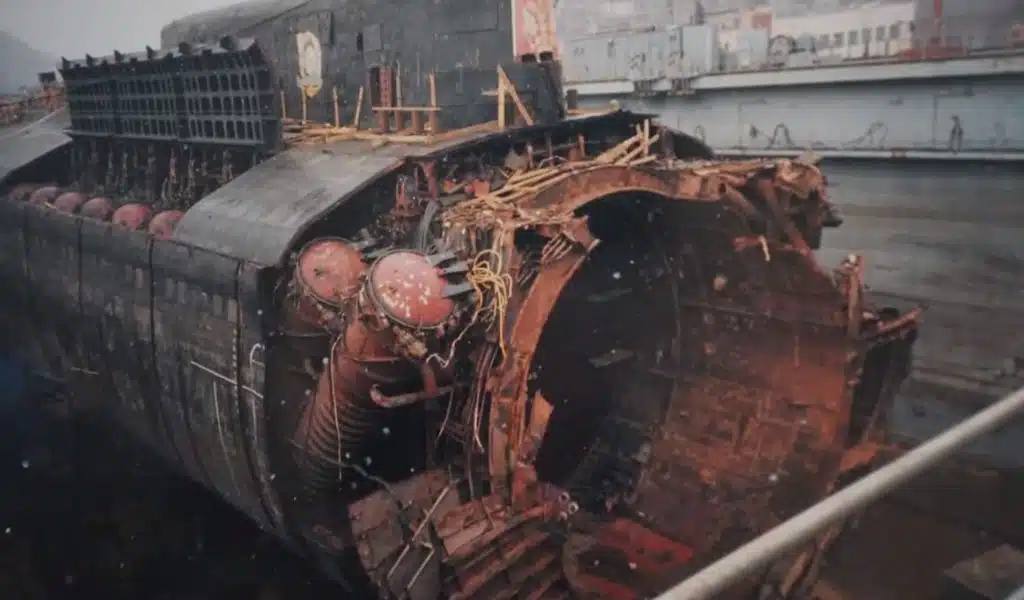
Divers made their way into the Kursk a week after it went down and discovered no survivors. Later, investigators discovered that 23 crew members who had collected near the rear of the sub after surviving the initial blow had perished due to a fire and a lack of oxygen.
The Russian navy leadership first claimed that a collision with a NATO vessel was to blame for the sinking, but they never offered any supporting documentation. The Kursk did carry a rescue buoy that, in the event of an emergency, would have automatically activated, but it had been turned off when it was deployed in the Mediterranean the year before.
In October 2001, the majority of the ship’s hull as well as the remains of 115 crew members were found.
HMS Poseidon
In June 1931, the British Royal Navy submarine HMS Poseidon crashed into a cargo ship off the coast of China, doing a lot of damage. Because it was on the surface at the time, some of the sailors were able to escape. However, 21 sailors died, either because they were stuck in the ship or because they couldn’t make it through the escape.
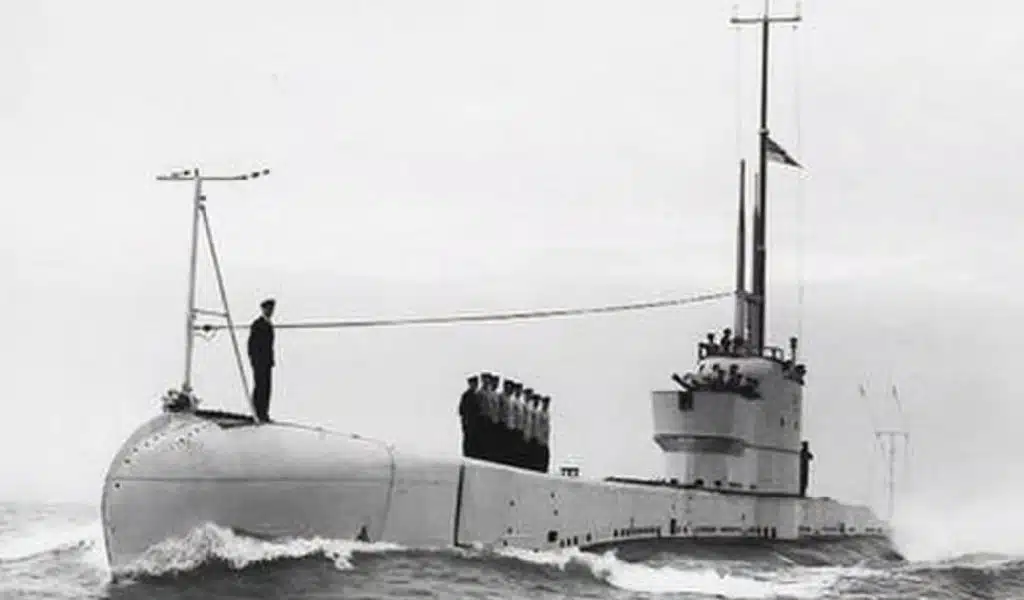
Some crew members were able to get from the sinking ship to the top using a device called a Davis lung. This was an early version of the scuba gear we use today. This led to a change in naval policy that encouraged people to try to leave instead of waiting for relief. To make this possible, escape chambers were added.
In 1972, the Chinese government started a secret plan to get the Poseidon back. Even though a Chinese naval magazine wrote about the effort to save the ship 30 years later, few people knew about it until an American author and diving instructor living in Beijing named Steven Schwankert found references to the story on Google.
His study led to the books “Poseidon: China’s Secret Salvage of Britain’s Lost Submarine” and “The Poseidon Project,” a 2013 documentary. In 2009, the Chinese government said they knew about the salvage effort, but they said they hadn’t found any of the British sailors’ bodies or personal belongings.