
Listen to the Podcast:
Wondering how long creatine stays in your system after supplementation? To answer this, experts suggest that creatine can linger for about two weeks post-discontinuation. Our detailed guide will dissect the factors affecting the creatine retention period and offer actionable tips to manage it effectively.
Ready to dive deep into the world of creatine science? Let’s get started!
Content Highlights
- Creatine can stay in your system for about two weeks after discontinuation of supplementation.
- Factors such as body composition, diet, supplement quality, hydration levels, exercise routine, individual metabolism, and regular usage can influence the retention of creatine in your system.
- Creatine is generally considered safe when used correctly and at appropriate doses for up to five years of use.
- Creatine offers benefits such as increased strength and power, enhanced muscle growth, improved exercise performance, faster recovery, and potential neuroprotective effects.
- To maximize results with creatine supplementation, follow recommended dosage strategies and timing suggestions based on individual needs and goals.
How Long Does Creatine Stay in Your System?

Creatine’s duration in your system depends on various factors such as individual attributes, creatine schedule, and activity level.
Factors Influencing Creatine Retention
Creatine retention in your system can be influenced by numerous variables that affect its absorption, utilization, and excretion. Here’s a closer look at those factors:
- Body Composition: Individuals with more muscle mass tend to retain more creatine due to the increased uptake into muscle cells.
- Diet: Consuming creatine with carbohydrates or protein can enhance its absorption and retention.
- Supplement Quality: The type and quality of creatine supplement used can make a substantial difference in how much is retained in the body.
- Hydration Levels: Adequate hydration is essential for creatine transport and utilization; therefore, maintaining optimal water intake can influence retention rates.
- Exercise Routine: High-intensity exercises tend to increase muscular uptake of creatine, potentially improving its retention.
- Individual Metabolism: Some people naturally retain more creatine than others because of their unique metabolic processes.
- Regular Usage: Consistent use of creatine supplements results in higher retention rates as it leads to gradual saturation of the muscles.
Individual Attributes Affecting Creatine Stores
There are several individual attributes that can significantly influence how long creatine stays in your system and your creatine stores.
- Body Mass: Individuals with larger body mass tend to store more creatine as they have a higher muscle mass.
- Muscle Mass: More muscle translates to a greater storage capacity for creatine. This is because the amino acid primarily resides within your muscles.
- Fitness Level: Regular exercise, especially strength training, boosts the uptake of creatine by muscles, resulting in increased reserves.
- Diet: A diet rich in red meat and fish can increase your body’s natural creatine stores.
- Gender: Males typically have more muscle mass than females, hence may carry more naturally occurring creatine.
- Age: As we age, our muscle mass tends to decrease, which may affect how much creatine we hold.
- Metabolism Rate: A faster metabolism might process and use up stored creatine quicker than a slower one.
How Creatine Schedule Affects Creatine Stores
The creatine schedule significantly impacts the storage of creatine in your system. Embarking on a loading phase – taking high doses of 5-20 g/day for over five days – can rapidly increase intra-muscular stores, according to research.
This immediate surge is often followed by a maintenance phase involving smaller regular doses intended to prolong peak levels. However, it’s important to note that this process doesn’t result in indefinite creatine saturation; once supplementation stops, we observe a counteractive clearance period where the body naturally eliminates excess amounts over approximately 30 days.
A well-planned creatine routine plays an essential role not only in how long does creatine stay in your system but also in its effectiveness towards muscle mass enhancement and performance optimization.
Read More: Does Creatine Make You Fat?
Is Creatine Harmful?
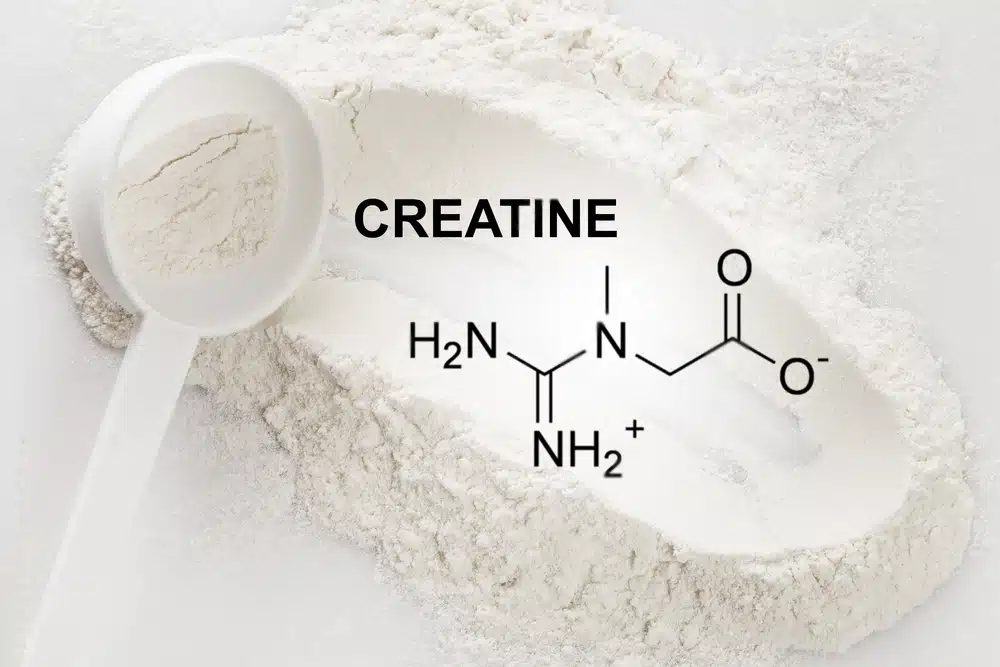
Creatine is a widely-used sports supplement, but many people wonder if it is harmful to their health. The good news is that when used correctly and at appropriate doses, creatine is generally considered safe for up to five years of use.
Numerous studies have shown no significant adverse effects on kidney function in healthy individuals, even with long-term creatine supplementation.
It’s important to note that creatine should always be taken as directed and not exceed recommended dosages. Like any supplement or medication, improper use can lead to potential side effects such as gastrointestinal distress or muscle cramps.
However, these occurrences are rare and typically only happen when excessive amounts are consumed.
If you have any concerns about using creatine or potential risks associated with your specific health condition, it’s always best to consult with a healthcare professional before starting any supplementation regimen.
They can provide personalized advice based on your individual needs and medical history.
In conclusion, when used responsibly and within recommended guidelines, there is little evidence to suggest that creatine poses significant harm to most individuals. As with any dietary supplement, it’s crucial to educate yourself about proper usage and consult with a healthcare professional if you have any underlying health issues or uncertainties.
Benefits of Creatine
Creatine offers several benefits that can enhance your athletic performance and overall fitness. Here are the key advantages of using creatine:
- Increased strength and power: Creatine has been shown to significantly improve strength and power, making it an excellent supplement for athletes engaged in activities such as weightlifting, sprinting, and high-intensity training.
- Enhanced muscle growth: By increasing the levels of phosphocreatine in your muscles, creatine stimulates protein synthesis and promotes muscle hypertrophy. This leads to greater gains in muscle size and improved body composition.
- Improved exercise performance: Creatine helps replenish ATP (adenosine triphosphate) stores in the muscles, which are essential for high-intensity activities. This results in increased endurance, allowing you to perform at a higher intensity for longer periods.
- Faster recovery: Creatine aids in post-workout recovery by reducing muscle damage and inflammation. It also helps replenish glycogen stores, leading to faster recovery between intense workout sessions.
- Neuroprotective effects: Research suggests that creatine may have neuroprotective properties, benefiting brain health. It may help improve cognitive function, and memory retention, and reduce mental fatigue.
How to Consume Creatine to Maximize Results
To maximize results, follow the recommended dosage for creatine supplementation and ensure proper timing of consumption.
Dosage Recommendations
When it comes to supplementing your body with creatine, it’s crucial to adhere to certain dosage recommendations to ensure you’re maximizing the potential benefits while minimizing the risks. The following table provides a breakdown of the commonly suggested creatine dosage strategies.
|
Dosage Strategy |
Description |
|
Initial Loading Phase |
This approach involves taking 20 grams of creatine split into 4 doses of 5 grams each for about 5-7 days. This can help saturate your muscles with creatine more quickly. |
|
Maintenance Phase |
After the initial loading phase, a typical maintenance dose is around 3-5 grams per day. This is enough to maintain high levels of creatine in your muscles. |
|
No Loading Phase |
If you prefer not to do a loading phase, you can simply begin with the maintenance dose of 3-5 grams per day. It may take a bit longer to saturate your muscles, but it will reduce the chances of side effects like stomach discomfort. |
|
Timing |
It’s generally recommended to take creatine either before or after a workout. Some studies suggest that post-workout may be slightly more effective. |
Remember, these are general recommendations and your needs may vary based on factors such as body weight, metabolism, workout intensity, and frequency. Your healthcare provider can provide more personalized advice based on your individual health and fitness goals.
Timing of Creatine Consumption
Consuming creatine at the right times plays a key role in optimizing its benefits. Here’s an overview of the best times for creatine intake and how it can affect your exercise efficiency and results.
|
Time of Consumption |
Benefits |
|
Pre-Workout |
Consuming creatine before a workout can help increase strength, power, and lean body mass. It also enhances the body’s capacity to resist fatigue, allowing for more intense and longer workouts. |
|
Post-Workout |
Taking creatine after a workout can replenish creatine stores in the muscles that have been depleted during exercise. This accelerates muscle recovery and assists with growth and repair. |
|
On Rest Days |
During non-training days, taking creatine helps maintain a saturation level in the muscles. This readiness allows for maximum benefits during the next workout. |
Remember, while the above gives a general guideline on when to consume creatine, individual needs and responses may vary. Therefore, it’s important to find a schedule that works best for your body and fitness goals. Keep in mind that creatine supplementation can result in weight gain due to an increase in total body water, so adjust your intake and timing accordingly. Furthermore, the exact mechanisms behind how creatine improves exercise performance are still being explored. Early understanding suggests it might allow the body to use fuel more efficiently during workouts.
Read Also: Can You Take Creatine Before Bed?
How Quickly Does Creatine Leave Your System?
Creatine is metabolized and eliminated from your system relatively quickly. After you stop taking creatine, it will be cleared from your plasma within 24 hours. However, the complete clearance of creatine from your muscles may take longer.
Studies have shown that the washout period for muscle creatine to return to baseline levels can range from a few days to over 30 days in some individuals.
It’s important to note that the rate at which creatine leaves your system can vary based on several factors. These include individual attributes such as age, metabolism, and overall health. Additionally, how long you’ve been supplementing with creatine and the dosage you’ve been taking can also influence how quickly it clears out.
To maximize the benefits of creatine supplementation while ensuring its timely clearance from your system, it’s recommended to follow proper dosing guidelines and timing recommendations. By doing so, you can achieve optimal results without worrying about any lingering effects or potential side effects associated with prolonged use.
Remember, always consult with a healthcare professional before starting any new dietary supplement regimen or making changes to your current routine.
How to Clear Creatine From Your System

To clear creatine from your system, you can employ natural methods such as staying hydrated and engaging in regular exercise.
Natural Methods to Flush Out Creatine
Creatine, a popular supplement for athletes and those looking to enhance muscle mass, may stay in your system for about 3.85 hours. However, if you’re looking to clear creatine from your system naturally, here are some effective methods:
- Stay Hydrated: Drinking plenty of water can help flush out creatine from your system more quickly.
- Regular Exercise: Engaging in regular physical activity can assist in expediting the elimination of creatine.
- Increase Fluid Intake: Consuming fluids like cranberry juice or herbal tea can promote increased urine production and aid in clearing out creatine.
- Eat Fiber-Rich Foods: Including foods high in fiber, such as fruits, vegetables, and whole grains, can help cleanse your system by promoting regular bowel movements.
- Consume Detoxifying Foods: Certain foods like lemon, garlic, ginger, and leafy greens have detoxifying properties that support the removal of toxins from the body.
- Avoid Alcohol and Caffeine: Both alcohol and caffeine can have dehydrating effects on the body, which may hinder the elimination of creatine. It’s best to limit or avoid these substances during the flushing process.
Potential Side Effects of Creatine Supplementation
Creatine supplementation, while generally safe, can potentially cause a few side effects. Some individuals may experience weight gain due to increased water retention in the muscles. Muscle cramps and strains have also been reported, although these are usually mild and temporary.
It’s important to note that staying well hydrated can help reduce the likelihood of these side effects occurring. Additionally, some people may experience an upset stomach or gastrointestinal discomfort when taking creatine supplements.
However, this can often be minimized by taking the supplement with food or dividing the dosage throughout the day. Lastly, skin irritation is another potential side effect that has been reported in some cases of creatine use.
It’s essential to keep in mind that while these side effects have been observed, they are relatively uncommon and typically mild. The majority of individuals who take creatine do not experience any adverse reactions at all.
Read More: Does Creatine Make You Bloated?
Frequently Asked Questions (FAQs)
It’s time to move on to the most commonly asked questions on this topic
1. How long does creatine stay in your system?
The length of time that creatine remains in your system can vary depending on factors such as your metabolism and how much creatine you have been taking. On average, it is believed that creatine can be detected in urine for up to 2-7 days after the last intake.
2. Is there a way to speed up the elimination of creatine from my system?
Drinking plenty of water and staying hydrated can help flush out creatine from your system faster. Additionally, engaging in physical activity and exercising regularly may also aid in the elimination process.
3. Are there any side effects associated with long-term use of creatine?
Long-term use of creatine has generally been considered safe for most individuals when taken within recommended doses. However, some people may experience gastrointestinal issues such as stomach cramps or diarrhea. It is always advisable to consult with a healthcare professional before starting any supplement regimen.
4. Will taking more creatine result in it staying longer in my system?
Taking higher doses of creatine than recommended will not necessarily prolong its presence in your system. Instead, it may increase the risk of experiencing potential side effects without providing any additional benefits. Following recommended dosage guidelines is important for both safety and effectiveness.
Conclusion
In conclusion, understanding how long creatine stays in your system is crucial for both athletes and individuals considering supplementation. The duration varies based on factors such as individual attributes, dosage, and frequency of consumption.
While creatine can be beneficial for enhancing athletic performance, it’s important to use it responsibly and consult with a healthcare professional if needed. By being aware of its presence in your system and following recommended guidelines, you can maximize the benefits while minimizing any potential risks.